

Fuel Logic Blog
A Resource For Business, Fuel Managers And Fleet Managers
-
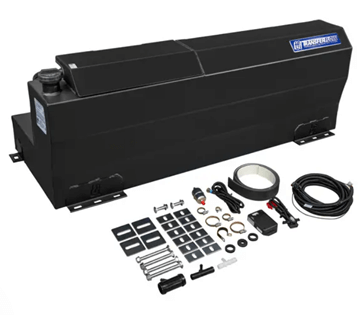
What Is an Auxiliary Fuel Tank?
An auxiliary fuel tank is an additional tank installed in a vehicle to increase its fuel capacity, allowing it to travel longer distances without frequent refueling. It’s commonly used in long-haul trucks, RVs, off-road vehicles, and fleet or emergency vehicles—especially useful for long journeys or remote areas with limited fuel access. No one would like…
-
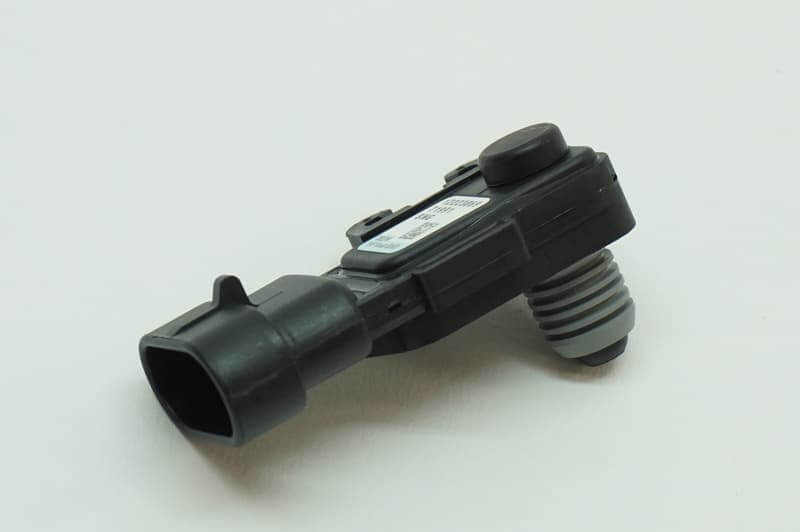
What Does a Fuel Tank Pressure Sensor Do?
A fuel tank pressure (FTP) sensor measures pressure changes inside the fuel tank and sends this data to the Engine Control Module (ECM) or Engine Control Unit (ECU). It is a key component of the evaporative emissions control system (EVAP), which detects leaks—such as a loose gas cap or cracked line—and signals the ECU to…
-
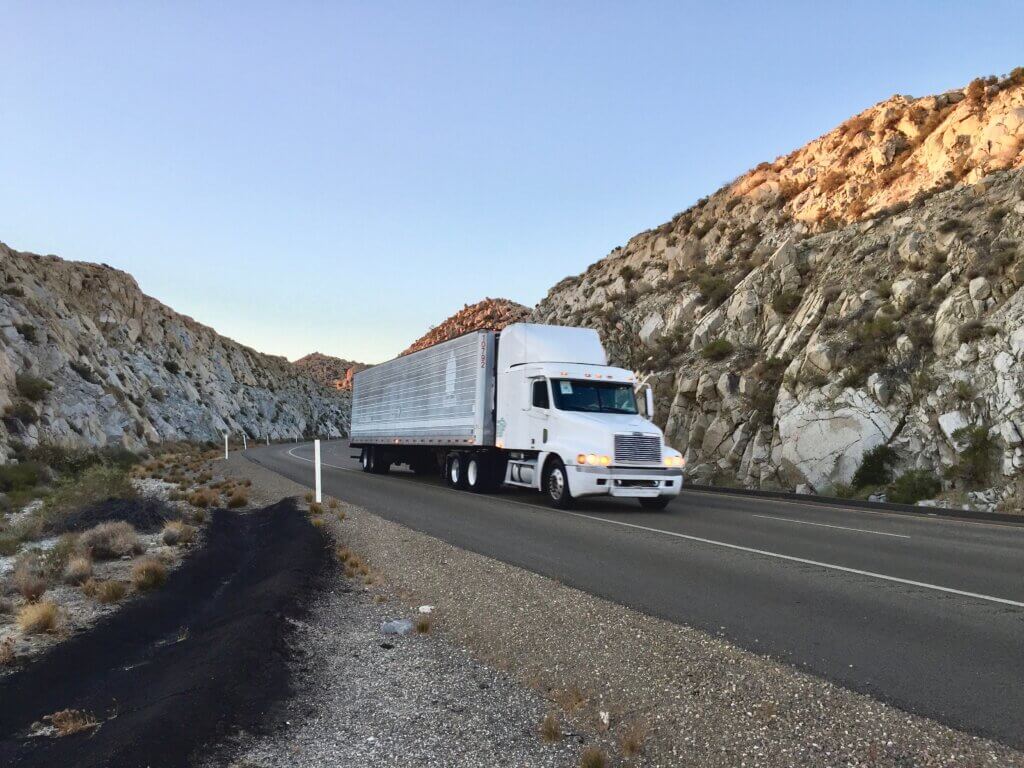
Ran Out of Gas? Here’s How Roadside Assistance Works
If you run out of gas, roadside assistance involves a technician bringing fuel or towing your car to a station; Fuel Logic offers nationwide 24/7 emergency fuel delivery within 45 minutes to 1 hour, providing safe, professional, and compliant refueling directly to your location, including urban and rural areas, avoiding towing costs and vehicle damage.…
-

What Is Fleet Tracking Used For?
Fleet tracking integrates GPS and telematics to monitor vehicles in real time, serving to boost efficiency, cut costs, and increase safety for businesses. It tracks vehicle locations, driver habits, routes, maintenance schedules, and delivery accuracy, offering benefits like optimized routes, reduced accidents, proactive maintenance, and significant fuel savings up to 16%. For companies relying on…
-

What Is A Fleet Manager?
A fleet manager oversees company vehicles to ensure safe, efficient, and cost-effective operations. Their duties include maintaining vehicles, managing purchases and registrations, monitoring fuel and driver performance, and ensuring regulatory compliance through fleet management systems. With businesses struggling to transport goods more efficiently and swiftly, fleet management has become a key to their success. The…
-
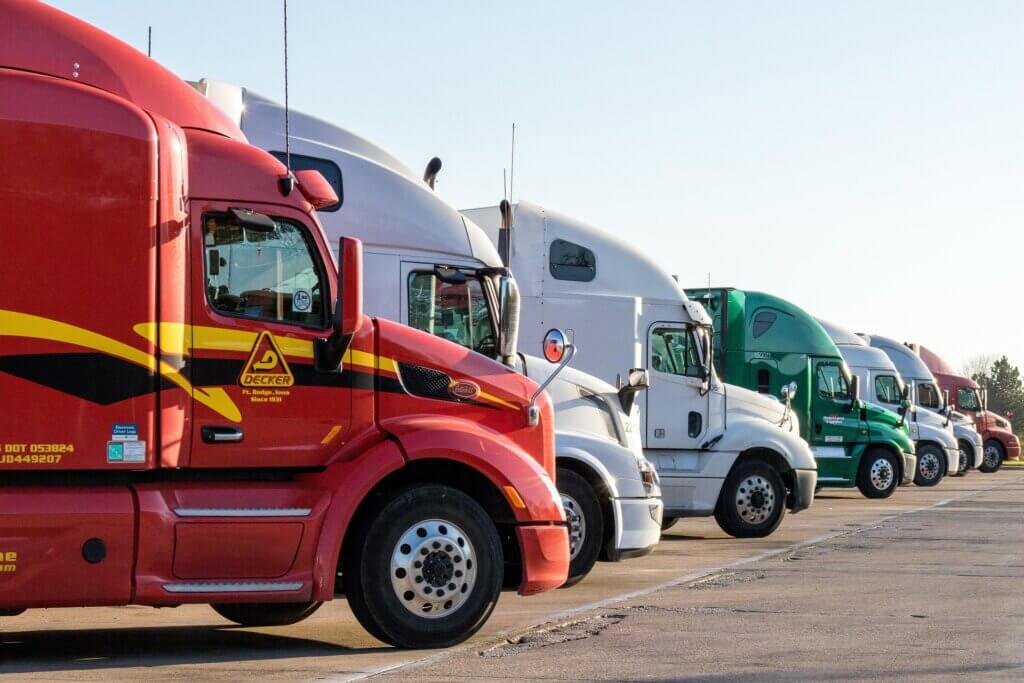
What Is Fleet Management?
Fleet management involves overseeing a company’s commercial vehicles to maximize efficiency, reduce costs, and optimize performance across the entire vehicle lifecycle, including maintenance, route planning, fuel management, and compliance with regulations. Suppose your delivery vehicle gets stuck in severe traffic and your customer has to wait for hours. It will break trust and reduce reliability.…
-

How to Select the Right Dash Cam for Fleets
Choose a dash cam that fits your fleet’s safety and monitoring needs. Prioritize HD video quality, GPS tracking, and integration with fleet management software. Depending on your coverage needs, pick between forward-facing, dual, or multi-camera systems. Leading options include the Garmin Dash Cam 67W, Samsara Dual-Facing AI Dash Cam, and Nextbase 622GW 4K Dash Cam.…
-
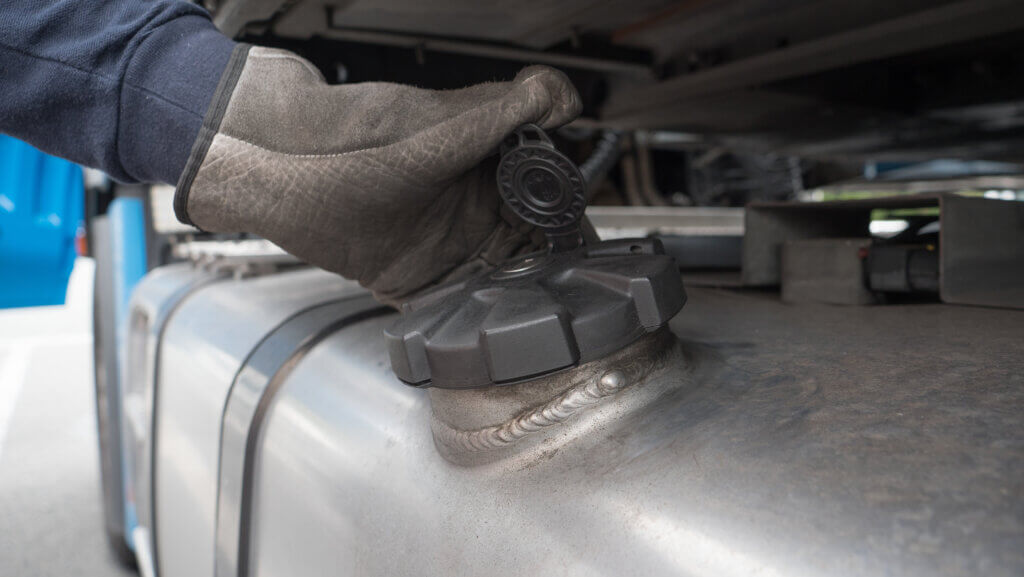
Where to Buy Diesel Fuel? Here’s How to Find Reliable Suppliers Near You
You can buy diesel fuel at truck stops, gas stations, or from bulk delivery suppliers. To find a reliable supplier near you, consider their experience, customer reviews, service coverage, and confirm they meet your specific needs. In 2022, the U.S. transportation sector used about 2.98 million barrels of diesel fuel daily, underscoring the critical importance…
-
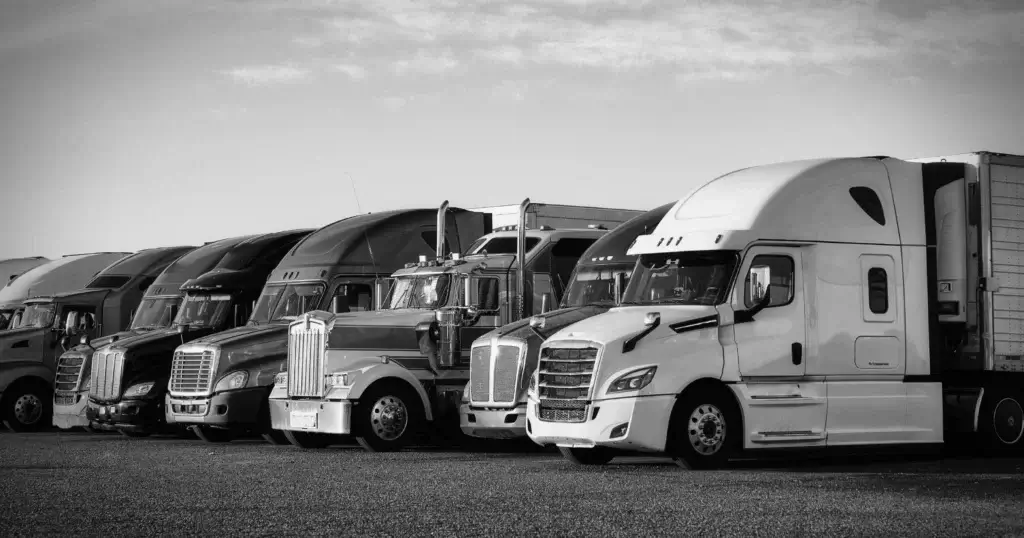
What Does Automotive Fleet Maintenance Include?
Automotive fleet maintenance encompasses regular upkeep like oil changes, tire rotations, and inspections to prevent issues, along with repairs. This also includes tracking service history, ensuring compliance with DOT and OSHA rules, and managing costs for long-term reliability. If a delivery truck breaks down mid-route or a work vehicle won’t move because of a simple…
-

Fleet Management for Small Businesses: FAQs Answered by Experts
Fleet management for small businesses involves using specialized tools and software to monitor vehicles, track drivers, and schedule maintenance—helping boost efficiency, safety, and profitability. The global fleet management market was valued at $23.4 billion in 2024, with growth driven by both large companies and small fleets. According to some analysis, it will see a compound…
Need a Fuel Delivery Today?
Fuels Types & Diesel Additives
We Deliver Nationwide
- Diesel
- Gasoline
- Dyed Diesel
- DEF (Diesel Exhaust Fluid)
Schedule your fuel delivery today
Latests Articles
- Common Fuel Management Mistakes That Drain Budgets
- What Every Fleet Manager Should Know About Fuel Contracts
- How to Choose Between Fuel Cards and Mobile Fueling
- The Real Cost of Running Out of Fuel for Fleets
- Fuel Tank Management: Best Practices for Fleet Owners
- What to Know Before Setting Up Your Own Fuel Storage System
- HVAC Fleets Lose Hours Weekly on Fuel Stops
- Why HVAC Fleets Struggle During Heat Waves
Categories
- Bulk Fuel Articles (9)
- Business (4)
- Construction (6)
- Diesel (31)
- Diesel Exhaust Fluid (13)
- Diesel Gelling (6)
- Dyed Diesel (5)
- Emergency Fuel Delivery (13)
- Event Fueling (3)
- Fleet (37)
- Fleet card (4)
- Fuel Cost (10)
- Fuel delivery (30)
- Fuel Estimator (2)
- Fuel Management (24)
- Fuel Polishing (2)
- Fuel Safety (7)
- Fuel Tank (28)
- Fuel Types (8)
- Gasoline (13)
- Generator (18)
- Intangible Costs (3)
- Off-road diesel (8)
- Our Culture (2)
- Reefer Trailers (6)
- Stories From the Road (6)