
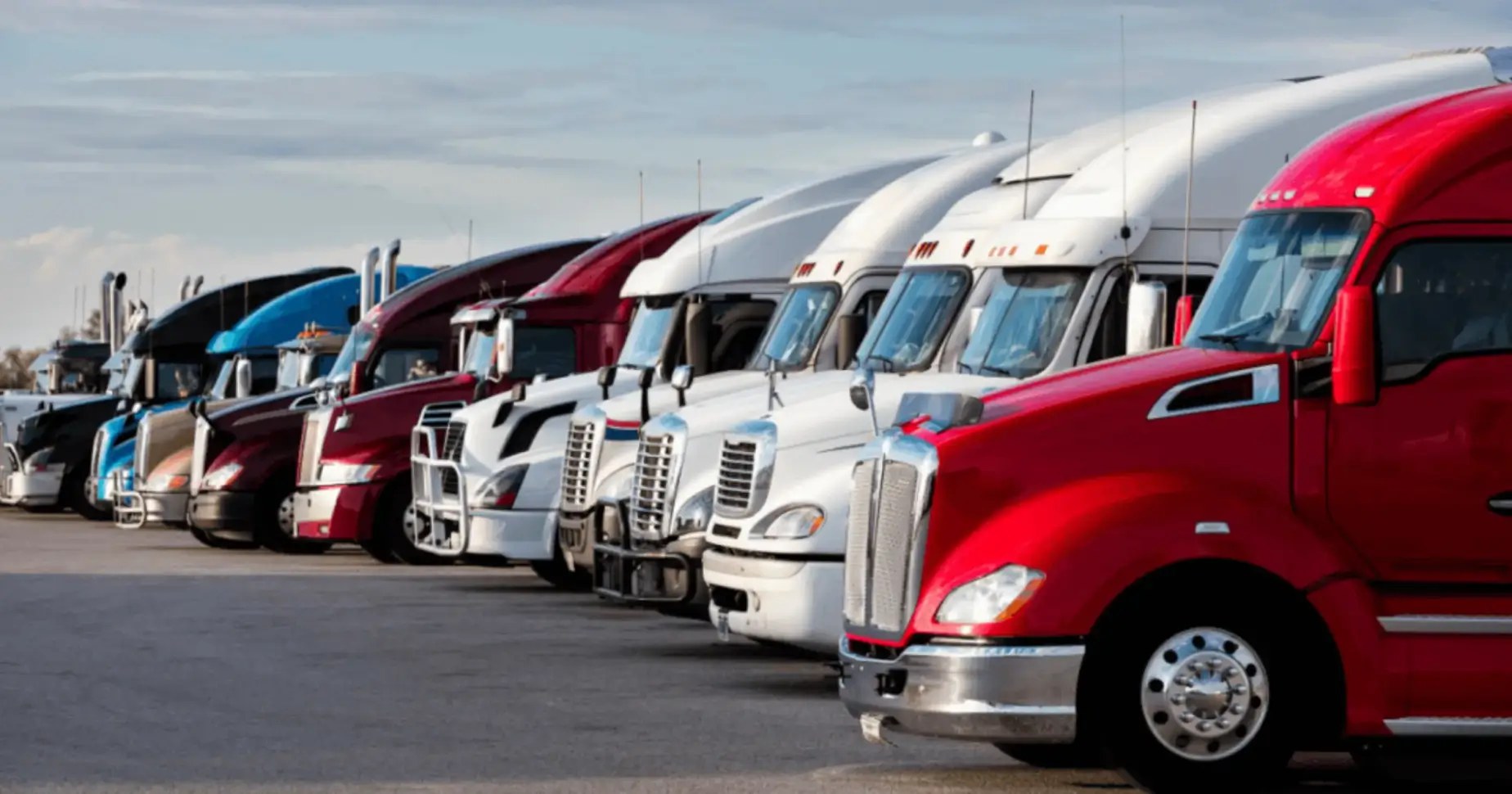
A truck runs dry on a back road. The driver’s stuck, the route’s blown, and somewhere a dispatcher is on the phone trying to figure out how bad this is going to get. That’s what running out of fuel actually looks like. Not a quick top-off. A chain reaction.
Here’s what this article covers: what actually happens when a fleet runs dry, what it costs in real dollars, and how the fleets that don’t have this problem set themselves up that way. If you run trucks for a living, this is worth ten minutes of your time.

What Happens When a Fleet Runs Out of Fuel
An empty tank doesn’t stay small. It spreads.
Immediate Effects on Operations
A stranded truck means a driver who isn’t moving and isn’t making you money. Delivery windows slip, and once one stop runs late, the rest of the route usually goes with it. Customers notice. Late shows up as a complaint, and enough complaints show up as a penalty clause or a lost contract.
Long-Term Impacts on Fleet Performance
The damage doesn’t end when the tank gets filled back up. Dispatch spends the next day rebuilding a schedule that should’ve run on its own. Running a tank bone dry can stress the fuel system, and that shows up later as a repair bill nobody budgeted for. And every minute a driver sits on the shoulder waiting on help is a minute of dead time you’re paying for either way.
The Real Costs of Fuel Shortages
Running out of fuel costs a lot more than the fuel itself. Here’s where the money actually goes.
Direct Costs
- Emergency fuel delivery fees, and they run higher than your normal fill
- Driver overtime, plus towing if the truck can’t be reached
- Repair costs from a fuel system that got run dry
Indirect Costs
- A client contract you lose because you missed too many windows
- Driver morale that takes a hit every time this happens
- A reputation problem that outlasts the incident by a long shot
Financial Snapshot Example
Here’s a number worth sitting with. A 20-truck fleet losing one hour of productivity per vehicle can run over $2,000 in labor and delivery penalties, before you’ve even paid for the fuel itself. Let that happen a few times a month and it’s quietly eating your margin.
Stop paying for fuel emergencies
Fuel Logic delivers to your yard or job site on a set schedule so your trucks start every shift full.
Why Fleets Run Out of Fuel
Most fuel shortages aren’t about a lack of fuel. They’re about a lack of knowing what’s in the tank.
Human Error and Manual Tracking
A refueling schedule built on memory or a paper log gets missed sooner or later. A manual tank reading is a guess, and a guess that’s off by a few gallons is exactly how a truck ends up empty on the highway.
Poor Fuel Management Systems
No automated low-fuel alert means nobody knows there’s a problem until the truck’s already stopped. No centralized tracking means your fuel data is scattered across texts, notebooks, and somebody’s memory, which is really the same as not having it.
Inconsistent Fuel Supply Access
Job sites out in the middle of nowhere don’t have a gas station down the road. Add gas shortages or supply crunches during peak season, and even a fleet that runs tight can get caught.
“Fuel shortages often occur not because of lack of fuel, but because of lack of visibility.”
Preventing Fuel Shortages in Fleet Operations
None of this takes a complicated fix. It takes knowing what you have and getting fuel to your trucks before the tank hits empty, not after.
Implement Real-Time Fuel Monitoring
Track consumption and tank levels remotely and you stop guessing at fleet fuel management. A low-fuel alert gives dispatch time to act before a driver’s calling in from the shoulder.
Partner With a Mobile Fueling Provider
On-site refueling means drivers never leave the route to chase down a gas station. Scheduled deliveries keep tanks full on a routine, so there’s no emergency run to make in the first place. That’s what mobile fuel delivery does. It turns fueling into something you don’t have to think about.
See if Fuel Logic covers your area
We schedule fuel delivery to fleets across 40+ states
no pump runs, no empty tanks.
Maintain Emergency Supply Protocols
Even with a good system running, keep a backup plan. Portable tanks or a backup generator on standby, and drivers who know what to do if they’re running low, covers you on the rare day it still happens.

How Fuel Logic Helps Fleets Avoid Downtime
Scheduled On-Site Fueling
Fleet fueling service brings fuel to the yard or job site daily or weekly. Trucks start the shift full. That’s the whole idea.
24/7 Emergency Fuel Delivery
Truck runs out anyway? Emergency fuel delivery gets it back on the road fast. No tow truck, no half-day wait.
Nationwide Coverage and Reliability
Diesel delivery and DEF supply run across major U.S. regions, from over-the-road trucks to locomotives, so a fleet running multiple states gets the same coverage everywhere. Check coverage in your area.
See how Fuel Logic’s mobile fueling service keeps fleets powered, no downtime required, whatever industry you run.
⚡ Key Takeaways
- One fuel outage can cost a fleet thousands in downtime and penalties.
- Preventing a shortage is cheaper than fixing one, every time.
- Regular fuel tracking and a delivery partner cut the risk down a lot.
- Fleet fueling services save drivers time and keep the schedule intact.
Frequently Asked Questions
What is the average cost of running out of fuel for a fleet?
It depends on fleet size and location, but one incident can run into the thousands once you count downtime, delivery penalties, towing, and the emergency fuel fee itself. A 20-truck fleet losing one hour per vehicle can lose over $2,000 before the fuel cost is even added.
How can I prevent fuel shortages in my fleet?
Put real-time fuel monitoring in place, set low-fuel alerts, and get a mobile fuel delivery provider on a schedule. Between the two, most of the guesswork that leads to an empty tank goes away.
What should I do if my vehicle runs out of fuel on the road?
Pull over safely, hazards on, and call for emergency fuel delivery. Don’t keep cranking the engine. That’s how you damage the fuel system on top of the problem you already have.
Does Fuel Logic provide emergency fuel delivery?
Yes. 24/7, and in most cases we can get a stranded vehicle fueled and moving again without a tow.
How often should I schedule fleet refueling?
Depends on route length, tank size, and daily mileage. Most fleets do fine on daily or weekly scheduled deliveries, backed by real-time monitoring so anything unusual gets flagged between fill-ups.
Running out of fuel is one of the few fleet problems you can just about eliminate.
Have more questions?
Contact Fuel Logic today for on-site or emergency fueling that keeps your trucks moving.
Running out of fuel is preventable.
Let’s set it up.
Fuel Logic offers scheduled fleet fueling and 24/7 emergency delivery nationwide.


