
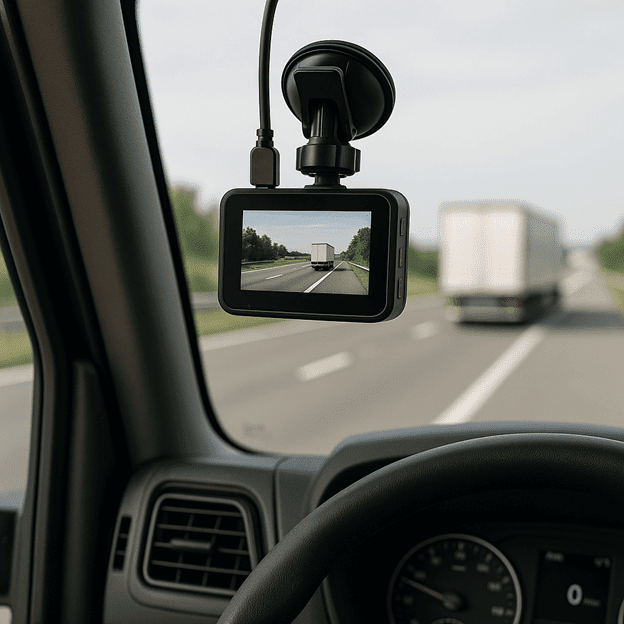
Dash cams have become crucial for fleet companies. They use this recording to verify parking incidents and defend against false claims. Some advanced fleet dash cam models can even detect risky driving behaviors and help managers track performance more accurately.

Now the highway regulations also require precise driving records and video evidence. Modern dash cams offer features like AI monitoring, cloud storage, and alerts, making them more reliable for daily fleet operations.
If you are a fleet manager or owner confused about selecting the right dash cam for the fleet, this blog explains the main factors and features of dash cams that can be crucial for the security of your fleet. These include camera quality, storage options, and monitoring features. Let’s get started!
How Does A Dash Cam Help You as A Fleet Manager?
Many operators report a massive drop in disputed claims once cameras are installed. Fleet dash cams improve driver accountability. Video makes unsafe actions evident, which allows managers to provide direct feedback and training. Footage also offers a reliable record after a crash.
Fleet dash cam demand may increase at a CAGR of 8.6% from 2024 to 2031. This growth shows the rising importance of integrated dash cam solutions.
What Features Should I Look For in A Dash Cam?
Every fleet company must know about the best fleet camera systems. Dash cams equipped with every crucial feature can enhance safety, protect against false claims, and simplify daily monitoring. This section breaks down the most important factors so you can understand what actually benefits your fleet operations.
Video Quality
A high-resolution fleet dash cam records road signs and license plates clearly. A wide-angle lens covers blind spots, and advanced sensors capture footage in motion or low light.
- Data Storage and Connectivity
Data storage and connectivity play an important role in the performance of fleet camera systems. Dash cams either use SD cards or cloud storage for keeping footage. Managers can easily see these video recordings online via LTE or WiFi.
- Installation and Compatibility
Select a dash cam that is easy to install and compatible with various vehicle types for use across your fleet. Integration with fleet management systems combines video with tracking and performance data for more efficient management.
Durability and Environmental Resilience
ADurability matters for fleet dash cams because they must perform reliably in all conditions. IP67-rated cameras resist heat, rain, dust, and snow. Their vandal-resistant design prevents damage, and vibration resistance keeps footage stable on rough roads.
Additional Functionalities
Fleet dash cams must include GPS tracking, live monitoring, and mobile apps to improve control and security. GPS tracks routes and live monitoring allows quick response to incidents. Mobile apps give instant access to notifications and recordings.
Different Types of Dashcams for Fleets
Here are some common types of commercial dash cams:
Single-Lens Dashcams
Single-lens dash cams are suitable for basic video recording. You can easily install them because they do not need extra wiring.
Dual-Lens Dashcams (Front and Rear)
Dual-lens dash cams can capture footage from the front and rear view. Drivers can use these dash cams to monitor tailgating and rear-end collisions.
Cloud-Connected Dashcams
Cloud-connected dash cams enable managers to track vehicles and monitor activity from any location. They also store footage online, so managers can review incidents anytime without using storage cards.
Integrated Fleet Management Dashcams
Integrated dash cams connect directly with fleet management systems. They share video, driving data, and performance updates with existing software.
Compliance and Legal Considerations
Every fleet owner must comply with legal regulations to ensure the protection of their fleet and drivers.
FMCSA Requirements
The FMCSA updated rules allow more space on commercial windshields for safety devices like dash cams. Previously, devices could not be mounted below 6 inches from the top. The 2016 exception allows dash cams, collision systems, and transponders to be installed within the wiper-swept area. The new rule permits mounting up to 8.5 inches below the top or 7 inches above the bottom of this area.
Driver Privacy Laws
In some states, fleets must get approval from road authorities before using dash cams on highways. Fleet managers obtain this consent and explain what the dash cams record, how long footage is stored, and who can access it.
Keep Your Fleet Running Without a Hitch
Fuel Logic ensures your vehicles are fueled, tracked, and protected—so you can focus on the road ahead.
📞 Need fuel now? Call us anytime, day or night:
Are Fleet Dash Cams Worth It?
Let’s compare the setup cost of commercial dash cams with their long-term benefits to see if investing makes sense:
Cost vs ROI
Installing fleet dash cams requires upfront costs for hardware, installation, and software. Prices vary by vehicle count and dash cam type. Despite this, dash cams offer clear benefits. Insurance providers also offer 5–15% discounts for fleets. This concession is for companies that use dash cams with GPS technology and also train their drivers in safety. AI-powered dash cams detect harsh acceleration, idling, and inefficient routes and send this data to fleet managers.
Installation and Maintenance Tips
These are a few best tips that you must follow to install and maintain your fleet dash cams:
- Avoid Obstructions
Avoid wiring errors or blocking the driver’s view to ensure safety and clear visibility.
- Update Firmware
Update firmware regularly to improve camera performance and security.
- Manage Storage
Schedule automatic footage deletion to follow privacy rules and manage storage.
- Check Camera Angles
Check camera angles after installation to record the full road and vehicle interior.
- Clean Lenses
Clean lenses to prevent blurry images and maintain high-quality recording.
- Inspect Connections
Inspect cables and connectors to make sure the connections do not get loose.
- Secure Cameras
Fix the cameras tightly to avoid vibrations that affect video quality.
- Use a Reliable Storage Device
Use the best storage cards to prevent data loss.
- Train Drivers
Train drivers on basic camera care to avoid accidental damage and extend lifespan.
Top Dashcam Models for Fleets in 2025
Here are some of the top dash cam models in 2025:
Garmin Dash Cam 67W

Features
The Garmin Dash Cam 67W uses a 180° wide lens to record multiple lanes and sides in HDR quality. You can control it with voice commands. Its Parking Guard and remote Live View features provide extra security.
Pros
- Voice commands.
- The 180° wide lens covers side lanes and blind spots.
- Compact and discreet design.
- HDR video for clear day and night footage.
Cons
- Live View needs constant Wi-Fi.
- The small touchscreen limits detailed playback.
Price
The price ranges from $210 to $260.
Samsara Dual-Facing AI Dash Cam

Features
The Samsara AI dash cam uses a wide-angle lens to record the road and driver activity. It detects unsafe behavior and provides in-cab coaching to improve performance. The system connects to the cloud, offering managers video proof to protect drivers from false claims.
Pros
- Records the road and driver activity
- Automatically uploads HD footage to the Samsara Cloud
- Offers cloud storage for easy access and updates
- Helps prevent false claims with video proof
Cons
- Higher upfront cost
- Needs stable internet for cloud syncing
- May raise privacy concerns among drivers
Price
Its price is between $50 and $70.
Nextbase 622GW 4K Dash Cam

Features
The Nextbase 622GW records 4K HD video and includes GPS tracking, Wi-Fi transfer, and Extreme Weather Mode. Long-haul drivers can also use its voice control and Intelligent Parking Mode.
Pros
- 4K video for sharp evidence
- Steady footage on rough roads
- Maintains clarity in rain or fog
- Slow motion for accident review
Cons
- Bulky design
- Higher cost
Price
Its price is about $400 to $550.
Aligning Dash Cam Features with Your Fleet’s Needs
A dash cam with basic features is suitable for small fleets. On the other hand, large fleets require extensive coverage, cloud storage, and advanced monitoring.
Initial costs can be high, but you can recover them through lower insurance premiums, fewer accident claims, and safer driving. However, you must ensure your dash cam follows all local, state, and federal regulations.
Expert Opinions & Industry Testimonials
A report by British dash cam maker Nextbase shows almost half of Australian drivers think dash cams should be mandatory, but only about a quarter have them installed. Legal expert Aidan Ricciardo notes that some drivers worry footage could be used against them. Whereas claims officer Ryan Tan says dash cams make him feel safer and record critical evidence.
The Police Service of Northern Ireland also uses dash cams and asks for public footage to identify suspects or witnesses. The global dash cam market was worth around USD 6.10 billion in 2024 and may grow to USD 29.77 billion by 2032.
⚡ Key Takeaways
- Dash cams improve safety and accountability by recording incidents, reducing false claims, and encouraging responsible driving across fleet operations.
- Key features to prioritize include high video resolution, wide-angle coverage, cloud connectivity, GPS tracking, and easy integration with fleet management systems.
- Durability and compliance matter — choose models that are weather-resistant, vibration-proof, and meet FMCSA regulations for proper mounting and driver privacy.
- Cost is balanced by ROI, as fleet dash cams can lower insurance premiums, reduce disputes, and improve operational efficiency over time.
- Proper setup and maintenance—such as regular firmware updates, clean lenses, and secure installations—extend the dash cam’s lifespan and ensure consistent performance.
Frequently Asked Questions
Do you really need a 4K dash cam for your fleets?
A 4K dash cam captures detailed footage and small visual elements that can help during accident reviews or dispute cases. However, full HD is perfect for most fleet operations because it does not need extra storage and is also less expensive.
What is the downside of a dashcam?
Managing data storage can be difficult, especially for large fleets. Privacy may be a concern if footage records drivers or sensitive locations. Furthermore, the upfront cost for purchasing and installing dash cams is also high.
What to look out for when buying a dash cam for your fleet?
Buy a dash cam with excellent video resolution for clear footage. You also need reliable connectivity to access videos easily. Make sure the dash cam is user-friendly so drivers can use it easily. It should also integrate with your existing fleet systems to improve monitoring and reporting.
How much should I spend on a dash cam?
You can plan your dash cam budget by looking at your fleet size and the features each vehicle needs. Make sure to purchase a good system because it will eventually help reduce accidents, lower liability, and save money in the long run.
What is the best setting for a fleet dash cam?
Set your dash cam to high resolution and choose a broad field of view so it covers the road and surroundings. You can use loop recording or cloud storage to manage data.
Is it worth getting a front and rear dash cam?
Yes, a front and rear dash cam offers more complete coverage for your fleet. It records incidents from both directions and provides evidence in case of accidents or disputes. However, its cost is higher compared to a single-camera system.
Never Miss a Delivery Again
With Fuel Logic’s 24/7 on-site fueling, your fleet stays on schedule guaranteed.
Count on Fuel Logic for Safe Fleet Fueling
Fuel Logic prioritizes safety in every fuel delivery service. Our trained team follows proper fueling steps to avoid spills, fire hazards, and other site dangers.
We provide bulk diesel delivery services and diesel exhaust fluid in multiple states across the US.
You can also visit our FAQ section to get answers to your common questions.
Contact Fuel Logic to order fuel today and get expert advice on managing fuel for your fleet efficiently.


