

Fuel Logic Blog
A Resource For Business, Fuel Managers And Fleet Managers
-

Fuel Logic Ribbon Cutting Recap: A Midlothian Welcome We’ll Never Forget
Fuel Logic celebrated its Midlothian, Texas expansion with a ribbon-cutting event that included the Midlothian Chamber of Commerce and local business owners. The ceremony was livestreamed, concluded with a ribbon-cutting, and enabled Fuel Logic to share details about its services. What we thought would be a small, simple ribbon-cutting turned into one of the most…
-

The Fuel Logic Team Christmas Party 2025
Keeping Fuel Logic moving forward all year isn’t just about hitting deadlines or keeping customers happy. It requires a team, and real people working towards the goal, day after day. We go to great lengths to celebrate our team, and the Fuel Logic Team Christmas Party is not just another day on the calendar for…
-

Top 10 US Cities With Fuel Efficient Vehicles
San Francisco, Madison, and Monterey rank among the top U.S. cities for fuel-efficient vehicles due to high adoption of hybrid and electric vehicles. California cities dominate the rankings because of strong EV infrastructure, environmental policies, and higher ownership rates of vehicles achieving 30+ MPG or high MPGe ratings. Efficiency in fuel consumption is much more…
-
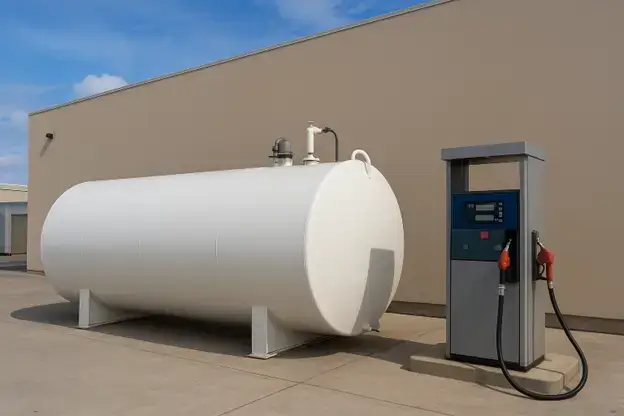
How Much Does a Fuel Tank Cost?
In 2024, the fuel tank market reached almost USD 19.55 billion and is projected to increase to USD 29.33 billion by 2032. Small portable tanks cost between $300 and $2,000, while larger stationary above-ground tanks range from $1,000 to $5,000. The rise shows how much the world depends on safe and steady fuel storage. But,…
-
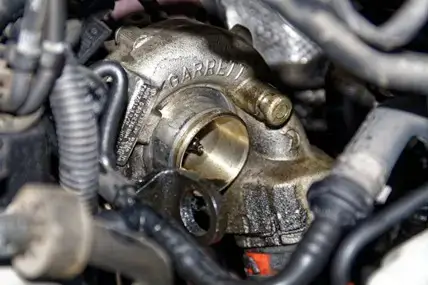
What Is a Runaway Diesel Engine
A runaway diesel engine occurs when a diesel engine uncontrollably speeds up past its safe limits by ingesting extra fuel or flammable vapors that are not managed by its normal fuel system, causing it to burn its own oil or other external vapors. This can ruin the engine in seconds, potentially causing fires, explosions, and…
-
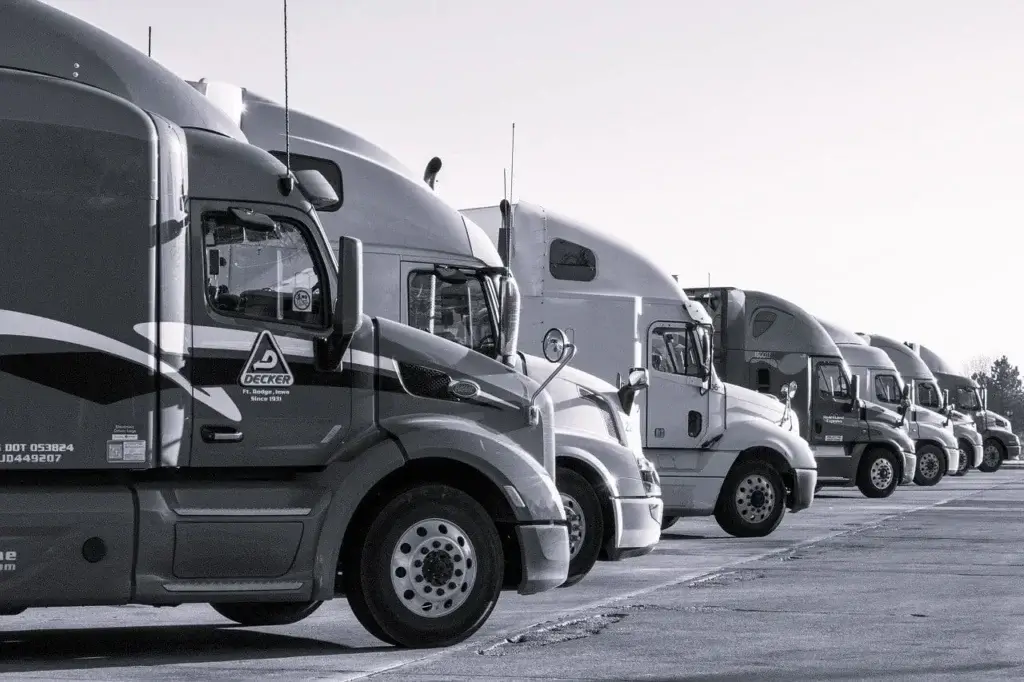
Fuel Usage & Carbon Footprint of U.S. Fleets
U.S. transportation was the largest source of greenhouse gases in 2022, contributing 28% of all emissions. In 2023, approximately 80% of transportation-related CO₂ emissions came from burning diesel and gasoline. The EPA’s regulations aim to reduce heavy-duty truck and bus greenhouse gas emissions by up to one billion tons by 2032 through standards rolling out…
-

Cut Construction Costs with Mobile Fueling
Mobile fueling mitigates construction costs by minimizing refueling downtime, boosting productivity, preventing fuel theft, and reducing labor and administrative expenses through on-site service and digital tracking as of December 2025. It also ensures compliance with OSHA, EPA, and NFPA safety regulations. Fuel inefficiencies go under the radar on construction sites, though they consume time and…
-
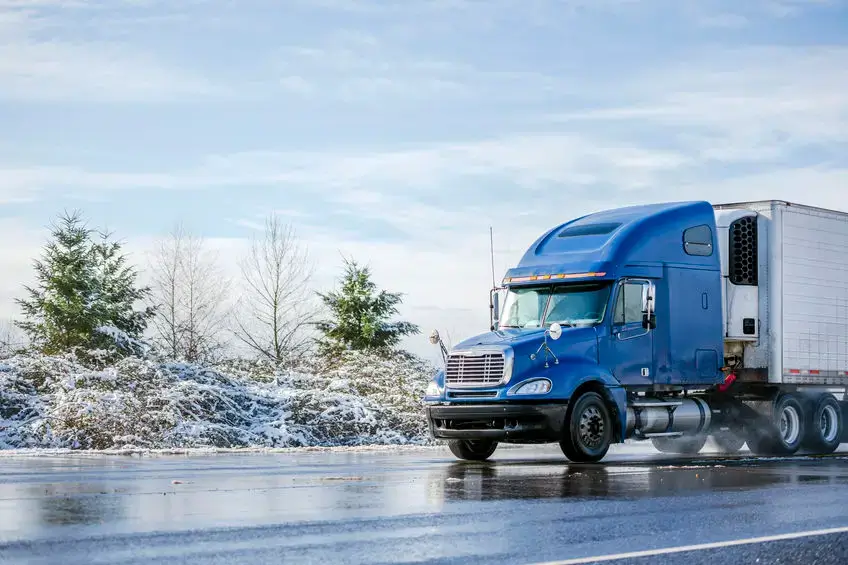
Fuel Logic Offers 24/7 Fuel Hauling Services Nationwide
Fuel Logic offers 24/7 on-site fuel delivery across all states, supplying diesel, gas, and DEF to fleets, job sites, and equipment, which includes regular diesel, dyed diesel, gasoline, and Diesel Exhaust Fluid. This service aims to cut downtime and boost operational efficiency for industries like construction, transportation, and emergency services. In logistics, downtime hits your…
-
Which Truck is the Most Fuel Efficient
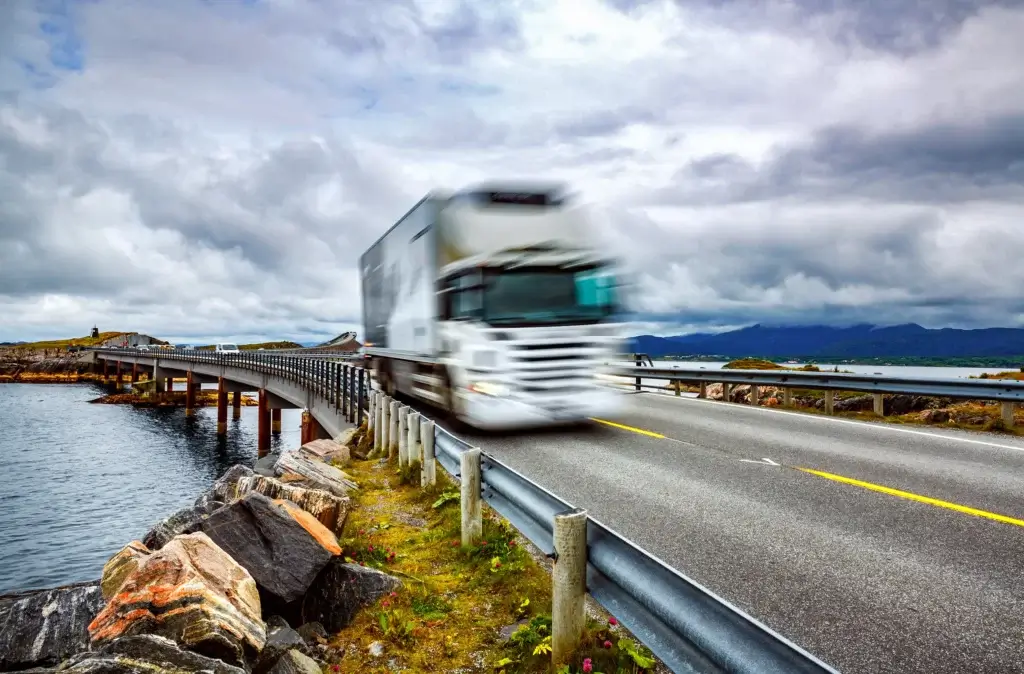
The Ford Maverick Hybrid leads in fuel efficiency among top trucks, achieving up to 38 MPG overall with its 2.5-liter engine in the FWD version, while the Toyota Tacoma Hybrid offers around 24 MPG overall and the Chevrolet Silverado 1500 Diesel reaches 26 MPG combined. The cost of fuel always takes centre stage among the…
-
Why Invest in a Mobile Fuel Tank Today
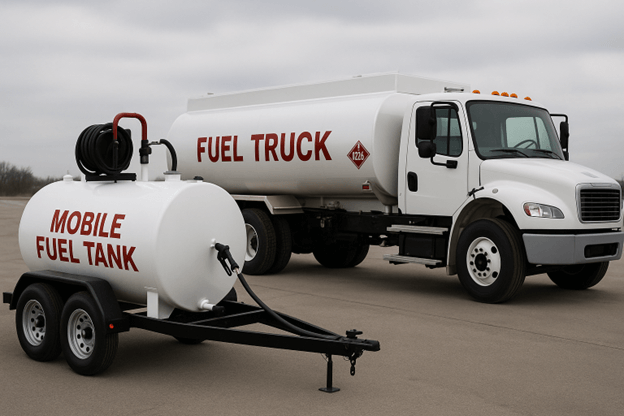
Investing in a mobile fuel tank today provides on-site refueling convenience, cost savings, and operational efficiency. It also offers flexibility for industries like construction, agriculture, logistics, and emergency services by reducing downtime and enabling bulk fuel purchases. Construction, logistics, and agriculture industries use fuel in bulk to carry out their operations consistently. A shortage of…
Need a Fuel Delivery Today?
Fuels Types & Diesel Additives
We Deliver Nationwide
- Diesel
- Gasoline
- Dyed Diesel
- DEF (Diesel Exhaust Fluid)
Schedule your fuel delivery today
Latests Articles
- Common Fuel Management Mistakes That Drain Budgets
- What Every Fleet Manager Should Know About Fuel Contracts
- How to Choose Between Fuel Cards and Mobile Fueling
- The Real Cost of Running Out of Fuel for Fleets
- Fuel Tank Management: Best Practices for Fleet Owners
- What to Know Before Setting Up Your Own Fuel Storage System
- HVAC Fleets Lose Hours Weekly on Fuel Stops
- Why HVAC Fleets Struggle During Heat Waves
Categories
- Bulk Fuel Articles (9)
- Business (4)
- Construction (6)
- Diesel (31)
- Diesel Exhaust Fluid (13)
- Diesel Gelling (6)
- Dyed Diesel (5)
- Emergency Fuel Delivery (13)
- Event Fueling (3)
- Fleet (37)
- Fleet card (4)
- Fuel Cost (10)
- Fuel delivery (30)
- Fuel Estimator (2)
- Fuel Management (24)
- Fuel Polishing (2)
- Fuel Safety (7)
- Fuel Tank (28)
- Fuel Types (8)
- Gasoline (13)
- Generator (18)
- Intangible Costs (3)
- Off-road diesel (8)
- Our Culture (2)
- Reefer Trailers (6)
- Stories From the Road (6)