
No one would like to be stuck along the road due to a lack of fuel, and this is very true when time is of the essence. In transportation, construction, or agriculture, retaining vehicles operational is not just nice to have. It’s the whole game. That’s where auxiliary fuel tanks are required. They give your fleet more range and cut down on refueling time, so your crew can continue with their job.
In this post, we’ll discuss how an auxiliary fuel tank functions, what makes it so useful, and what you need to know about its regulatory compliance and maintenance. You’ll also know how pairing an auxiliary tank with mobile fuel delivery or fleet fueling services can save you even more time and trouble.

What Is an Auxiliary Fuel Tank?
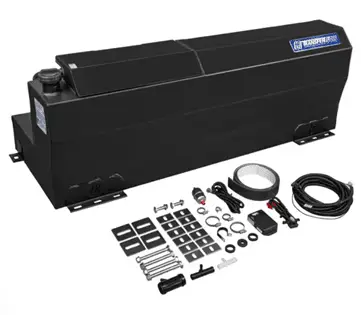
An auxiliary fuel tank refers to an additional tank that is fitted into a vehicle to extend its fuel capacity. It is primarily used to allow the vehicle to cover a lot longer area without the need for constant refueling. This is useful on long journeys or in remote localities where there may not be so many gas stations. In addition, it is directly linked to the fuel management system of the vehicle and feeds its engine as well.
Auxiliary fuel tanks are frequently used in long-haul trucks, RVs, off-road vehicles, and fleet or emergency vehicles. Whereas a fuel transfer tank is like a portable fuel station that stashes diesel or gas for filling other vehicles or equipment.
But evaluate your specific needs to decide if an auxiliary tank is a smart investment. For dependable auxiliary fuel solutions and expert guidance, contact Fuel Logic today. You can maximize your auxiliary fuel storage and reduce frequent deliveries with flexible scheduling. So, you get the fuel you need, exactly when you need it.
How Does an Auxiliary Fuel Tank Work?
An auxiliary fuel tank can be installed in the truck bed, beneath the vehicle, or in unused spaces. Its job is to send fuel to the main tank or engine, either automatically or manually. Automatic systems employ an electric pump with sensors to move fuel when the main tank is low and stop when it’s full. So, the driver doesn’t need to do anything. While manual systems let the driver control fuel transfer with a dashboard switch and monitor the gauge to avoid overfilling.

Types of Auxiliary Fuel Tanks
The kind of auxiliary fuel tank you need is determined by the vehicle usage and the available space between the fuel tank and the cargo area. The most popular three auxiliary tanks used in vehicles are listed below:
In-Bed Auxiliary Tanks
These rectangular or custom-shaped tanks mount at the front of a pickup bed. They’re popular for their large fuel capacity, easy installation, and simple maintenance. While they use some bed space, they’re ideal for work, farm, or off-road trucks where extra fuel matters more than cargo room.
Underbody Auxiliary Tanks
These tanks are mounted beneath the vehicle between the frame rails. They save bed space, resist damage, and are made from strong, rust-resistant materials like aluminum or polyethylene. Installation is more complex since they must be securely mounted with correctly routed fuel lines. Underbody tanks are ideal for RVs, work trucks, and long-haul vehicles needing extra fuel without changing the truck’s look or bed space.
Custom-Built Tanks
These custom-built tanks are designed for vehicles or spaces where standard tanks won’t fit. Made from materials like aluminum or stainless steel, they maximize fuel capacity in tight spots such as spare tire wells, off-road bumpers, or race car frames.
Though more expensive and time-consuming to make, they’re ideal for specialized vehicles like race cars, military units, and custom overland or fleet setups needing a precise fit and top performance.
Benefits of Using an Auxiliary Fuel Tank
An auxiliary fuel tank offers major advantages for travel and work. It extends driving range, reducing fuel stops, which is great for long trips, off-road travel, or remote areas. The tank can also save money by letting you refuel where prices are lower. For businesses, it boosts efficiency by cutting refueling time, improving route planning, and keeping vehicles on schedule. It also ascertains a dependable fuel supply for emergencies or equipment in remote locations.

DOT Regulations for Auxiliary Fuel Tanks
The Department of Transportation (DOT) doesn’t directly “approve” auxiliary fuel tanks but requires them to meet Federal Motor Vehicle Safety Standards (FMVSS), especially FMVSS No. 301 for fuel system integrity. A compliant tank must have a label showing it meets this standard and list its fuel capacity in U.S. gallons. Safety rules for auxiliary tanks are found in 49 CFR 393.65, 49 CFR 393.67, and 49 CFR 571.301.
Tanks must be made of steel or aluminum, with welded or brazed joints, proper venting, and fire resistance for tanks over 25 gallons. They also need fittings using Dryseal Standard or SAE Short Taper Pipe Threads. The tanks must have drains less than ¾ inch below the tank, internal baffles, and must be securely mounted behind the front axle. They must be grounded, protected from leaks and rollovers, and cannot use gravity or siphon feeds.
Labels must include the manufacturer’s name, location, date, and certification, plus a warning not to fill past 95%. Diesel tanks need leak and vent testing, and side-mounted ones require impact tests. During tests, a full tank (at 50–80°F) tilted 150° must not leak more than 1 ounce per minute.
While fill pipes must have secure caps and use grounded, automatic shut-off nozzles. Refueling tanks need DOT Permit SP-11911 and must be retested every 2½ years under 49 CFR 180.352. Commercial vehicles must follow FMCSA Part 393.67, while non-commercial vehicles under 10,000 lbs must meet FMVSS 301 standards.

Selecting the Right Auxiliary Fuel Tank
To select an appropriately sized and material auxiliary fuel tank, pick the one that fits your automobile’s needs for safety, size, and material. It should also adhere to DOT and FMVSS standards. Begin matching the tank material to the type of fuel your vehicle utilizes:
- Diesel: Functions with polyethylene (XLPE), aluminum, or coated steel.
- Gasoline/Ethanol (E10, E15): Requires tanks compatible with them; they should not be made of steel, as it rusts away.
- DEF: DEF is neutral to stainless steel or special polyethylene due to the corrosion of aluminum and other metals.
Next, pick the right auxiliary tank size carefully. Since one gallon of fuel weighs about 7.1 lbs, a 100-gallon tank adds over 700 lbs. Also, make sure the tank fits without blocking other parts. Moreover, steel tanks are strong but heavy and can rust. Aluminum is light and rust-resistant, while polyethylene is lightweight and rustproof but not always safe for gasoline.
Vehicle-specific kits are easier and safer to install than universal ones, which may need adjustments. However, before buying, check the fuel type, FMVSS 301 compliance, tank size, weight, and material quality. Always buy from a trusted manufacturer for safety and durability.
Maintenance Tips for Auxiliary Fuel Tanks
Regular maintenance keeps your auxiliary fuel tank safe, dependable, and DOT-compliant. Inspect it monthly, during oil changes, and before long trips. Look for leaks, rust, fuel smells, cracks, or loose fittings, and repair or replace any damaged parts.
Make sure the tank is secure, the vent line is clear, and the fuel cap seals properly. Drain water and debris, replace filters when needed, and have the tank cleaned if sludge or algae appear. In cold weather, use anti-gel additives or winter diesel and keep the tank full to prevent freezing. Employ biocides to stop microbial growth and a stabilizer for long-term fuel storage.

Safety and Regulatory Considerations
An auxiliary fuel tank must be properly installed and maintained to be safe and legal. It should be securely mounted with the right hardware so it doesn’t move during sudden stops or accidents, and kept clear of exhaust parts or sharp edges. The tank also needs proper venting and pressure sensor checking to prevent spills and removing any signs of failing tank pressure. The vent line should slope upward, include a rollover valve to stop leaks in accidents, and have a cap to keep out water and debris.
In addition, auxiliary tanks must meet DOT standards, be made from strong, fuel-safe materials like coated steel, aluminum, or certified plastic, and have durable seams and welds. Each tank should have clear labels showing capacity, material, and safety warnings (FMVSS 301). Also, always carry a spill kit with pads, gloves, and bags. If a leak happens, contain it, stop the flow, and report any major spills.
Is an Auxiliary Fuel Tank Right for You?
Picking an auxiliary fuel tank isn’t just about carrying extra fuel. It must also suit your vehicle’s capacity and needs. A 60-gallon tank adds over 400 lbs, so it must stay within your vehicle’s payload and GVWR limits and meet DOT safety rules.
Also, compare the costs and benefits. Tanks and installation can cost $500–$2,500, with extras around $200–$800. If the auxiliary tank helps you save time, reduce fuel stops, cut costs, and ease long-distance travel, it can be a worthwhile investment.
⚡ Key Takeaways
- Mobile fuel tanks enhance operational efficiency by providing on-site fuel delivery, allowing industries like construction, agriculture, logistics, and emergency services to avoid downtime caused by fuel shortages.
- Cost savings are significant because businesses can purchase fuel in bulk at lower prices and reduce transportation and equipment wear costs associated with frequent trips to fuel stations.
- Flexibility in fuel delivery supports remote and changing work locations, especially critical for industries with mobile operations such as farming and construction projects.
- Safety and compliance with regulations (EPA, OSHA, DOT) are crucial when selecting and maintaining mobile fuel tanks to prevent leaks, contamination, and environmental damage, ensuring lawful and safe fuel handling.
Frequenly Asked Questions
Can I install an auxiliary fuel tank myself?
Yes, you can install an auxiliary fuel tank yourself, but it requires careful work and safety. You must securely mount the tank, connect the fuel line, avoid damaging other parts, and follow all manufacturer and legal guidelines.
Are auxiliary fuel tanks legal in all states?
Auxiliary fuel tanks are legal in all US states but must meet federal and state rules. Federal rules come from the DOT, EPA, and CARB, while states may limit fuel amount, routes, or require training and insurance. For example, California needs vapor recovery and spill kits, and New York and New Jersey require route permits.
How do I maintain an auxiliary fuel tank?
Check the tank and mounts for leaks, rust, or damage, and clean it regularly. Employ fuel cleaners, replace filters, use fresh fuel, and avoid letting fuel sit too long. For steel tanks, treat rust and dry the tank after cleaning to prevent water contamination.
Need Reliable On-Site Fueling?
Keep your fleet powered with fast, nationwide diesel delivery.
Reach Out to Fuel Logic For Mobile Refueling and Fuel Management
Auxiliary fuel tanks make managing fuel easier by providing extra storage and reducing the need for frequent stops. For businesses that rely on diesel, petrol, DEF, or generator gas tank fuel, you need a fast, dependable mobile fuel delivery to save even more time.
Fuel Logic saves time and labor by delivering fuel directly to your job site or remote areas, letting your employees focus on other tasks.
Our scheduled and flexible deliveries guarantee your fleet never runs out of gas.
Fuel Logic also helps maximize storage, provide detailed usage and cost reports, and manage fuel safely. We also simplify fuel management with one fuel manager, one partner, and one invoice for all your locations.
Call Fuel Logic for mobile refueling or order diesel delivery today for your auxiliary tanks.




