
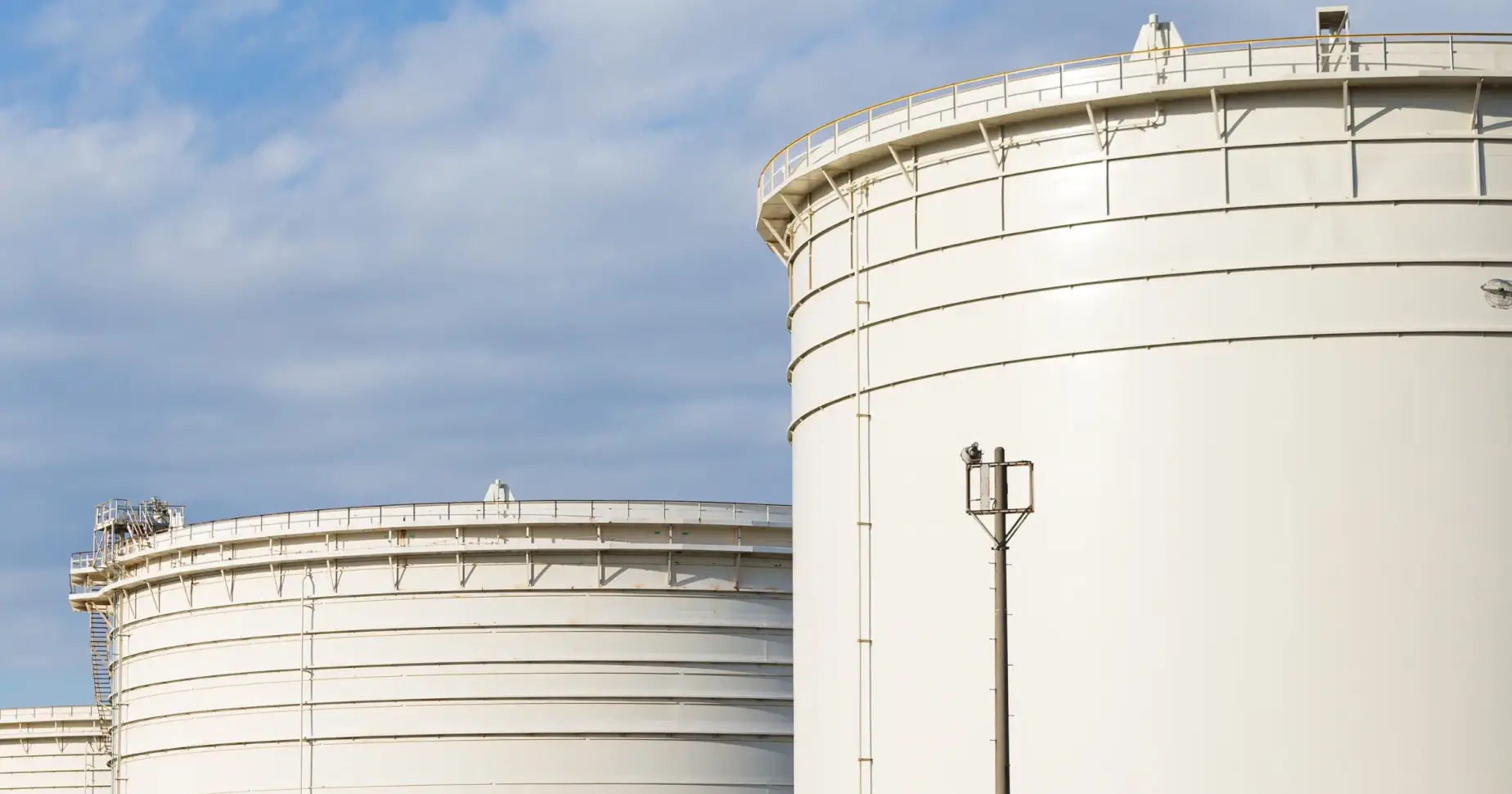
High fuel expenses and periodic refueling can lag farming, construction, and fleet operations. Having a fuel storage system in place can help equipment operate flawlessly, minimize downtime, and guarantee diesel is on hand when it’s required. If you want to create your own storage system, there is more to it than picking fuel tanks.
Additionally, you should take into account the proper tank dimensions, safety guidelines, ecological needs, and periodic maintenance to guarantee that the system remains safe and compliant. In this guide, you’ll see everything you need to know about installing a fuel storage system, from choosing the right tank to safety compliance and maintenance. You will also learn how an alliance with a fuel supplier, such as Fuel Logic, can help you maintain dependable fuel management.
Understanding Fuel Storage Systems
Let’s start by looking at what a fuel storage system includes and where it is frequently used to help you make better installation decisions:
What a Fuel Storage System Includes
A fuel storage system is a system that safely stores and dispenses diesel, and prevents fuel leaks and environmental damage. It consists of the following main components:
- Tanks: Tanks store the fuel. These can be above-ground tanks (ASTs), underground tanks (USTs), or portable/mobile tanks for temporary or transport use.
- Pumps, Filters, and Hoses: Fuel is transported by pumps. Dirt and pollutants are removed by filters, and diesel is delivered to vehicles or equipment through hoses.
- Secondary Containment and Spill Kits: Double-walled or bunded tanks and spill kits are additional options to halt small gasoline leaks from contacting the ground or other surfaces.
- Monitoring and Alarm Systems: These help increase safety and fuel management by spotting leaks, monitoring diesel levels, and preventing overfilling.
Common Uses
Fuel storage systems are used in many industries, such as the following, to provide a dependable fuel supply:
- Fleet Fueling: On-site fuel tanks are available for companies to quickly fill up trucks and vehicles.
- Agriculture and Construction: Portable fuel tanks and fuel storage tanks are utilized in construction and agriculture to operate equipment and machines in distant places.
- Backup Power: Hospitals, data centers, and other crucial infrastructure need diesel to make sure their backup generators will keep operating should the power go out.

Key Factors Before Installation
Before installing a fuel storage system, there are a few important factors to consider:
Tank Type and Material
The right gas tank contributes to its durability, safety, and maintenance. Here’s how:
1. Steel vs Polyethylene (HDPE) Tanks
Steel tanks are durable, well-suited for large fuel storage, and will last for 30 years if properly maintained. Though, they are heavy, and subject to rusting and can contaminate fuel.
But polyethylene (HDPE) tanks weigh less, don’t rust, and can last up to twenty years. Coming with a perfect design, they reduce the possibility of leaks or condensation. They are constrained, though, at 1,700 gallons.
2. Single-Wall vs. Double-Wall Tanks
Single-wall tanks possess one wall and need a separate secondary containment system (such as a dike or catch basin) to catch leaks from the tank. Whereas double-wall tanks have two layers with a monitored space between them to detect leaks. Many also offer built-in secondary containment, with an outer wall capable of holding at least 110% of the inner tank’s capacity.
3. Above-Ground vs. Underground Tanks
ASTs can be installed more easily and at a lower expense, are simple to examine and maintain, and can be easily moved. They are, however, occupying surface area and are more vulnerable to the weather and damage.
USTs are more suitable for high-performance, high-volume usage over an extended period of time. Although they are cheaper, they are not as easy to seal against leaks and take up more space. They are also protected from the weather and save space.
Capacity and Space
Select a fuel tank size according to your requirements for diesel fuel. A too-small tank requires regular refueling, and a too-large one results in higher fuel degradation risk and expenses. Estimate your fuel use and add a 20–30% safety buffer when selecting a tank.
Tanks must also meet setback requirements that vary with tank size and local fire codes. For instance, ASTs could require a minimum distance of 25 ft from buildings and 50 ft from property lines. Whereas USTs may need a minimum distance of 20 ft from buildings and 50 ft from property lines.
Compliance and Permits
Avoid penalties and environmental risks by installing a fuel storage system that complies with local rules. The fire marshal and other municipal agencies may need to give their clearance. Generally speaking, an SPCC plan is needed.
Lest a leak contaminate navigational waterways, this plan is necessary for facilities with more than 1,320 gallons of above-ground storage or 42,000 gallons of underground storage. The plan should include spill prevention and cleanup measures, and records of inspections, maintenance, and employee training.

Prefer to skip the permitting process altogether?
Fuel Logic’s on-demand delivery puts diesel at your site without the overhead of owning and maintaining a storage system.
Safety and Maintenance Essentials
After your fuel storage system is in place, routine inspections and maintenance are crucial to ensure it continues to function safely, productively, and in compliance with regulations:
Fire Safety and Ventilation
Fuel storage and safety management are paramount. Storage areas should be kept clear of fire, sparks, unsafe electrical equipment, and smoking and should be well ventilated to minimize accumulation of fuel vapors.
To avert static electricity, grounding and bonding are employed during fuel transfer. This connects tanks, hoses, and vehicles and guarantees that any static charge is safely discharged without sparking.
Leak and Corrosion Prevention
Periodic examinations and upkeep are important for diesel storage tanks. They should be examined periodically for leakage, damage, and operation, and cleaned and tested prior to any repairs to prevent financial losses, environmental risks, and penalties.
Cathodic protection (CP) is a method used with underground steel tanks to reduce corrosion by using sacrificial anodes or electrical systems. Design and monitoring of CP are guided by standards like API 651 and AMPP SP0193. When used with rust inhibitors or protective coatings, CP can significantly extend a tank’s service life and help prevent expensive failures.
Fuel Quality Management
Good diesel quality is crucial to stop engine trouble, particularly in backup systems. Keep fuel storage tanks as full as you can to lower air and moisture exposure, and halt rust, water buildup, and microbial development.
Employ filters or water separators to remove sludge, water, and dirt. Also, periodically evaluate fuel for contamination and stability, and use diesel polishing to eradicate impurities and guarantee dependable performance.

Setting Up the System Step-by-Step
Once you’ve thought about how you’re going to store fuel, here are the steps to take to set it up safely and guarantee it functions properly:
Step 1: Evaluate Site and Fuel Needs
Assess fuel consumption and select tank size according to peak fuel consumption and frequency of delivery, with a 20–30% margin of safety. Evaluate environmental risks, particularly to groundwater, and situate the tank in a safe, accessible area at least 50 feet from job sites.
Step 2: Pick the Tank
Select a steel or polyethylene tank, and pick between a single-walled or double-walled type. Particularly, double-walled tanks are the preferred option for environmental protection. They come with a built-in secondary containment.
Step 3: Obtain Permits
Secure all required local and environmental permits before installation. An SPCC Plan may also be required for facilities that store more than 1,320 gallons of aboveground oil, which can come into contact with navigable waters.
Step 4: Install the Fuel Storage System
Install the tank, piping, and secondary containment in accordance with regulations. Examine for leaks in the system and the piping prior to backfilling or placing the system in service.
Step 5: Perform the First Fuel Fill
Get diesel from a certified supplier, examine for fuel line leaks, and remove air from them to guarantee proper system operation.
Need a certified supplier for your first fill — or every fill after?
Fuel Logic delivers on-road diesel, off-road dyed diesel and DEF directly to bulk storage tanks across 70+ cities.
Step 6: Examine and Maintain Systematically
Periodically scrutinize diesel tanks for leaks, and examine hoses, pumps, filters, and spill-containment problems. Also, conduct a detailed annual evaluation of the tank and electrical systems, leak detection, fuel quality and microbial growth to guarantee safety and dependability.

Common Mistakes to Avoid
Potential operational and safety problems associated with fuel tanks include:
- Skipping Permits and Approvals: Failure to obtain and install a fuel system with the necessary permits may result in fines, legal action, and safety hazards. Official approval may be required even for the replacement of equipment, such as dispensers.
- Mixing Fuel Types: Fuel types should not be mixed. This can trigger sludge formation, which can clog filters and damage engines. Therefore, fully clean tanks prior to changing fuels.
- Failure to Use Spill Control: Containment is necessary. Otherwise, even minor spills can result in significant environmental damage. Good containment systems help control spills.
- Disregarding Water and Microbial Growth: Water in fuel can enable the development of bacteria, fungi, and sludge, as well as corrosion, which impacts fuel quality. These problems can be avoided by periodic examinations and maintenance.
Partnering With a Trusted Supplier
Partnering with a credible fuel supplier minimizes compliance issues because they abide by fuel storage, management, and transport regulations. This also reduces the requirement for permits, inspections, maintenance, insurance, and employee training management.
A supplier like Fuel Logic serves mobile diesel, gasoline, and DEF directly to storage tanks, equipment, and vehicles, curtailing downtime. We also deliver fuel periodically, and in emergencies, to maintain consistent diesel levels and operations.
Planning a new fuel storage setup? Our Fuel Logic team can assist you in choosing the appropriate delivery timeframe and fuel type.
Skip the storage headaches
Fuel Logic delivers diesel, gasoline, and DEF directly to your tanks and equipment — nationwide, on your schedule, no long-term contracts.
⚡ Key Takeaways
- A fuel storage system should be selected based on the required fuel type, storage capacity, and available space.
- Complying with licensing and safety regulations is critical to minimize the risk of fines, leaks, and environmental damage.
- Conducting periodic inspections for water accumulation, contamination, and microbial growth is important to maintain fuel quality.
- Performing periodic maintenance is critical for detecting leaks, preventing corrosion, and extending the storage tank’s service life.
- Partnering with a reputable fuel supplier, such as Fuel Logic, provides dependable fuel delivery, regulatory compliance, and productive fuel management.
Frequently Asked Questions
1. Do I need a permit for an above-ground fuel tank?
Yes. Usually, a license is required to install an above-ground gasoline tank, especially if it holds 60 gallons or more of explosive or flammable diesel. Though requirements vary by region.
2. How do I keep stored fuel from going bad?
Preventing oxidation, water buildup, and microbial growth in the stored diesel helps maintain suitable fuel quality. Employing a fuel stabilizer, maintaining the diesel tank full to minimize condensation, and periodically draining the tank helps as well. Add a biocide to the fuel to raise its quality when microbial sludge forms.
3. What’s the safest location for a fuel tank?
A fuel tank should be placed in a safe area that abides by fire safety regulations. Above-ground tanks are to be kept at least 25 feet away from combustible materials and 50 feet from property. The chosen site should also have easy access to diesel and leak-deterrence measures to prevent contamination of water sources.
4. How often should I inspect my tank?
Fuel storage systems should be evaluated periodically. Examine leaks, damage, and dirt every week or month. Grounding should be checked monthly and tested annually. A full system inspection should also be done yearly. Furthermore, a detailed internal tank evaluation is usually needed every 5–10 years, depending on the tank’s condition and age.
5. Can Fuel Logic deliver directly to storage tanks?
Yes. Fuel Logic provides fuel directly to bulk storage tanks, job sites, and equipment. They provide on-demand, on-schedule, emergency, and bulk fuel delivery, guaranteeing businesses can maintain a dependable fuel supply without having to go to the fuel station.
Partner With Fuel Logic to Manage Your Fuel Storage
With the right fuel partner, it’s simpler to set up a fuel storage system. Fuel Logic provides mobile diesel, gasoline, and DEF delivery around the clock, assisting in consistent operations for fleets, machinery, and bulk storage tanks. Our no-long-term contracts, national service, and reasonable rates allow you to access diesel whenever and wherever you want.
Have more questions?
Contact Fuel Logic today to orderfuel delivery or DEF for your fleet or storage tank, or speak with one of our fuel experts.



