

Fuel delivery
From the Blog
-

Storm Cleanup Is Increasing Landscaping Fuel Demand
Storm cleanup activities significantly increase landscaping fuel demand due to longer operating hours for heavy equipment like loaders and dump trucks, which can work 10–12 hours daily, causing a 30-40% increase in fuel expenses and making mobile fueling crucial for continued operations. Landscaping and debris removal companies experience sudden shifts from normal to storm-related activities…
-
Why Fuel Availability Matters for Your Business
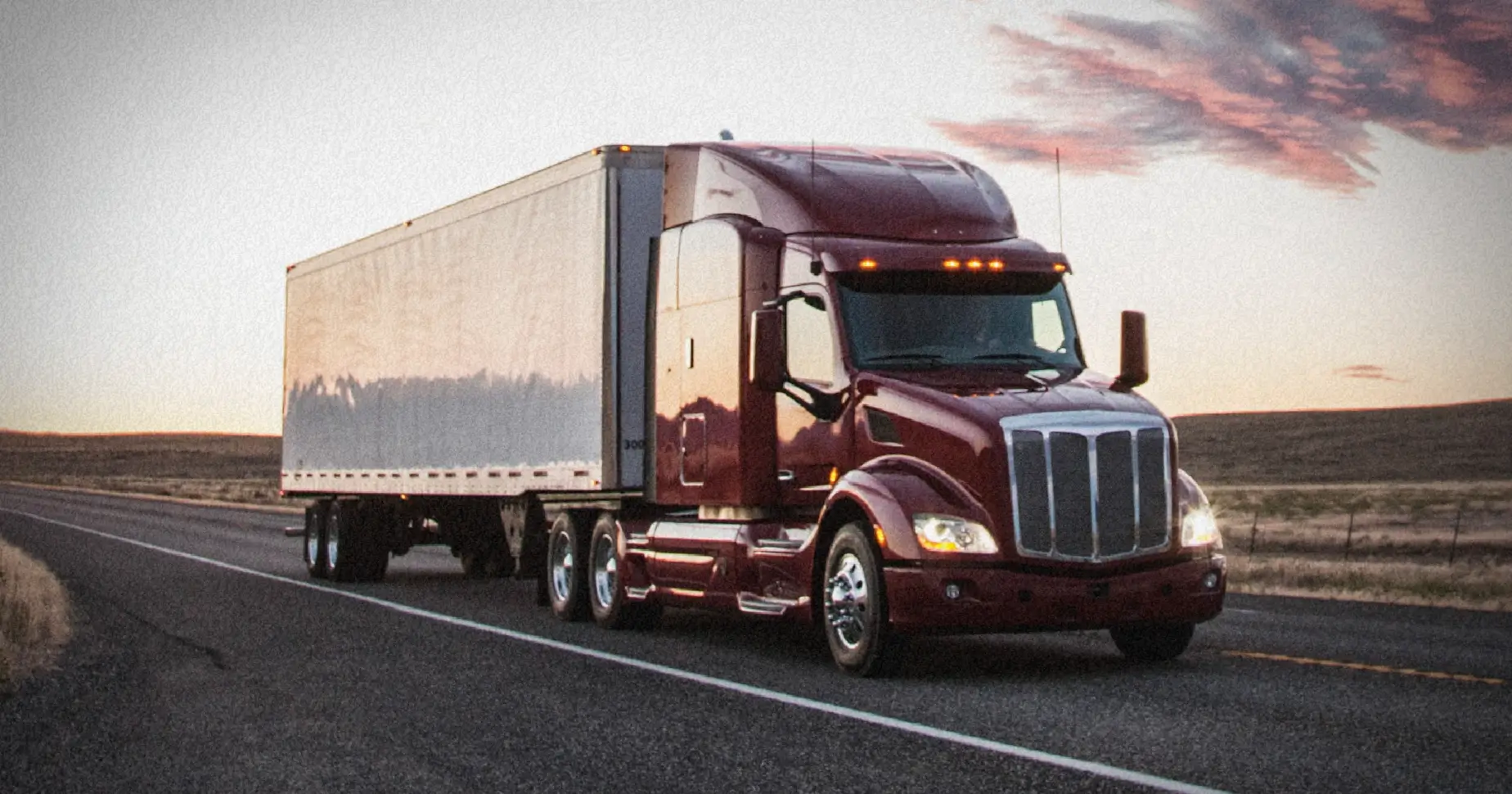
Fuel availability is essential for businesses because a lack of fuel can halt operations, postpone deliveries, and increase expenses. Consistent fuel availability, including dependable bulk fuel delivery, is necessary to keep equipment operational and maintain consistent schedules and profitability, particularly for industries relying on heavy machinery. Your machinery may come to a halt due to…
-
What To Do During a Fuel Shortage?
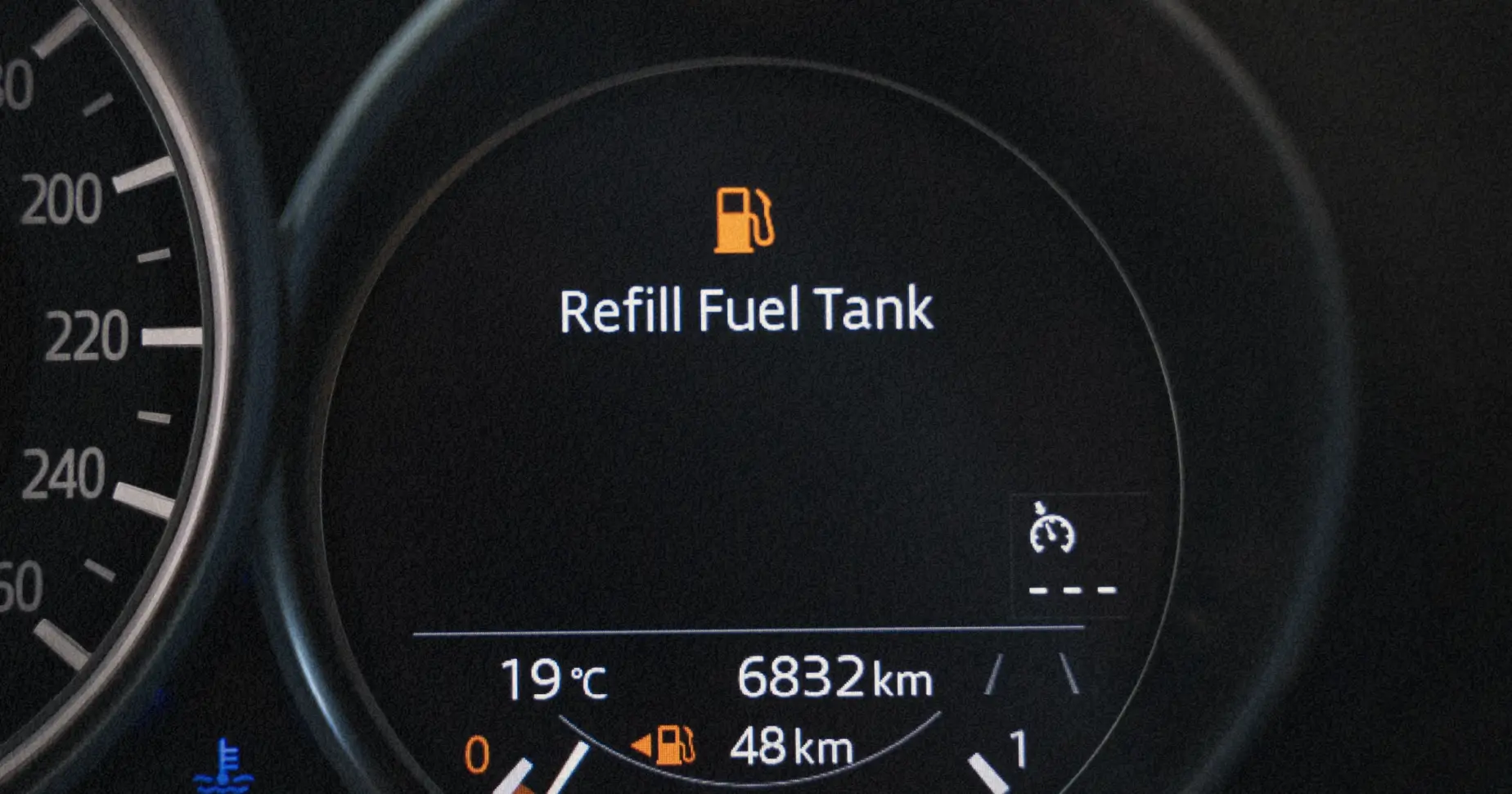
During a fuel shortage, businesses should immediately assess inventory and consumption rates, prioritize essential operations, communicate with suppliers for updates and emergency options, and activate emergency fuel contracts. For long-term planning, companies can build fuel reserves, establish contingency plans, and consider on-demand fueling partnerships to mitigate risks. America’s oil and natural gas sector provides 10.3…
-

Cut Construction Costs with Mobile Fueling
Mobile fueling mitigates construction costs by minimizing refueling downtime, boosting productivity, preventing fuel theft, and reducing labor and administrative expenses through on-site service and digital tracking as of December 2025. It also ensures compliance with OSHA, EPA, and NFPA safety regulations. Fuel inefficiencies go under the radar on construction sites, though they consume time and…
-
Fuel Logic Offers 24/7 Fuel Hauling Services Nationwide
Fuel Logic offers 24/7 on-site fuel delivery across all states, supplying diesel, gas, and DEF to fleets, job sites, and equipment, which includes regular diesel, dyed diesel, gasoline, and Diesel Exhaust Fluid. This service aims to cut downtime and boost operational efficiency for industries like construction, transportation, and emergency services. In logistics, downtime hits your…
-
Accidentally Put DEF in My Diesel Tank: What Now?
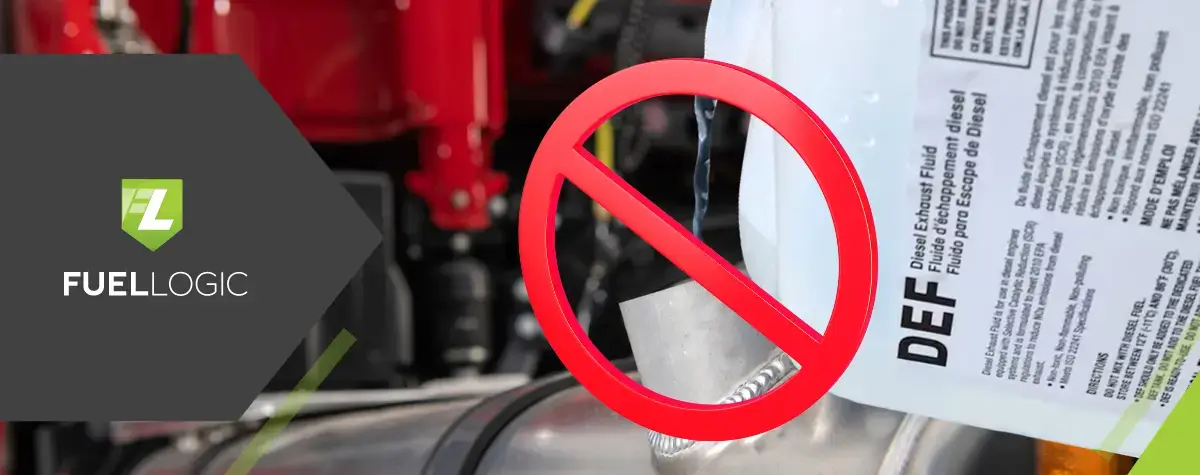
Putting Diesel Exhaust Fluid (DEF) in a diesel tank contaminates the fuel immediately. The mixture causes corrosion, clogs injectors, and damages pumps, leading to costly repairs. If this happens, do not start the engine, have the tank drained and flushed by a professional mechanic. Diesel engines power construction, farming, and heavy transport, burning large amounts…
-

Fuel Logic’s Stories from the Road: Generating Super Bowl LVIII Buzz in Las Vegas
During Super Bowl LVIII in Las Vegas, Fuel Logic partnered with Saunders Electric to ensure uninterrupted power for Media Row at the Mandalay Bay Convention Center, providing mobile fuel delivery to sites like the MGM Grand and Resorts World for mega Super Bowl parties. Few will deny that 2024 brought with it one of the…
-

Fuel Blending: Blended vs Unblended Fuels Explained
The main difference between blended and unblended fuels is that blended fuels mix different fuel types to improve emissions and cost efficiency, while unblended fuels offer higher octane and purity. Fuel blending also influences engine performance, environmental footprint, and overall cost-effectiveness. Fuel blending, the process of combining different fuels, impacts engine performance, environmental footprint, and…
-
What Is Quality Fuel and Why Is It Important?
Quality fuel adheres to strict standards, ensuring efficiency, low emissions, and engine longevity by being free of contaminants and having high energy content. It meets specific standards and specifications, has a high octane or cetane number, and is crucial for consistent machinery performance, minimizing downtime, and maximizing productivity. From gasoline to diesel, fuel quality plays a…
-
What is DEF? How Does DEF Fluid Work in Diesel Engines
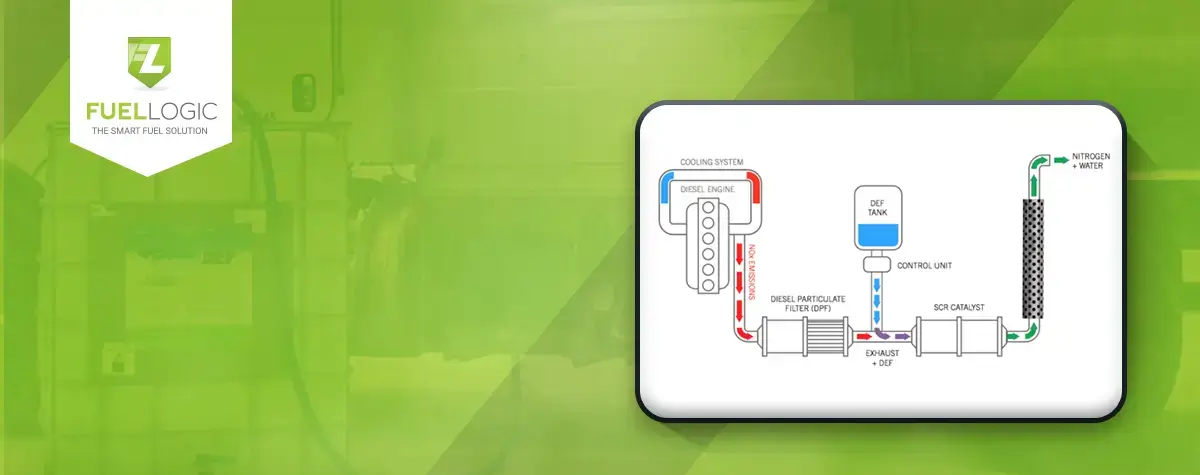
Diesel Exhaust Fluid (DEF) works by being injected into a diesel engine’s exhaust stream, where it converts into ammonia and reacts with nitrogen oxides (NOx) in the Selective Catalytic Reduction (SCR) system. This reaction transforms harmful gases into harmless nitrogen and water, reducing diesel emissions. How does DEF fluid work is crucial in understanding the…