

Fuel Management
From the Blog
-
How to Train Drivers on Fuel Accountability & Reporting
Fuel expenses can quietly increase through issues like missed entries or minor theft, with studies indicating fleets can lose 2–5% of fuel spend to misuse and fraud, making fuel accountability important for managing costs, increasing productivity, and maintaining compliance by correctly logging fuel and submitting proper driver fuel reports. Fuel expenses can build up quietly…
-
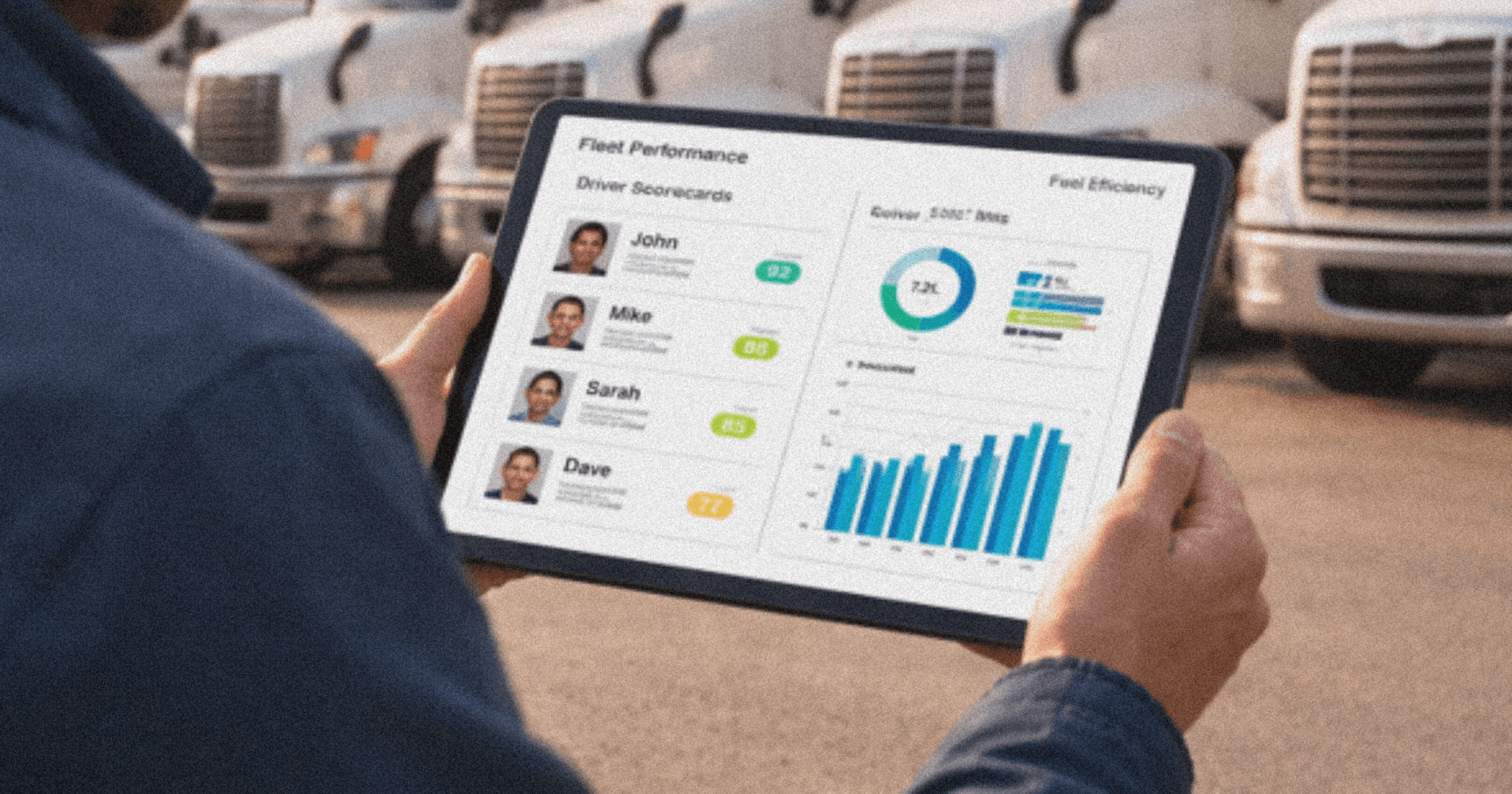
Gamifying Fuel Efficiency: Engaging Drivers With Performance Metrics
Gamifying fuel efficiency involves applying game concepts like scores and rewards to driving tasks, turning raw data into motivation for drivers to improve habits. Companies using gamification report a 36% rise in employee engagement, and telematics systems can lead to a 15% reduction in fuel costs and a 12% increase in productivity. Long idling, harsh…
-
Driver Fuel Policy Violations: Real Examples & How to Prevent Them
Driver fuel policy violations cost fleets thousands annually, leading to increased expenses and data quality issues. Preventing these violations involves creating clear policies, using technology for oversight like GPS tracking and spending limits, and partnering with trusted fuel suppliers for on-site delivery. Fuel expenses take up a large share of fleet budgets, and small gaps…
-
How Fuel Mismanagement Leads to Compliance Fines (OSHA & DOT Risks)
Fuel mismanagement, encompassing poor storage practices, incorrect labeling, and untracked deliveries, can lead to compliance fines from OSHA and DOT. In 2025, FMCSA increased DOT penalties, with daily recordkeeping violations reaching $1,584 and total penalties up to $15,846. OSHA citations for unsafe fuel storage and handling can reach about $16,550 per violation. Fuel mismanagement can…
-

Top 10 US Cities With Fuel Efficient Vehicles
San Francisco, Madison, and Monterey rank among the top U.S. cities for fuel-efficient vehicles due to high adoption of hybrid and electric vehicles. California cities dominate the rankings because of strong EV infrastructure, environmental policies, and higher ownership rates of vehicles achieving 30+ MPG or high MPGe ratings. Efficiency in fuel consumption is much more…
-

How Gas Pump Skimmers Steal Your Credit Card Data
Gas pump skimmers are illegal devices criminals attach to fuel pumps to secretly copy credit card data during a transaction. These skimmers record information from the card’s magnetic stripe, which thieves later use to create cloned cards or make fraudulent purchases and fuel thefts. Authorities in Santa Barbara County found out in February 2025 that…
-

Find the Best Fuel Filter For Your Vehicle Today
For 2025, top fuel filter picks include the Bosch 0450906457 In-Line Fuel Filter for durable gasoline filtration, the K&N PF-2200 for high-flow performance, the budget-friendly Fram G3727, the ACDelco TP3018 Diesel Fuel Filter for water separation, and the Motorcraft FD-4615 for Ford vehicles. Is your engine sputtering? This might be a sign that your fuel…
-
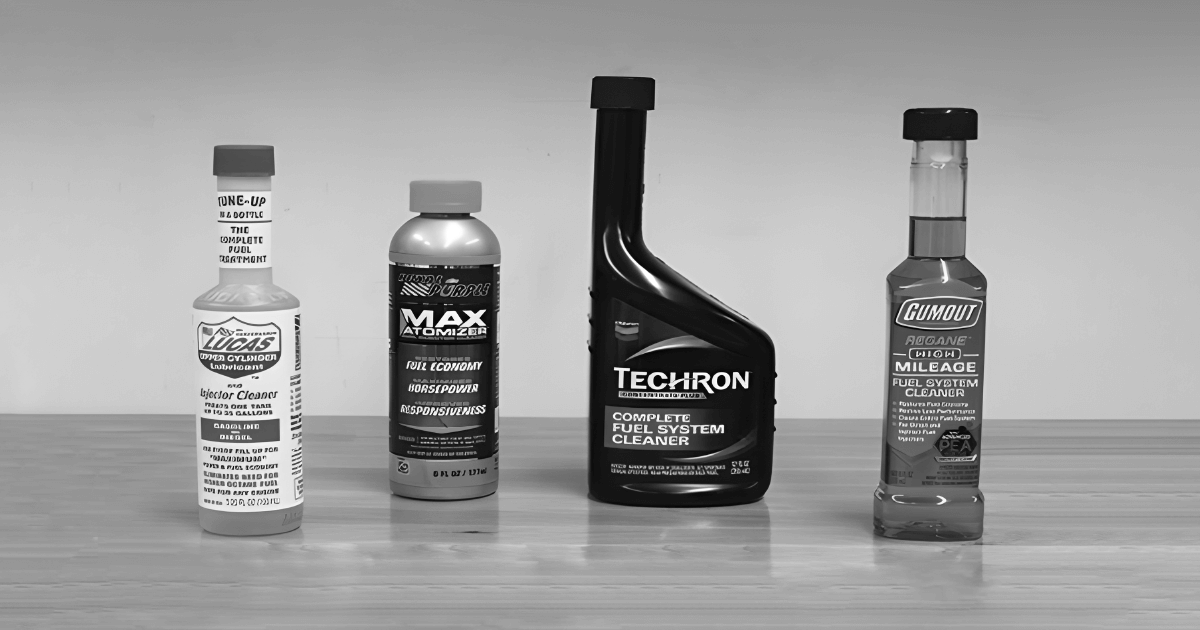
How to Use Fuel Injector Cleaner: Step-by-Step Guide + How Much to Add
Pour one full bottle of fuel injector cleaner into a near-empty gas tank, then fill up immediately with fresh fuel. Most bottles treat 10 to 15 gallons at roughly 1 oz per gallon, but always check the label for your specific product. For best results, repeat every 3,000 to 5,000 miles as part of your…
-
The Hidden Dangers of Poor Fuel Efficiency on Your Budget
Poor fuel efficiency increases fuel and maintenance costs, shortens vehicle lifespan, and harms the environment. Only 12% to 30% of conventional vehicle fuel energy powers the vehicle, with the rest lost to drivetrain inefficiencies and accessories, contributing to higher greenhouse gas emissions and air pollution. Did you know that only 12% to 30% of the…
-

The Impact of Fuel Management in the Construction Industry
Effective fuel management is mandatory for the construction sector, the third-largest consumer of fuel in the U.S. as of 2022, consuming approximately 7% of total energy. It enhances profitability by tracking usage, reducing waste, optimizing machinery efficiency, and enabling cost savings through bulk purchases, fuel cards, trusted fuel delivery, and operational streamlining that reduces downtime.…