

Generator
From the Blog
-
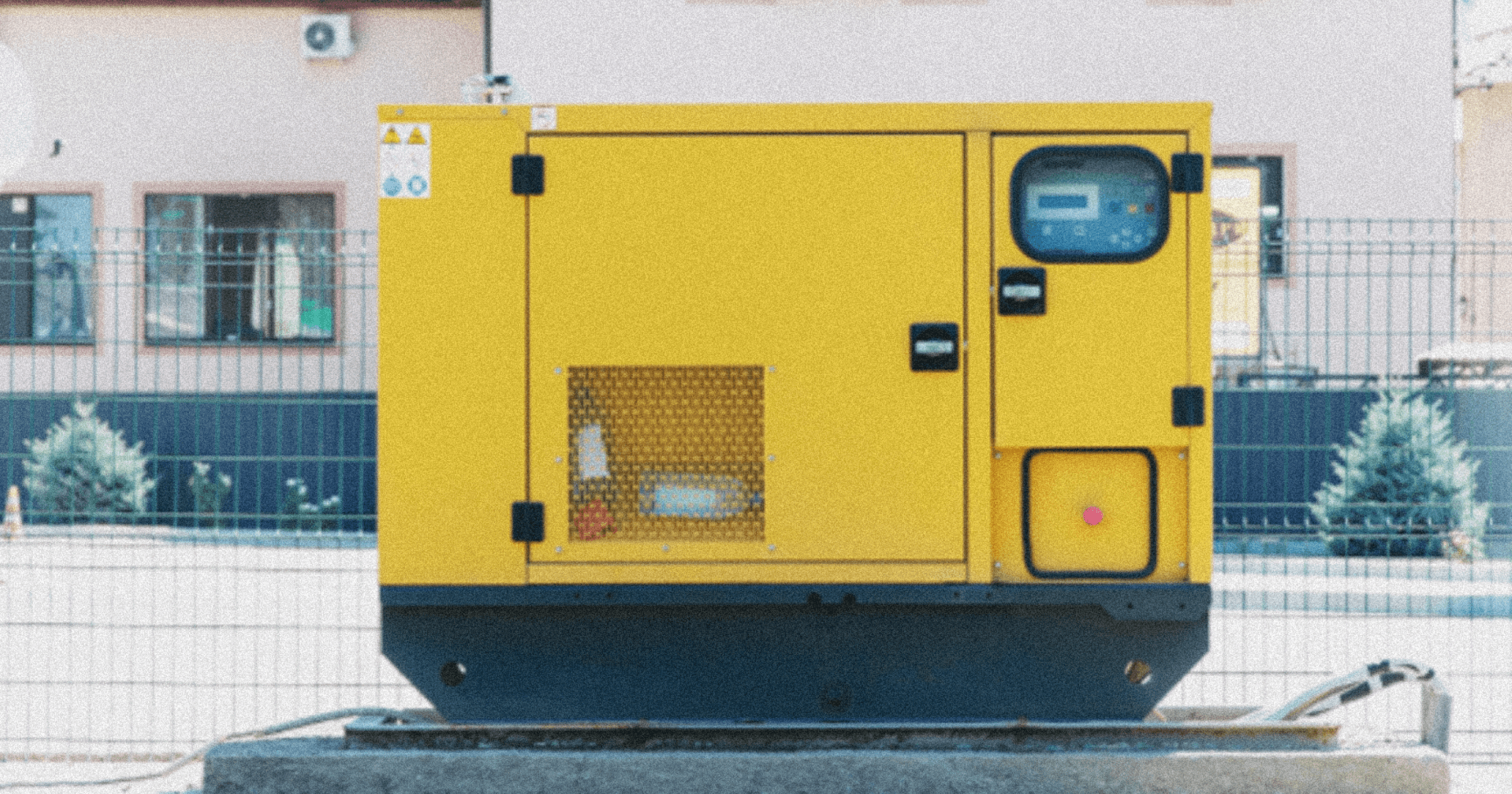
The Hidden Fuel Risks Behind Outdoor Events
Outdoor events face fuel risks, including degradation, contamination, or delivery delays, often during peak hours in 2026. These risks stem from heat swings, rain, long idle storage, rushed refuels, and crowded service points, impacting power, lighting, cooling, and transport systems. Outdoor events rely on fuel for power, lighting, food systems, cooling, and transport – and…
-
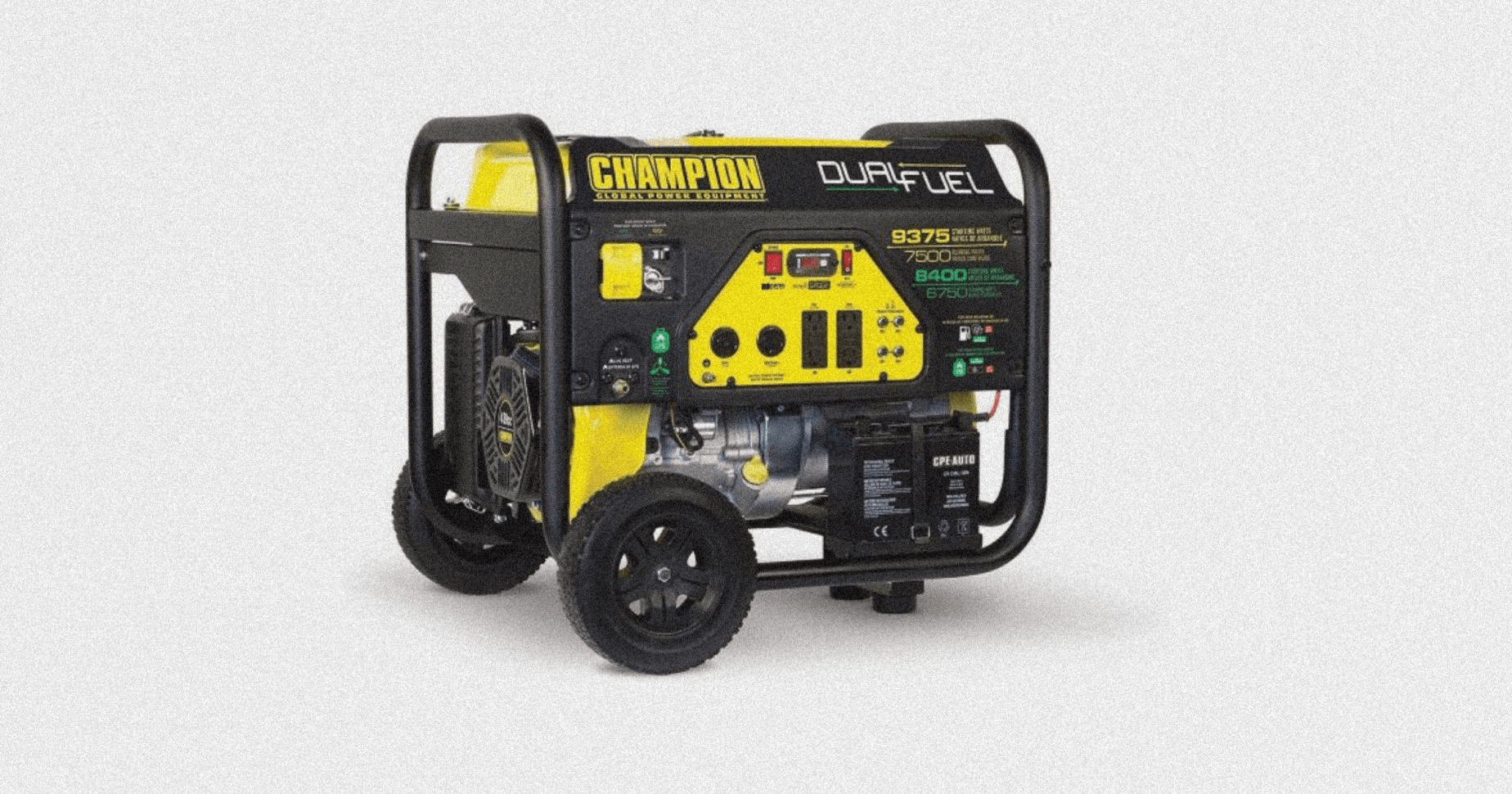
Multifuel Generators Take Over as the New Portable Power Source
Multifuel generators, which can operate on multiple fuel types like gasoline, propane, or natural gas, are gaining popularity due to their flexibility, emergency preparedness, and cleaner emissions, offering an advantage over single-fuel generators if one fuel type is scarce or expensive. You need something you can depend on, when the power fails, you are working…
-
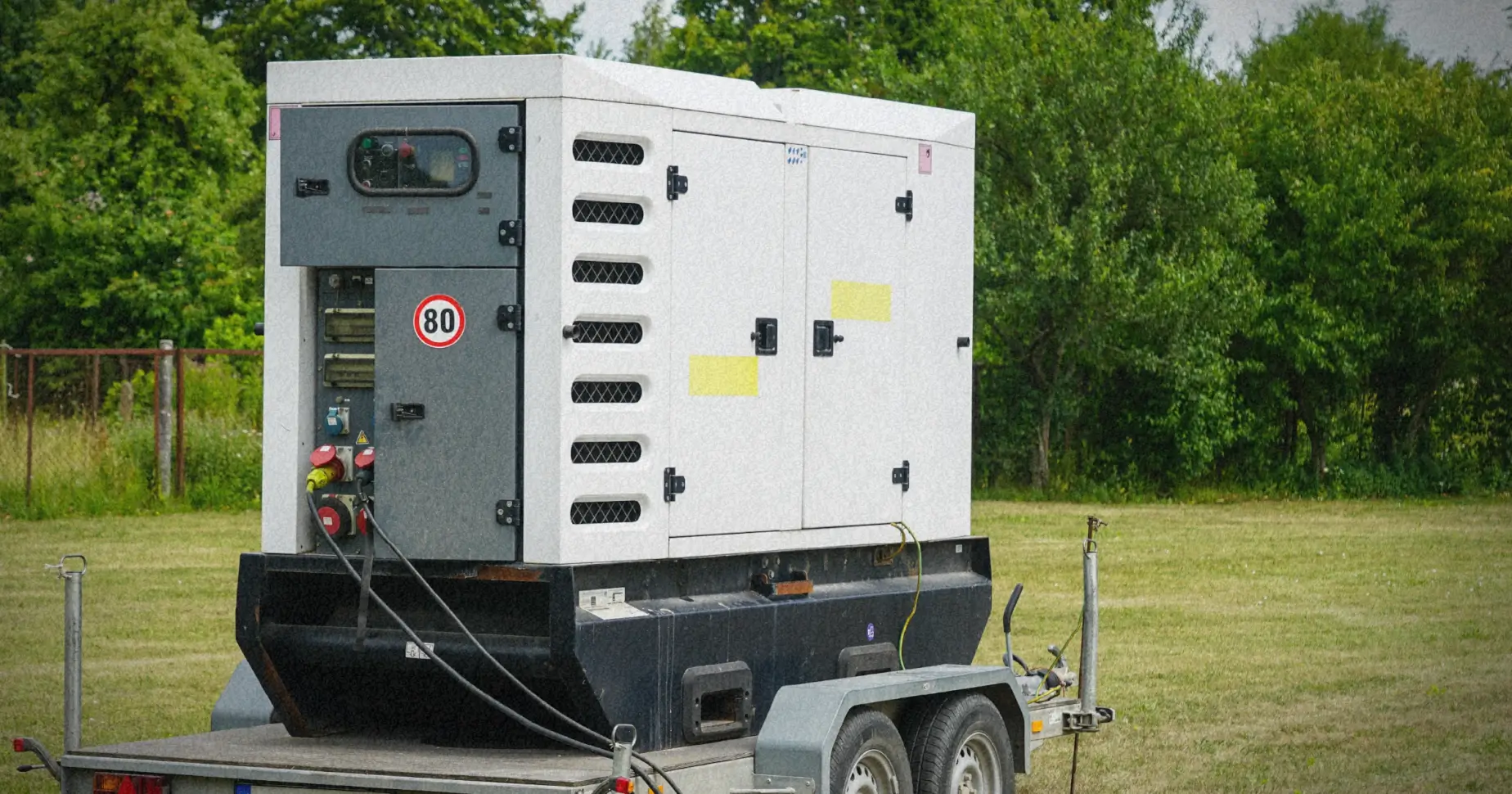
Keep Rental Event Generators Powered with Mobile Fuel
Mobile fueling ensures continuous power for rental event generators by delivering fuel directly to the generator at the event site, preventing interruptions from depleted fuel reserves. For 2026, events predominantly use diesel generators for their efficiency and extended runtime, consuming approximately 0.07 gallons per kilowatt per hour, with a 20–30% contingency factored in. Power interruptions…
-
Top 5 Generator Fuel Mistakes and How to Avoid Them
Common generator fuel mistakes include using the wrong fuel type, ignoring storage guidelines, underestimating fuel consumption, refueling a hot generator, and neglecting fuel system maintenance. Avoiding these mistakes helps ensure generator reliability, prevent damage, and extend equipment lifespan. Suppose a natural disaster or a calamity hits, cutting off power to your business premises. Your diesel…
-
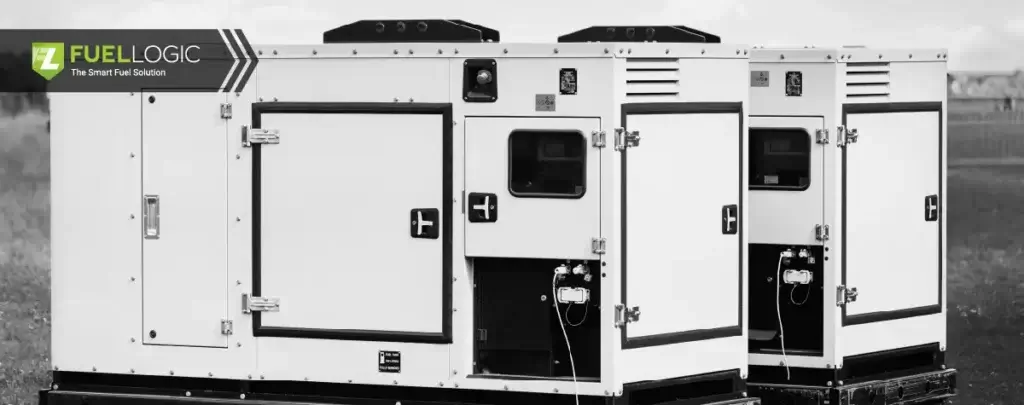
Can You Run A Generator 24/7? Tips for Keeping Your Generator Running Longer
To keep a generator running 24/7 and extend its lifespan, consistent maintenance is crucial; this includes changing oil and filters, checking for leaks, cleaning the unit, and testing the battery. The U.S. generator sales market was valued at $6.10 billion in 2023, with a projection to reach $10.26 billion by 2032. Did you know the…
-
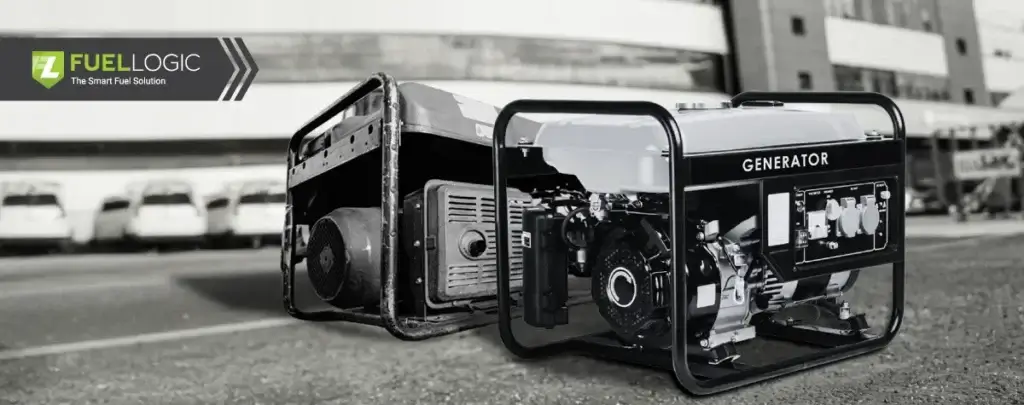
Why Portable Diesel Generators Are Vital for Remote Worksites
Portable diesel generators are vital for remote worksites, ensuring continuous operations by providing reliable power in areas without conventional electricity grids. These mobile units convert diesel fuel into electrical energy, supporting tools, machinery, and essential systems. Their robust design and high fuel efficiency ensure a reliable power supply, minimizing delays and maintaining smooth operations, especially…
-
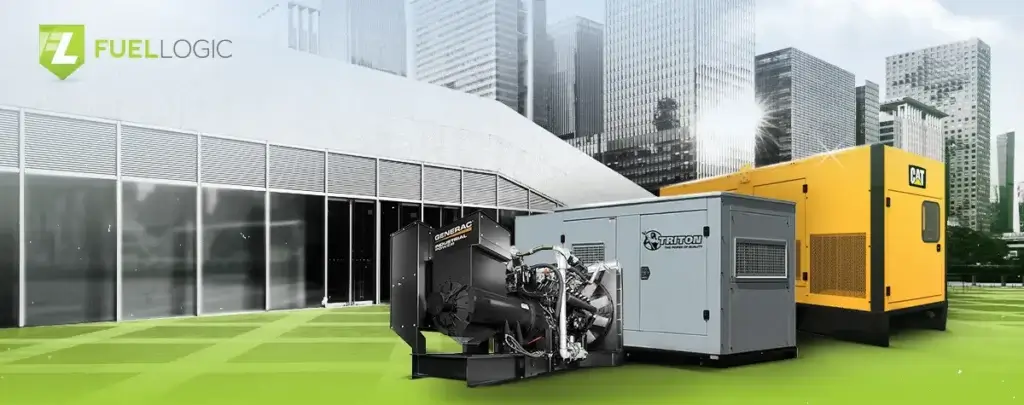
Everything You Need To Know About Renting a Generator
Renting a generator offers flexibility without long-term commitment. Consider factors like power requirements, fuel type, runtime, noise level, and delivery. It’s ideal for short-term or occasional use, avoiding the high costs of purchasing and maintenance, with daily rental rates ranging from $50-$100 for small units to several hundred dollars for larger generators. Generators keep the…
-
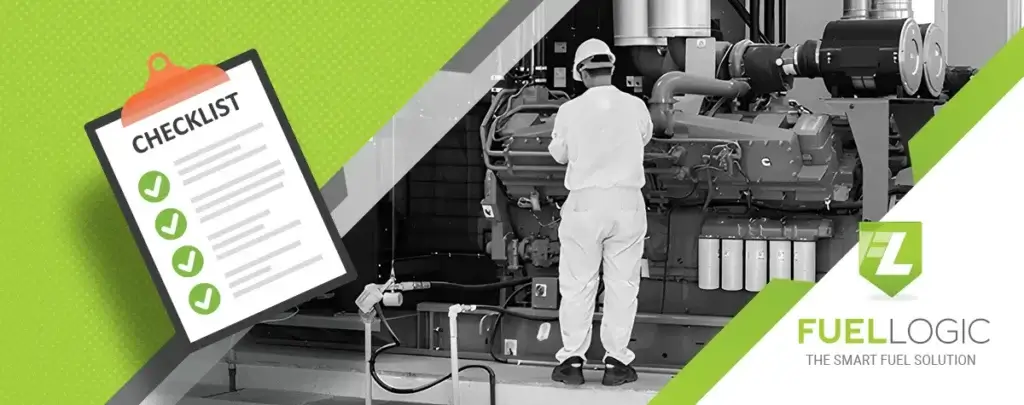
Commercial Generator Maintenance Checklist and Tips
A commercial generator maintenance checklist should include checking oil and coolant levels, inspecting the battery for corrosion, cleaning air filters, examining the exhaust for blockages, performing load tests, ensuring proper ventilation, and cleaning the exterior. Neglecting this maintenance can lead to generator failures, reduced efficiency, and higher repair costs. Commercial generator maintenance is crucial for…
-
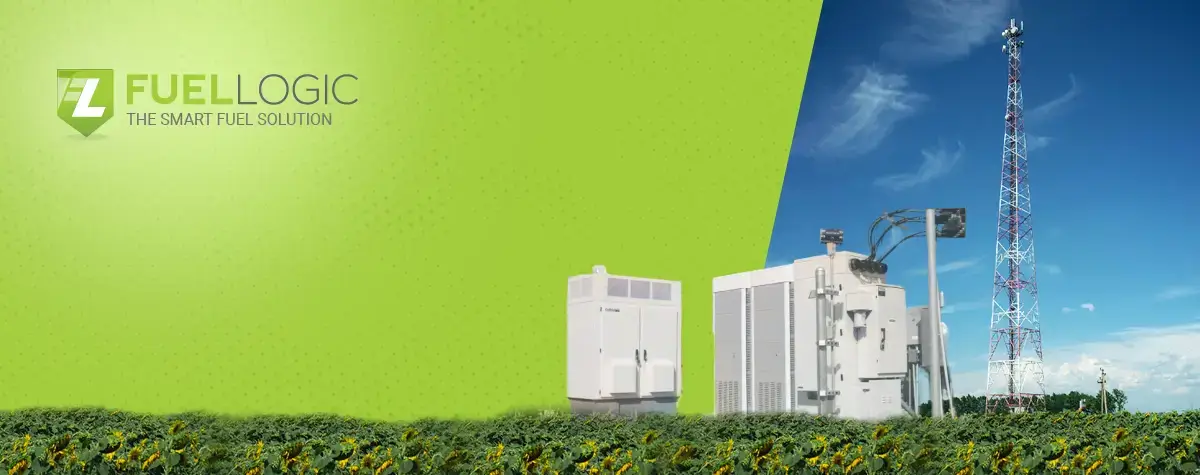
Cell Tower Backup Power Explained
Cell towers maintain service during outages using batteries, diesel generators, and sometimes fuel cells. While FCC guidelines suggest 8 hours of backup, actual runtime varies from 4 to 72 hours depending on battery size, generator capacity, and site importance. Cell Towers and Their Backup Power Requirements A reliable phone network is not just a convenience…
-
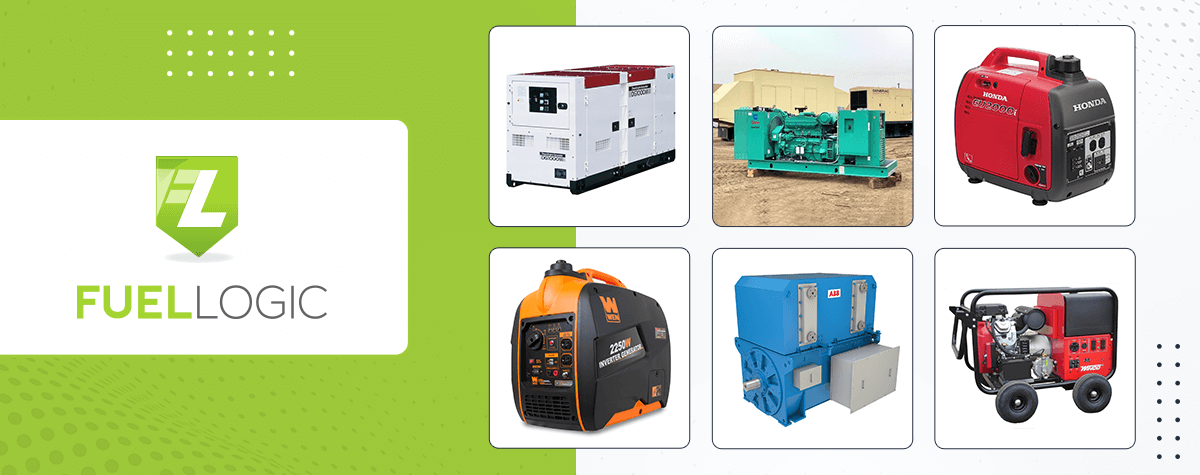
Types of Generators: Which Fuel Type and Style Is Right for You?
Diesel and natural gas generators are best for long term commercial backup power. Portable and inverter generators suit temporary or residential use. Here’s how to choose based on your application and fuel type. How to Choose the Right Generator: Key Features and Power Requirements A backup power source like a generator ensures continuity during emergencies.…