
Do you know that a runaway diesel can destroy an engine in seconds and put operators at risk? Basically, it happens when a diesel starts racing out of control, sucking in fuel or air from a source it can’t control. Instead of responding to the throttle, the runaway diesel engine keeps speeding up, sometimes so fast it destroys itself in seconds.
It’s not just about wrecked equipment, either. Runaway diesel can cause fires or even explosions, putting people nearby in real danger. If you deal with diesel engines, you really need to know what triggers a runaway, why it’s so hazardous, and how to stop it before things go sideways.

What Is a Runaway Diesel Engine?
A runaway diesel engine happens when the engine starts pulling in extra fuel or flammable vapors from somewhere it can’t control. This makes it speed up far past its safe limit. As diesel engines ignite fuel through compression instead of spark plugs, they can burn almost any flammable vapor.
During a runaway diesel event, the engine might burn engine oil, crankcase fumes, or outside vapors like propane or gasoline. Since this fuel doesn’t come through the normal system, the governor can’t control it, and the engine keeps accelerating on its own. If it isn’t stopped, it will keep revving until it either runs out of fuel or destroys itself.
What Causes a Runaway Diesel Engine?
So, what causes a diesel engine to run away? Though the main cause of a runaway engine is its taking in too much uncontrolled flammable material, there are other reasons as well. Here’s a simple breakdown of each cause:
Excess Oil or Fuel Ingestion
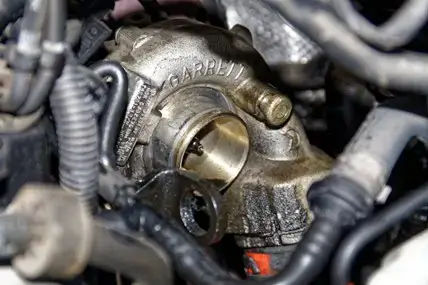
Most runaways happen when the engine starts burning its own oil. A faulty turbocharger can push oil into the intake, causing a cycle of increasing RPMs. Worn engine seals or piston rings can also let pressurized oil mist enter the intake, fueling the engine uncontrollably.
Faulty Fuel System Components
A stuck or leaking fuel injector can keep sending fuel into the cylinder, making the engine run uncontrollably. Similarly, a broken injection pump or governor can let fuel flow nonstop, causing the engine to overspeed.
Uncontrolled Air Intake of Flammable Vapors
Engines can draw in propane or natural gas from leaks or gasoline vapors in workshops and refineries. They can also take in fumes from solvents, cleaning agents, or low-flash-point fuels like homemade biofuels and waste oils. These vapors can cause the engine to burn uncontrollably.
Mechanical Failures
The throttle lever or cable can get stuck fully open. The engine can still be stopped by cutting the fuel, but if not handled calmly, it can overspeed and cause serious damage.
You can learn the dangers of misfueling here.

Source: Pin on Cars, Trucks, Etc
How to Recognize a Runaway Engine?
It is important to identify the runaway engine in time to respond. Look out for these warning signals, and in case you see any, or a few together, stop the engine at once:
Uncontrolled RPM Increase
The most prominent indication of runaway diesel is when the engine will suddenly rev at its own free will without any throttle influence. It can begin with an idle and may sound as though the throttle is stuck wide open.
Excessive Smoke
Black, blue, or white thick smoke can be seen running out through the exhaust. This is because the engine is burning oil or other vapors that it cannot control, at times simultaneously with spiking RPMs.
Unresponsive Controls
When the throttle is released, the engine still runs even when the key is off, and the throttle has no effect on the speed anymore. This is because external fuel sources are keeping it going, making normal controls ineffective.
Unusual Noises
The engine can produce loud knocks, high-pitched whines, or grinding noises as it overspeeds and components start failing due to extreme pressure.

The Dangers of a Runaway Engine
A runaway diesel engine is extremely hazardous and can easily result in major damage to the engine, fire, and endanger the people around. Here’s how:
- Catastrophic Engine Failure: Engine components such as the pistons, rods, and crankshafts bend, break, or melt under the maximum stress due to the absence of lubrication.
- Fire and Explosion Risk: Overspeeding may cause the engine to explode, and hot surfaces and spilled fuel (or oil) may trigger fires.
- Immediate Safety Hazards: Operators are exposed to flying debris, overheating, flame, and fumes of burning fuels, which are toxic.
- Severe Financial Impact: Repairs or full engine replacement are costly, with added downtime and possible damage to nearby equipment.
Installing an emergency shutdown system for a runaway engine may seem costly at first. But it’s far cheaper than replacing a damaged engine or dealing with accident liability. Diesel engine replacements are expensive, and discussions often weigh whether to rebuild or replace entirely. For example, for vehicles, engine replacement charges range from $3,000 to $14,000.
Repairs or overhauls can also be very expensive, often ranging from $2,500 to $4,500. Compared to that, preventive measures like air‑intake shutoff valves are much cheaper, usually between $700 and $1,300, with a mid-sized valve costing around $1,000.
This means using prevention can save roughly $2,500 per incident, making it 3.5 times more cost-effective than waiting for a major repair. Installing a preventive valve not only protects the engine but also improves safety, reduces downtime, and avoids potential liability.

Can You Stop a Runaway Diesel Engine?
Yes, you can stop a runaway diesel, but only with fast and careful action. The main goal is to cut off the engine’s air, since turning off the fuel usually won’t do the job if it’s burning oil or vapors. Stay safe and never try to restart it.
Use an emergency air shutoff valve, block the intake with a solid, non-flammable object, or aim a CO₂ extinguisher into the intake. Ignition or fuel cut-off switches may also help, but often won’t stop it. Moreover, never use water, disconnect fuel lines, or open the hood. If you can’t stop it safely, evacuate immediately, as the engine can explode and send debris flying. For detailed safety measures, check our blog.
But preventing a runaway diesel is safer and much cheaper than dealing with one. Keep up with periodic maintenance, checking the turbocharger, fuel injectors, and crankcase system, and changing oil and filters on schedule. Install an air intake shut-off system for a dependable emergency stop. In addition, use clean fuel and quality lubricants. As well as following the Occupational Safety and Health Administration (OSHA) and National Fire Protection Association (NFPA) safety rules for storage and operation, to lower the risk.
How to Prevent Runaway Diesel Engines?
Runaway diesel engine prevention is best as a layered strategy, using proactive upkeep, safety devices, and careful operation. Here’s how to implement these strategies:
Fuel & Oil Monitoring Systems
These systems help detect problems before a runaway materializes. An abrupt increase in oil consumption may be an immediate sign that the engine is burning oil, e.g., a leaking turbo seal. In addition, sophisticated monitoring systems, such as those by Fuel Logic, observe fuel and oil levels in real time. Hence, informing the managers of unusual consumption to rectify it before it develops into major failures.
Automatic Shutdown Systems
These systems provide a fail-safe mechanism to instantly shut down an out-of-control engine even when there is no operator in the vicinity. The most important is an air intake shutoff valve, which is activated by overspeed sensors, remote controls, or manual emergency buttons.
Fleet Integration System
The fleet management system dashboard integrates with the fleet to send real-time alerts for urgent issues like engine overspeed or intake shut-offs to fleet managers. It also sends preventive warnings for problems like high oil use, crankcase pressure, or turbo issues, helping managers act quickly and avoid the runaway engine or other problems.
Proactive Maintenance Regimen
The basis for preventing runaways is periodic maintenance. Test-check turbochargers to identify leaks and shaft play, as broken seals could be the leading cause.
Service the crankcase ventilation system also, to ascertain that the intake does not have any oil mist. Also, examine leaks in fuel injectors and lines, and observe strict oil and filter change schedules using high-quality lubricants to minimize wear and excessive blow-by.
Fuel and Ventilation
Store engines and other combustible substances (propane, natural gases) away and in places that do not normally harbor such vapors. Since the engine may attract them and lead to a runaway. Also, don’t operate the engines near flammable gas sources to ascertain proper fuel and ventilation safety. In addition, act fast by turning off the air supply to the engine if there are chances of catching fire.

Industries at Risk
Runaway diesel engines are most frequent in industries where engines face flammable vapors and heavy use. In oil and gas, rigs and compressors can draw in methane or propane, creating a high risk. Construction equipment operates under heavy loads and dusty conditions, which can lead to turbo or ventilation failures.
Whereas long-haul trucks are at risk from worn engines over long distances, while marine engines in enclosed spaces can quickly fill with smoke and vapors. Other high-risk areas include mining, agriculture, and poorly maintained backup generators in power facilities.
Expert Fueling for High‑Demand Engines
Runaway engines happen when systems are pushed beyond tolerances. Don’t let fueling be the weak link.
Fuel Logic’s Commitment to Safety
A thorough approach to diesel safety goes beyond the engine, covering the entire fuel system, from storage and quality to delivery and emergency planning. Fuel Logic supports runaway engine prevention by providing clean, controlled fuel through on-site refueling and storage solutions.
We add a crucial layer to the multi-step strategy for preventing runaway diesel engines, complementing mechanical checks and safety systems. Our mobile delivery services provide bulk diesel and gasoline to 48 contiguous US states at any time of the day. We also offer tailored solutions for industries to ascertain engines run properly and maintenance stays on schedule. So, contact Fuel Logic to order safe diesel fuel delivery near me for your fleet and equipment today!
⚡ Key Takeaways
- Runaway diesel engines occur when uncontrolled fuel or flammable vapors enter the engine, causing it to overspeed uncontrollably and potentially destroy itself within seconds.
- Common causes include burning engine oil from turbocharger leaks, faulty fuel injectors, mechanical failures, and ingestion of external vapors like propane or gasoline.
- Recognizing a runaway involves spotting rapid RPM increase, excessive smoke, unresponsive throttle, and unusual engine noises—immediate shutdown is critical to prevent damage.
- Preventing runaways relies on regular maintenance, fuel and oil monitoring, installing emergency air intake shutoff systems, and avoiding operation near flammable vapors.
FAQs
Can a diesel engine survive a runaway?
A runaway diesel almost never survives. The extreme overspeeding causes major internal damage. The pistons, rods, and valves may bend, break, and even melt. Mostly, the engine is completely destroyed and cannot be repaired.
Can a runaway engine be repaired?
Fixing a runaway diesel isn’t a small repair. It normally refers to a complete reconstruction or a complete replacement of the engine. Repairing is, in most instances, more expensive as compared to the purchase of a new engine.
However, the block itself may be reused in case it is not broken. But most of the internal components, such as pistons, rods, the crankshaft, bearings, and the turbo, will be destroyed in a runaway and need to be replaced.
Do electric engines have this risk?
Electric motors do not have a runaway like the diesel engines. There is no uncontrolled source that can cause them to overspeed since they do not utilize fuel or any vapors. Electronics control their speed, and in case an eventuality happens, the controller can cut off the power instantly.
Is diesel runaway rare?
Yes, it’s a rarity, but the damage can be gaping. Hence, high-risk industries are very serious about it. It’s more probable to happen with bad maintenance, failing parts, such as a turbo, or operating the engine in a flammable area.




