

Fuel Logic Blog
A Resource For Business, Fuel Managers And Fleet Managers
-
The Complete Guide to Fleet Fuel Cost & Strategy Management
Fuel constitutes 25% to 30% of total fleet operating expenses, making effective fuel management crucial. The North American Council for Freight Efficiency reported that 14 fleets, operating 75,000 trucks, reduced fuel costs by approximately $512 million in one year and improved fuel economy from 6.9 to 7.77 miles per gallon through strategic management. Fuel is…
-

What Is Urea and Why It Matters in Diesel Engines
Urea, a compound of carbon, nitrogen, oxygen, and hydrogen, is synthetically produced for vehicles by combining ammonia and carbon dioxide to achieve high purity. It is used in Diesel Exhaust Fluid (DEF) at a 32.5% concentration, mixed with 67.5% deionized water, to reduce harmful nitrogen oxides (NOx) emissions in modern diesel engines. What Is Urea,…
-

Multifuel Generators Take Over as the New Portable Power Source
Multifuel generators, which can operate on multiple fuel types like gasoline, propane, or natural gas, are gaining popularity due to their flexibility, emergency preparedness, and cleaner emissions, offering an advantage over single-fuel generators if one fuel type is scarce or expensive. You need something you can depend on, when the power fails, you are working…
-
How Fuel Delivery Apps Are Changing Fleet Operations
Fuel delivery apps streamline fleet operations by enabling scheduled on-site fueling, which reduces driver detours, administrative tasks, and fuel theft, while also lowering costs, improving fuel tracking, and contributing to environmental gains by cutting CO2 emissions by approximately 587 lbs per vehicle annually. It is inconvenient to refuel the old way. Trucks have to leave…
-
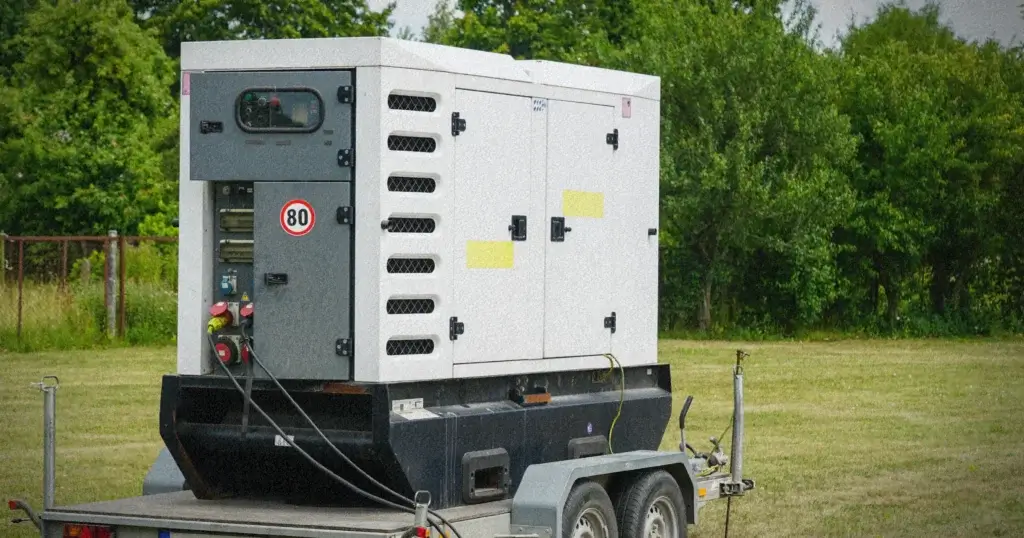
Keep Rental Event Generators Powered with Mobile Fuel
Mobile fueling ensures continuous power for rental event generators by delivering fuel directly to the generator at the event site, preventing interruptions from depleted fuel reserves. For 2026, events predominantly use diesel generators for their efficiency and extended runtime, consuming approximately 0.07 gallons per kilowatt per hour, with a 20–30% contingency factored in. Power interruptions…
-

Best Practices for Fleet Fuel Monitoring
For effective fleet fuel monitoring, combining telematics and fuel cards helps track usage, reduce idling, improve driving habits, schedule maintenance, and detect real-time fuel theft. Key tools include manual logs, automated telematics, and integrated fuel management systems, with a focus on establishing monitoring schedules and using alerts to manage consumption. Fuel costs can take a…
-
Fleet Truck Fueling Solutions That Save Time and Money
As of July 14, 2026, efficient fleet fueling solutions provide significant time and cost savings by eliminating driver downtimes at petrol stations, reducing operational and fuel expenses through mobile fueling, bulk delivery, and on-site assistance services, and using fuel tracking tools like a Fuel Management System (FMS) to avoid waste, theft, and inefficiency. Fleet managers…
-
Why Fuel Availability Matters for Your Business
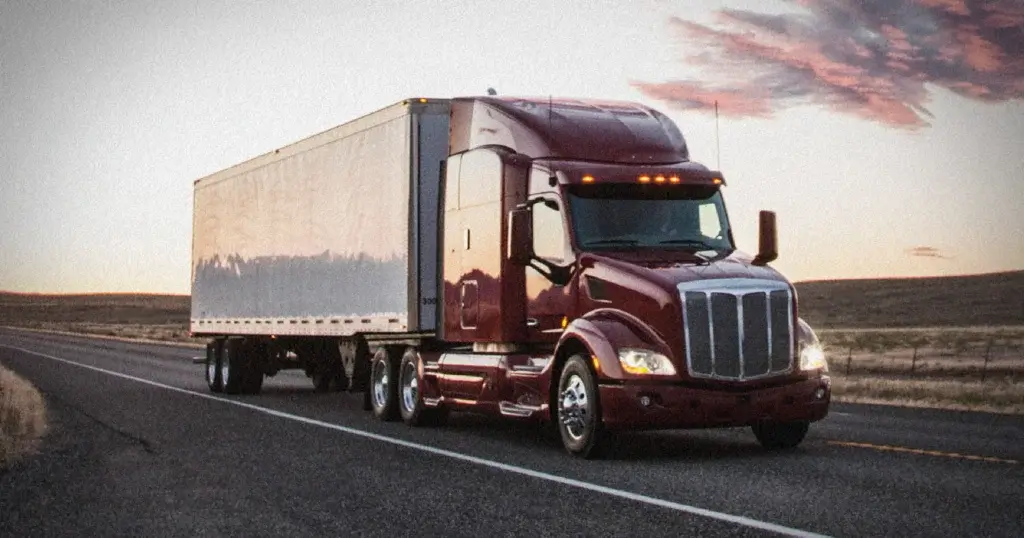
Fuel availability is essential for businesses because a lack of fuel can halt operations, postpone deliveries, and increase expenses. Consistent fuel availability, including dependable bulk fuel delivery, is necessary to keep equipment operational and maintain consistent schedules and profitability, particularly for industries relying on heavy machinery. Your machinery may come to a halt due to…
-
Propane vs Natural Gas: Which Is Better for Fleets
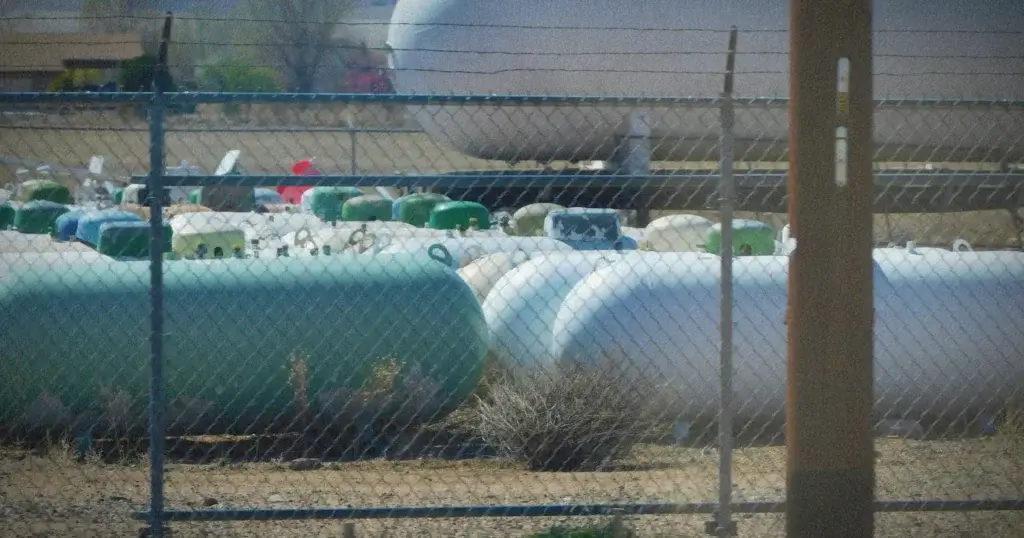
Propane is ideal for light and medium-duty fleets with predictable routes under 250 miles daily, offering lower emissions and simpler refueling. Natural gas, specifically CNG, suits local heavy-duty fleets like transit buses, while LNG is better for long-haul trucks traveling over 500 miles daily, providing a longer range despite complex fueling infrastructure. Feeling the squeeze…
-
What To Do During a Fuel Shortage?
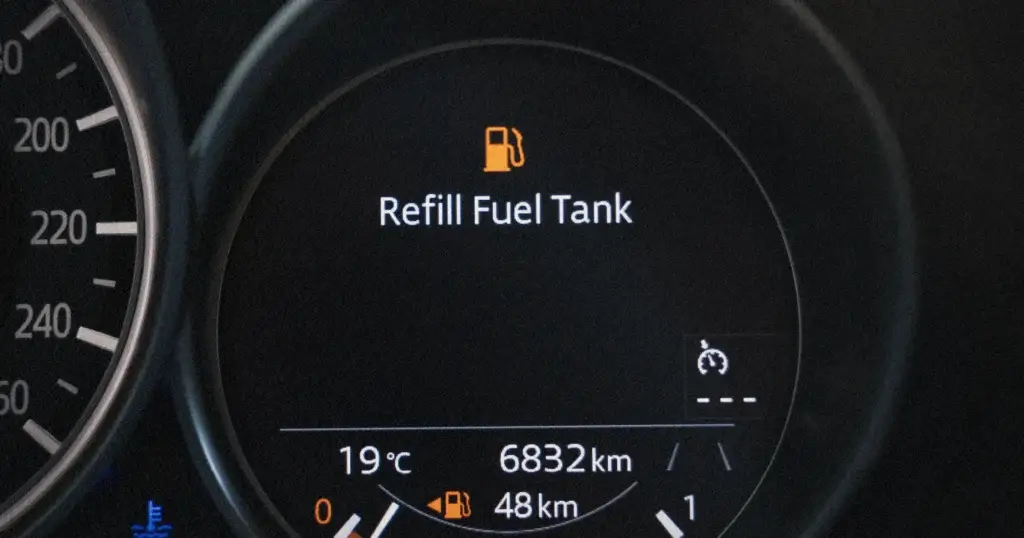
During a fuel shortage, businesses should immediately assess inventory and consumption rates, prioritize essential operations, communicate with suppliers for updates and emergency options, and activate emergency fuel contracts. For long-term planning, companies can build fuel reserves, establish contingency plans, and consider on-demand fueling partnerships to mitigate risks. America’s oil and natural gas sector provides 10.3…
Need a Fuel Delivery Today?
Fuels Types & Diesel Additives
We Deliver Nationwide
- Diesel
- Gasoline
- Dyed Diesel
- DEF (Diesel Exhaust Fluid)
Schedule your fuel delivery today
Latests Articles
- Common Fuel Management Mistakes That Drain Budgets
- What Every Fleet Manager Should Know About Fuel Contracts
- How to Choose Between Fuel Cards and Mobile Fueling
- The Real Cost of Running Out of Fuel for Fleets
- Fuel Tank Management: Best Practices for Fleet Owners
- What to Know Before Setting Up Your Own Fuel Storage System
- HVAC Fleets Lose Hours Weekly on Fuel Stops
- Why HVAC Fleets Struggle During Heat Waves
Categories
- Bulk Fuel Articles (9)
- Business (4)
- Construction (6)
- Diesel (31)
- Diesel Exhaust Fluid (13)
- Diesel Gelling (6)
- Dyed Diesel (5)
- Emergency Fuel Delivery (13)
- Event Fueling (3)
- Fleet (37)
- Fleet card (4)
- Fuel Cost (10)
- Fuel delivery (30)
- Fuel Estimator (2)
- Fuel Management (24)
- Fuel Polishing (2)
- Fuel Safety (7)
- Fuel Tank (28)
- Fuel Types (8)
- Gasoline (13)
- Generator (18)
- Intangible Costs (3)
- Off-road diesel (8)
- Our Culture (2)
- Reefer Trailers (6)
- Stories From the Road (6)