
Fleet owners face many challenges in tracking fuel consumption for their vehicles. Even fuel-efficient vehicles can rack up unnecessary costs without proper oversight. These vehicles refuel at different locations and follow varying driving patterns. Drivers submit logs late or skip entries, and manual records don’t match fuel bills by the end of each week. Fuel expenses keep increasing, and managers cannot identify the exact cause.
Manual tracking leaves gaps that hide problems during regular checks and basic fleet reports. Important entries may get missed during manual tracking, and small leaks or fuel theft remain unnoticed. Fuel theft is also ignored and appears as normal consumption on paper.
So, what can you do to avoid these issues?
Fleet managers can avoid these issues by moving away from manual fuel tracking. A fuel tank monitoring system operates using sensors that connect directly to storage tanks and vehicles. This helps fleets maintain visibility, control costs, and increase fleet fuel efficiency without depending on paper logs.
This article explains what a fuel tank monitoring system is and its role in giving fleets control of fuel usage. It shows how these systems help save time, reduce costs, and prevent losses from leaks or theft. We have also explained the importance of mobile fleet fueling and the benefits of buying fuel from trusted agencies like Fuel Logic.
What Is a Fuel Tank Monitoring System?
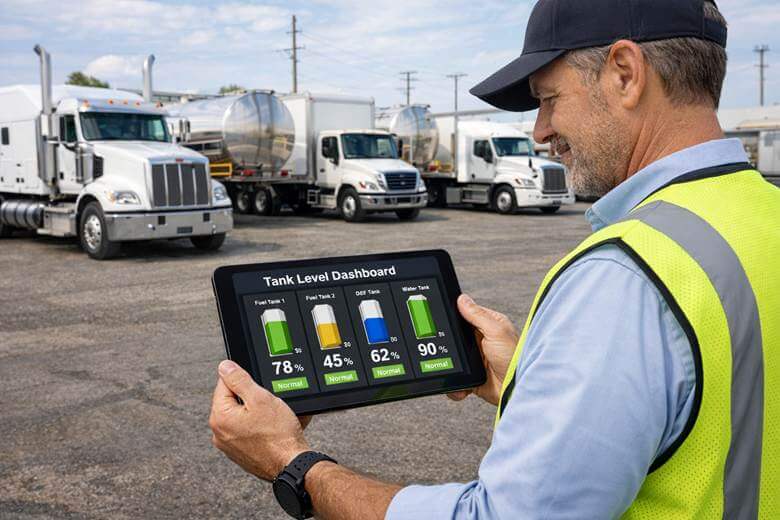
A fuel tank monitoring system tracks fuel levels using sensors. It records fuel use and refills as they occur. Some systems detect leaks, temperature changes, or abnormal fuel consumption. The system sends this information to a central dashboard or mobile app:
Core Functions of a Monitoring System
A fuel tank monitoring system is the central hub that manages fuel in your fleet. It uses sensors to track fuel levels in storage tanks and vehicles. The data from these sensors is transferred to cloud platforms or fleet dashboards.
Automatic updates notify fleet managers and fuel suppliers to ensure the availability of fuel. A fuel level monitoring system provides accurate data that helps improve inventory management. Managers can plan purchases better, avoid over- or under-stocking, and reduce unnecessary costs.
Types of Monitoring Systems
Fuel tank monitoring systems are available in different types to match fleet requirements. Fixed bulk tank monitors attach to storage tanks and measure fuel levels at regular intervals. They fit large operations with high-capacity tanks and frequent deliveries.
Portable sensors attach to individual vehicles or small tanks without permanent installation. Float sensors, ultrasonic sensors, and capacitive sensors are also widely used for specific fuel tank sizes.
Integrated fleet telematics systems track fuel levels and vehicle data together. Fleets of any size can benefit from these systems. Small operations may use portable sensors or single bulk tank monitors. Whereas large or national fleets prefer telematics solutions for complete fuel tracking.
How Fuel Tank Monitoring Improves Fleet Efficiency
Monitoring fuel allows fleet managers to track diesel consumption in trucks. The system shows patterns that manual tracking misses and points out waste or theft:
Real-Time Fuel Level Tracking
Real-time fuel level tracking shows managers the current fuel amount in tanks and vehicles at all times. This visibility helps them schedule refuels before tanks get empty. Managers receive messages when a truck is low on fuel during a long route. This way, they can arrange refueling ahead of time.
Reduced Fuel Waste and Theft
Remote fuel tank monitoring reduces waste and prevents theft. Sensors detect leaks or unauthorized fuel consumption in tanks or fleet equipment. Historical logs track fuel patterns, allowing managers to identify unusual trends quickly. Detecting theft or leaks early can save fleets thousands of dollars each year.
Data-Driven Decisions
Fuel monitoring gives managers accurate data on fuel consumption for each vehicle. Reports show patterns that guide budget planning and track spending carefully. Linking fuel monitoring with delivery schedules enables just-in-time operations. Fleets can schedule refueling based on their current fuel levels and daily usage.
Worried about fuel loss in your fleet?
Request a custom fuel delivery plan and pair monitoring with reliable on-site delivery.
Key Features to Look for in a Fuel Tank Monitoring System
Fuel tank monitoring systems offer different capabilities depending on the model. Fleet managers should focus on features that suit their operation and address common fuel challenges. Fleet companies must understand these important features to select a perfect diesel fuel tank monitoring system:
1. Sensor Accuracy and Durability
Sensor precision is crucial for accurate fuel tracking and long-term savings. Weather, calibration drift, and repeated use can affect readings. Companies should use tamper-proof sensors to prevent unauthorized fuel access.
2. Remote Access and Alerts
Fleet operators can use a mobile app or computer to check fuel levels from anywhere. The system sends alerts by text or email if fuel drops below a set level. Fixed tank monitors, portable sensors, and telematics systems integrate with fleet dashboards. They show fuel data alongside vehicle activity.
3. Reporting and Analytics
Reporting and analytics show what fuel data really means. Reports on past fuel levels reveal patterns in fuel use by vehicles. Managers can compare vehicles or locations to find extra fuel loss or leaks. This gives teams the information they need to reduce expenses and improve fleet performance.
What Happens Without a Monitoring System
Fleets that do not use a monitoring system depend on manual tracking and estimates. Fuel levels remain unchecked, and small losses increase without staff detecting them. Understanding what can happen without proper monitoring shows why these systems are so important:
Inaccurate Fuel Records
Inaccurate fuel records happen when drivers submit logs late or forget to update them. Paper-based tracking can miss small refills or fuel transfers. A truck delivering supplies to a remote site can run out of fuel midway if the fuel log shows an incorrect reading.
Such mistakes delay deliveries and force managers to adjust schedules on the spot. A remote fuel tank monitoring system can fix this problem by providing real-time fuel data and notifying of low fuel levels.
Higher Operating Costs
Fleets experience higher operating expenses when they do not track fuel properly. They take extra journeys to refill fuel, which increases expenses. Moreover, there is a higher chance of fuel theft because manual tracking relies on incomplete and delayed records. Managers notice the impact only when bills arrive.
Don’t let manual tracking cost you
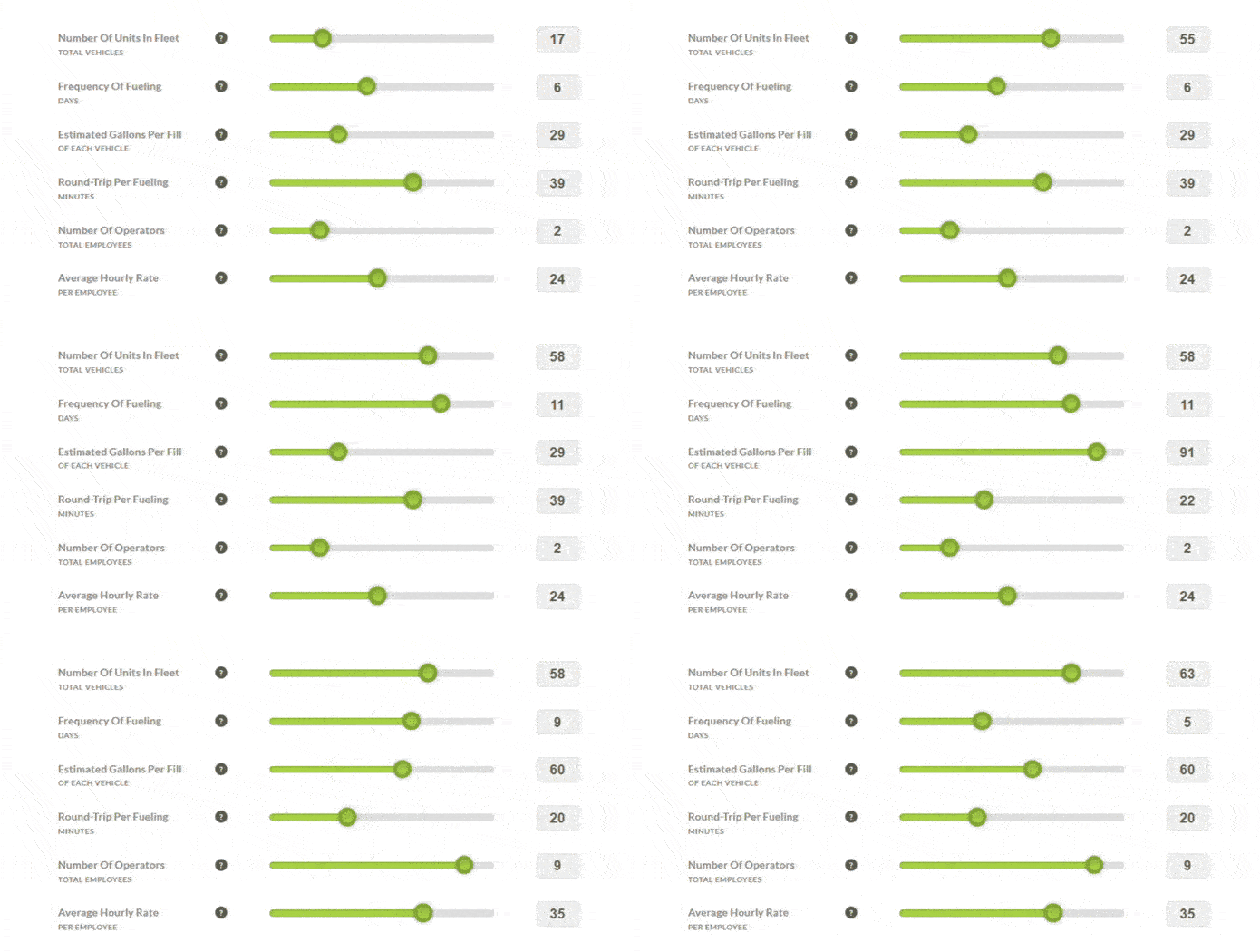
See how much you could save with the Fuel Savings Calculator.
How Fleets Implement Fuel Tank Monitoring
Fleets must introduce a fuel tank monitoring system to improve fuel management. These systems provide up-to-date information about fuel levels and consumption details:
Installation Options
Fleets retrofit existing tanks with sensors or buy ready-to-use solutions for fuel monitoring. Trucking companies install automatic tank gauges on storage tanks to track fuel levels accurately. Fuel Logic also provides bundled solutions that include fuel delivery and tracking. This method speeds up setup and monitors fuel tanks from day one.
Training and System Integration
Training staff and setting up system integration play an important role for fleet companies. Teams learn to read alerts, check fuel levels, and review basic reports in a short time. The system connects fuel data to fleet dashboards or accounting software. This setup reduces manual entry and maintains accurate fuel data for regular review.
Partnering With Fuel Delivery Providers
Working with fuel delivery agencies helps fleets use fuel data in a clear and direct way. Tank sensors show current fuel levels and daily fuel patterns. Fleet companies consider this information and contact mobile fueling service providers to schedule deliveries at the appropriate time. This supports on-site refueling and reduces last-minute orders.
Ready to pair monitoring with dependable delivery?
Contact Fuel Logic to set up a custom fueling plan.
How to Get Started with Mobile Fleet Fueling
Fleet companies need to review fleet size, fuel type, and delivery requirements before choosing between on-site and mobile fueling options. Fuel Logic helps fleets set custom fueling schedules based on daily operations. Teams can set recurring delivery times that fit their routes, shifts, and jobsite demands.
Fuel Logic provides scheduled and on-demand delivery services in multiple locations across the U.S. Diesel, gasoline, and DEF deliveries arrive through one coordinated service, reducing supplier management issues.
Fleet managers can order fuel for a jobsite or vehicle group through a simple request process. Owners can also speak with our fleet expert to review setup details. Operators can consult the FAQ section for additional queries.
Frequently Asked Questions
What does a fuel tank monitoring system do?
A fuel tank monitoring system tracks fuel levels. It records fuel consumption and detects leaks in the storage tanks or trucks. This helps fleets reduce waste, control costs, and plan refueling effectively.
Can I track fuel levels remotely?
Managers can check fuel levels remotely through a fuel tank monitoring system. This system provides up-to-date data without visiting the tanks in person.
How much does a fuel monitoring system cost?
Costs vary depending on system type, number of tanks, and included features. Basic monitors for a few tanks may cost less, but integrated telematics solutions are expensive. Most providers offer quotes according to fleet size and requirements.
Does it prevent fuel theft?
Yes, a fuel tank monitoring system detects rapid drops or irregular fuel levels and notifies managers immediately. This allows fleets to identify theft and take action to prevent losses.
Does Fuel Logic provide tank monitoring with delivery?
Yes, Fuel Logic offers tank monitoring integrated with delivery services. Managers can use fuel level data to plan deliveries at the appropriate time, including scheduled and on-demand options.
⚡ Key Takeaways
- Fuel tank monitoring systems track fuel levels, detect leaks, and provide instant alerts.
- Managers can access fuel data remotely for better visibility across vehicles and tanks.
- Systems help control costs, reduce losses, theft, and unnecessary refills.
- Mobile fleet fueling services, like Fuel Logic, support timely deliveries and emergency refueling. These services also support fuel planning, management, and monitoring.
Request a Custom Fuel Delivery Plan with Fuel Logic
Need help managing your fleet’s fuel? You can contact Fuel Logic now to schedule on-site fleet fueling services.
Consider your fleet size, fuel type, and daily routes to create a fuel delivery plan. You can easily schedule recurring delivery windows and also request remote diesel delivery.