
Eliot Vancil
Articles from this Author
-
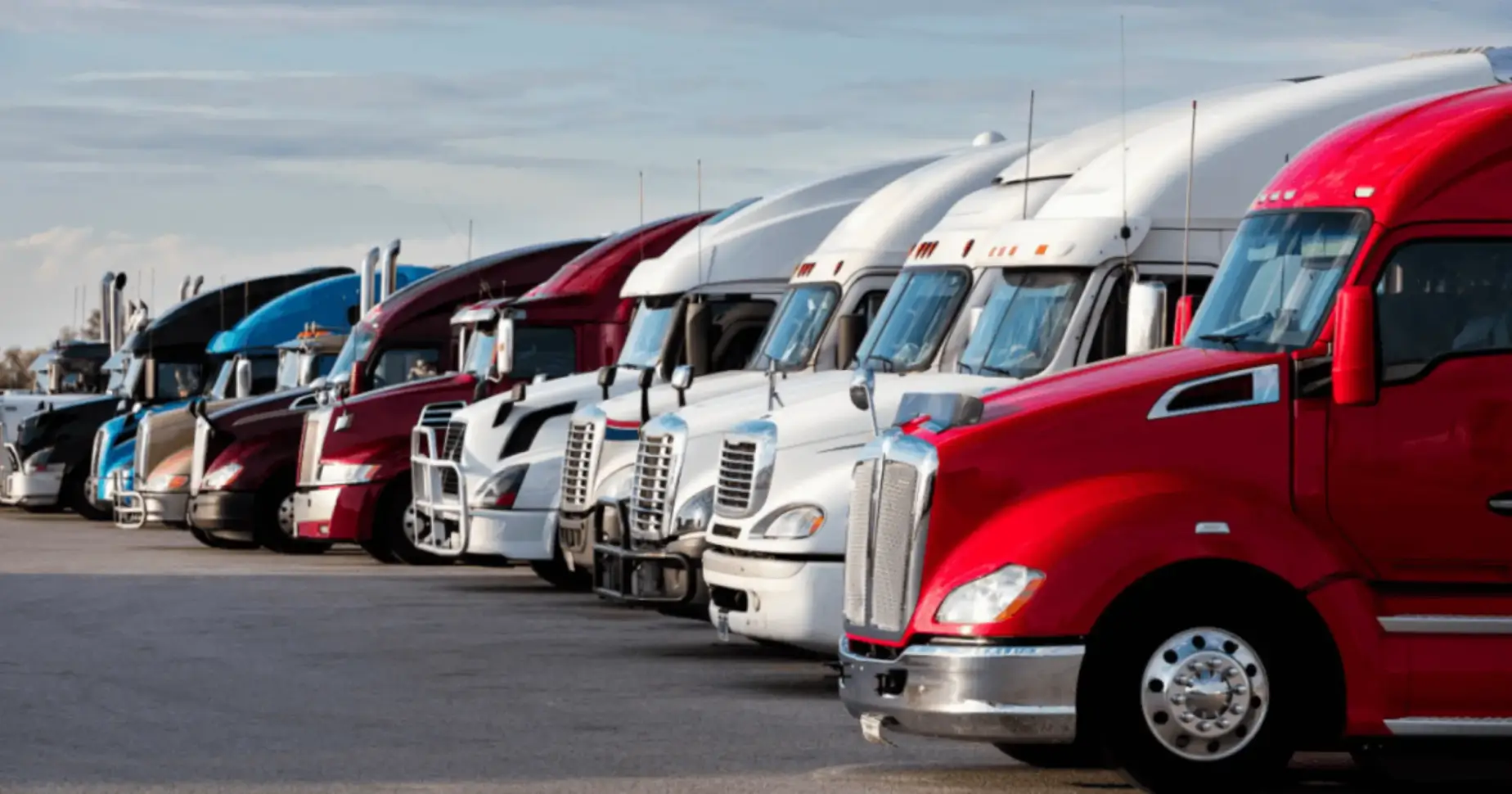
The Real Cost of Running Out of Fuel for Fleets
Running out of fuel for commercial fleets, where fuel can represent up to 40% of operating costs, creates a chain reaction of expenses. One incident can cost thousands in downtime, emergency delivery fees, driver overtime, repair costs, and lost contracts. A 20-truck fleet losing one hour per vehicle can incur over $2,000 in labor and…
-

HVAC Fleets Lose Hours Weekly on Fuel Stops
HVAC fleets lose hours weekly on fuel stops, which diminishes job capacity and increases labor costs, with an example weekly loss scenario showing a 20-van fleet spending 25 hours fueling, equivalent to 1.25 hours per vehicle, due to detours, waiting times, and administrative tasks. A heavy-duty truck idles for about 1800 hours every year and…
-
Why HVAC Fleets Struggle During Heat Waves
HVAC fleets struggle during heat waves due to increased emergency service demand causing longer operation hours, higher fuel consumption from extended truck travel and idling, and slower technician response times from dispatch backlogs and frequent fuel stops, all of which elevate operational costs and reduce efficiency. The commercial HVAC market is growing fast, from USD…
-
Plumbing Fleet Management Mistakes Costing Contractors
Poor plumbing fleet management, characterized by limited vehicle visibility, weak dispatch logic, reactive maintenance, careless fuel tracking, and scattered data, reduces profits through increased operating costs per job, fewer daily job completions, more missed appointments, and lower customer satisfaction. Timely fixes create month-to-month savings. Delays, missed appointments, and rising fuel bills often trace back to…
-
How Hidden Fuel Costs Are Slowing Landscaping Fleets
Hidden fuel costs in landscaping fleets include losses from idling, unplanned route overlap, unscheduled fuel stops, and vehicle maintenance problems, which collectively reduce crew productivity and increase operating costs. These issues often stem from daily operating habits rather than just pump prices, impacting overall fuel spend and efficiency. Many landscaping fleets watch the pump price…
-
Fuel Tank Monitoring System Enhances Fleet Efficiency
A fuel tank monitoring system tracks fuel levels, records consumption, and detects leaks in tanks or trucks, providing real-time data to help fleets reduce waste, control costs, and plan refueling effectively by sending alerts for low fuel or unusual activity. Fleet owners face many challenges in tracking fuel consumption for their vehicles. Even fuel-efficient vehicles…
-
Why Landscaping Fleets Are Losing Profit in 2026 Fuel Spikes
In 2026, landscaping fleets are losing profit due to fuel spikes driven by geopolitical tensions and Strait of Hormuz disruptions, which cause U.S. diesel and gas prices to become volatile. This forces fleets with fixed-price contracts to manage rising costs per mile and per hour, impacting margins on short maintenance rounds and seasonal contracts. Landscaping…
-
Route Optimization vs. Driver Behavior: Which Impacts Fuel Costs More?
Both route optimization and driver behavior significantly impact fleet fuel costs, with route optimization reducing costs by up to 20% through efficient pathing and driver behavior causing a 10–40% variance due to factors like harsh acceleration and speeding. Combining smart routing with driver coaching can reduce fuel costs by 15%-30%. Fuel is one of the…
-
The Complete Guide to Fleet Fuel Cost & Strategy Management
Fuel constitutes 25% to 30% of total fleet operating expenses, making effective fuel management crucial. The North American Council for Freight Efficiency reported that 14 fleets, operating 75,000 trucks, reduced fuel costs by approximately $512 million in one year and improved fuel economy from 6.9 to 7.77 miles per gallon through strategic management. Fuel is…
-
How Fuel Delivery Apps Are Changing Fleet Operations
Fuel delivery apps streamline fleet operations by enabling scheduled on-site fueling, which reduces driver detours, administrative tasks, and fuel theft, while also lowering costs, improving fuel tracking, and contributing to environmental gains by cutting CO2 emissions by approximately 587 lbs per vehicle annually. It is inconvenient to refuel the old way. Trucks have to leave…