
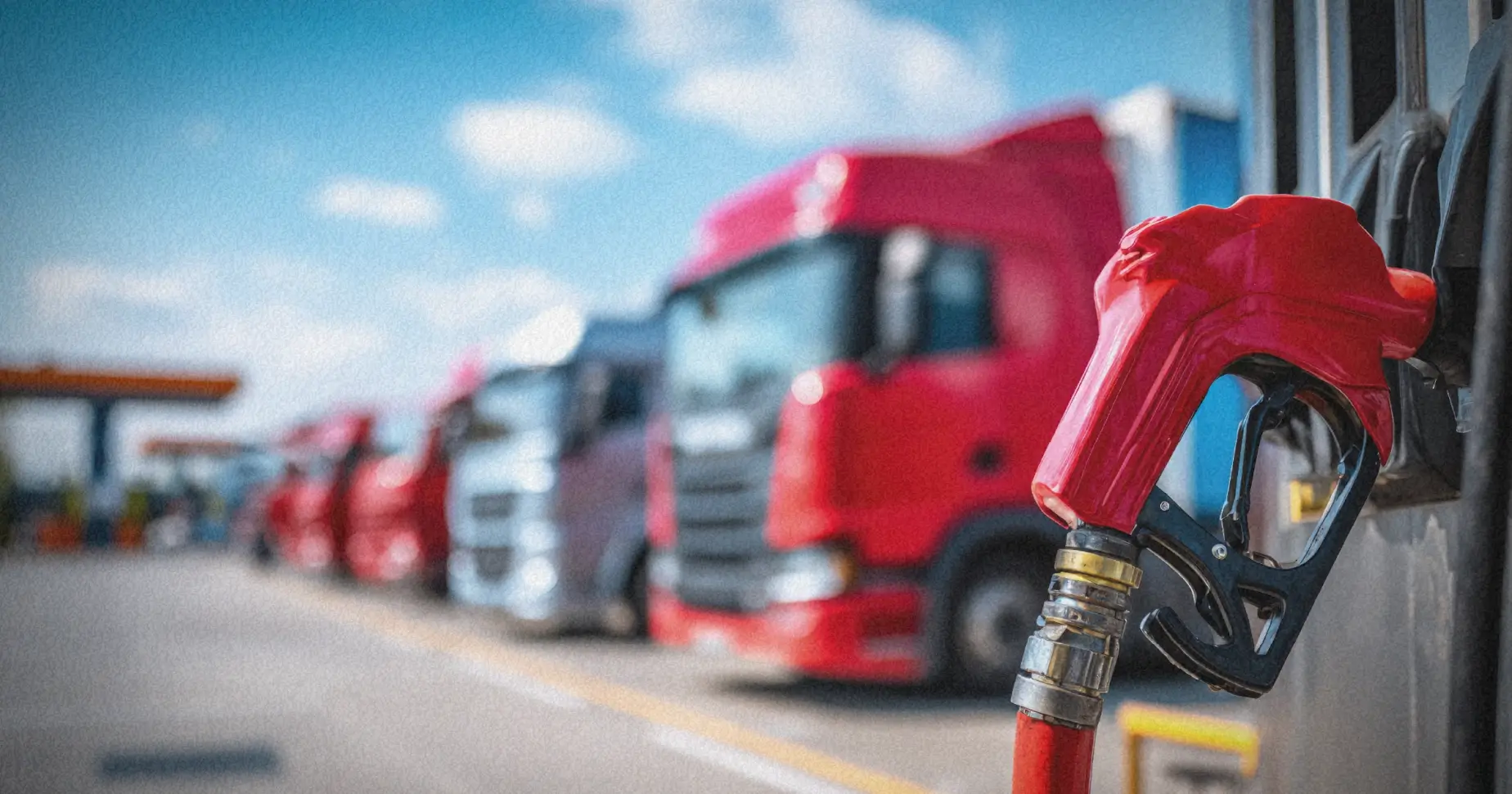
Fleet managers are familiar with the drill. Congestion at the fuel pumps, vehicles that lose their direction solely to get diesel, and the prices of gas that never fail to get out of hand. All this waiting consumes the day, the idling trucks add up to wasted hours, and the bills just keep getting higher.
But smarter options like having gasoline delivery right to the site or scheduling regular drops for fueling trucks are the better way now. These speed up operations and make life easier for everyone on the team. We will see why these fleet truck fueling solutions can reduce your fuel expenses, minimize the time wasted, and enable fleet managers to maintain a cost-effective fleet operation.

What Are Fleet Truck Fueling Solutions?
Fleet truck fueling solutions are services that help businesses fuel multiple vehicles more efficiently. Instead of drivers stopping at public gas stations, fuel is delivered or managed in a centralized way to save time, lower costs, improve security, and give managers better fuel tracking. Here are the popular fueling options for fleets:
Common Fueling Options for Fleets
On-site fueling, also called wet hosing, means fuel is delivered to a fixed location such as a yard, terminal, or construction site. The fuel is dispensed from a stationary setup, usually overnight.
Whereas in mobile fueling, mobile fuel delivery truck services deliver fuel directly to vehicles or equipment wherever they are parked, which can include multiple or changing locations. For instance, at a depot, a job site, or even a driver’s home, saving even more time.
On the other hand, bulk diesel tank delivery stores large amounts of fuel at your facility and refills it regularly. This helps lower fuel expenses through volume pricing. Public fueling stations are the most popular option. But they are also the least efficient, as drivers lose time, fuel costs are higher, and managers have less control.
Why Traditional Fueling Wastes Time
The conventional fueling method is time-consuming since drivers are forced to pull off the road to visit the retail gas stations. This contributes additional miles and wear to the vehicles. Fueling drivers also go out of service as they stand in queues, fill gas, and make payments, creating idle time in the fleet. On top of that, retail fuel costs more per gallon, and using company cards at public stations makes it harder to control spending and prevent misuse.
Stop sending drivers to the pump
Fuel Logic delivers diesel, gasoline, and DEF directly to your fleet — on your schedule, at your location.

Types of Fleet Fueling Services That Reduce Costs
For fleet decision-makers, choosing the right fueling service is both a cost and efficiency decision. The important thing is to find a solution that removes the problems of retail fueling. Here are the main fueling options designed to help fleets save money and operate more efficiently:
On-Site Fleet Fueling (Wet Hosing)
This fueling model focuses on convenience and centralized control by delivering fuel directly to a fleet’s home base or depot. The trucks are fueled when parked, usually overnight. Thus, the drivers do not waste paid time stopping to get fuel.
This reduces the expenses by eradicating refueling detours and enabling the fleet to purchase fuel at commercial prices as opposed to the high retail prices. On-site fueling is most efficient with fleets that go back to the base night after night, like local delivery vehicles, municipal fleets, and regional trucking terminals.
Mobile Fleet Fueling
This option of fueling is characterized by flexibility and averting downtime prior to its occurrence. Instead of driving to a fuel station, the trucks are fueled directly where they are parked, such as at job sites or logistics hubs. The largest cost savings are achieved by fueling at night or off-hours.
Thus, all the vehicles are completely filled and prepared to be operated without interruption in their day-to-day operations. Mobile fueling of fleets is particularly useful in construction, last-mile delivery, and field-service fleets with tight schedules and distributed vehicles. This makes fueling a behind-the-scenes process instead of a daily productivity loss.
Bulk Diesel Delivery for Private Storage
The bulk diesel delivery option offers the lowest per-gallon fuel expenses and strong supply security. In this model, a fleet installs its own bulk storage tank at its facility, and a supplier delivers large volumes of diesel on a scheduled basis. Buying fuel in bulk directly from a distributor provides maximum volume discounts.
It also establishes a dependable on-site fuel reserve, which is used to cushion against market price volatility, as well as supply interruptions. But fleets have to deal with regulatory factors, such as environmental regulations, permits, and maintenance of tanks, which gives an additional operational responsibility.

Fuel Management Systems to Track and Control Costs
A Fuel Management System (FMS) adds the technology and data needed to turn fueling services into a tool for better efficiency and cost control. While on-site or mobile fueling manages fuel delivery, an FMS focuses on the information side of fueling.
Fuel Logic also provides 24/7 fleet fuel management to help businesses track fuel use, analyze, manage spending and automate fuel use, allowing managers to move from simply buying fuel to managing it as an important operational asset. Here’s how FMS can track and control fuel expenses:
Monitoring Fuel Usage Across the Fleet
An FMS places fuel expenditures in check by transforming vague expenses into quantifiable information. The system, combined with telematics and onboard sensors, monitors fuel levels and consumption and real-time idling. Managers are able to track the use of fuel by vehicle, driver, and route. They can also identify inefficient routes, ineffective trucks, or even inefficient driving behaviors such as aggressive acceleration or idling.
Moreover, monitoring fuel consumption aids in the prevention of theft and unauthorized use by marking the exception between the fuel dispensed and the mileage. It also carries out measures such as mandatory PINs at the pump, making fuel a safe and auditable resource.
Forecasting Fuel Needs
Fuel forecasting turns an FMS from a tracking tool into a planning engine. By analyzing past fuel use, routes, and seasonal trends, the FMS helps schedule deliveries efficiently. This eradicates the shortages that bring about operational stagnation and avoids unused fuel that can eat up capital and create storage risk.
In addition to that, the system can automatically produce optimal fuel orders, which are delivered at the right place and time, and in the right quantity. This reduces emergency purchases and keeps fuel supply in sync with operational needs.
Time and Cost Savings: What the Data Says
Efficient fleet fueling solutions deliver significant time and cost savings, backed by data from sources like the U.S. EPA’s SmartWay program. A Geotab study shows that drivers often travel about 2 extra miles to reach a retail fueling station. This adds over 20 minutes per stop when including travel and wait time. These extra miles and minutes increase engine use, idling, and vehicle wear over time.
But on-site and mobile fueling eradicates these daily trips, saving 15–20 minutes per stop. For a truck refueled five days a week, this adds up to 1.25–1.67 hours weekly, or 65–87 hours of driver productivity per year. These prevented trips also cut 10–15 minutes of off-route driving, reducing engine runtime, idling, and vehicle wear.
Furthermore, switching from retail to bulk fuel management lowers per-gallon costs by accessing commercial wholesale rates. A 2025 government fleet price list shows that bulk DEF delivered under contract costs about $1.40–$1.60 per gallon. While DEF bought in small retail jugs costs $4.00 or more per gallon—a savings of roughly $2.50 per gallon when buying in bulk. The EPA’s SmartWay program is also a leading benchmark for fleet efficiency and sustainability, offering strong third-party proof of the benefits of structured fuel management.
Since its inception, partners have saved $55.4 billion in fuel costs, conserved 397 million barrels of oil, and prevented 170 million metric tons of CO₂ emissions. While technologies like telematics can reduce fuel use by up to 14%. These measures indicate that the contemporary fueling strategies are a high-impact investment in efficiency and cost management.
In order to estimate fleet savings, begin by monitoring the amount of time spent every day by the drivers on detouring, waiting, and fueling. Then multiply by the number of vehicles and workdays. Examine monthly fuel and DEF bills to establish a retail fuel and DEF price, and obtain commercial fuel price offers from the on-site or mobile fueling vendors. When you have telematics data, then apply the price to measure idling and unproductive routes, which can be improved.
⚡ Key Takeaways
- Fueling of fleets eradicates the unwarranted driver downtimes incurred during visits to petrol stations.
- Mobile fueling, bulk delivery, and on-site assistance services are a few options that reduce fuel and operational expenses.
- Fuel tracking tools such as the Fuel Management System (FMS) improve fueling services by avoiding waste, theft, and inefficiency.
- Fuel Logic offers countrywide fleet fueling services, such as mobile, bulk, and on-site DEF, gasoline, and diesel delivery to ensure that your trucks are operational.
Frequently Asked Questions
What is the difference between on-site fueling and mobile fueling?
On-site fueling delivers fuel to a fleet’s fixed location, like a depot, where vehicles are filled while parked. Whereas you’ll only have to look for “mobile fueling service near me,” and they’ll bring fuel directly to vehicles at job sites, yards, or drivers’ homes. This provides more flexibility for fleets with dispersed operations.
How much can fleet fueling services save compared to retail fueling?
You can save 15–20% per gallon with on-site fuel solutions for your fleet, along with extra savings from less driver downtime, fewer detours, and lower admin costs. This often totals thousands of dollars per vehicle each year.
Do mobile fueling services deliver DEF too?
Most full-service mobile fueling providers also supply Diesel Exhaust Fluid (DEF). So your diesel vehicles can be refueled and topped up with DEF in the same service visit.
Is bulk diesel delivery right for small fleets?
Bulk fuel storage can function for small fleets with high fuel use and a secure location, offering lower per-gallon costs. However, you’ll need upfront tank investment and regulatory compliance, so mobile or on-site fueling is usually easier for smaller operations.
How do I monitor fuel consumption in my fleet?
You can employ a Fuel Management System (FMS) with telematics to track fuel use by vehicle and driver. It can also spot inefficiencies or theft and generate reports that help optimize routes and cut waste.
Do you have more questions to ask? We’ll gladly oblige. Contact Fuel Logic today for queries regarding your fleet fueling!
Ready to simplify fleet fueling?
Whether you need mobile fueling, bulk diesel, or DEF delivery — Fuel Logic serves fleets nationwide with no long-term contracts.
How Fuel Logic Simplifies Fleet Fueling
Fleet truck fueling solutions save time and money by keeping vehicles fueled without taking drivers off their routes, reducing downtime, and cutting fuel costs. Fuel Logic offers simple and convenient fleet fueling options with custom schedules, coverage across major metro areas, and combined delivery of DEF, gasoline, and diesel.
You can order fuel directly for your job site or fleet, speak with our fleet expert for personalized guidance, or learn more in the FAQ section. Rather than searching the internet for “mobile fuel delivery near me,” contact Fuel Logic for mobile fleet fueling. Order your desired fuel type in bulk, and we’ll keep your fleet operational while saving both time and money.


