

Long idling, harsh acceleration, and poor route choices are some of the main reasons behind high fuel use in fleet operations. These driving blunders quietly increase fleet fuel expenses. The US Department of Energy estimates that more than 6 billion gallons of gas and diesel are lost to idling each year.
Gamifying fuel efficiency through rewards and recognition can help fleet companies change these driving habits. When fleets introduce these incentives, drivers start to focus on their driving behavior and fuel use. Companies that use gamification report a 36% rise in employee engagement, and 90% of employees say it improves productivity.
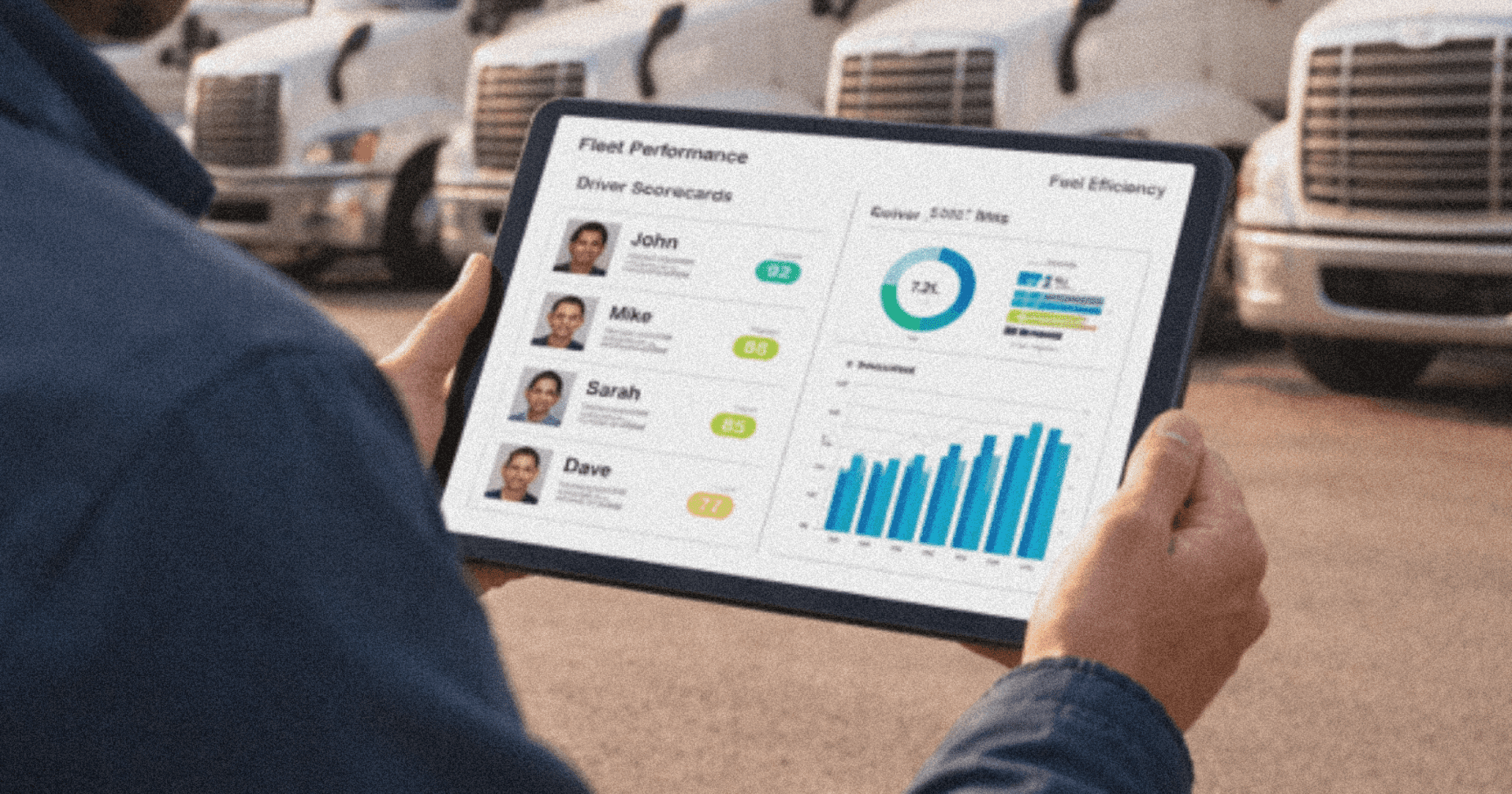
In fleet operations, driver performance metrics track fuel use, idle time, and driving style. These results are displayed in scorecards, so the drivers can see fuel waste and adjust their driving habits.
This blog explains how gamification can change driver behavior through data, rewards, and performance tracking. We have also provided complete details about setting up a fuel efficiency gamification program to increase driver engagement.
What Gamifying Fuel Efficiency Means for Fleets
Gamifying fuel use means applying game ideas like scores, targets, and rewards to driving tasks. This method turns raw data into something drivers pay attention to each day. It relates driving activity to trackable results:
From Tracking to Motivation
Traditional fuel tracking reviews results after a trip ends. Managers review fuel consumption and point out issues later. This method responds to problems but does not influence driver behavior during the trip.
Gamification changes this by offering rewards, bonuses, and recognition that draw driver interest and encourage participation. It also adds goals, incentives, and feedback from fleet managers and system inputs.
These metrics work in one system, so drivers understand what affects fuel economy during each trip.
Key Metrics Behind Fuel Efficiency
Fuel efficiency depends on various measurable factors linked to driver behavior. Idle time shows engine use when the vehicle does not move. Similarly, harsh braking and rapid acceleration increase fuel use and affect performance.
Route selection also affects fuel efficiency, as longer or congested paths increase fuel consumption. Using cruise control maintains a consistent speed, which helps control fuel burn on open roads. Fuel used per mile combines all factors into a single value that reflects fleet performance. Pairing good driving habits with fuel-efficient vehicles gives fleets an even stronger baseline to build on.
Each metric relates to driver actions, so drivers see the direct results of each action. This link between metrics and behavior strengthens fleet fuel management and improves fuel economy over time.
Why Gamification Works for Drivers
MIT analysis shows aggressive driving can reduce fuel economy by 15% to 30% on highways and 10% to 40% in stop-and-go traffic. Fleet programs that guide driver behavior can lower fuel use and improve efficiency:
The Psychology of Competition and Recognition
Driver behavior gets influenced by visible targets and direct feedback. Internal awards, performance bonuses, rankings, and progress updates motivate drivers to perform duties in a responsible way. A driver scorecard presents driving data in one place, so each driver views actions taken during every shift.
Competition among drivers also improves efficiency in fleet businesses. Leaderboards place drivers in comparison groups, which increases interest in improvement. Badges give recognition for results like lower fuel use or safer driving patterns. This positive reinforcement creates motivation through recognition instead of penalties.
Real-World Fleet Examples
Many trucking and delivery companies use digital tools inside fleet fuel management systems to track fuel use and driver activity. These systems use GPS and onboard sensors to collect real-time data on vehicle location, speed, fuel use, and driving patterns.
The data appears on dashboards that both drivers and managers view. These shared dashboards build team awareness. Drivers compare results, discuss performance patterns, and adjust driving habits based on group outcomes. Managers use the same data to shape coaching and feedback sessions.
Recent industry data shows companies using telematics report up to 15% reduction in fuel costs and about 12% rise in productivity. Reduced idling time, improved driving habits, and stronger route discipline drive these results.
How to Set Up a Fuel Efficiency Gamification Program
A fuel gamification program helps companies change driving performance into tracked results. It gives drivers direct feedback on fuel consumption and driving habits through real data, improving fleet performance:
Step 1: Identify the Right Metrics
Businesses can use telematics and a fuel tracking system to collect driving data and select useful metrics that align with company goals. These metrics include miles per gallon, idle time, and fuel use patterns. This data helps measure driver behavior and supports decision-making in fleet operations.
Step 2: Build Driver Dashboards
Next, businesses can combine GPS and fuel information into one scorecard format. This scorecard shows driving pattern, fuel use, and route performance. Drivers access results through mobile apps or in-cab displays.
After each trip, drivers see feedback that shows driving behavior and fuel use, along with the trip result. This direct performance feedback also helps improve driver engagement.
Step 3: Reward the Right Behavior
After that, companies can build reward systems that aim to inculcate fuel-efficient driving habits. Businesses can award bonuses and small prizes for drivers who show improvement in fuel economy. Ensure transparent and fair scoring rules so drivers can understand how to qualify for rewards.
Setting up a gamification program is easier when fuel data is accurate and consistent
See how Fuel Logic’s fuel management tools can give your drivers reliable data to compete on.
Using Data to Reinforce Good Driving Habits

Fleet data records driver behavior and fuel usage through connected technology systems during travel. Managers study this information to identify driving behavior and fuel consumption levels. Let’s understand how this works:
Fleet Telematics Integration
Fleet telematics integration means connecting vehicles with tracking tools to record driver behavior in real-time. Fuel management systems collect engine signals and fuel readings, which help detect unusual usage early and reduce fuel loss risks.
Auto-generated reports turn this data into short summaries that show driving behavior trends and fuel consumption details. Managers review these reports and build management plans to prevent any unnecessary expenses.
Performance Feedback Loops
Regular review sessions between fleet managers and drivers create a direct exchange of driving data. Managers examine trip records from fuel tracking systems and then use data-driven coaching during these discussions. This helps drivers understand how driving decisions can change fuel consumption.
Fuel management systems provide updated reports after each cycle, which enables ongoing review and continuous improvement in driving behavior.
Measurable Results: From Data to Dollars
Gamification in fleet work shows strong value when it connects with data and spending. It ties driver behavior to fuel savings and business return. The following are some advantages of gamifying fuel efficiency in fleet operations:
Reduced Fuel Consumption
Gamification reduces fuel waste by changing driver behavior through feedback, incentives, and rewards. Drivers avoid long idle time and harsh driving when they see real-time feedback and performance scores.
Cutting idle time can reduce 10% of total fuel consumption. Less idle time also reduces engine wear because the engine does not run in low-efficiency conditions for long periods.
Higher Driver Retention
Drivers see a fair evaluation of their work, which builds trust in the system. As a result, frustration reduces because drivers understand what affects their performance scores.
At the same time, rewards and recognition build motivation to perform better. Drivers feel valued, which lowers job turnover and improves retention in fleet teams.
Compliance and Sustainability Benefits
Lower fuel use means fewer carbon outputs and reduced operating costs. This shift links with EPA SmartWay goals, which focus on cleaner transport practices and better fuel use. In this way, gamified systems convert driver activity into visible progress to meet compliance targets and control expenses.
Ready to cut fuel costs the way these fleets did?
Talk to a Fuel Logic specialist about a fuel delivery and management plan built for your fleet.
Frequently Asked Questions
What are the best metrics to track fuel-efficient driving?
Miles per gallon, idle time, harsh braking, speeding, and fuel use per trip are the best metrics. Fleet teams use these figures to understand fuel efficiency in real driving conditions and review driver performance based on actual trip data.
How do leaderboards improve driver behavior?
Leaderboards show driver rankings based on fuel consumption and driving performance. They create comparisons among drivers and encourage them to improve their results. Drivers try to improve fuel-efficient habits to reach a higher position and earn incentives.
Do rewards really cut fuel costs?
Drivers start improving their driving habits because they receive bonuses, rewards, or recognition for better fuel performance. This results in less idle time, better driving behavior, and lower fleet fuel usage.
What tools help manage gamified fleet data?
Fleet companies manage their gamified data using telematics tools, fuel tracking systems, and GPS technology. These tools collect driving information, track fuel consumption, and show driver performance. They also help create dashboards and reward reports for drivers.
Does Fuel Logic help fleets with fuel data tracking?
Fuel Logic records fuel deliveries and vehicle fuel consumption using advanced fuel management tools and reporting features. Fleet managers can then use these up-to-date records to track fuel use and manage their fleet expenses.
⚡ Key Takeaways
- Gamification adds rewards, goals, and feedback that encourage better driving habits and lower fuel waste.
- Fleet telematics and fuel tracking systems show driver behavior and fuel use through real-time data.
- Data transparency builds accountability among drivers and fleet teams.
- Data-based coaching and regular manager-driver reviews show how driving changes affect fuel savings and cost control.
- Fuel efficiency improvements also reduce fleet fuel emissions and align with EPA SmartWay type standards.
Improve Your Fleet Fuel Efficiency with Fuel Logic
Want to control your fleet fuel expenses and improve driver performance? Use reliable on-site fleet fueling and diesel delivery services to reduce downtime and increase fuel efficiency.
Fuel Logic is a reputable fuel delivery provider you can trust for all types of fleet fuel delivery services. We supply high-quality gasoline, DEF, and diesel fuel at multiple locations in the United States.
Contact Fuel Logic today or order fuel to schedule your fleet fuel delivery and take the next step toward better fuel control. You can also refer to the FAQ section to learn how our agency works.



