

Fuel expenses can build up quietly through small issues like missed entries, wrong mileage, or minor theft, which can slowly increase fleet expenses. Studies show fleets can lose about 2–5% of fuel spend to misuse and fraud, and these losses are hard to notice without a clear system.
This is why fuel accountability is important. When drivers correctly log fuel and submit proper driver fuel reports, it becomes easier to spot and reduce waste. Without training, small mistakes can grow over time and reduce visibility. So, this guide shares practical steps to train drivers on fuel accountability and reporting. It also shows how fleet fuel management tools like Fuel Logic can help keep fuel expenses under control.
No need to look for fleet fueling near me. Contact Fuel Logic and have your fleet fueled on-site to improve accountability!

Why Fuel Accountability Matters
Fuel accountability is significant, as it assists fleets in managing costs, increasing productivity, and remaining compliant. Here’s how:
Rising Fuel Costs and Untracked Usage
One of the most costly things in fleets is fuel, and so proper tracking is crucial. In the absence of an appropriate fuel management system (FMS), money is slowly wasted by mishandling, fraud and unauthorized use of fuel.
Around 18% of fleet managers indicate that they have suffered from lost or stolen fuel cards, and about 12% of total fuel expenditure is lost due to unauthorized purchases. This shows how weak controls can quickly lead to significant fuel losses.
Impact on Fleet Efficiency
Proper fuel information can guide the fleets in their operations. So, they can be more productive with route planning and fuel purchasing. Fuel productivity can vary by as much as 35% between the worst and the best drivers, just due to their driving habits.
Intelligent purchasing based on timing, location, and discounts can also save $0.10–$0.30 per gallon. While better route planning can reduce about 20-30% of fuel consumption for a fleet per day.
At a larger level, AI-based fuel systems that combine routing, maintenance, and telematics can reduce fuel expenses. In fact, a NACFE report shows that fleets operating 75,000 trucks saved $512 million using fuel productivity technologies.
Accountability as a Safety and Compliance Factor
Fuel accountability is also important for safety and legal compliance with the DOT and FMCSA regulations. Fleets must also keep accurate records for International Fuel Tax Agreement (IFTA) reporting.
Any missing or incorrect data during audits can lead to fines of over $10,000 per violation and even force vehicles out of service. Fuel accountability also helps detect vehicle issues early and must match Electronic Logging Device (ELD) data. Without proper tracking, fleets risk penalties, failed inspections, and delays.
Avoiding IFTA penalties starts with clean, automatic fuel records.
Schedule a fleet fuel delivery with Fuel Logic and get every gallon logged for you.

Core Components of a Driver Fuel Accountability Program
A strong fuel accountability program needs the following core elements to function properly:
Clear Fuel Use Policies
Truck driver fuel card misuse often starts with small issues like personal purchases or using the wrong stations. But this can be avoided by companies by establishing strict boundaries like the fuel type, spending limit, and rules on daily usage.
Receipts are significant even in the case of digital tools. Instruct drivers to log the ID and mileage at the pump and hand in the receipts on time with the help of mobile applications. Approved fueling stations and limits based on tank size also help catch unusual activity early.
Accurate Fuel Reporting Systems
Paper logs and spreadsheets often lead to mistakes, missing data, and delays. But digital systems solve this by automatically recording fuel details at the time of purchase.
The information, such as driver, mileage, fuel amount, cost, time, and location, is captured each time the fueling happens. This information is transmitted to a central system, so it is simple to identify errors, fraud, or unsafe conduct.
Real-Time Data Integration
GPS and telematics can only make fuel data more powerful. These systems monitor the position of vehicles, their fuel consumption, and driver actions in real-time. Telematics are used by most fleets and can result in 20-30% fuel savings and great payback.
Real-time monitoring also assists managers in responding promptly to problems rather than waiting to be reported. This improves accountability and aids in the prevention of fuel misuse.

How to Train Drivers on Fuel Accountability
Driver training functions best when it is simple, practical, and done step by step. This is how your fleet drivers can be trained to be fuel accountable:
Step 1: Start with Awareness
The first step in training should be to make the drivers realize why it is important to be accountable for fuel rather than rules. The diesel consumption can differ among drivers because of habits such as speeding or hard braking, and simple improvements like reducing idling and speeding can increase fuel productivity by 10–15%.
But sharing fuel data and goals helps drivers see it as teamwork, not control. Additionally, habits like less idling and perfect driving should be taught to them to lower costs and increase safety.
Step 2: Use Hands-On Demonstrations
On-the-job training is more viable, where the drivers learn best through doing. So, show them exactly how to record fuel using the same tools they use on the job. Though digital systems often capture basic details automatically, drivers still need to enter some information manually.
For a paper driver log book, teach them about frequent mistakes like missing fields or wrong entries. But for apps, train them through each step and what to do if problems happen.
Step 3: Include Fuel Card Training
Fuel cards can cause problems if the rules are unclear. Drivers need to be aware of which card applies to which vehicle, approved fuel types, limits on spending, and the fact that PINs are to remain confidential. They are not to make errors, such as swiping twice and understand how to report things such as pump failures or suspicious behavior.
Step 4: Reinforce Through Routine Audits
Managers should regularly review fuel data to catch issues early. Weekly checks help spot problems quickly, while monthly reviews show trends. Also, audits should look for warning signs like unusual fuel amounts, wrong locations, or incorrect mileage. When used for feedback, not punishment, drivers improve, and accountability stays strong.
Tools That Help Track and Report Fuel Use
Using the right fuel tracking systems makes it much easier to monitor fuel usage accurately and in real time. Here’s how:
Mobile Apps and Fleet Portals
A significant number of fleets currently operate under a single system, rather than individual GPS, ELDs, inspection, and fuel reporting tools. Mobile applications enable drivers to record fuel immediately, minimize errors and misplaced receipts, and verify their location with GPS.
These systems also connect with accounting and fuel cards, so all data stays in one place.
Automated Reporting Dashboards
Dashboards turn fuel data into simple reports that show usage patterns and problem areas. Managers can quickly see high fuel use, unusual transactions, or performance drops.
Dashboards also create driver scorecards and alerts for issues like wrong locations, duplicate entries, or fuel spikes. This helps improve accountability and performance.
Partnering With Reliable Fuel Providers
Even with good systems, poor or missing fuel records can reduce accuracy. That’s why dependable fuel providers are important. On-site fueling services automatically record fuel details like amount, time, location, and vehicle ID.
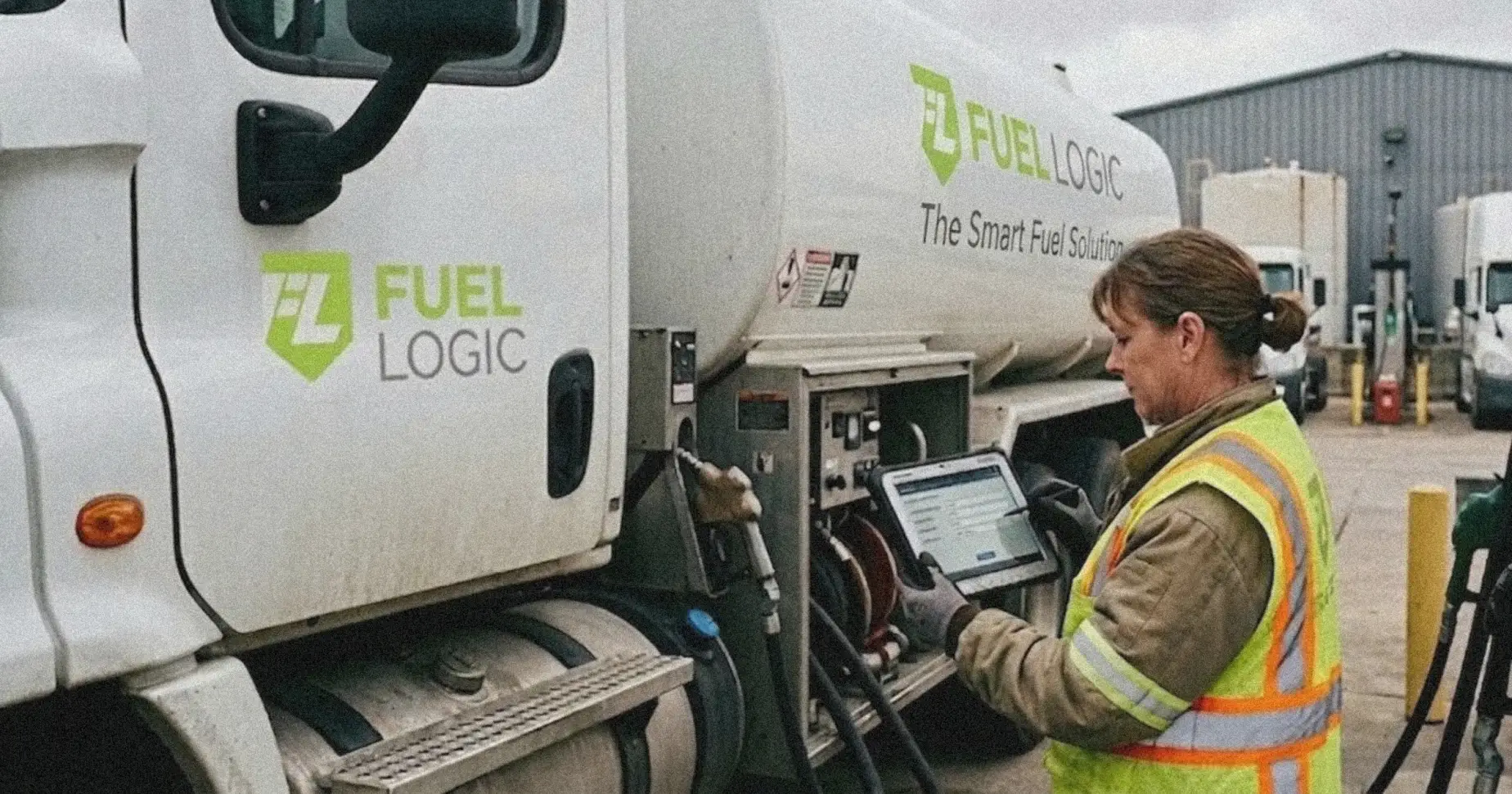
This improves accuracy, reduces theft risk, and helps with reporting and compliance. Providers like Fuel Logic also make fuel tracking easier by delivering fuel directly to vehicles with full reporting support.
Stop chasing driver fuel logs
Fuel Logic delivers diesel, gasoline, and DEF straight to your vehicles. Every drop automatically logged with time, location, and amount. No stations, no missing receipts, no guesswork.
Handling Fuel Reporting Issues
Even with good systems in place, fleets still need to fix frequent fuel reporting problems quickly and consistently. Here’s how to manage these issues:
Missing Receipts or Incomplete Logs
Paper records often lead to missing receipts, guessed mileage, and untracked fuel use, which can cost fleets about 6% of fuel spend. But digital tools solve this by recording fuel data at the time of purchase. Apps can store receipt photos with time and location, while fuel cards automatically log transactions. Drivers can also enter odometer readings, which helps keep data accurate and complete.
Detecting and Addressing Fuel Theft
Fuel theft is usually small and hard to notice. Fuel cards, GPS, and telematics data should be combined to detect it best. In case something appears wrong, the managers should examine the data first, establish the problem next, and then act if they find that fuel has been misused. Stricter measures should be taken to guarantee that fuel theft does not happen once more.
Continuous Improvement
Fuel accountability must be a consistent process rather than a one-time training. Results may be lost with time, unless there are frequent checks. Reviews once a week and once a month will assist in identifying problems at the earliest stage.
Performance is also improved by refresher training as well as driver feedback. When fleets use data for coaching and recognition, accountability becomes stronger over time. In fact, fleets that combine training, telematics, and incentives can improve fuel productivity by 13–16%.
Want fewer audits and cleaner reports without retraining drivers every quarter?
See how on-site fuel delivery improves accountability automatically.
Frequently Asked Questions
What is fuel accountability training?
Fuel accountability training teaches drivers what the fuel rules are and why they matter. It explains how their fueling habits affect company costs and how to correctly record fuel stops, use fuel cards properly, and report anything unusual.
How often should drivers report fuel use?
Drivers ought to take note of the fuel information whenever refueling happens, rather than at the end of the day or week. Reviewing day-to-day transactions related to fuel aids in uncovering errors, abuse, or suspicious expenditure early, before the expenses escalate.
What’s the best way to track fuel receipts?
The most appropriate approach is to substitute paper receipts with an electronic fuel dispensing tracking system. Digital fuel logs are easy to find and automatically record crucial details like location, time, vehicle, and driver.
How does driver training reduce fuel costs?
Driver training can improve habits like idling too long, speeding, and harsh acceleration to increase fuel productivity.
How can Fuel Logic help fleets maintain accountability?
Fuel Logic delivers fuel directly to vehicles instead of drivers refueling at stations. This makes fueling easier and guarantees vehicles are ready to go each day. Every delivery is automatically logged with details like amount, vehicle, and time, and sent to fleet software. This increases accuracy, removes missing receipts, and assists in audits, compliance, and preventing fuel loss.
See what that looked like for a 33-site logistics operation.
⚡ Key Takeaways
- Fuel accountability training informs drivers on how to use fuel appropriately.
- Monitoring daily fuel use and conducting frequent audits helps in identifying fuel theft or misuse.
- Fuel data can be automatically captured with digital tools.
- On-site fueling services like Fuel Logic improve tracking.
Maintain Accountability With Fleet Fuel Delivery From Fuel Logic
Fuel Logic improves fuel accountability by delivering fuel directly to fleet vehicles instead of having drivers stop at fuel stations. With our mobile or on-site fueling, a fuel truck comes to your job site and refuels each vehicle.
Every diesel delivery is recorded automatically, including the vehicle, fuel amount, time, and cost. So, replace your driver-managed fueling with our fully tracked process, and get better control and visibility over fuel use to control costs.
Contact Fuel Logic today for answers or schedule a fleet fuel delivery!



