

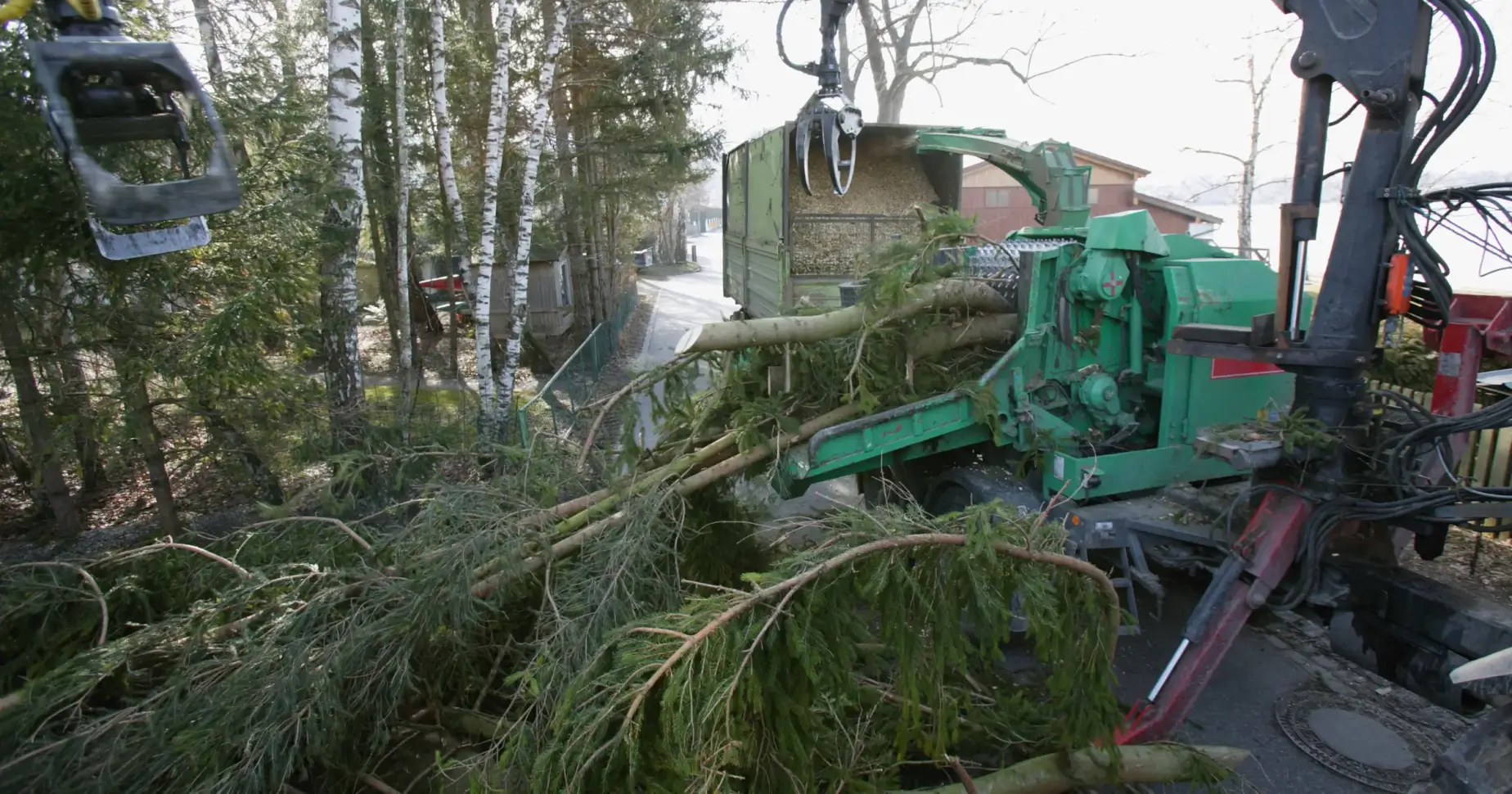
Landscaping and debris removal companies experience sudden shifts from normal to storm-related activities as recovery work takes precedence. At those times, much of the fuel is needed for storm-response crews and landscaping operations to keep equipment functional.
The surge in storm cleanup activity correlates with an increase in landscaping fuel demand for diesel-powered machinery such as loaders, excavators, and dump trucks. In this article, we’ll explain in detail how fuel consumption increases during post-storm work and how mobile fueling helps keep field operations functional without delays.

What Changes After a Storm for Landscaping and Cleanup Crews
In the wake of a hurricane, landscaping and clean-up operations become extra grueling. Here’s how the workload and the use of equipment vary in daily operations:
Workload Shift in Field Operations
Clearing large amounts of fallen trees and debris after a storm is much more work than usual and keeps machines operating almost all day. Skid steers, loaders, and dump trucks often work 10–12 hours daily and travel farther because debris must be taken to distant disposal sites.
This causes more wear on equipment. Fuel usage also increases because machines constantly stop, start, and carry heavy loads. This can increase fuel expenses by 30-40%.
Fuel Demand Pressure Points
Following a storm, fuel consumption spikes, and obtaining it becomes harder, which can slow cleanup activity. Gas pumps are frequently shut down during a power outage, and if they are available, the lines are long for fuel.
Travel and fuel delivery may also be delayed because of ruined or flooded lanes. Meanwhile, engines consume vastly more fuel than normal, meaning that crews can quickly run out of gas if they do not have emergency fuel supplies.
Normal Landscaping vs Storm Cleanup Fuel Demand
To clearly see the difference in diesel demand after storms, let’s compare how normal landscaping operations differ from storm cleanup work:
Baseline Landscaping Operations
Routine landscaping contains periodic tasks, like mowing, trimming, and pruning. Since the work is planned, crews can easily estimate their daily fuel needs. Fuel use is usually steady because the equipment operates under normal conditions and follows efficient routes. Machines also spend less time idling and avoid the heavy workloads frequent during storm cleanup, helping keep fuel consumption predictable.
Storm Cleanup Operations
Machines operate for much longer hours and use more fuel post-storm, as crews run around all day to clear and haul debris. Clearing fallen trees, wet plants, or other heavy material also burn more diesel, as equipment must operate at a higher rate to maintain the lift.

Why Fuel Demand Spikes During Storm Recovery
Here are the main factors that increase post-storm debris removal fuel needs, resulting in high diesel consumption:
Equipment Intensity
Following a storm, equipment such as an excavator, loader, and chipper operates for extended periods. They function for 12 to 18 hours per day to clear a large volume of debris, using much more fuel than short jobs.
Heavy, wet debris also takes more power to move and process, so the equipment functions harder for longer periods. This can raise fuel usage by about 30-50% compared to normal landscaping work.
Logistics Disruption
Getting fuel becomes difficult even when it’s available post-storm. Power outages often shut down gas pumps. Obstructed roads, flooding, and litter are also major obstacles to accessing fuel suppliers and deliveries. So, crews may not be able to get diesel when they need it, even if it’s nearby.
Fleet Expansion During Recovery
Extra machines are brought in from other areas because local crews can’t manage all the debris post-storm recovery. This can greatly increase the number of trucks and loaders working in a single location.
With more equipment operating for long hours, fuel consumption increases a lot. A fleet that normally uses a small amount of diesel each day may use several thousand gallons during cleanup. So, contractors will have to use stored fuel or implement emergency fuel plans.
Fuel Supply Challenges in Storm-Affected Areas
Post-storm, diesel can be difficult to manage. Here’s why getting and storing diesel is challenging in affected areas:
Access Limitations
In the wake of a storm, blocked roads, flooding, and damaged bridges can prevent fuel trucks from arriving at work sites or fuel stations. In some cases, even big fuel terminals will shut down and cut supply for vast areas.
Although diesel may still be available, delivery takes time following storms due to high demand, low number of stations, and unavailability of drivers. Fuel pumps are also out of service during power outages, adding to difficulties in distribution.
Storage Constraints
Following a storm, crews rely on diesel stored on-site, as normal fuel supplies are not available. They usually stash sufficient quantities to cover a couple of days’ worth and will use temporary “tanks” or fuel trucks to refuel equipment on-site.
Strict safety regulations are always in effect, including during emergencies. Fuel storage and spill containment, fire protection devices, and signs must be in place, and refueling should always be supervised to prevent accidents and ecological harm.

Mobile Fueling Role in Storm Cleanup Operations
Mobile fueling helps support storm cleanup operations so the landscaping crews can remain operational despite fuel shortages. Let’s look at how this happens:
On-Site Fuel Delivery Model
Fuel trucks bring fuel directly to work sites instead of crews going to gas stations after a storm. This lets equipment be refueled on the spot, even in difficult areas. It saves time because workers avoid travel, long queues, and blocked roads, allowing machines to keep working and speeding up cleanup.
Fleet Downtime Reduction
On-site fueling increases machine uptime by eradicating travel time to fueling. Fleet fueling landscaping crews refuel equipment during breaks or overnight to prepare for the next shift. This helps avoid delays since machines don’t run out of fuel during cleanup jobs.
Fuel Demand Comparison by Equipment Type
Light landscaping tools and heavy storm cleanup equipment consume fuel in different ways. Here’s how they both compare:
Light Landscaping Equipment
Light landscaping equipment, such as trimmers, blowers, and small mowers, does not require as much fuel as heavy equipment, as they possess small engines. In addition, they are used for shorter durations for various activities during the day, keeping the operating time low. This makes fuel usage easy to manage, usually requiring refueling only once a day.
Heavy Cleanup Equipment
Heavy equipment, such as skid steers, loaders, and dump trucks uses up a considerable amount of fuel. A skid steer has more storm cleanup fuel usage because it is constantly lifting and moving heavy debris. While dump trucks also use more fuel when carrying full loads.
These machines operate for much longer, often 12–18 hours a day instead of just a few hours. Due to the heavy work and longer runtime, they account for most of a fleet’s fuel use.
Operational Planning for Fuel Use During Storm Recovery
It’s important to understand how fuel is planned and managed during storm recovery. So, you can keep the cleanup work operational. Here’s how to do operational planning for fuel usage:
Fuel Inventory Planning
Before a storm, fuel should be stored ahead of time because deliveries may stop. Crews that have stored fuel in safe locations can keep working, while others may run out. Several days, up to two weeks, of fuel stock are suggested.
In times of emergency, equipment consumes more fuel. Knowing this helps the crews plan and save fuel for use in the most critical equipment, such as loaders and emergency vehicles.
Field Coordination
Storm cleanup is a nonstop cycle, so fleet fuel management is planned around loading and hauling activity. Crews refuel at scheduled times during breaks, shift changes, or when the machines return to base. This is time-saving, since the crew won’t need to make multiple trips to crowded gas stations. Fuel is also provided at night or when supplies are low on critical equipment.

Real-World Scenario
The Katrina USACE debris recycling case study explains how FEMA and the U.S. Army Corps of Engineers managed large volumes of storm debris after Hurricane Katrina. Large private contractors, including landscaping and excavation firms, used equipment such as dump trucks, loaders, and wood chippers to collect and move debris. The waste was taken to special sites where it was separated, with vegetation turned into mulch and metals, appliances, and vehicles recycled.
Events like these cause a considerable spike in diesel consumption as the heavy equipment is constantly operating in difficult conditions. But the contractors avoid time lost in looking for a gas station by hiring an on-site fuel delivery service. This enables equipment to be refueled right at debris staging areas so it can continue operating. Once recovery efforts slow down and normal operations resume, fuel consumption returned to regular levels.
⚡ Key Takeaways
- In the wake of a storm, fuel consumption hits a high as landscaping crews work longer shifts with heavy equipment.
- Heavy landscaping equipment takes in more diesel because it is used for longer periods.
- Blackouts, obstructed roads, and long lines at fuel stations make it difficult to get fuel, thereby slowing down operations.
- By fueling machines at the job site, mobile fueling guarantees they’re up and functioning, which decreases downtime.
- Following storms, fuel demand spikes and then gradually returns to normal as recovery proceeds.
Frequently asked Questions
Why does landscaping fuel demand rise after storms?
Diesel consumption spikes after a storm, as landscaping crews work longer shifts and with heavier equipment to clear debris. Meanwhile, fueling also becomes difficult as emergency workers and residents are filling up their tanks, leading to delays and shortages.
What equipment uses the most fuel during storm cleanup?
Heavy landscaping equipment, such as excavators, loaders, skid steers, dump trucks, and chippers, consumes more diesel during storm cleanup operations. They function longer and more strenuously, with dump trucks and grinders consuming the most diesel, as they constantly move and process debris.
How long does fuel demand stay elevated after a storm?
Fuel demand is very high right after a storm. In the first 1-4 days, emergency teams and utility workers utilize large amounts of diesel for generators and repair vehicles. But over the next 1-3 weeks, demand will remain above normal as people return home and businesses resume operations.
Can mobile fueling support disaster recovery fleets?
Yes. Mobile fueling for landscaping fleets supplies diesel directly to job sites, removing the need to travel to congested or ruined fuel stations. Mobile fuel trucks transport a considerable quantity of diesel immediately to emergency vehicles, generators, and heavy machinery, even if the road is obstructed.
What fuels are most used in cleanup operations?
The primary fuels used in storm cleanup are diesel and gasoline. Heavy equipment is powered by diesel because it is more efficient and is generally more widely available than gasoline. Whereas smaller equipment, vehicles, and generators use gasoline.
On-Site Fueling for Storm Cleanup Fleets With Fuel Logic
During storm cleanup and recovery, fleets often waste time going to fuel stations. Fuel Logic fixes this by providing mobile landscaping fuel. On-site refueling and vehicle ID tracking mean you can see how much fuel is being used and the cost of it. There are no contracts, or setup required, and our service is available 24/7 across the US. So, contact Fuel Logic for landscaping fuel delivery or call us, and we’ll answer your queries!




