

Fuel Logic Blog
A Resource For Business, Fuel Managers And Fleet Managers
-
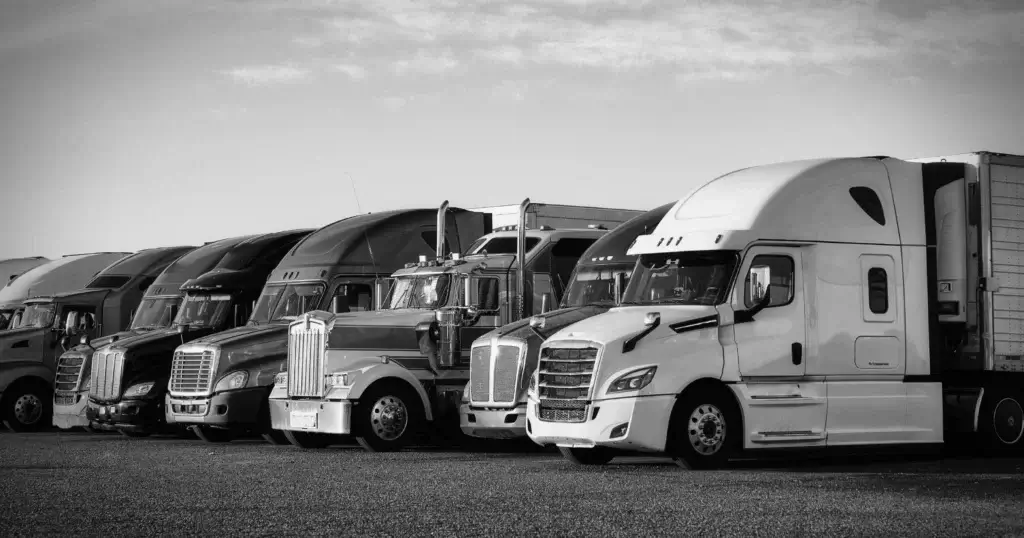
Top Fleet Management Duties for Optimized Fleets
Fleet management duties for optimized fleets include ensuring compliance with safety regulations, implementing cost-effective maintenance programs, and leveraging technology like GPS tracking and telematics for enhanced efficiency, improved routes, and reduced fuel waste to address the 60% fuel cost in fleet operating expenses. Every drop of fuel wasted is money burned. Fuel makes up approximately…
-
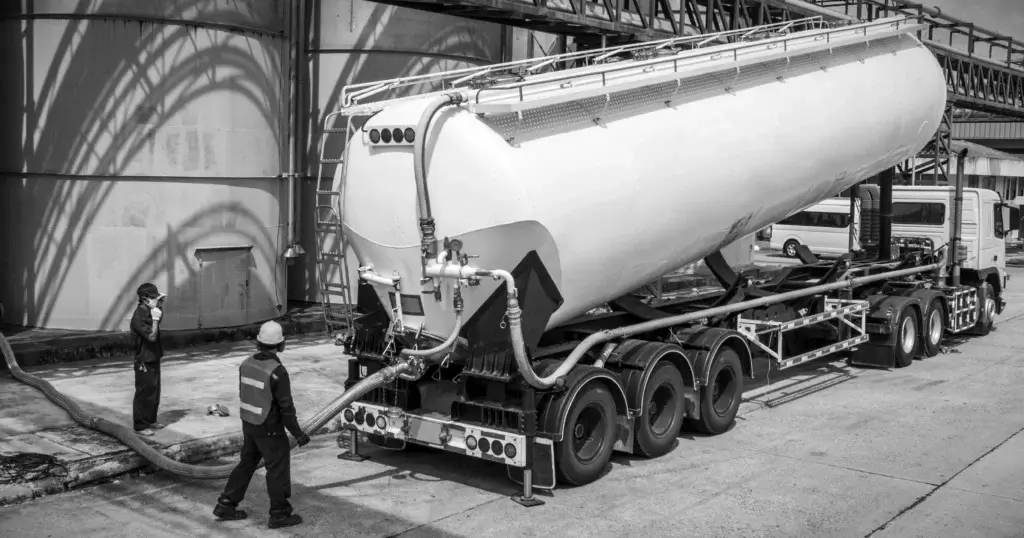
Diesel Refueling Safety Bulletin [2025 Updated]
To ensure diesel refueling safety, it is crucial to use personal protective equipment and proper tools, prevent tank overfilling, use approved containers, maintain ventilated areas, and check for leaks. The refueling area must be smoke-free, equipment grounded to eliminate static, and regular maintenance performed to keep all spaces clean. As we all know diesel fuel…
-

Do Fuel Additives Really Work?
Fuel additives, while not a universal solution, can be helpful in specific scenarios by cleaning fuel systems, stabilizing fuel, and preventing water buildup. They are most beneficial for older vehicles, in cold climates, or for long-term fuel storage, rather than for all applications. You have probably noticed that automotive maintenance stores have shelves filled with…
-
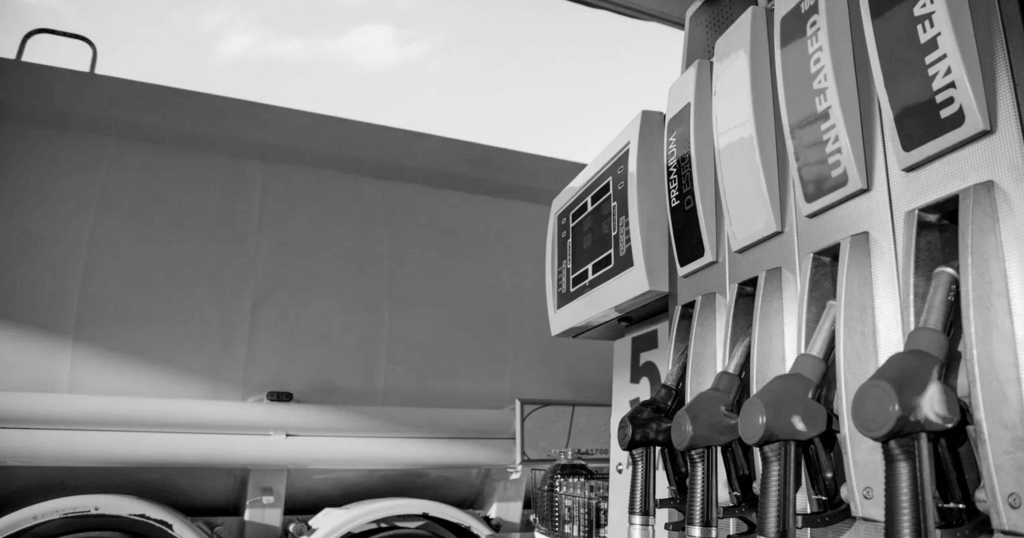
What are the Benefits of Premium Gasoline?
Premium gasoline, with an octane rating typically between 91 and 94, enhances engine performance and efficiency, prevents engine knock and ping, and contributes to a cleaner engine with reduced emissions. It also promotes the longevity of high-performance engines by ensuring smoother combustion. Do you also think premium gas is just for luxury cars? Think again.…
-
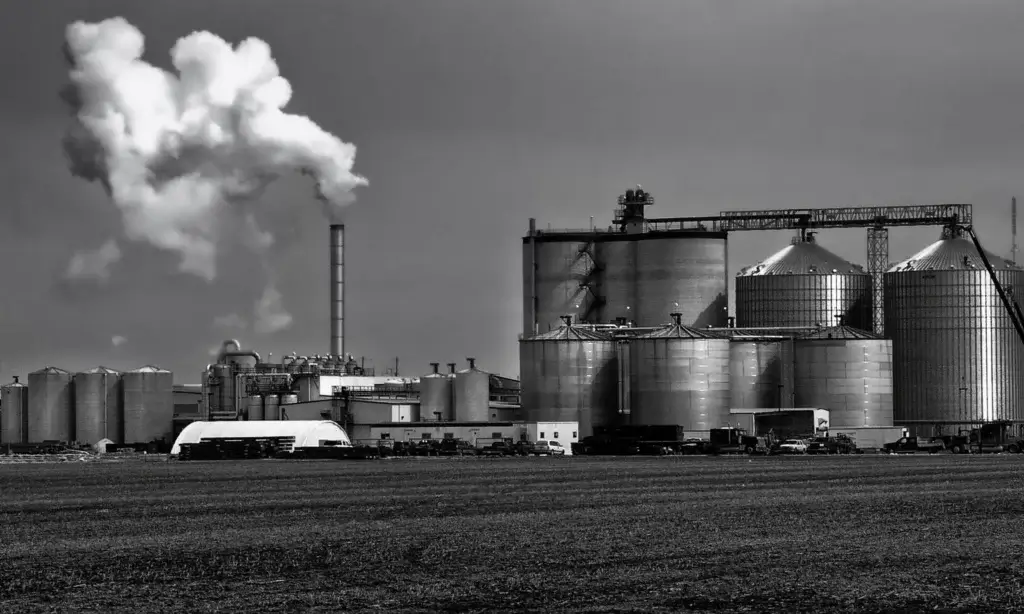
What is Ethanol Fuel?
Ethanol fuel, an ethyl alcohol from the organic chemical group, is a renewable, plant-based energy source reducing harmful emissions and contributing to carbon neutrality. Common ethanol blends like E10, E15, and E85 vary in concentration, with low blends safe for most vehicles and higher blends primarily used in flex-fuel vehicles. Ethanol fuel is an introduction…
-
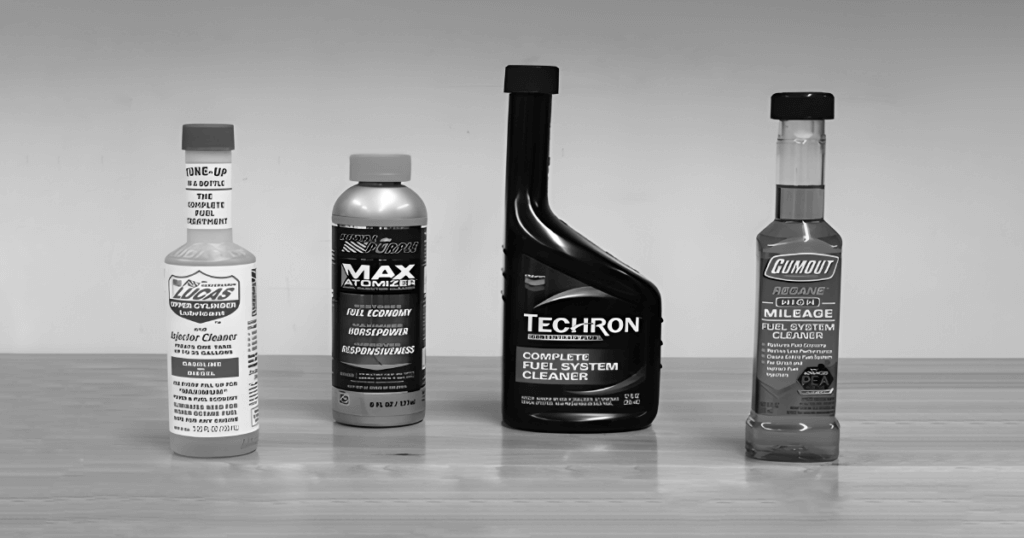
How to Use Fuel Injector Cleaner: Step-by-Step Guide + How Much to Add
Pour one full bottle of fuel injector cleaner into a near-empty gas tank, then fill up immediately with fresh fuel. Most bottles treat 10 to 15 gallons at roughly 1 oz per gallon, but always check the label for your specific product. For best results, repeat every 3,000 to 5,000 miles as part of your…
-
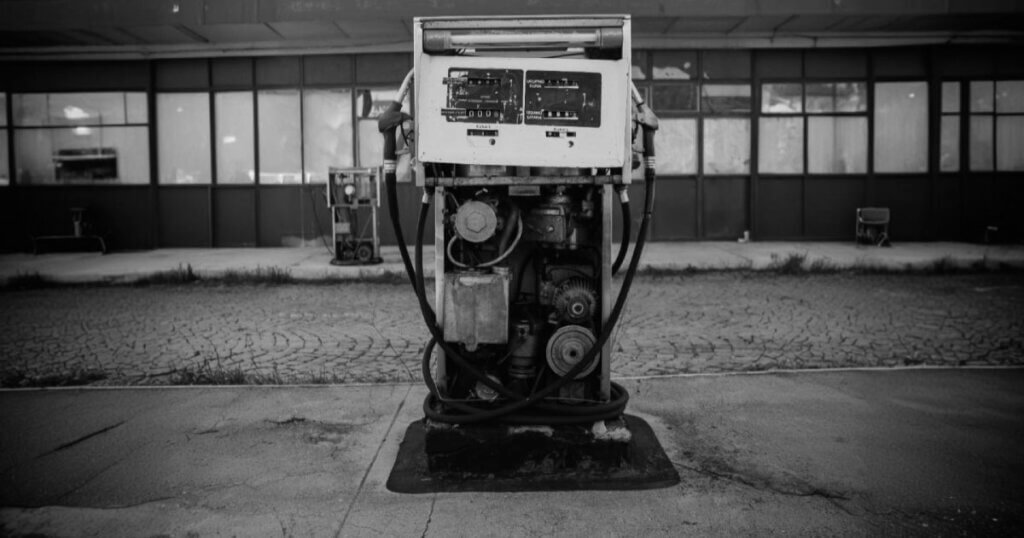
How to Spot a Faulty Gasoline Pump and What to Do About It
As of 2025, approximately 1 in 5 gas stations in Houston had at least one faulty pump, frequently exhibiting “pump jumping” where charges are processed before fuel dispenses, leading to less fuel being received than paid for. Other signs of a faulty pump include slow flow, inconsistent pumping, no gas dispensing, failure of automatic shutoff,…
-

Common Telematics Mistakes in Fleet Management
Common telematics mistakes in fleet management include poor setup, inconsistent use, weak communication, lack of support, and ignoring driver privacy, which can lead to increased costs and reduced operational efficiency. Addressing issues like incorrect installation, ignoring data insights, and neglecting security protocols significantly improves fleet safety and fuel economy. Telematics are highly useful in fleet…
-
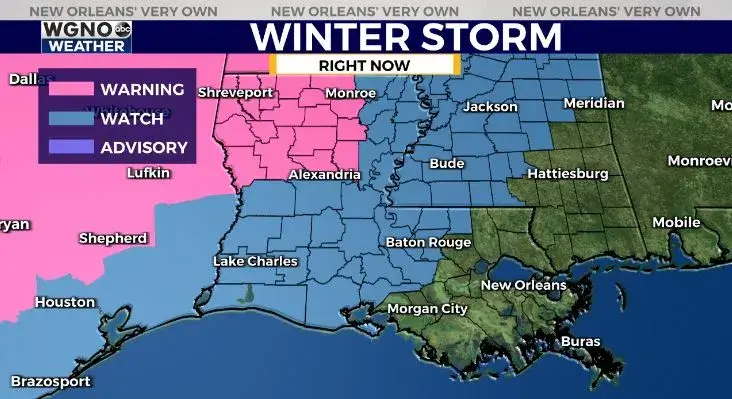
Winter Storm Warning and Watch in effect for portions of Louisiana!
PRESS RELEASE Fuel Logic Issues Urgent Preparedness Advice as Winter Storm Targets Louisiana January 20, 2025 As a significant winter storm looms over Louisiana, Fuel Logic, a nationwide fuel delivery company with experience in disaster response, urges residents and businesses to take immediate action to prepare for potential fuel shortages and infrastructure challenges. Act Now:…
-
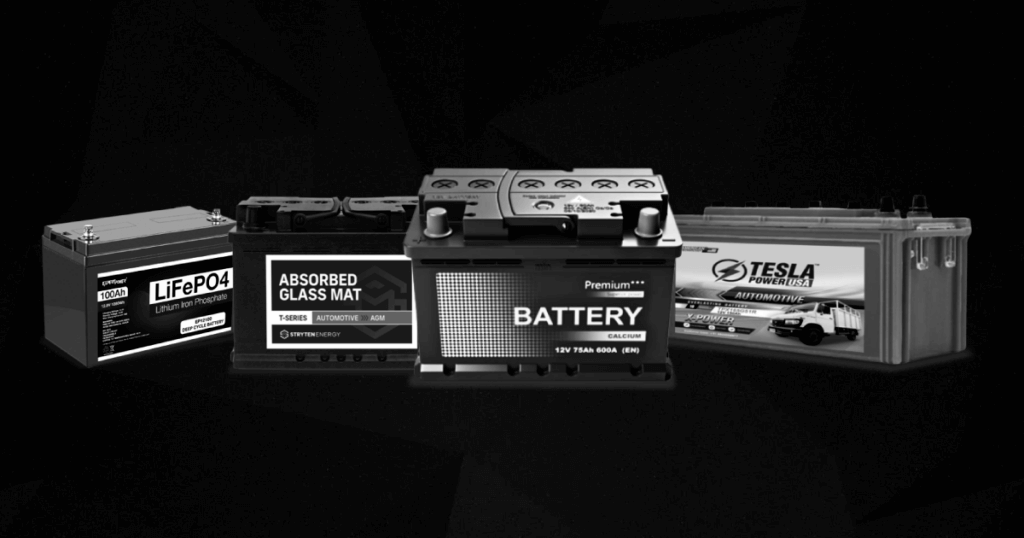
Heavy-Duty Truck Batteries: What Fleet Managers Need to Know
Heavy-duty truck batteries are high-capacity, specialized batteries for commercial vehicles, with lead-acid, AGM, and lithium-ion (LiFePO4) being common types. LiFePO4 batteries offer 8-15 years lifespan, costing $500-$1000, while AGM batteries last 4-5 years at $200-$400, and lead-acid batteries last 2-3 years at $100-$200. Do you know that battery issues are the most common cause of…
Need a Fuel Delivery Today?
Fuels Types & Diesel Additives
We Deliver Nationwide
- Diesel
- Gasoline
- Dyed Diesel
- DEF (Diesel Exhaust Fluid)
Schedule your fuel delivery today
Latests Articles
- Texas Suspends Some Dyed Diesel Road-Use Restrictions: What It Actually Means
- Common Fuel Management Mistakes That Drain Budgets
- What Every Fleet Manager Should Know About Fuel Contracts
- How to Choose Between Fuel Cards and Mobile Fueling
- The Real Cost of Running Out of Fuel for Fleets
- Fuel Tank Management: Best Practices for Fleet Owners
- What to Know Before Setting Up Your Own Fuel Storage System
- HVAC Fleets Lose Hours Weekly on Fuel Stops
Categories
- Bulk Fuel Articles (9)
- Business (4)
- Construction (6)
- Diesel (31)
- Diesel Exhaust Fluid (13)
- Diesel Gelling (6)
- Dyed Diesel (5)
- Emergency Fuel Delivery (13)
- Event Fueling (3)
- Fleet (37)
- Fleet card (4)
- Fuel Cost (10)
- Fuel delivery (30)
- Fuel Estimator (2)
- Fuel Management (24)
- Fuel Polishing (2)
- Fuel Safety (7)
- Fuel Tank (28)
- Fuel Types (8)
- Gasoline (13)
- Generator (18)
- Intangible Costs (3)
- Off-road diesel (9)
- Our Culture (2)
- Reefer Trailers (6)
- Stories From the Road (6)