

Fuel Logic Blog
A Resource For Business, Fuel Managers And Fleet Managers
-

The Hidden Dangers of Poor Fuel Efficiency on Your Budget
Poor fuel efficiency increases fuel and maintenance costs, shortens vehicle lifespan, and harms the environment. Only 12% to 30% of conventional vehicle fuel energy powers the vehicle, with the rest lost to drivetrain inefficiencies and accessories, contributing to higher greenhouse gas emissions and air pollution. Did you know that only 12% to 30% of the…
-
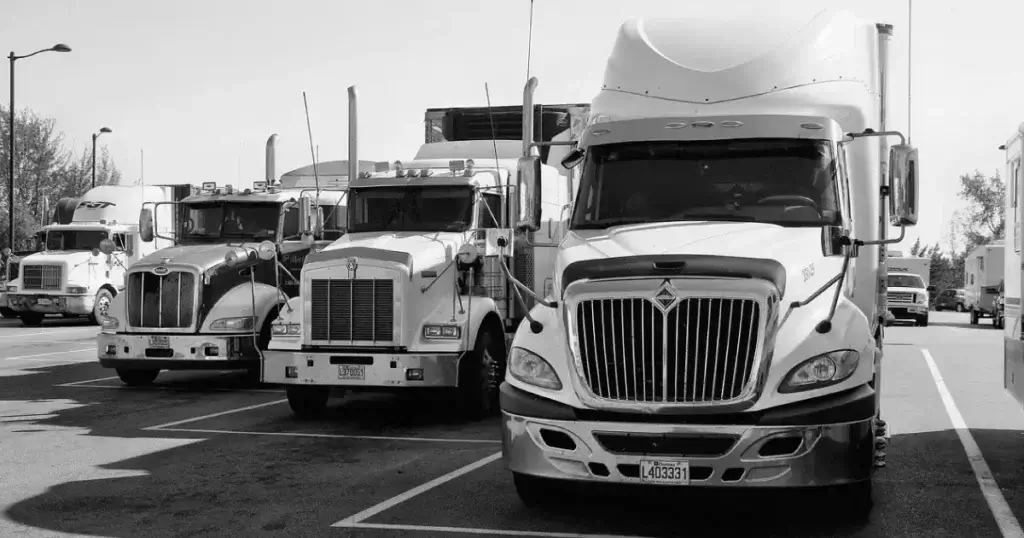
Why Do Big Trucks Use Diesel Instead of Gasoline?
Big trucks use diesel instead of gasoline because diesel engines deliver higher torque, better fuel efficiency, and longer engine life. According to DTF, about 75.6% of commercial trucks worldwide run on diesel as of December 2022. Diesel’s higher energy density allows engines to produce more torque at lower RPMs, making it ideal for hauling heavy…
-

7 Ways to Slash Fleet Fuel Costs with Telematics
As of December 2024, telematics helps reduce fleet fuel costs by using GPS and on-board diagnostics to track vehicle movements and performance, integrating with fleet management systems, optimizing routes, monitoring driver behavior, preventing excessive idling, managing speed, tracking maintenance needs, and enabling fuel card management. Fuel is the most significant operating expense that burdens fleet…
-
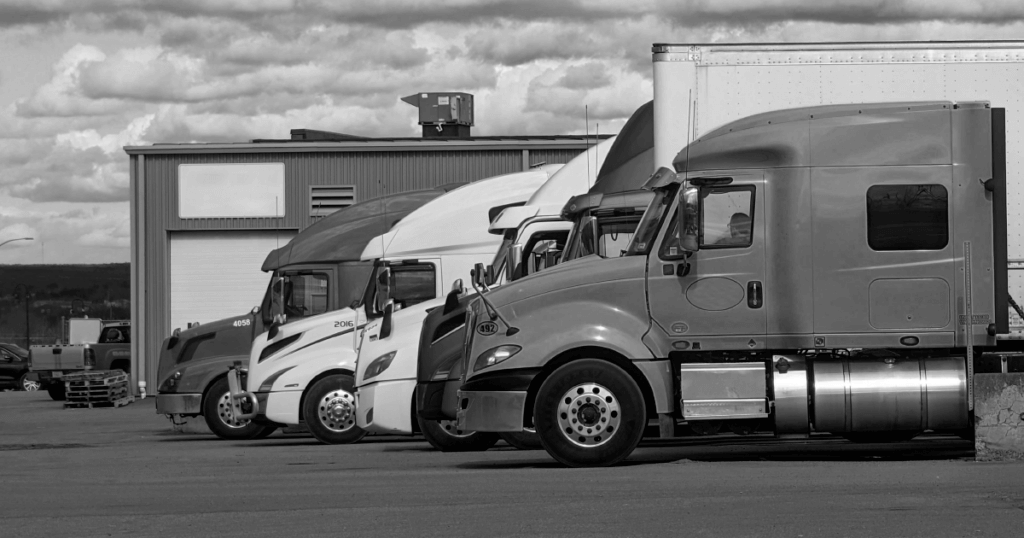
What is Route Planning in Fleet Management?
Route planning in fleet management is the process of selecting optimal delivery routes based on factors like traffic and schedules to improve efficiency and reduce costs, potentially saving about 20% of fleet running costs by minimizing delays, fuel consumption, and environmental impact. Proper route optimization can help you save about 20% of your fleet running…
-

How Gasoline Price Forecasting Can Benefit Your Business
In November 2024, the average price of regular gasoline in the United States was about $3.09 per gallon, though prices vary by region due to taxes and local regulations. Gasoline price forecasting helps businesses plan smarter budgets, control fuel costs, and optimize purchasing strategies by predicting future price changes. Accurate forecasts enable companies to mitigate…
-
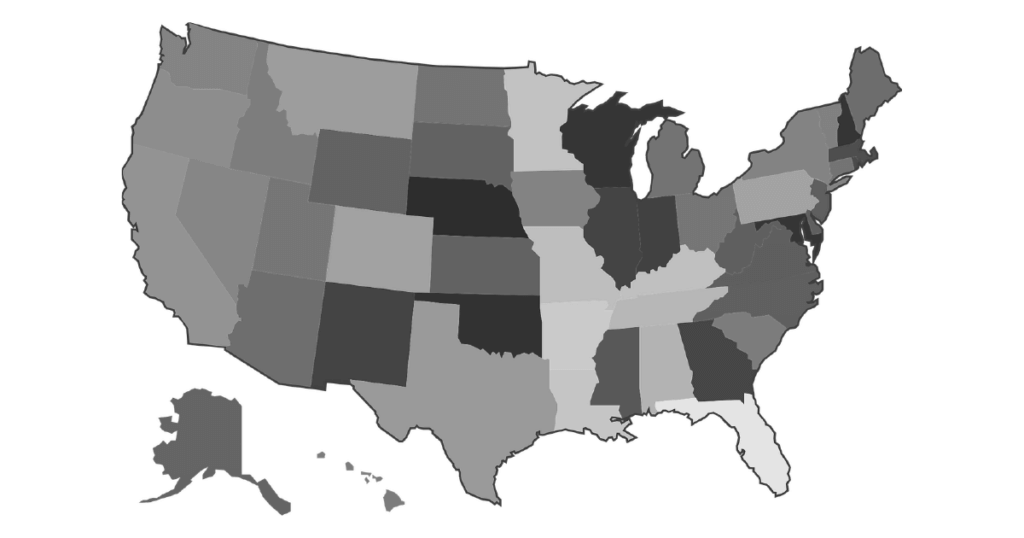
Fuel Taxes by State – Updated Rates Across the U.S.
Fuel taxes by state vary significantly across the U.S. In 2026, California has the highest gasoline tax at about 70.9 cents per gallon, while Alaska has the lowest at around 8.95 cents. State fuel taxes include excise taxes, environmental fees, and in some cases variable rates tied to inflation. Fuel taxes place a heavy financial…
-
What is the Main Difference Between Petrol and Diesel?
The main difference between petrol and diesel lies in their chemical composition and combustion processes, with diesel being denser and containing more energy per liter, utilizing a higher compression ratio for ignition, unlike petrol engines which rely on spark plugs. Diesel engines offer better fuel efficiency and torque, while petrol engines are known for performance…
-

How to Calculate Fuel Consumption Per Hour? Fuel Consumption Calculator
Fuel consumption is calculated by dividing the amount of fuel used by the total operating hours and is measured in liters or gallons per hour. For instance, a machine consuming 50 gallons over 10 hours has a fuel consumption of 5 gallons per hour. Accurate tracking helps manage costs, as fuel can account for 30…
-
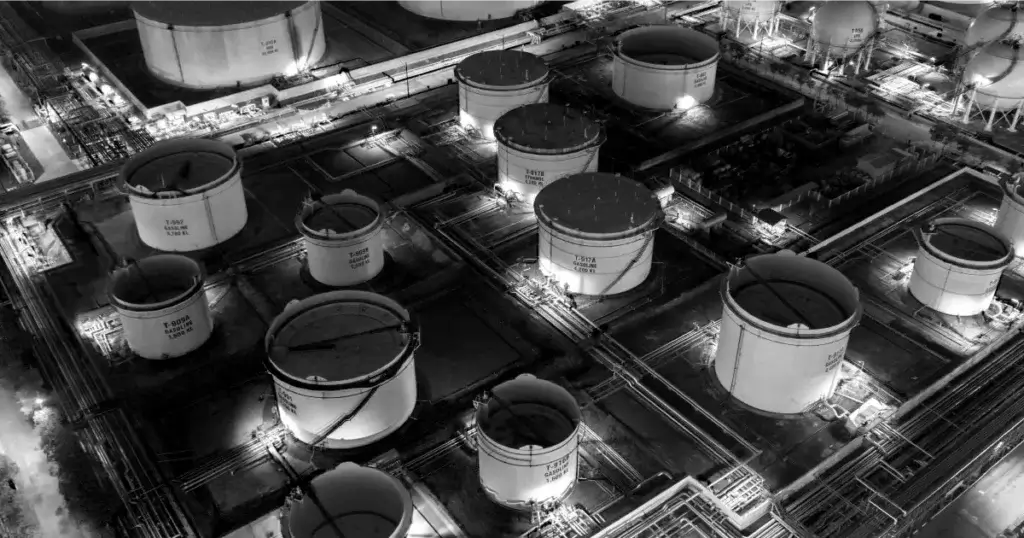
How Fuel is Made
Fuel is made by refining crude oil through a multi-stage process that includes extraction, fractional distillation, cracking and blending. Most commercial fuels are petroleum-based products derived from crude oil extracted from underground reservoirs. Alternative fuels like biodiesel and hydrogen are produced through separate processes including fermentation and electrolysis. Did you know that over 80% of…
-

The Impact of Fuel Management in the Construction Industry
Effective fuel management is mandatory for the construction sector, the third-largest consumer of fuel in the U.S. as of 2022, consuming approximately 7% of total energy. It enhances profitability by tracking usage, reducing waste, optimizing machinery efficiency, and enabling cost savings through bulk purchases, fuel cards, trusted fuel delivery, and operational streamlining that reduces downtime.…
Need a Fuel Delivery Today?
Fuels Types & Diesel Additives
We Deliver Nationwide
- Diesel
- Gasoline
- Dyed Diesel
- DEF (Diesel Exhaust Fluid)
Schedule your fuel delivery today
Latests Articles
- Texas Suspends Some Dyed Diesel Road-Use Restrictions: What It Actually Means
- Common Fuel Management Mistakes That Drain Budgets
- What Every Fleet Manager Should Know About Fuel Contracts
- How to Choose Between Fuel Cards and Mobile Fueling
- The Real Cost of Running Out of Fuel for Fleets
- Fuel Tank Management: Best Practices for Fleet Owners
- What to Know Before Setting Up Your Own Fuel Storage System
- HVAC Fleets Lose Hours Weekly on Fuel Stops
Categories
- Bulk Fuel Articles (9)
- Business (4)
- Construction (6)
- Diesel (31)
- Diesel Exhaust Fluid (13)
- Diesel Gelling (6)
- Dyed Diesel (5)
- Emergency Fuel Delivery (13)
- Event Fueling (3)
- Fleet (37)
- Fleet card (4)
- Fuel Cost (10)
- Fuel delivery (30)
- Fuel Estimator (2)
- Fuel Management (24)
- Fuel Polishing (2)
- Fuel Safety (7)
- Fuel Tank (28)
- Fuel Types (8)
- Gasoline (13)
- Generator (18)
- Intangible Costs (3)
- Off-road diesel (9)
- Our Culture (2)
- Reefer Trailers (6)
- Stories From the Road (6)