
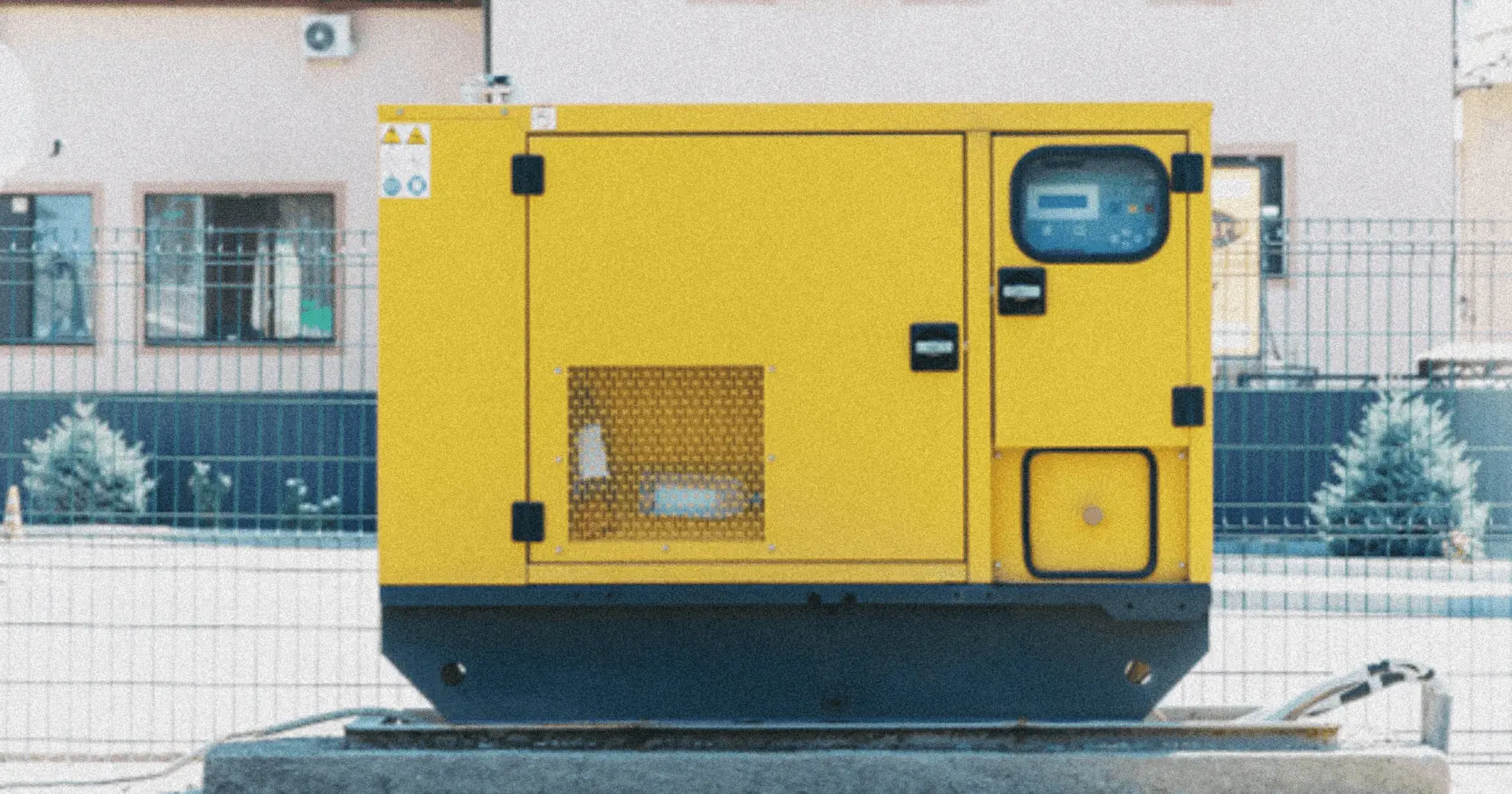
Outdoor events rely on fuel for power, lighting, food systems, cooling, and transport – and fuel problems often arrive at the worst possible moment: during peak hours when recovery is hardest. Heat swings, rain, long idle storage, rushed refuels, and crowded service points all increase the chance that diesel or gasoline will degrade, be contaminated, or simply fail to arrive on time. This article outlines the common “hidden fuel risks” that affect outdoor events, explains how those risks differ by event type, and offers practical steps event teams can take to reduce downtime. Fuel Logic appears throughout as a practical partner for on-site and emergency delivery in these scenarios.

What “Fuel Risk” Means at Outdoor Events
Fuel risk is any condition that affects fuel quality, supply availability, or delivery timing during event operations. When fuel risk is unmanaged, generators stall, food vendors lose heating, lighting goes dark, and communications or cooling systems fail.
Where Risk Appears
- Storage tanks placed outdoors: exposure to sun, rain, and debris.
- Temporary generator setups: short run times followed by heavy bursts of demand.
- Fuel transfers between containers: human error or dirty pumps can introduce water and sediment.
- Delayed refueling cycles: missed windows create gaps in continuous power.
Fueling your next outdoor event?
Fuel Logic delivers diesel, gasoline, and DEF straight to outdoor event generators — either on a planned schedule or when there’s an urgent need, across the entire country.
Fuel Risks by Event Type
This section compares the different risk patterns you’ll see across event formats and what usually breaks first.
Music Festivals
- Main fuel pattern: continuous high load for stages, lights, and PA.
- Common risks: long runtime leaves little room for recovery; theft or miscounts during busy hours; refueling while systems are hot increases risk of spills and errors.
- Typical weak point: supply planning that assumes steady consumption rather than peaks during headliners.
Sporting Events
- Main fuel pattern: burst loads at key moments (halftime, end-of-game lighting).
- Common risks: sudden spikes can overload generators; multiple vendor zones pull from the same supply; backup generators are often untested.
- Typical weak point: lack of staged refueling aligned to predictable demand spikes.
Food & Beverage Festivals
- Main fuel pattern: many simultaneous small draws (food trucks, warmers).
- Common risks: cross-connection at communal refuel points; staff turnover leads to handling mistakes; fuel contamination from open transfer points.
- Typical weak point: shared supply points with inconsistent controls.
Refrigerated trailers at food events add another demand layer. Reefer fuel delivery keeps them running without drawing from shared generator supply.
Construction-Linked Events (Temporary Builds, Expos)
- Main fuel pattern: mixed heavy use across equipment and power stations.
- Common risks: diesel left sitting in portable tanks for long periods leading to biodegradation; dirt and debris ingress during frequent fills; multiple equipment types sharing the same tank.
- Typical weak point: outdoor storage without filtration or regular testing.
For teams managing fuel at construction-linked events or temporary builds, Fuel Logic’s jobsite fueling services cover on-site diesel delivery and equipment refueling to keep operations running without interruption.
Community Fairs & Outdoor Markets
- Main fuel pattern: low-to-medium steady use but frequent refills.
- Common risks: manual handling of cans and jerrycans increases spills and cross-contamination; small tanks with minimal monitoring.
- Typical weak point: lack of monitoring during long event hours.
| Event Type | Load Pattern | Risk | Weak Point |
|---|---|---|---|
| Festivals | Continuous high load | Generator strain | Long runtime |
| Sports | Burst load spikes | Sudden demand gaps | Peak transitions |
| Food events | Many small draws | Handling errors | Shared supply points |
| Construction events | Mixed heavy use | Contamination | Outdoor storage |
| Fairs | Low-medium steady use | Refill inconsistency | Manual handling |
Common Fuel Failure Points at Outdoor Events
Storage Conditions
- Heat accelerates oxidation and microbial growth in diesel.
- Open-air tanks and exposed transfer points let dust and water in, which shortens filter life and clogs injectors.
Delivery Timing Gaps
- Late or missed deliveries remove the buffer that keeps generators running through peak demand.
- Relying on a single daily drop creates single-point failure.
Fuel Handling Errors
- Cross-contamination between gasoline and diesel, or between different diesel grades, can disable engines.
- Dirty hoses, funnels, and pumps transfer sediment and water.
Generator Load Misalignment
- When planned loads don’t match actual usage, generators run at inefficient RPMs, increasing consumption and heat stress.
- No staged fuel plan means refuels happen under load, increasing risk.
Warning Signs During Events
Equipment Behavior
- Generator surging or stalling during load changes.
- Sudden power dips at peak times.
- Unexplained increases in fuel burn rates.
Fuel Condition Clues
- Cloudy diesel or visible particulates inside sight glasses.
- Water pooling at the bottom of tanks, which shows as a separate layer.
- Repeated filter changes or blocked filters in a short period.
Don’t let a missed delivery shut your event down
Fuel Logic delivers diesel, gasoline & DEF directly to your generators — scheduled or emergency.
Prevention Steps for Event Fuel Planning
Fuel Storage Setup
- Place tanks in shade or under a cover to limit heat exposure.
- Use sealed transfer points and keep caps closed when not in use.
- Control access to fuel zones with lockable fill points and simple sign-in sheets.
Fuel Delivery Planning
- Schedule deliveries based on event load cycles, not just on calendar days (time drops around break times and headliners).
- Keep a buffer supply on-site equal to at least one generator runtime window beyond the planned schedule.
- Plan for a secondary supplier or emergency delivery partner in case local roads become congested.
Handling Controls
- Assign trained staff for refueling tasks and use labelled, dedicated transfer equipment per fuel type.
- Maintain clean hoses and pumps; store spare filters and basic filtration kits onsite.
- Use checklists for every transfer: verify fuel type, inspect seals, document batch numbers where possible.
Response Options When Fuel Problems Start
On-Site Fuel Filtration
- Portable filtration systems remove water and sediment from stored diesel and can return compromised fuel to service for non-critical loads.
- Use filtration during multi-day events to maintain quality between refills.
Tank Replacement or Swap
- Swapping a compromised portable tank with a clean, certified unit stops contamination spread.
- Keep at least one sealed spare tank available for rapid swap in multi-day setups.
Emergency Fuel Resupply
- Arrange for rapid delivery support to restore generator uptime; confirm delivery windows and staging points ahead of event day.
- For urgent outages, Fuel Logic’s emergency fuel delivery can refuel generators directly.
Why Fuel Logistics Matter in Event Planning
Fuel timing and storage directly affect uptime for lighting, cooling, cooking, and communications. A missed or contaminated fuel delivery can cause cascading failures across multiple vendor systems and critical infrastructure. Including fuel logistics as part of your operations plan – with scheduled drops and a named delivery contact – makes fuel a managed service, not an afterthought.
⚡ Key Takeaways
- Outdoor fuel issues most often stem from storage exposure, weather, and delivery timing gaps.
- Different event types create different stress patterns; plan refuels against real demand cycles.
- Generator downtime often links back to fuel quality or missed deliveries.
- Small handling mistakes can create system-wide interruptions.
- Plan fuel flow early and name responsible staff and suppliers before event day.
Frequently Asked Questions
What causes fuel problems at outdoor events most often?
The most common causes are water contamination, microbial growth in stored diesel, and missed or late deliveries that leave no buffer during peak demand.
How long can diesel sit in event tanks?
Under good storage and with biocide treatment, diesel can sit for several months, but outdoor exposure, heat, and water dramatically shorten that window. For event use, plan refresh or check cycles every 30-90 days depending on conditions.
What happens if water enters event fuel storage?
Water separates and settles, which leads to corrosion, microbial growth, filter clogging, and injector damage. Immediate filtration and water removal are required; heavily contaminated fuel should be isolated.
Can fuel be reused after contamination signs appear?
Lightly contaminated fuel may be recovered with filtration and treatment. If fuel is heavily contaminated or shows signs of emulsification, replace the tank and dispose of the fuel per local regulations.
What type of events need the most fuel planning support?
Multi-day festivals, large sporting events with burst demand, and food festivals with many simultaneous draws require the most detailed fueling plans.
Have more questions? Contact Fuel Logic today for fuel delivery planning support, emergency resupply, or to arrange on-site services.
Final Note
Fuel is an operational item that belongs in the event plan from the start. Assign a fuel lead, set delivery times to match load cycles, keep a buffer on-site, and have Fuel Logic’s rapid-delivery contact.
If you want help building a fuel plan or arranging mobile refueling for an upcoming event, contact Fuel Logic to learn about our fuel delivery services, event generator fueling options, mobile delivery service, or commercial fuel delivery tailored to your operational needs.




