

Fuel Logic Blog
A Resource For Business, Fuel Managers And Fleet Managers
-
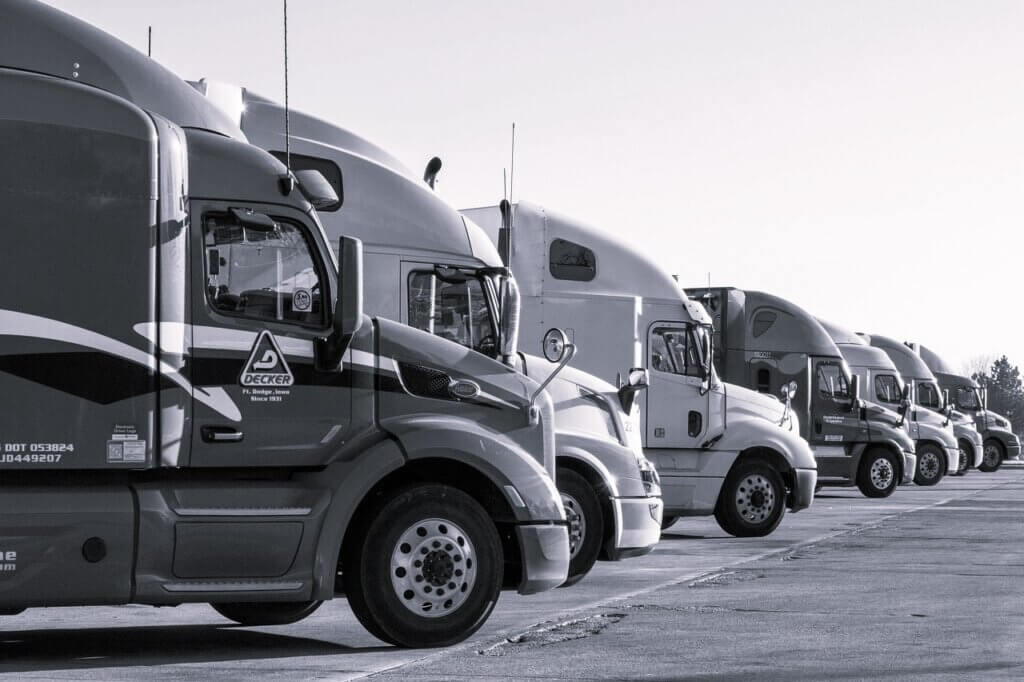
AI Route Optimization Cuts Fleet Costs by 20%
AI route optimization technology can cut fleet operating costs by up to 20% by improving fuel efficiency, minimizing idle time, and reducing wear and tear. Using machine learning and predictive analytics, it identifies optimal routes based on traffic, weather, road conditions, and delivery schedules resulting in shorter routes, less waiting, and lower fuel consumption. AI…
-

Why Is Diesel More Expensive Than Gas?
Diesel costs more than gasoline due to higher federal and state taxes, its complex refining processes to meet environmental regulations, and lower production rates coupled with high industrial demand. This demand from industries like trucking, agriculture, and shipping, combined with seasonal factors, also contributes to increased prices. It is understandable why many interpret diesel to…
-
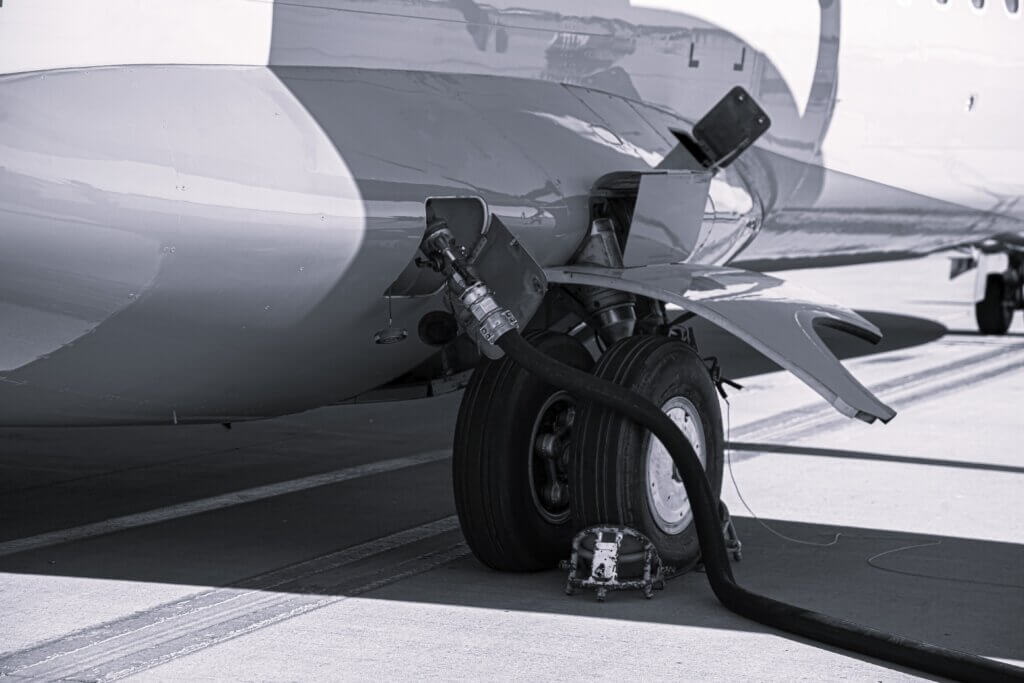
What’s The Difference Between Jet Fuel And Diesel?
The main difference between jet fuel and diesel is that jet fuel, like Jet A-1, is a kerosene-based fuel formulated for turbine aircraft engines, optimized for clean burning and cold-weather performance. In contrast, diesel is a denser fuel for compression-ignition engines in ground vehicles and heavy equipment, offering higher lubricity and torque. In our everyday…
-
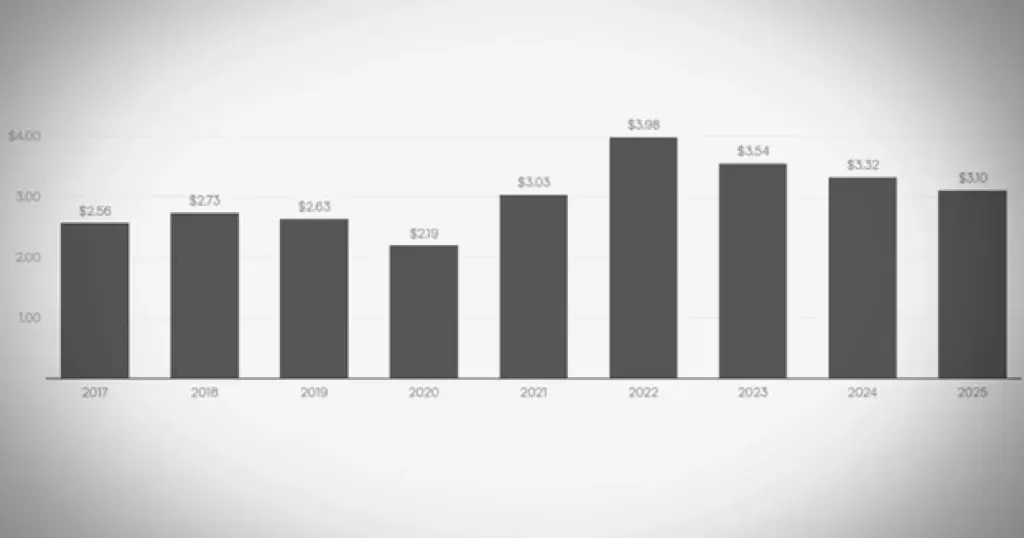
What State Has The Lowest Gas Prices In The U.S. as of Feb 2026?
As of February 2026, Oklahoma has the lowest gas prices in the US at $2.34 per gallon, followed by Arkansas ($2.46) and Mississippi ($2.47). Southern and Gulf Coast states consistently hold the lowest prices due to proximity to major refineries, lower state fuel taxes, and shorter transportation routes. California remains the most expensive state at…
-
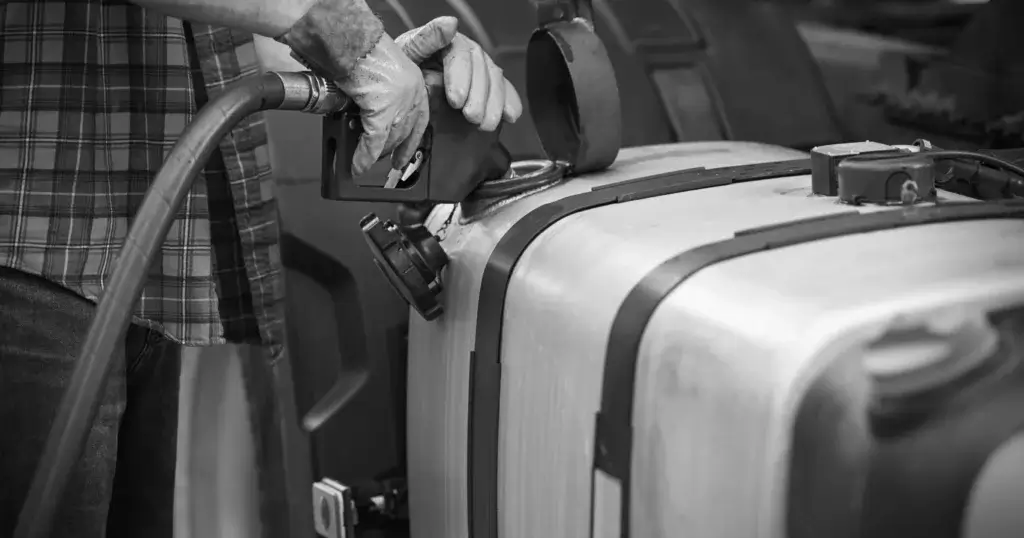
Fuel Delivery Safety: Prevent Accidents During Fuel Transfers
To prevent accidents during fuel transfers, use proper equipment, follow safe handling practices, and ensure thorough training. Always use approved containers, avoid overfilling, maintain contact with the tank, and ensure good ventilation. Regularly inspect and maintain all equipment. Washington County recently experienced an explosion during a propane delivery, highlighting the risks of unsafe fuel management…
-
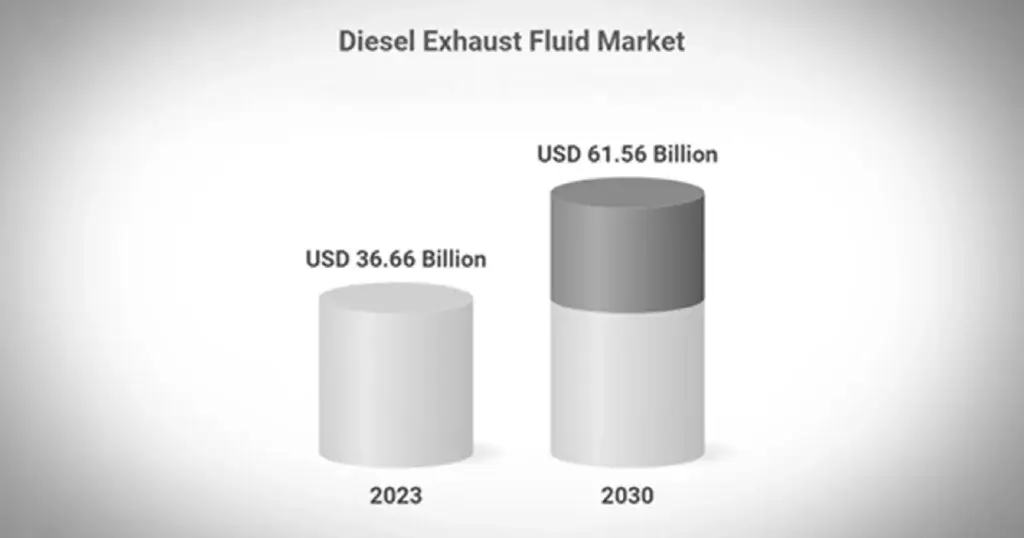
Diesel Exhaust Fluid Market Expected to Reach $61.56 Billion by 2030
The Diesel Exhaust Fluid (DEF) market is projected to reach $61.56 billion by 2030, growing at a 7.9% compound annual growth rate (CAGR) from 2024, driven by strict environmental regulations, increased adoption across industries, and technological advancements. The Diesel Exhaust Fluid market exhibits a projected growth rate of 7.9% compound annual growth rate (CAGR) between…
-
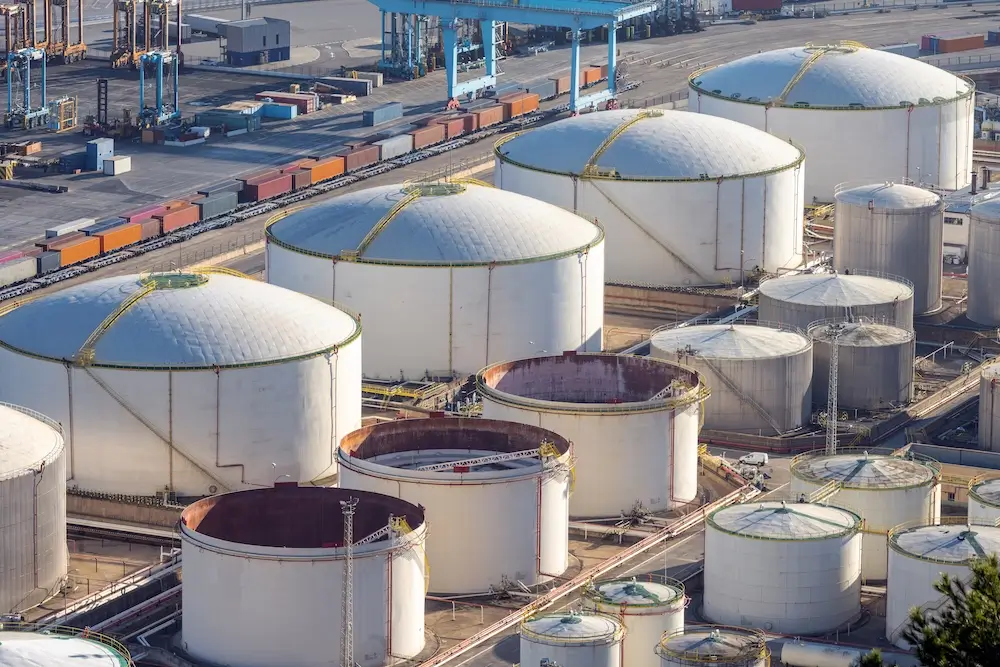
Top Bulk Gasoline Tanks for Commercial & Industrial Use
Top bulk gasoline storage tanks for businesses include the STI-Fireguard® UL2085, STI-Flameshield®, ACT-100-U® underground tanks, and Permatank® underground tanks. A gasoline tank ensures a consistent fuel supply, and tanks with capacities of 100 gallons or more are considered bulk fuel tanks. Running a fuel-dependent business? A top-notch bulk gasoline tank can make all the difference.…
-
Most Common Alternative Fuels—What You Need to Know
Alternative fuels including biodiesel, electricity, ethanol, hydrogen, natural gas, and propane, burn cleaner than gasoline or diesel, with their renewability and infrastructure support varying. These fuels are responsible for almost 10% of global energy consumption and are projected to lower carbon emissions by up to 70% by 2050. With the rise in the global energy…
-
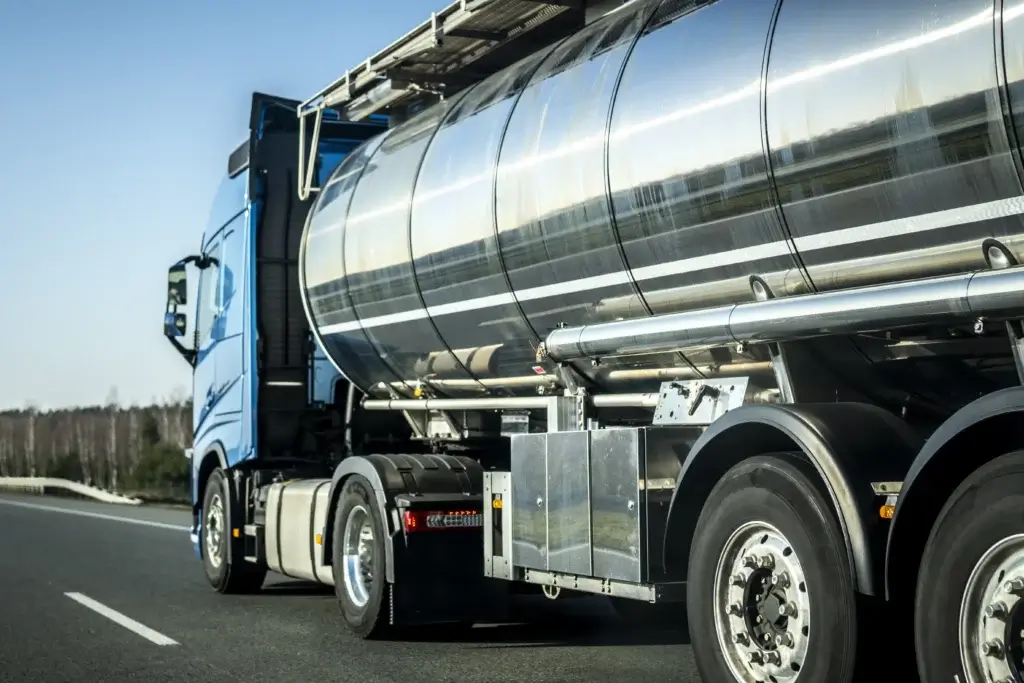
What Is A Fuel Transfer Tank?
A fuel transfer tank is a portable container designed to safely store, transport, and dispense fuels like diesel or gasoline. Often equipped with a built-in pump and available in cube or cylindrical designs, it provides a mobile, on-site solution for industries that require a steady and reliable fuel supply. Industries like agriculture, construction, and transportation…
-

Find the Best Fuel Filter For Your Vehicle Today
For 2025, top fuel filter picks include the Bosch 0450906457 In-Line Fuel Filter for durable gasoline filtration, the K&N PF-2200 for high-flow performance, the budget-friendly Fram G3727, the ACDelco TP3018 Diesel Fuel Filter for water separation, and the Motorcraft FD-4615 for Ford vehicles. Is your engine sputtering? This might be a sign that your fuel…
Need a Fuel Delivery Today?
Fuels Types & Diesel Additives
We Deliver Nationwide
- Diesel
- Gasoline
- Dyed Diesel
- DEF (Diesel Exhaust Fluid)
Schedule your fuel delivery today
Latests Articles
- Texas Suspends Some Dyed Diesel Road-Use Restrictions: What It Actually Means
- Common Fuel Management Mistakes That Drain Budgets
- What Every Fleet Manager Should Know About Fuel Contracts
- How to Choose Between Fuel Cards and Mobile Fueling
- The Real Cost of Running Out of Fuel for Fleets
- Fuel Tank Management: Best Practices for Fleet Owners
- What to Know Before Setting Up Your Own Fuel Storage System
- HVAC Fleets Lose Hours Weekly on Fuel Stops
Categories
- Bulk Fuel Articles (9)
- Business (4)
- Construction (6)
- Diesel (31)
- Diesel Exhaust Fluid (13)
- Diesel Gelling (6)
- Dyed Diesel (5)
- Emergency Fuel Delivery (13)
- Event Fueling (3)
- Fleet (37)
- Fleet card (4)
- Fuel Cost (10)
- Fuel delivery (30)
- Fuel Estimator (2)
- Fuel Management (24)
- Fuel Polishing (2)
- Fuel Safety (7)
- Fuel Tank (28)
- Fuel Types (8)
- Gasoline (13)
- Generator (18)
- Intangible Costs (3)
- Off-road diesel (9)
- Our Culture (2)
- Reefer Trailers (6)
- Stories From the Road (6)