

Fuel Logic Blog
A Resource For Business, Fuel Managers And Fleet Managers
-

What is the Best Gas to Use for Your Vehicle?
The best gas to use for your vehicle is Top Tier™ certified gasoline with the octane rating recommended in your owner’s manual. Top Tier fuel contains enhanced detergents that remove carbon deposits, improve combustion, and extend engine life compared to non-certified fuels. Many drivers struggle to pick the right fuel for their vehicle’s engine. This…
-
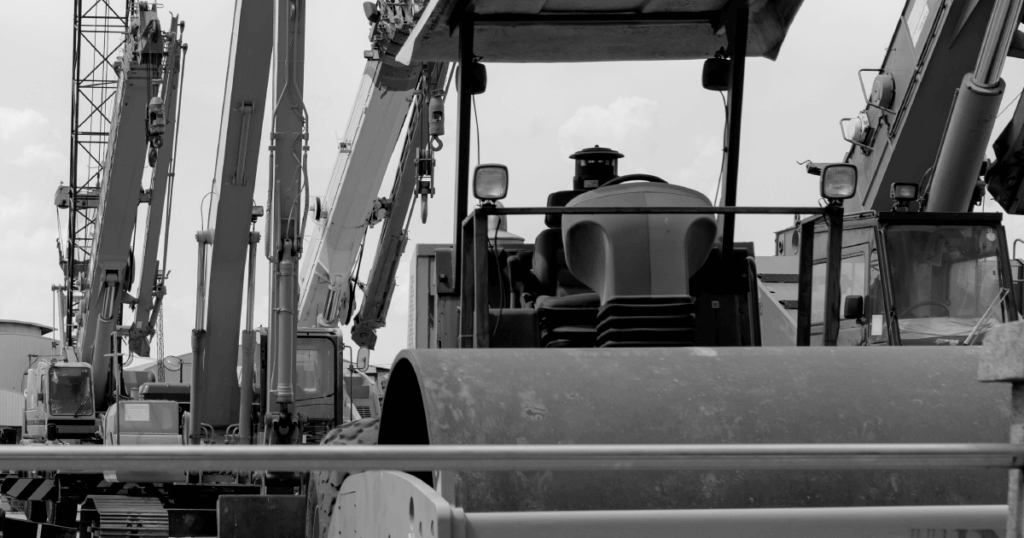
Different Types of Construction Vehicles for Your Fleet
Common construction vehicles include bulldozers, excavators, loaders, scrapers, dump trucks, concrete mixers, cranes, and forklifts. These vehicles are categorized into earthmoving, material handling, and road construction equipment. The right selection of vehicles for a fleet is crucial for managing project costs and timelines. Choosing the right construction vehicles for your fleet is a key decision…
-
Why Is It Called Gasoline
Gasoline is called gasoline because the word combines “gas” (its volatile, evaporating nature), “-ol” (from the Latin oleum, meaning oil), and “-ine” (a chemical suffix for refined derivatives). The name originated in 1865 in the United States, evolving from a British trade name called “Cazeline” or “Gasolene.” Did you know the US is the world’s…
-
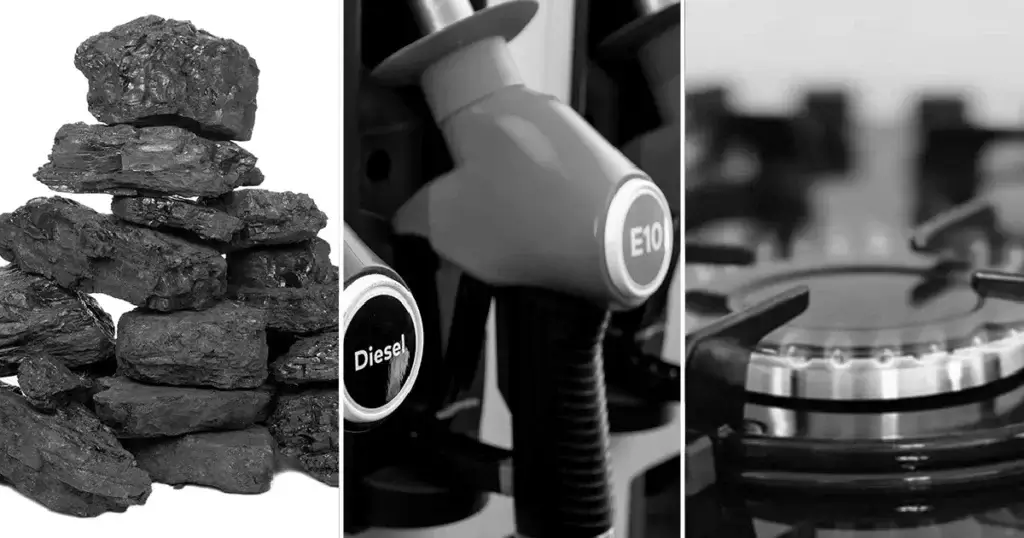
3 Types of Fuel: Uses, Examples & Which One You Need
Fuels are classified into three main types: solid (coal, wood) for heating and industry, liquid (diesel, gasoline) for transportation, and gaseous (natural gas, LPG) for cooking and power. Each differs in energy output, storage, and application across homes, industries, and vehicles. What Is Fuel? Fuel is a substance that produces energy through combustion or conversion.…
-
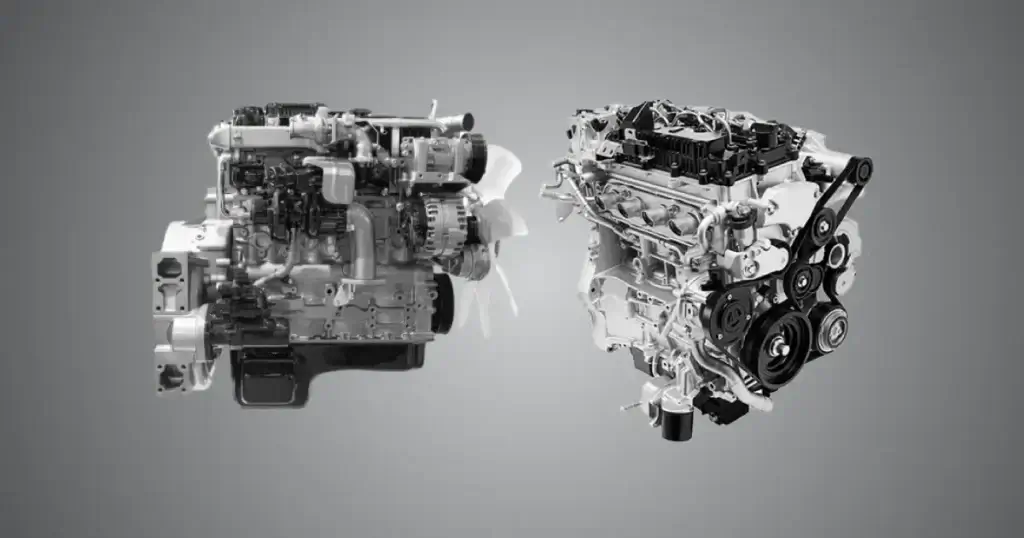
Diesel vs Gas Engines: Differences Between Gas and Diesel Engines
Diesel engines ignite fuel using high compression, while gas engines use spark plugs to ignite a gasoline-air mixture. Diesel engines produce more torque and better fuel efficiency, making them common in trucks and heavy equipment. Gas engines run quieter, accelerate faster, and are typically cheaper to purchase and maintain. Curious which is better, diesel vs…
-
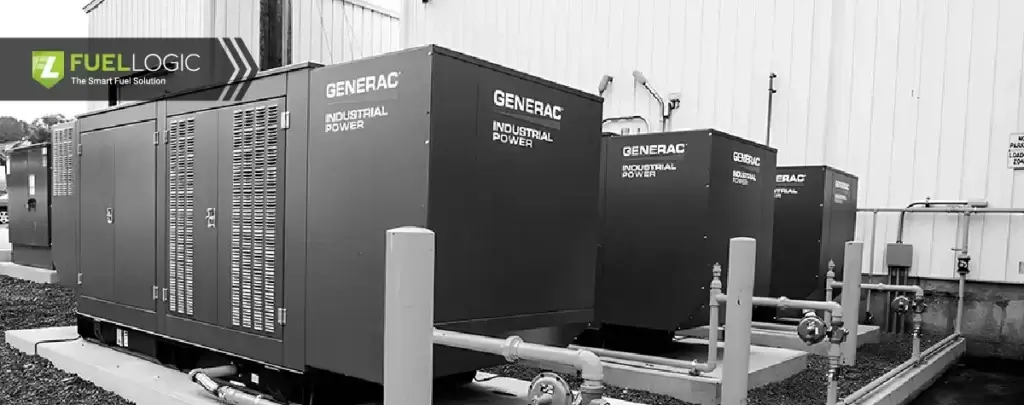
Top 5 Generator Fuel Mistakes and How to Avoid Them
Common generator fuel mistakes include using the wrong fuel type, ignoring storage guidelines, underestimating fuel consumption, refueling a hot generator, and neglecting fuel system maintenance. Avoiding these mistakes helps ensure generator reliability, prevent damage, and extend equipment lifespan. Suppose a natural disaster or a calamity hits, cutting off power to your business premises. Your diesel…
-

Fuel Logic’s Stories from the Road: Powering ‘BAZZAR’ Magic Under Cirque du Soleil’s Big Top
Source: Cirque du Soleil Bazzar In 2024, Fuel Logic provided 20,000 to 24,000 gallons of fuel monthly, or 4,000 to 5,000 gallons weekly, for Cirque du Soleil’s BAZZAR North American tour, delivering bulk fuel three to four times a week to on-site tanks for generators and equipment. When soaring blue and white striped tents –…
-
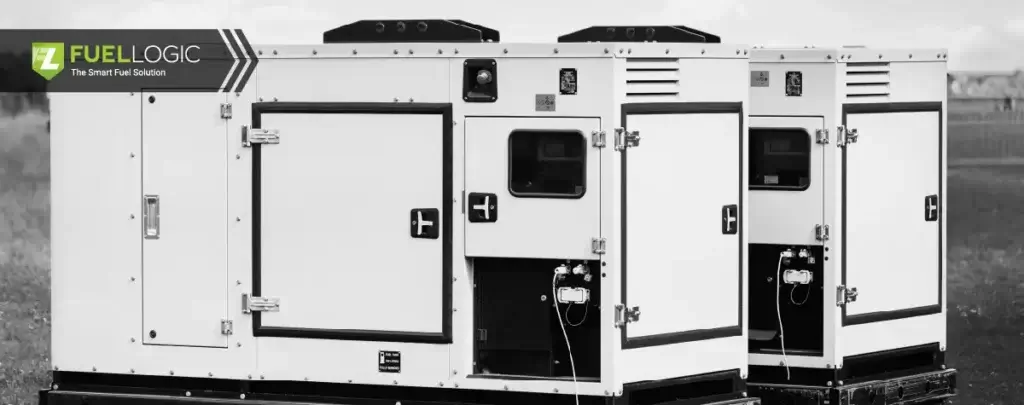
Can You Run A Generator 24/7? Tips for Keeping Your Generator Running Longer
To keep a generator running 24/7 and extend its lifespan, consistent maintenance is crucial; this includes changing oil and filters, checking for leaks, cleaning the unit, and testing the battery. The U.S. generator sales market was valued at $6.10 billion in 2023, with a projection to reach $10.26 billion by 2032. Did you know the…
-
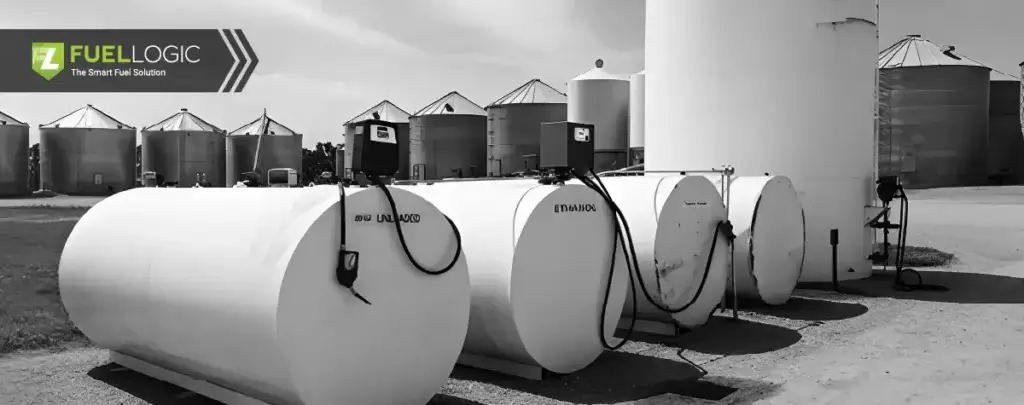
Common Fuel Tank Problems and How to Fix Them
Common fuel tank problems include rust, sediment buildup, leaks, and faulty sending units that affect gauge accuracy. These issues can cause engine hesitation, poor fuel economy, and strong fuel odors. Regular inspection, cleaning, and using fuel additives help prevent costly repairs and ensure safety. Picture yourself driving on a highway and suddenly being stranded due…
-

Top Tips For Using Summer Blend Gasoline Efficiently
To use summer blend gasoline efficiently in 2024, maintain proper tire pressure, perform regular vehicle maintenance including oil changes every 3,000 to 5,000 miles and spark plug replacements every 30,000 to 100,000 miles, and use the recommended grade of motor oil. Additionally, drive smoothly, reduce excess weight, minimize air conditioning use, plan and combine trips,…
Need a Fuel Delivery Today?
Fuels Types & Diesel Additives
We Deliver Nationwide
- Diesel
- Gasoline
- Dyed Diesel
- DEF (Diesel Exhaust Fluid)
Schedule your fuel delivery today
Latests Articles
- Texas Suspends Some Dyed Diesel Road-Use Restrictions: What It Actually Means
- Common Fuel Management Mistakes That Drain Budgets
- What Every Fleet Manager Should Know About Fuel Contracts
- How to Choose Between Fuel Cards and Mobile Fueling
- The Real Cost of Running Out of Fuel for Fleets
- Fuel Tank Management: Best Practices for Fleet Owners
- What to Know Before Setting Up Your Own Fuel Storage System
- HVAC Fleets Lose Hours Weekly on Fuel Stops
Categories
- Bulk Fuel Articles (9)
- Business (4)
- Construction (6)
- Diesel (31)
- Diesel Exhaust Fluid (13)
- Diesel Gelling (6)
- Dyed Diesel (5)
- Emergency Fuel Delivery (13)
- Event Fueling (3)
- Fleet (37)
- Fleet card (4)
- Fuel Cost (10)
- Fuel delivery (30)
- Fuel Estimator (2)
- Fuel Management (24)
- Fuel Polishing (2)
- Fuel Safety (7)
- Fuel Tank (28)
- Fuel Types (8)
- Gasoline (13)
- Generator (18)
- Intangible Costs (3)
- Off-road diesel (9)
- Our Culture (2)
- Reefer Trailers (6)
- Stories From the Road (6)