

Fuel Logic Blog
A Resource For Business, Fuel Managers And Fleet Managers
-

27 Ways to Improve Fuel Economy: Smart Tips to Save Money
Improving fuel economy involves keeping tires properly inflated, avoiding idling, accelerating and braking smoothly, maintaining a steady speed, reducing extra weight, combining trips, changing air filters and oil regularly, and using air conditioning wisely. These habits lower fuel consumption, reduce maintenance costs, and cut carbon dioxide emissions. Fuel efficiency makes vehicles go the extra distance…
-
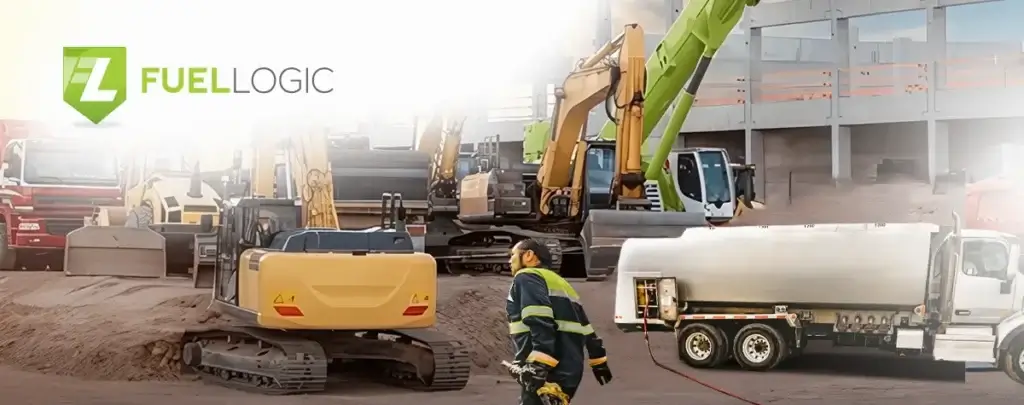
Construction Site Refueling Best Practices: A Complete Guide to Fuel Delivery and Management
Construction site refueling best practices include staying alert, preventing spills, ensuring ventilation, properly storing fuel, and avoiding ignition sources. OSHA regulations require using approved containers for flammable liquids and maintaining a 25-foot distance from other operations when transferring over 5 gallons. Key practices also involve keeping refueling sites clean, using containment strategies, and having site…
-
Your Complete Guide to Choosing Construction Fuel Tanks
To choose a construction fuel tank, consider project size, fuel usage, mobility, security, and regulatory compliance. Steel tanks offer strength and durability, while aluminum tanks provide a lightweight and corrosion-resistant option for flexible site use. Exploring the landscape of construction fuel tanks is a pivotal aspect of effective project management, seamlessly intertwining considerations of efficiency,…
-

Cell Tower Backup Power Explained
Cell towers maintain service during outages using batteries, diesel generators, and sometimes fuel cells. While FCC guidelines suggest 8 hours of backup, actual runtime varies from 4 to 72 hours depending on battery size, generator capacity, and site importance. Cell Towers and Their Backup Power Requirements A reliable phone network is not just a convenience…
-

Fuel Logic’s Stories from the Road: Chasing Adventure with Bugatti
Fuel Logic provided reliable fuel support for Bugatti’s Grand Tour America 2023, ensuring continuous operation for 20 Bugatti sports cars over a four-day excursion from Utah to Colorado. The company supplied 2-3 daily refuelings, adapting to various conditions including sun, rain, and snow, directly from its fuel truck. It is not every day that one…
-

Best Portable Fuel Tanks For Your Fleet
As of 2023, portable fuel tanks, widely used across various sectors like construction and agriculture, are available in plastic or steel, with capacities typically ranging from 30 to 800 liters. Top diesel models include the Vevor Portable Diesel Tank (58 GL, $550-$700), AM-TANK Portable Fuel Tank (58 GL, $1000-$1100), and Titan Truck Master 200 (200-gallon,…
-
How Does Cold Weather Affect the Fuel Economy?
Cold weather decreases fuel efficiency by 10-20% due to factors like denser air increasing drag, thicker oil creating friction, and longer engine warm-up times. Additionally, colder temperatures cause tire pressure to drop and can decrease the electric-only range of hybrid and electric vehicles, thereby increasing reliance on the internal combustion engine. Cold weather can have…
-
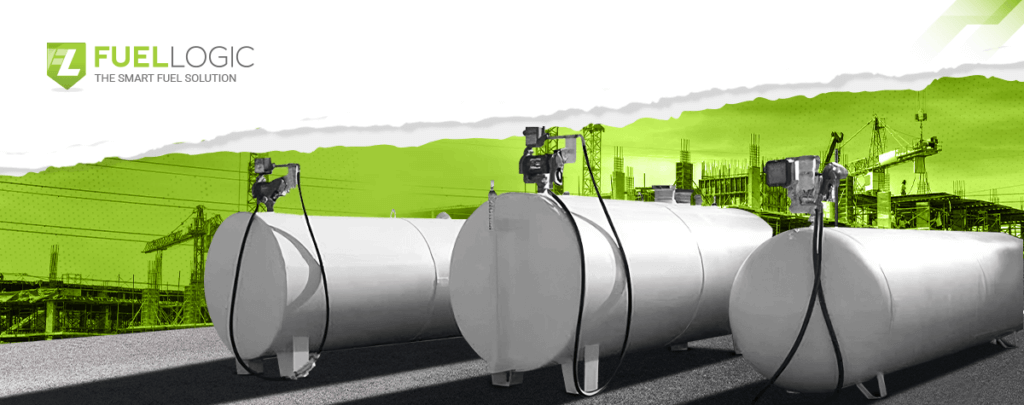
Expert Tips for Better Construction Site Fuel Storage and Safety
Construction site fuel storage requires storing fuel containers away from heat and egress areas, keeping outlet valves closed. Key practices include using approved containers, maintaining stable temperatures, securing tanks, implementing spill containment, and regularly inspecting tanks and accessories to prevent contamination and ensure safety. Fuel storage on construction sites is a critical aspect of project…
-
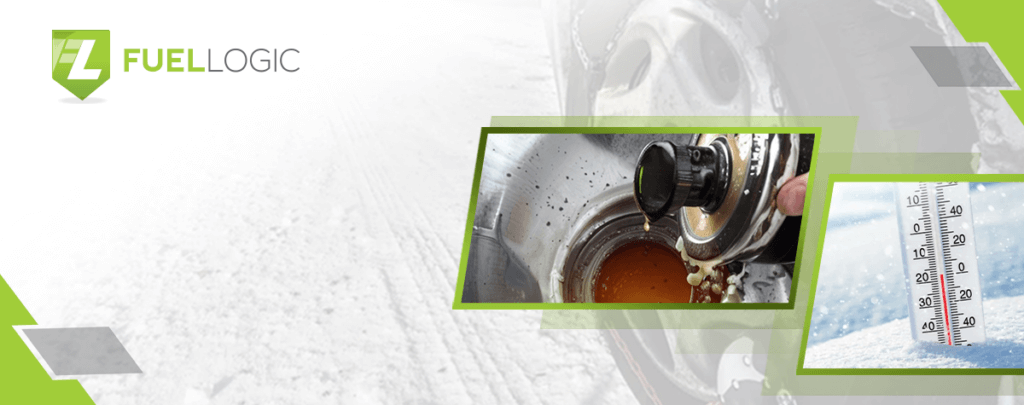
What Happens to Diesel Fuel in Cold Weather?
In cold weather, diesel fuel thickens and gels, potentially clogging fuel filters and causing engine issues, as the paraffin wax it contains solidifies into crystals. These issues can result in reduced fuel flow, engine damage, and in extremely low temperatures, the cloud point can be triggered, where wax crystals form, causing fuel cloudiness. What Happens…
-

Fuel Handling and Storage Best Practices
Fuel handling and storage best practices focus on safety, compliance, and environmental protection. Store fuel containers away from heat and emergency exits, use DOT-approved containers, and ensure secure, well-ventilated areas. Regular maintenance, leak detection, and adherence to regulations help prevent soil and water contamination and reduce fire risks. The implementation of best practices in fuel…
Need a Fuel Delivery Today?
Fuels Types & Diesel Additives
We Deliver Nationwide
- Diesel
- Gasoline
- Dyed Diesel
- DEF (Diesel Exhaust Fluid)
Schedule your fuel delivery today
Latests Articles
- Texas Suspends Some Dyed Diesel Road-Use Restrictions: What It Actually Means
- Common Fuel Management Mistakes That Drain Budgets
- What Every Fleet Manager Should Know About Fuel Contracts
- How to Choose Between Fuel Cards and Mobile Fueling
- The Real Cost of Running Out of Fuel for Fleets
- Fuel Tank Management: Best Practices for Fleet Owners
- What to Know Before Setting Up Your Own Fuel Storage System
- HVAC Fleets Lose Hours Weekly on Fuel Stops
Categories
- Bulk Fuel Articles (9)
- Business (4)
- Construction (6)
- Diesel (31)
- Diesel Exhaust Fluid (13)
- Diesel Gelling (6)
- Dyed Diesel (5)
- Emergency Fuel Delivery (13)
- Event Fueling (3)
- Fleet (37)
- Fleet card (4)
- Fuel Cost (10)
- Fuel delivery (30)
- Fuel Estimator (2)
- Fuel Management (24)
- Fuel Polishing (2)
- Fuel Safety (7)
- Fuel Tank (28)
- Fuel Types (8)
- Gasoline (13)
- Generator (18)
- Intangible Costs (3)
- Off-road diesel (9)
- Our Culture (2)
- Reefer Trailers (6)
- Stories From the Road (6)