

Fuel Logic Blog
A Resource For Business, Fuel Managers And Fleet Managers
-
What Are The Benefits of Emergency Fuel Services?
Emergency fuel services provide on-demand fuel during shortages, ensuring businesses and essential services remain operational, offering a solid backup plan and reducing downtime. These services allow equipment and vehicles to be refueled wherever needed, minimize disruptions with quick response times and 24/7 availability, and enhance safety and security. They primarily deliver on-road diesel, gasoline, and…
-
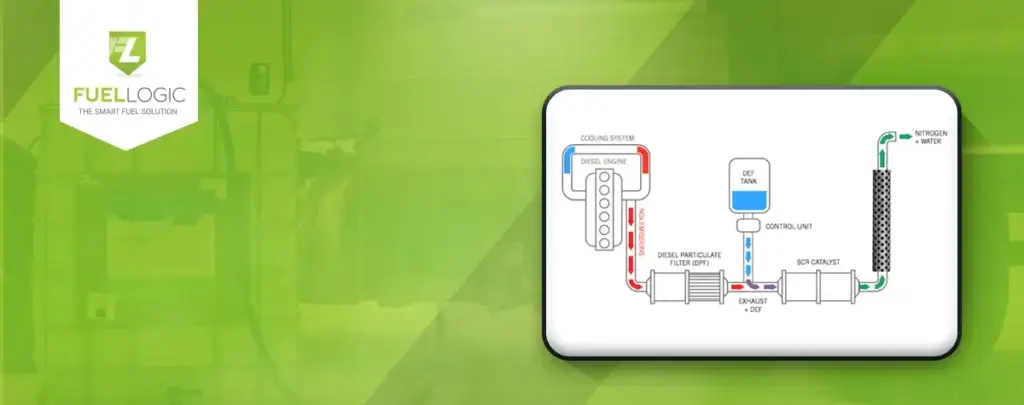
What is DEF? How Does DEF Fluid Work in Diesel Engines
Diesel Exhaust Fluid (DEF) works by being injected into a diesel engine’s exhaust stream, where it converts into ammonia and reacts with nitrogen oxides (NOx) in the Selective Catalytic Reduction (SCR) system. This reaction transforms harmful gases into harmless nitrogen and water, reducing diesel emissions. How does DEF fluid work is crucial in understanding the…
-
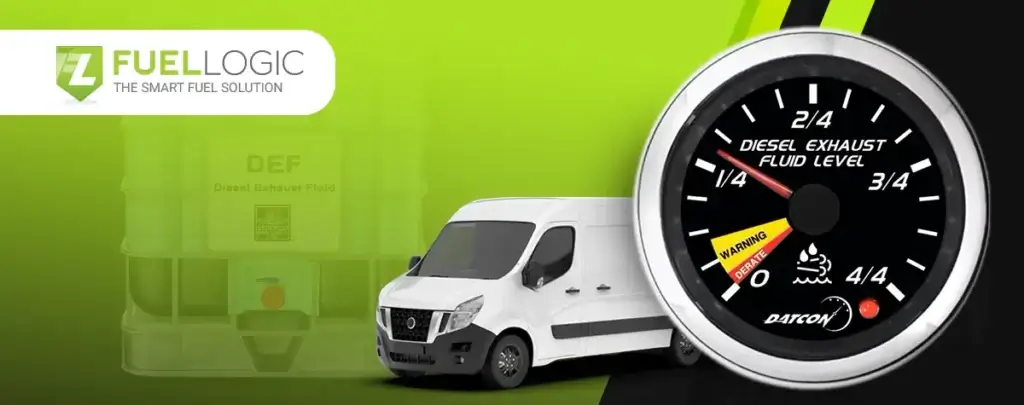
How to Check Your Diesel Exhaust Fluid Level
To check if your Diesel Exhaust Fluid (DEF) is low, look for a DEF warning light or message on your dashboard, or a DEF gauge near the fuel gauge. You can also visually inspect the DEF tank for minimum/maximum markings, or use a dipstick if available, to compare the level with the recommended range. Diesel…
-
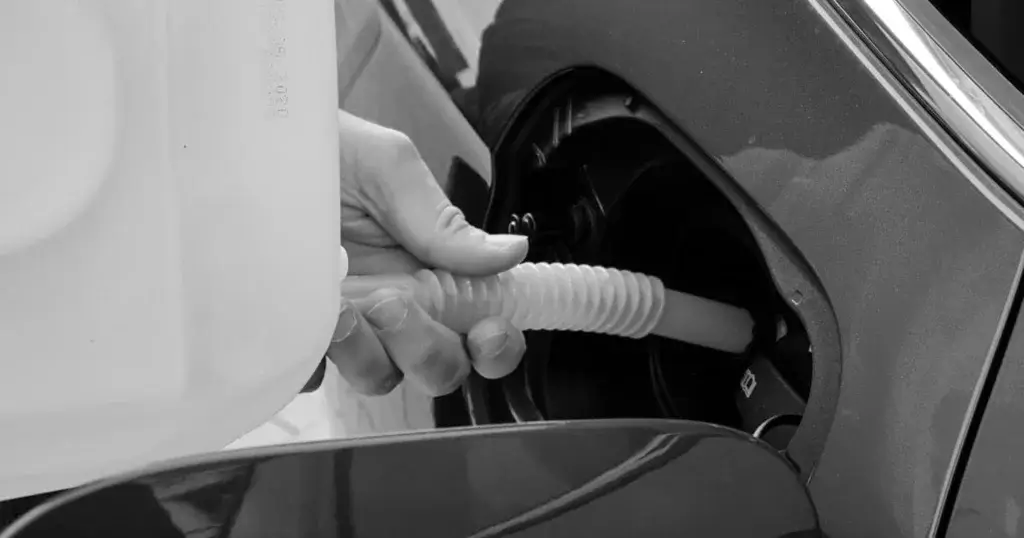
Is All Diesel Exhaust Fluid (DEF) the Same?
Diesel Exhaust Fluid (DEF) that is certified under ISO 22241 has the same chemical makeup no matter which brand you choose. It is made of 32.5% high-purity urea and 67.5% deionized water. ISO-certified DEF brands work just as well in Selective Catalytic Reduction (SCR) systems as other brands. Quality differences happen only because of contamination,…
-
Common Diesel Exhaust Fluid Problems And How To Fix Them
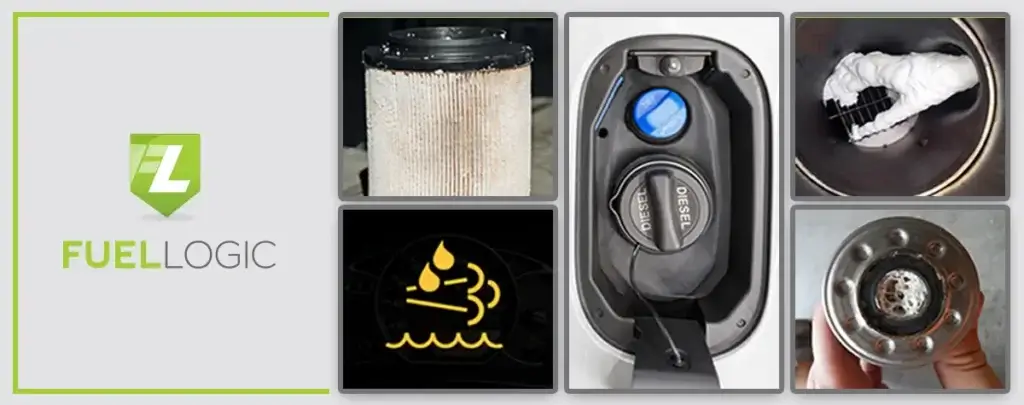
Common DEF system problems cause engine de-rate or limp mode. Typical issues include crystallized fluid clogging injectors, contamination from dirt or wrong fluids, freezing at low temperatures, and sensor failures. These problems, often triggered by low or poor-quality DEF, can cause faulty readings and costly SCR system damage. DEF is a key component in the…
-
Cube Style or Cylindrical Fuel Tank: What’s the difference?
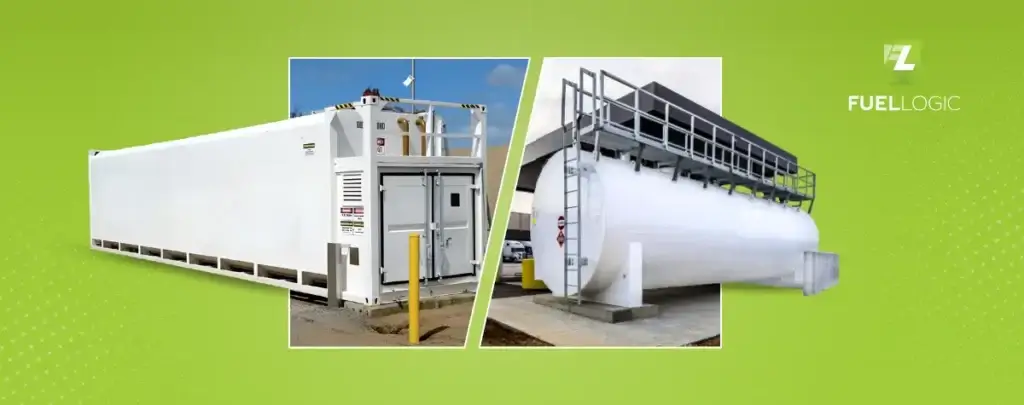
Cube fuel tanks, characterized by their cubic shape, are space-saving, stackable, and easily maneuverable with forklift pockets, often featuring enhanced security and stability. In contrast, cylindrical fuel tanks, with their traditional design, offer stability, durability, versatility in storage, and are often more cost-effective due to standardized manufacturing processes. Selecting the right fuel tank is crucial…
-
How Much Fuel Can You Transport Without a HAZMAT Endorsement?
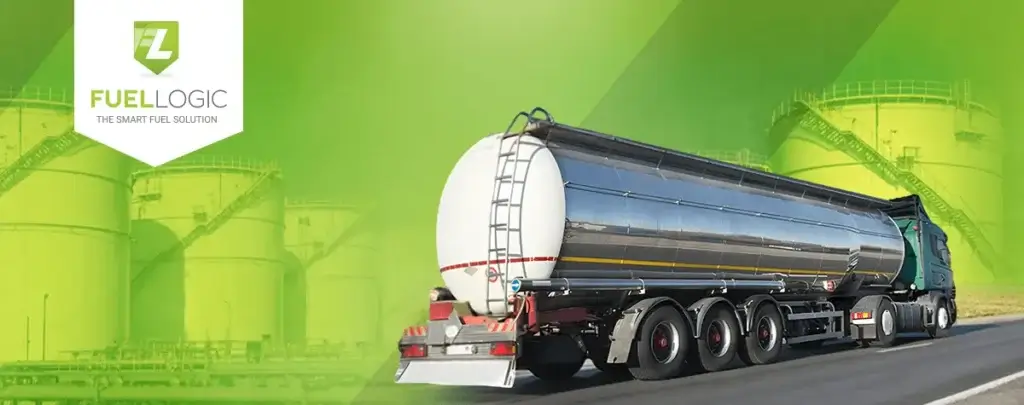
You can transport up to 119 gallons (about 450 liters) of fuel in a single container without a HAZMAT endorsement, under USDOT’s non-bulk packaging exception. Across multiple containers, the total must remain under 1,001 pounds to avoid placarding and endorsement requirements for hazardous materials transport. You cannot carry more than a specified amount of fuel…
-
Is It Cheaper to Buy Diesel in Bulk or Retail Fuel?
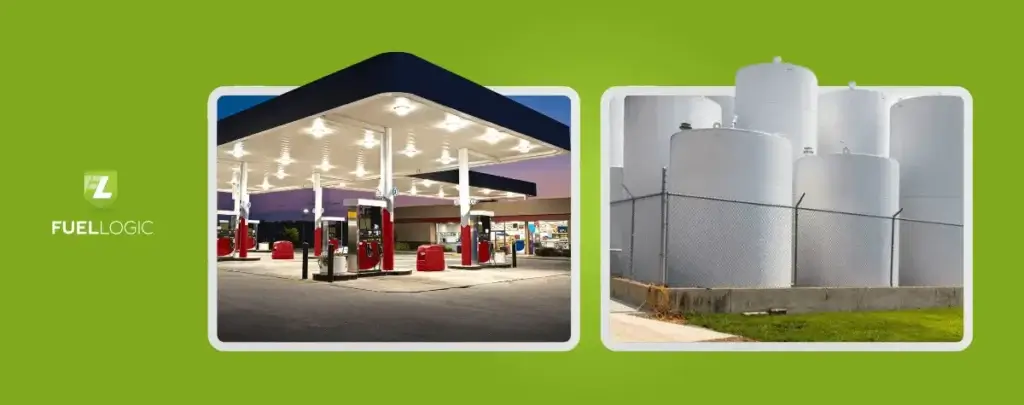
Retail fuel is purchased at public gas stations for immediate use, offering convenience but higher costs. Bulk fuel is delivered to on-site storage tanks, offering lower prices, greater efficiency, and control for businesses with large fleets. The world has been dependent on fossil fuels to a greater degree recently than ever before, and so is…
-
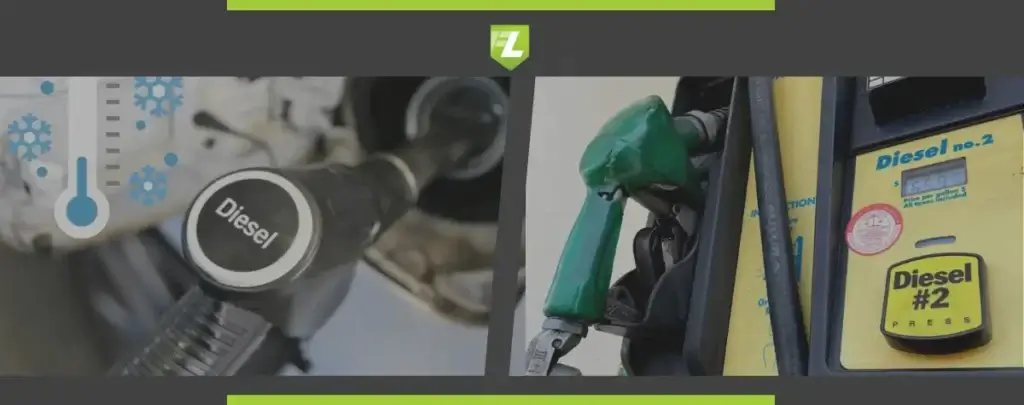
Diesel 1 vs Diesel 2: Which Fuel Is Right for Your Fleet?
Diesel #1, or winter diesel, is lighter and resists gelling in freezing temperatures, making it ideal for cold climates. Diesel #2 is denser, offers better fuel efficiency and lubrication, and performs best in warm weather or heavy-duty engines. Diesel fuels come in two main types—Diesel 1 and Diesel 2. While both power diesel engines, they…
-

DEF in Cold Weather: Temperature of DEF Freezing Point
Diesel Exhaust Fluid (DEF) freezes at 12°F (-11°C) due to its 32.5% urea and 67.5% deionized water composition. Freezing doesn’t reduce DEF quality, but expansion during freezing can damage containers. Most vehicles use DEF tank heaters to thaw the fluid automatically. Diesel Exhaust Fluid is a mixture of deionized water and urea. This solution is…
Need a Fuel Delivery Today?
Fuels Types & Diesel Additives
We Deliver Nationwide
- Diesel
- Gasoline
- Dyed Diesel
- DEF (Diesel Exhaust Fluid)
Schedule your fuel delivery today
Latests Articles
- Texas Suspends Some Dyed Diesel Road-Use Restrictions: What It Actually Means
- Common Fuel Management Mistakes That Drain Budgets
- What Every Fleet Manager Should Know About Fuel Contracts
- How to Choose Between Fuel Cards and Mobile Fueling
- The Real Cost of Running Out of Fuel for Fleets
- Fuel Tank Management: Best Practices for Fleet Owners
- What to Know Before Setting Up Your Own Fuel Storage System
- HVAC Fleets Lose Hours Weekly on Fuel Stops
Categories
- Bulk Fuel Articles (9)
- Business (4)
- Construction (6)
- Diesel (31)
- Diesel Exhaust Fluid (13)
- Diesel Gelling (6)
- Dyed Diesel (5)
- Emergency Fuel Delivery (13)
- Event Fueling (3)
- Fleet (37)
- Fleet card (4)
- Fuel Cost (10)
- Fuel delivery (30)
- Fuel Estimator (2)
- Fuel Management (24)
- Fuel Polishing (2)
- Fuel Safety (7)
- Fuel Tank (28)
- Fuel Types (8)
- Gasoline (13)
- Generator (18)
- Intangible Costs (3)
- Off-road diesel (9)
- Our Culture (2)
- Reefer Trailers (6)
- Stories From the Road (6)