

Fuel Logic Blog
A Resource For Business, Fuel Managers And Fleet Managers
-

How to Get Better Gas Mileage in Winter
To boost winter gas mileage, drivers should maintain proper tire inflation, reduce idling, use appropriate oil, and drive smoothly, as cold weather lowers efficiency. For 2024, the BMW 330e hybrid leads with 217.3 mpg, and the Mercedes-Benz E300 De diesel also achieves 217.3 mpg, highlighting vehicle choice and maintenance for fuel efficiency in cold conditions.…
-

Safe Refueling Practices for Commercial Fleet Operations
For safe refueling practices, it is crucial to turn off the engine, ground yourself, avoid smoking and using electronic devices like cell phones, ensure the area is well-ventilated, and keep a fire extinguisher nearby. Additionally, wear appropriate personal protective equipment and check for leaks before refueling. Safe Refueling Practice Guide: Protocols and Best Practices for…
-

Fuel Safety Precautions and Guidelines for Staying Safe in Handling Fuel
To ensure fuel safety, especially in 2024, handlers must use proper containers, prevent sparks, keep a fire extinguisher nearby, avoid ignition sources when refueling, and store fuel in approved, well-ventilated portable containers away from heat. Spills should be cleaned immediately, and skin exposed to fuel should be washed thoroughly with soap and water to prevent…
-

Maximize Fuel Economy in Cold Weather: Expert Tips for Efficiency
To maximize fuel economy in cold weather, minimizing idling, combining trips, using the correct oil, checking tire pressure, and limiting accessory use are recommended. Denser cold air, prolonged engine warm-up, additional power usage, reduced tire pressure, increased aerodynamic resistance, and challenging road conditions all decrease fuel economy. Proven Ways to Improve Fuel Economy in Cold…
-

Benefits Of Having A Reefer Truck For Your Business
Refrigerated trucking, or reefer trucks, are vital for maintaining temperature control to preserve perishable goods, extending shelf life, and reducing waste. As of the most recent data (December 9, 2025 modified date), these trucks feature insulated walls, refrigeration units, real-time temperature monitoring, and humidity control to protect sensitive cargo like meat, dairy, pharmaceuticals, and delicate…
-
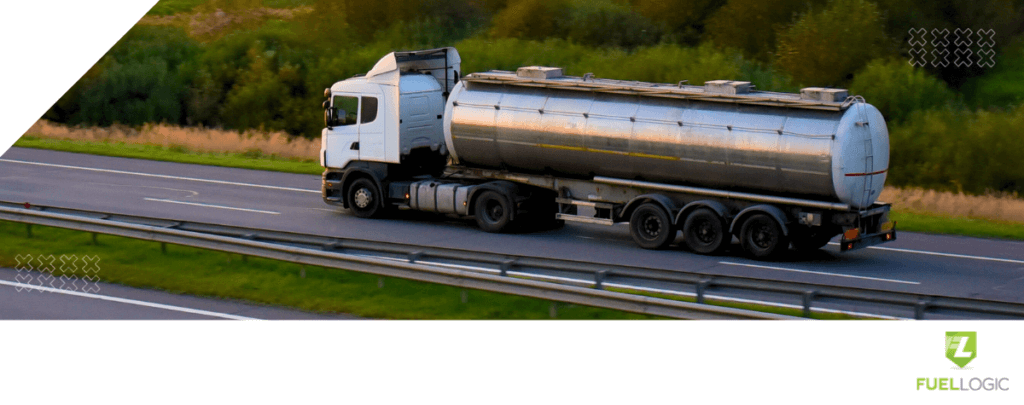
Use of Commercial Fueling Network Fuel Card & How CFN Can Benefit Your Business
CFN supports fuel marketers through integrated branding and transaction services. Its FleetWide solution connects fleets to an expansive network of 57,000+ fueling stations. Commercial Fueling: Advantages Of Commercial Fuel Network for Your Business Operations A study shows that commercial airplanes have been using more fuel since 2009 and reached an all-time high record in 2019…
-

What Is A Fleet Vehicle? An Efficient Fueling Solution for Your Fleet Car
A fleet vehicle is any car, truck, or van owned or leased by a business, government agency, or organization, and not a private individual, playing a crucial role in enhancing operational efficiency and expanding customer reach for various industries. Fleet vehicles play a crucial role in various industries, providing businesses with a dedicated set of…
-
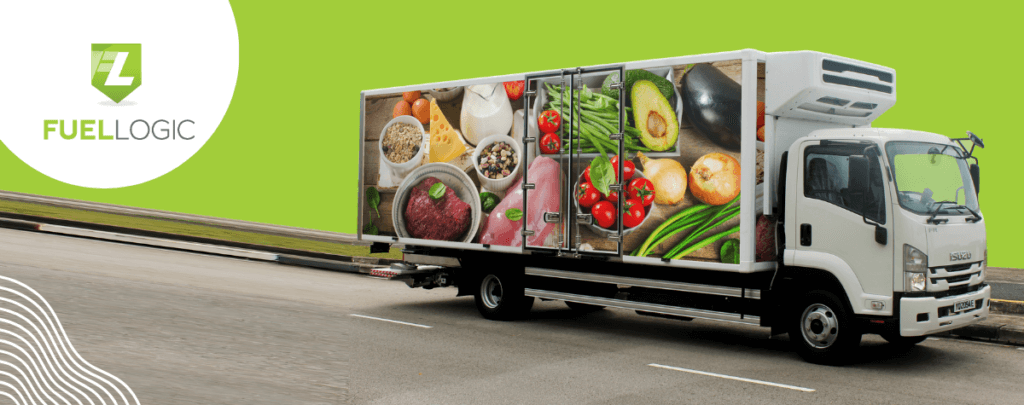
How To Ship Perishable Goods To Avoid Spoilage And Delays
Shipping perishable goods requires specific measures to prevent spoilage and delays. Key practices include using insulation with gel packs or dry ice, ensuring airtight sealing, utilizing fast cold shipping methods, and applying clear labeling. Perishable items, such as fresh produce, meats, and dairy, are time and temperature-sensitive, necessitating refrigerated trailers and reliable reefer fuel delivery…
-
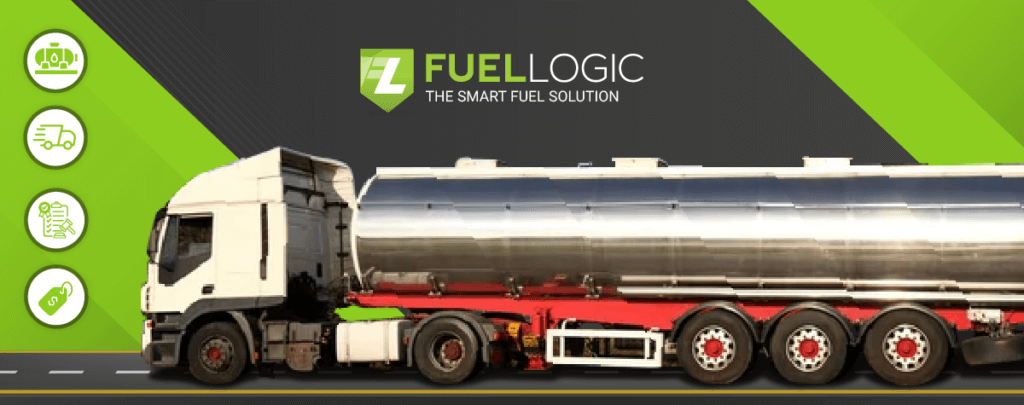
Reefer Fuel Tank: What You Need To Know Before Buying One
A reefer unit on a full 50-gallon fuel tank typically runs between 24 and 96 hours (1-4 days), depending on conditions. Runtime varies with outside temperature, door openings, unit type, and mode. Continuous operation burns fuel faster than automatic cycles, especially in hot weather. Reefer Fuel Tank: What You Need To Know Before Buying One …
-

Best Practices for Shippers In Pharmaceutical Transportation That You Should Know
In 2022, worldwide pharmaceutical revenues reached 1.48 trillion U.S. dollars. Best practices for pharmaceutical transportation include knowing the products, considering all temperature control options like refrigerated trucks and reefer fuel, leveraging real-time monitoring, documenting the entire shipping process, complying with rules and regulations from organizations like the FDA, using specialized packaging, and providing proper training…
Need a Fuel Delivery Today?
Fuels Types & Diesel Additives
We Deliver Nationwide
- Diesel
- Gasoline
- Dyed Diesel
- DEF (Diesel Exhaust Fluid)
Schedule your fuel delivery today
Latests Articles
- Texas Suspends Some Dyed Diesel Road-Use Restrictions: What It Actually Means
- Common Fuel Management Mistakes That Drain Budgets
- What Every Fleet Manager Should Know About Fuel Contracts
- How to Choose Between Fuel Cards and Mobile Fueling
- The Real Cost of Running Out of Fuel for Fleets
- Fuel Tank Management: Best Practices for Fleet Owners
- What to Know Before Setting Up Your Own Fuel Storage System
- HVAC Fleets Lose Hours Weekly on Fuel Stops
Categories
- Bulk Fuel Articles (9)
- Business (4)
- Construction (6)
- Diesel (31)
- Diesel Exhaust Fluid (13)
- Diesel Gelling (6)
- Dyed Diesel (5)
- Emergency Fuel Delivery (13)
- Event Fueling (3)
- Fleet (37)
- Fleet card (4)
- Fuel Cost (10)
- Fuel delivery (30)
- Fuel Estimator (2)
- Fuel Management (24)
- Fuel Polishing (2)
- Fuel Safety (7)
- Fuel Tank (28)
- Fuel Types (8)
- Gasoline (13)
- Generator (18)
- Intangible Costs (3)
- Off-road diesel (9)
- Our Culture (2)
- Reefer Trailers (6)
- Stories From the Road (6)