

This guide breaks down five costs of poor fuel management for fleets that stay hidden until someone actually goes looking for them, and shows how structured management keeps operations efficient and predictable instead.

Take Control of Your Fleet Fuel Costs
Simplify fleet fueling, reduce unnecessary expenses, and keep your vehicles moving with dependable fuel solutions from Fuel Logic.
⚡ Key Takeaways
- Fuel losses often hide behind missing data and idle time.
- Small daily inefficiencies multiply across fleets.
- Reliable tracking and delivery systems cut real costs.
- Working with a trusted fuel partner protects both uptime and budgets.
1. Fuel Waste From Untracked Usage
Without accurate fuel logs, waste and theft look identical on paper, because there’s no record to tell them apart. Unmonitored tank usage causes shrinkage and misreporting, and drivers filling up outside approved vendors make the gap even harder to trace.
As an example of how this adds up: a loss of just $0.10 per mile across a 100-vehicle fleet turns into a real number fast, even though no single fill looks like a problem on its own. Fuel tracking systems close this gap by tying every gallon to a vehicle, a driver, and a timestamp. See fleet fueling services for how tracked delivery removes this blind spot.
2. Downtime From Poor Fuel Planning
Trucks waiting on fuel are trucks not generating billable hours. Emergency refueling disrupts delivery schedules, and running on a low tank or contaminated diesel adds wear that shows up in the maintenance budget later. Missed dispatch deadlines from a fuel-related delay carry a reputational cost on top of the direct one.
On-site fueling removes this downtime by bringing fuel to the vehicle on a schedule, instead of forcing a stop that wasn’t planned for. See mobile diesel delivery for how scheduled, on-site fueling keeps this from happening in the first place.
3. Engine Wear and Maintenance Costs
Poor fuel storage invites water, microbial growth, and sludge, and any of the three can clog injectors, filters, and DPF systems. Low-grade diesel accelerates wear on top of that. The result is higher maintenance intervals and more part replacements than a fleet running on clean, well-managed fuel.
Regular fuel testing and proper DEF usage reduce this kind of damage. Fuel management solutions built around fuel quality help catch this before it becomes an engine problem.
4. Administrative and Reporting Inefficiencies
Manual fuel logs are prone to error, and accounting mismatches in fuel spend are a common result. Without visibility into per-vehicle fuel economy, nobody can see which vehicles are actually costing more to run. Reconciling paper fuel receipts against invoices wastes hours that add up across a year.
Centralized digital tracking replaces that manual reconciliation with a system that already has the numbers. Talk to a Fuel Logic expert about what that tracking actually looks like for a fleet your size.
5. Compliance and Tax Reporting Risks
Incomplete fuel usage reports create real exposure under International Fuel Tax Agreement (IFTA) and Department of Transportation (DOT) requirements. Tax audits flag unverified gallons or locations, and missing DEF or emissions records can affect inspections. Proper data collection is what keeps a fleet on the right side of both.
Partnering with a fuel delivery service that provides traceable records for every gallon turns compliance from a scramble into something already documented. See the fuel delivery FAQ for more on how that documentation works.
How Small Losses Add Up
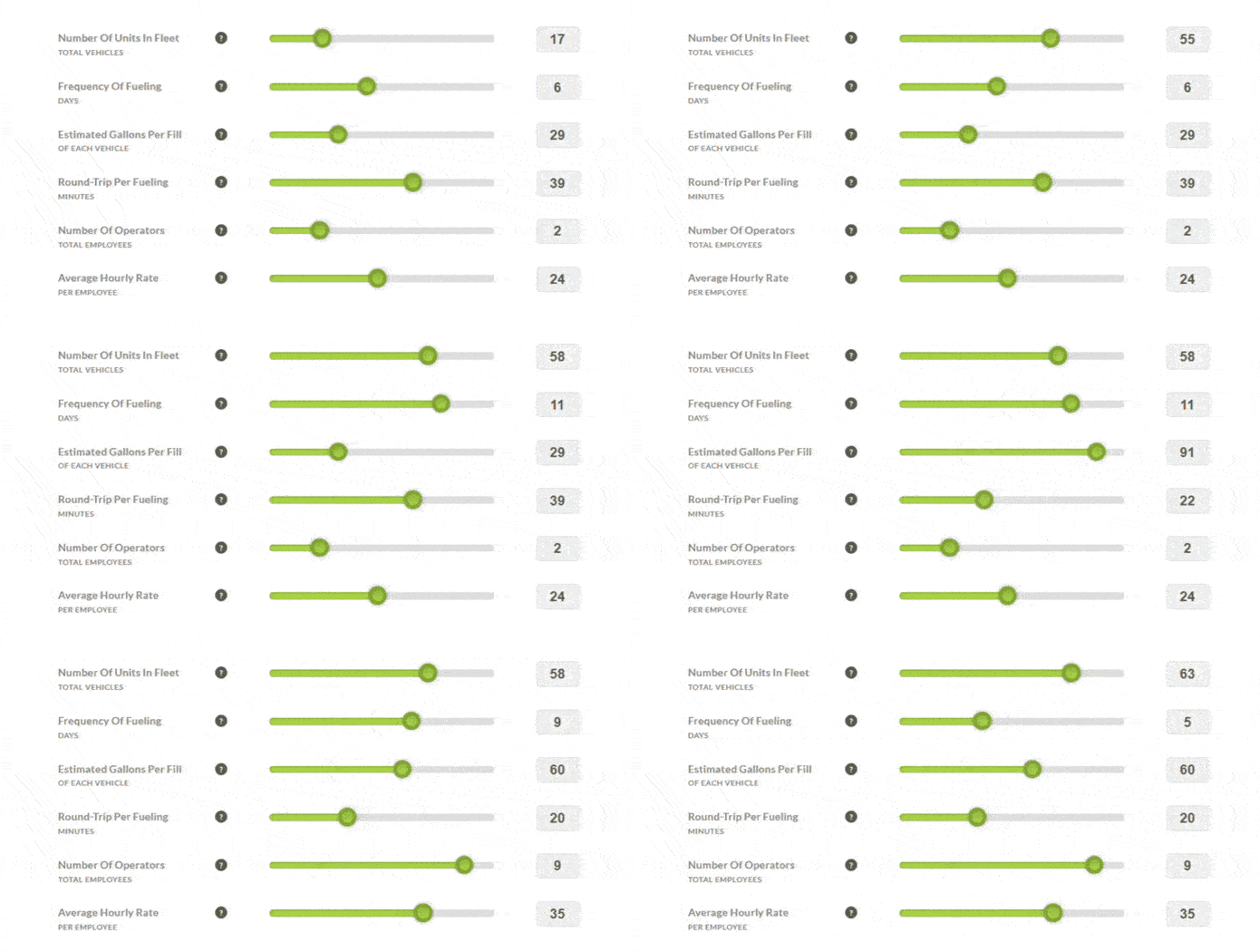
A loss of just $5 to $10 a day per truck sounds small until it’s multiplied by a full fleet and a full year, at which point it’s thousands of dollars nobody budgeted for. Downtime, engine wear, and fuel waste compound each other rather than staying separate, which is exactly why managed fuel systems show real ROI once a fleet actually tracks the before-and-after.
How to Prevent Fuel Management Losses
Adopt mobile fueling and telematics to close the visibility gap. Track per-vehicle usage and idle time instead of relying on a fleet-wide total. Maintain fuel quality with regular tank checks. Simplify ordering and record-keeping so nobody’s reconciling paper receipts by hand.
FAQs
What’s the biggest hidden cost in fleet fuel management?
Untracked usage and the downtime that comes from poor fuel planning are usually the largest, since both compound quietly over time without showing up as a single obvious expense.
How can I monitor individual vehicle fuel usage?
Fuel cards, telematics integration, and delivery logs that tie gallons to a specific vehicle ID all give you the per-vehicle visibility a fleet-wide total can’t.
Can mobile fueling really save money?
Yes, primarily by removing downtime and driver detours, and by replacing unmonitored fills with documented, accountable delivery.
What tools help track fleet fuel waste?
Telematics systems, fuel management platforms, and providers who tie fuel purchases directly to consumption analytics all help surface waste that would otherwise stay invisible.
How often should fleet fuel data be audited?
Monthly or quarterly reviews catch problems early enough to act on them, rather than discovering a year’s worth of loss all at once.
Contact Fuel Logic to schedule a fleet fuel delivery, or order fuel online to see managed fueling in action.