
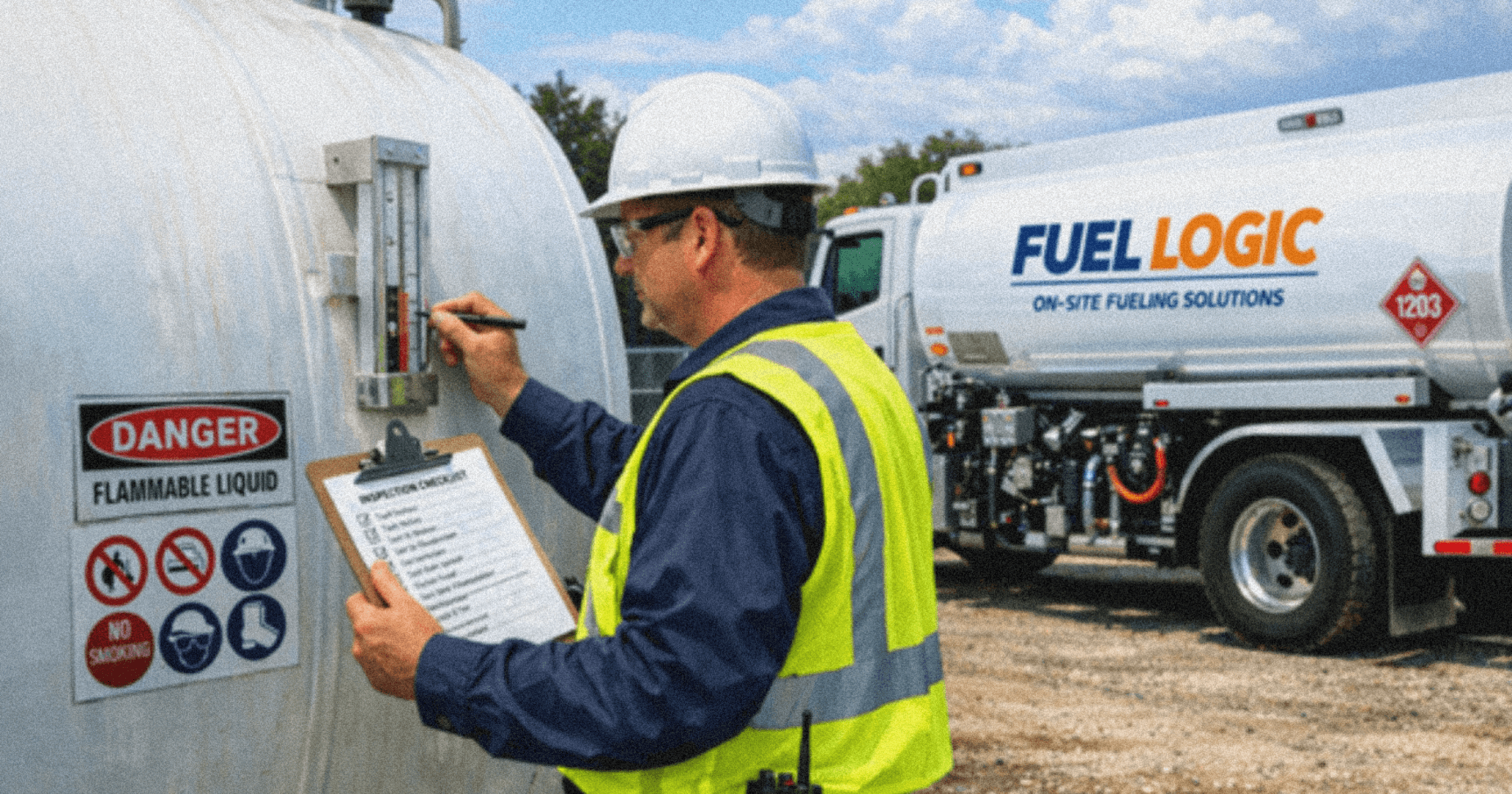

Fuel mismanagement can lead to direct compliance penalties when proper handling rules are not followed. In one case, the U.S. Department of Labor’s OSHA cited three construction companies and 14 site contractors for 370 violations. It proposed $16.6 million in penalties linked to unsafe fuel gas handling practices.
This strict regulatory action came after a serious incident occurred in February 2010. The case relates to a deadly natural gas explosion at the Kleen Energy Systems LLC power plant construction site in Middletown, Connecticut.
OSHA and DOT formulates the standards for fuel storage, transportation, and recording at work sites. Small mistakes in fuel handling can lead to major compliance issues when records and storage checks do not meet required standards. Compliance issues occur when companies skip inspections, store diesel with other materials, or miss delivery logs.
This is why strong OSHA fuel storage compliance and correct DOT fuel transport practices are important to reduce these risks. This blog explains OSHA and DOT fuel rules and common fuel mismanagement issues. We have also explained the steps on how you can comply with OSHA and DOT regulations.
What Counts as Fuel Mismanagement?
Fuel mismanagement refers to any action or neglect that puts fuel storage, handling, or tracking at risk. It also happens when records do not match actual fuel levels. In many cases, workers do not follow safety steps or miss routine checks.
Now, let’s discuss the common forms of fuel mismanagement and the reasons behind them.
Common Forms of Mismanagement
One common issue involves mixing flammable fuels with other storage items. This habit increases the risk of fire and puts workers in danger. In addition, placing hazardous petroleum products together without proper gaps also creates unsafe storage setups.
Another issue includes poor labeling of tanks or containers. When labels are missing or contain wrong details, workers may use the wrong fuel type. This mistake may damage equipment and pose safety concerns, especially in the trucking industry, where fuel types vary in different operations.
Fuel leaks also count as mismanagement because spills may spread into soil or water if proper containment is not in place. In December 2023, about 21,000 gallons of gasoline leaked from the Olympic Pipeline near Conway. Authorities issued a $3.8 million penalty to the companies involved for the spill.
Failure to track fuel deliveries and usage also falls into this category. When records do not match available stock, it creates disorder and raises suspicion. Inaccurate logs may point to misuse, theft, or reporting issues. This is where fleet fuel tracking tools come in. They close the gap between what’s dispensed and what’s logged, giving businesses a reliable audit trail.
Implementing proper fleet fuel management can help businesses maintain accurate fuel records, monitor usage and identify discrepancies before they become larger compliance problems.
Why It Happens
Fuel mismanagement results from outdated procedures and untrained staff. Workers may follow wrong steps or miss inspections during routine tasks. Consequently, errors arise in fuel storage and handling.
Above all, supplier records may not align with site logs. This creates doubt in tracking. Absence of an inspection schedule also causes leaks and labeling errors.
Your operation could be at risk right now
Fuel Logic delivers with full DOT compliance documentation — no gaps in your records.
OSHA & DOT Regulations That Apply
OSHA and DOT rules define responsibilities for fuel use, storage, and transport at work sites. OSHA sets worker safety rules inside job areas. DOT provides regulations for fuel movement on roads and during delivery. Each rule gives responsibility to employers and workers.
OSHA Fuel Storage Standards (29 CFR 1910.106)
29 CFR 1910.106 under OSHA Subpart H regulates the storage and handling of flammable and combustible liquids. It applies to liquids below 200°F flash point and classifies them by fire risk level to reduce OSHA risks at work sites.
Using a 2-inch liquid-tight base in cabinets is mandatory to comply with secondary containment rules. Installing at least one 20-B rated fire extinguisher within 25 to 75 feet of storage zones is also compulsory. Moreover, fuel must be placed about 20 feet away from ignition sources.
Likewise, airflow must correspond to tank surface area, calculated per square foot for proper ventilation control. Besides this, employee training is important and must be documented under 29 CFR 1910.106 before handling fuel tasks.
DOT Fuel Transport Requirements
DOT fuel transport rules under 49 CFR Parts 171–180 apply to the transportation of all hazardous materials, including fuel. These regulations state that the suppliers must properly package, mark, and label the fuel tanks before transporting. Shipping name, hazard class, and identification number must also be mentioned on each container.
Displaying placards on all sides of the fuel delivery trucks is also mandatory under 49 CFR 172.504. Vehicle inspection records must be maintained to confirm roadworthiness. Above all, employers must have detailed hazmat training records for each employee, during employment, and for 90 days after.
| Compliance Area | OSHA (Workplace Safety) | DOT (Transport Safety) |
|---|---|---|
| Storage | Regulates safe fuel storage under 29 CFR 1910.106 with fire protection and containment rules. | Focuses on safe storage during transport staging and approved container use. |
| Handling | Covers safe workplace handling, spill prevention, and PPE use for employees. | Covers safe loading/unloading of hazardous materials during transport operations. |
| Transport | Requires training records, inspection logs, and safety compliance documentation. | Requires shipping papers, emergency response information, and hazmat employee training records. |
| Documentation | Mandatory employee safety training for hazardous material handling. | Mandatory hazmat training, CDL requirements, and recurrent certification every 3 years. |
Real Risks of Non-Compliance
Non-compliance in fuel handling can bring the following legal, financial, and operational consequences under OSHA and DOT rules.
Financial Penalties
Non-compliance in fuel transport causes direct compliance fines under OSHA and DOT rules. These penalties come from unsafe storage, poor handling, and transport violations. OSHA penalties can reach about $16550 per violation for unsafe fuel storage and handling.
DOT fines also apply for mislabeling, leaks, or improper packaging during fuel transport. The FMCSA increased penalties for violating DOT rules in 2025. Daily penalties for recordkeeping violations can reach $1,584, and total penalties can go up to $15,846.
Operational Setbacks
Site shutdowns may occur during inspections when fuel handling or storage does not meet OSHA or DOT rules. Non-compliant vehicles can also cause delivery delays. Vehicles that do not meet DOT standards may receive restrictions or removal from service. These issues affect job progress and disrupt fuel supply at work sites.
Reputation Damage
Fuel compliance issues appear in public records and inspection reports, which affect business credibility. Companies with repeated violations may experience contract cancellation with safety-sensitive partners who prioritize transport health and safety in business operations. This impact can restrict business opportunities.
How Poor Fuel Management Causes Violations
Poor fuel management creates conditions that lead to regulatory violations at work sites. These are the factors that cause violations and increase penalties under OSHA and DOT rules:
Poor Storage Practices
Leaking containments or missing secondary barriers allow fuel to spread outside storage areas. This condition increases fire risk and raises inspection concerns during checks.
Moreover, when companies don’t record inspection logs, there is no written record of storage checks. As a result, inspectors treat missing logs as a weak control of fuel storage. These issues relate to OSHA fuel storage compliance rules, which require secure containment and written inspection records.
Incomplete Paperwork
Missing delivery receipts or fuel logs break the record chain for fuel storage and usage. This break blocks verification during audits and inspections. Lack of Safety Data Sheets (SDS) for stored fuels removes hazard details from the site.
Workers lose access to fuel risk data, handling rules, and emergency guidance. These errors in documentation show weak control practices in the trucking industry and increase the risk.
Inconsistent Training
Inconsistent training weakens understanding of fuel handling rules. Employees lack awareness of labeling standards and handling procedures. This results in poor storage practices and the wrong placement of fuel containers. These mistakes raise OSHA and DOT compliance issues.
Not sure if your supplier is DOT-certified?
Fuel Logic uses certified transport vehicles, proper hazmat labeling, and maintains full shipping documentation on every delivery — so your audit trail is always clean.
Steps to Stay OSHA & DOT Compliant
The following are the important steps to ensure OSHA and DOT compliance in fuel operations.
Create a Fuel Handling Policy
A fuel handling policy involves assigning roles to ensure safe fuel storage and usage. It includes making checklists for tank inspection, fuel transfer steps, labeling rules, and spill response actions. Moreover, define written procedures for safe fuel movement and storage control at job sites.
Maintain Accurate Records
Log entries for deliveries, fuel quantities, and inspection records. Define record procedures for storing digital copies of all fuel data, preferably for at least 3 years.
Conduct Regular Safety Audits
Perform monthly visual checks for leaks, storage conditions, and equipment status. Set an annual third-party compliance review to check records and confirm compliance with fuel storage standards and US DOT safety policy.
Partner With Certified Suppliers
Source fuel from reliable suppliers that follow DOT transport rules for fuel delivery. Make sure to check transport permits, driver qualifications, and safe handling during delivery. Review supplier records for past compliance performance and delivery practices.
Fuel Logic is a trusted fuel supplier agency that offers on-site diesel delivery services for fleets. Our delivery agents carefully follow all the local and federal fuel transportation regulations.
How Fuel Logic Helps Businesses Stay Compliant
Fuel Logic follows all the DOT fuel transport regulations during on-site fuel delivery. Our delivery agents make sure the containers are properly classified, sealed, and labelled. We also acquire all the important documents required for transporting gas, diesel, and other hazardous materials.
Fuel logic also uses traceable diesel delivery logs to record fuel quantity, dispatch time, and delivery location details. Our certified transport vehicles handle fuel transport under approved safety conditions.
Furthermore, our experienced agents follow OSHA containment standards during jobsite fleet fueling to prevent spills and waste. Our delivery reports clearly show each fueling activity and comply with audit requirements during inspections.
Frequently Asked Questions
What’s the most common OSHA fuel storage violation?
Incorrect labeling of fuel containers and unsafe storage near ignition sources are the most common OSHA fuel storage violations. Many sites also don’t have proper containment for leaks and spills, which increases fire risks.
How can I verify my supplier meets DOT standards?
Check your supplier’s DOT registration and valid transport permits. Check driver qualification records and vehicle safety certificates. You must also review fuel handling records that show proper classification and labeling under DOT fuel transport regulations.
How often should I inspect my fuel tanks?
You must perform a monthly visual inspection of your fuel tanks to check leaks, rust, and damage. You can also perform a full inspection once every year. This will help ensure compliance with OSHA and DOT fuel regulations.
Can recordkeeping errors cause fines?
Missing logs, wrong fuel quantities, and incomplete inspection records are general recordkeeping errors that cause fines under OSHA and DOT rules. These recording mistakes lead to penalties during audits or inspections.
What reports should I keep for OSHA audits?
During OSHA audits, make sure to keep fuel delivery logs that show quantity, date, and location details. You must also have inspection reports, spill response records, and employee training records to avoid compliance issues.
⚡ Key Takeaways
- Violating OSHA and DOT fuel rules can cause massive penalties and legal action.
- Proper labeling, safe containment, and worker training is essential to reduce fuel handling mistakes and avoid fines.
- Regular audits and fuel tank inspections help ensure compliance with OSHA and DOT fuel regulations.
- Reliable suppliers maintain accurate fuel records and follow compliance rules during fuel deliveries.
Reduce Fuel Mismanagement Risks With Fuel Logic
Want to prevent fuel mismanagement and compliance issues with OSHA and DOT standards? Fuel Logic can help you manage fuel storage and transportation at your work sites. We offer on-site fuel delivery services, including diesel, gasoline, DEF, and bulk fuel delivery for high-volume operations.
You can contact our support team to schedule deliveries based on your fueling needs. Our service coverage spans many regions, allowing fuel access for different project locations and fleet sizes. Place an order today or visit our FAQ section for additional details about the service process.
Stop letting fuel mismanagement put your business at risk
Fuel Logic delivers diesel, gas, and DEF with full DOT documentation, OSHA-compliant containment practices, and traceable logs — ready for any audit, anywhere in the country.




