
⚡ Key Takeaways
- A clear fuel policy prevents misuse and improves data accuracy.
- Driver compliance drives predictable costs and fair accountability.
- Integrating mobile fueling and tracking tools simplifies operations.
- Consistency, communication, and monitoring make the policy stick.
Understanding the Purpose of a Fleet Fuel Policy
What a Fleet Fuel Policy Covers
A real policy defines fuel card use and spending limits, approved fuel stations or delivery partners, idling rules and how they tie into route efficiency and maintenance, and clear driver reporting procedures.
Common Problems It Solves
A written policy addresses unauthorized fueling, card sharing and the data discrepancies it creates, manual log errors, and missing fuel receipts or incomplete mileage records, all before they become a pattern.
Why Driver Compliance Is Central to Fuel Efficiency
The Human Factor in Fuel Costs
Inconsistent refueling habits make budget forecasting harder, and idling, aggressive driving, and poor planning all affect fuel spend directly. Consistent behavior across the fleet matters more as fleet size grows.
Compliance Equals Predictable Costs
Real compliance reduces fuel theft and misuse, creates reliable consumption data to plan around, and builds accountability through visibility that a loosely enforced policy never provides.
How to Build an Effective Fleet Fuel Policy
Step 1: Assess Current Fuel Usage
Review fuel spend by vehicle and route, pull telematics and fuel tracking reports, and identify high-variance drivers or routes before writing a single rule.
Step 2: Set Clear Rules and Expectations
Define approved fuel vendors or delivery services, create daily or weekly fuel budget caps where they make sense, and standardize how mileage and receipts get entered so the data is comparable across drivers.
Step 3: Integrate Fleet Fueling Solutions
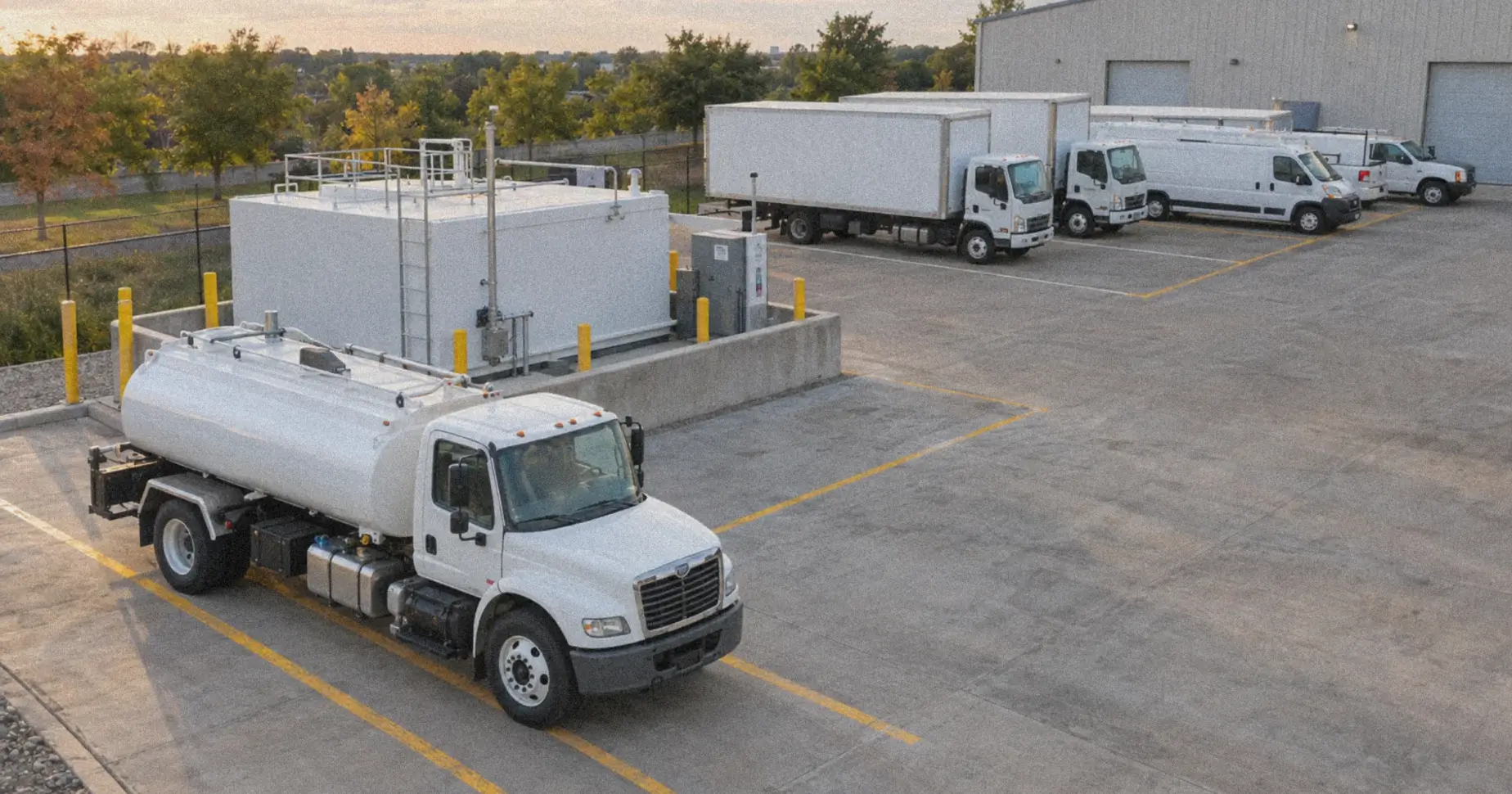
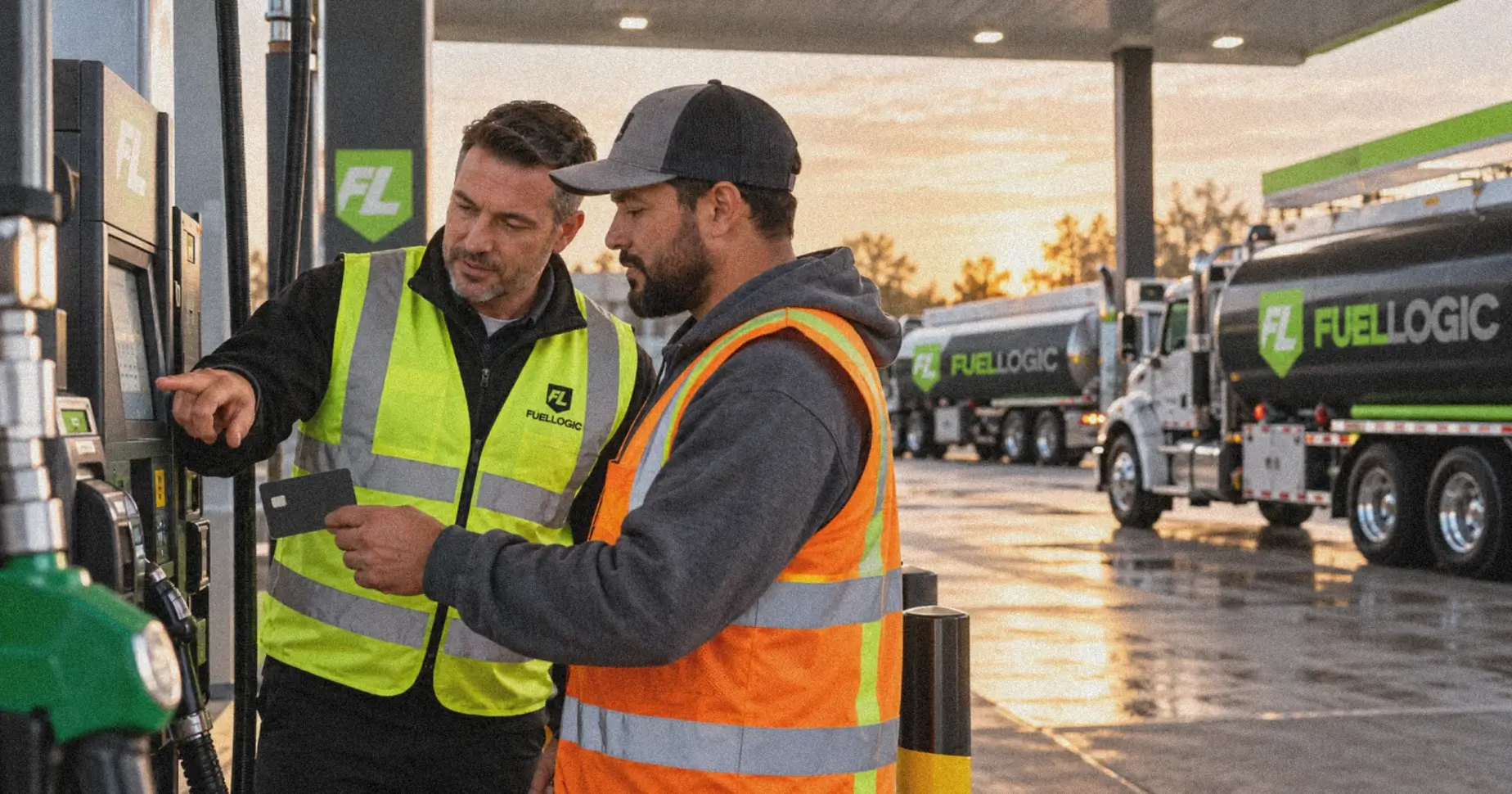
On-site fueling or mobile delivery can reduce refueling downtime, while centralized billing simplifies recordkeeping across the fleet. Partnering with Fuel Logic for fleet fueling services helps you coordinate fuel supply through one provider rather than manage it piecemeal.
How to Improve Driver Compliance Over Time
Training and Communication
Explain the “why” behind the policy, not just the rule itself. Include drivers in feedback loops, and provide short refreshers during quarterly reviews instead of a single onboarding session that’s never revisited.
Monitoring and Reporting Tools
GPS and telematics help you track individual trips, while fuel-efficiency dashboards make it easier to spot patterns across the fleet. If you use fuel delivery services, compare delivery records with vehicle data for a fuller picture of fuel use. Use these insights to recognize drivers who follow the policy, not just address violations.
Accountability Framework
Assign clear roles for drivers, dispatchers, and admins, include fuel performance in driver evaluations, and track compliance trends over time rather than treating each incident as isolated.
Take Control of Your Fleet Fuel Costs
Simplify fleet fueling, reduce unnecessary expenses, and keep your vehicles moving with dependable fuel solutions from Fuel Logic.
Key Metrics to Track Under Your Fleet Fuel Policy
- Average miles per gallon (MPG)
- Idle time per driver
- Unauthorized fuel purchases
- Variance between assigned and reported fueling points
[Design note: line chart showing MPG improvement vs. non-compliance incidents, trend line showing compliance rates rising as MPG improves]
Common Policy Mistakes and How to Avoid Them
Overly strict fuel limits can frustrate drivers and encourage workarounds rather than compliance. Build practical rules around feedback from field staff, and use real-time monitoring to spot issues before they become recurring problems. Review the policy at least annually and whenever routes, vehicles, or fuel programs change. If your fleet uses bulk diesel delivery, align delivery schedules with fuel demand so supply gaps don’t make the rules harder to follow.
Frequently Asked Questions
What should a fleet fuel policy include?
Approved fuel vendors, spending limits, idling rules, reporting procedures, and clear consequences for non-compliance all belong in a real policy.
How do you ensure drivers follow fuel policy rules?
Clear communication about why the policy exists, consistent monitoring, and a fair accountability framework that rewards compliance, not just penalizes violations, all drive real follow-through.
What are signs of fuel card misuse?
Fuel purchases that don’t match mileage or job locations, frequent card sharing, and unexplained spending spikes are all common warning signs.
How can mobile fueling help driver compliance?
Mobile fueling removes the driver’s discretion from the fueling decision entirely, since fuel arrives on-site on a schedule instead of depending on where and how a driver chooses to fuel up.
How often should you review your fuel policy?
At least annually, and sooner if vehicles, routes, or the fuel program itself change meaningfully.
Does Fuel Logic offer on-site fueling for fleets?
Yes, Fuel Logic delivers fuel directly on-site, which removes one of the biggest sources of policy drift: drivers making their own fueling decisions off-site.
Have more questions? Contact Fuel Logic to schedule a fleet fuel delivery, or order fuel online.