

Fuel Logic Blog
A Resource For Business, Fuel Managers And Fleet Managers
-
Fuel Theft: The Bogeyman in Fuel Management
Fuel theft is the illegal extraction or diversion of gasoline, diesel, or other fuels from vehicles, storage tanks, or distribution systems. It can occur through siphoning, card fraud, or organized crime networks, causing major financial losses and safety risks for transportation, construction, and logistics industries. Fuel Theft: The Bogeyman in the Fuel Management Industry No-one…
-
Intangible Costs: What Are Those Missing Hours REALLY Costing?
Intangible costs are difficult-to-measure, non-physical expenses, such as decreased employee morale, lower productivity, or damage to brand reputation. In fuel management, these costs arise when drivers spend time refueling at stations, reducing active working hours, potentially saving a ten-truck fleet ten delivery hours daily with mobile fueling. In 2024, the fuel tank market reached USD…
-
How Much Does Fuel Delivery Cost?
Fuel delivery costs vary based on fuel amount, distance, type, and provider, typically including a base fee plus fuel costs, with delivery fees ranging from $3 to $9. Factors like the price per gallon, distance to the customer, tank size, and fuel volume influence the total cost, with smaller orders costing more per gallon. Businesses…
-
Emergency Fueling in the Snowpocalypse
Emergency fueling during a snowpocalypse involves staying indoors when possible, preparing vehicles for winter, monitoring fuel, following safety guidelines, and avoiding unauthorized siphoning. Fuel Logic offers 24/7 nationwide emergency fuel delivery for gasoline and diesel to prioritize critical facilities like hospitals, deploying trucks rapidly to ensure uninterrupted power for generators even during natural disasters and…
-
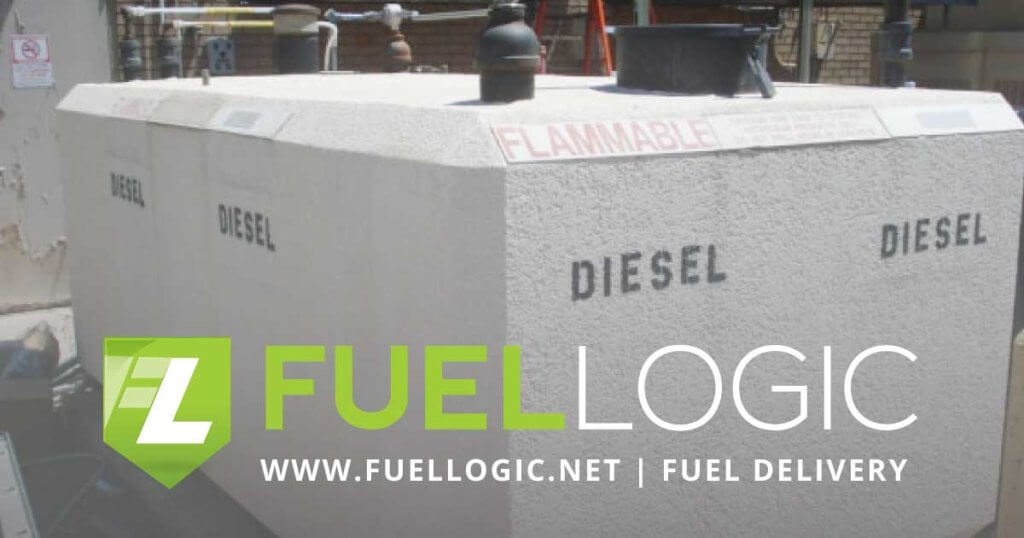
Diesel Tank Cleaning & Fuel Polishing
Diesel tank cleaning and fuel polishing remove contaminants from stored diesel like sludge, algae, and microbial growth, which affect fuel quality and lead to issues such as clogged filters and engine damage. This process starts with removing water and contaminants, followed by three levels of filtration, chemical cleaning, and finally, fuel polishing using centrifuges and…
-

How To Store Diesel Exhaust Fluid (DEF) in the Summer
To store Diesel Exhaust Fluid (DEF) properly in the summer, keep it in a cool, dry, and shaded location, ideally at temperatures between 12°F and 86°F. This prevents degradation caused by heat and prolonged exposure to direct sunlight, maintaining its quality and effectiveness. Storing Diesel Exhaust Fluid (DEF) in the Summer Diesel Exhaust Fluid (DEF)…
-
Is Your Bulk Tank A Liability?
Bulk fuel storage tanks present liabilities including hidden costs for permits, inspections, insurance, and maintenance, and significant risks from external and internal fuel theft. Efficiency gains from onsite fueling are limited as employees still spend time fueling equipment, and alternative solutions like mobile fleet fueling can reduce these risks and improve productivity. Is that Bulk…
-
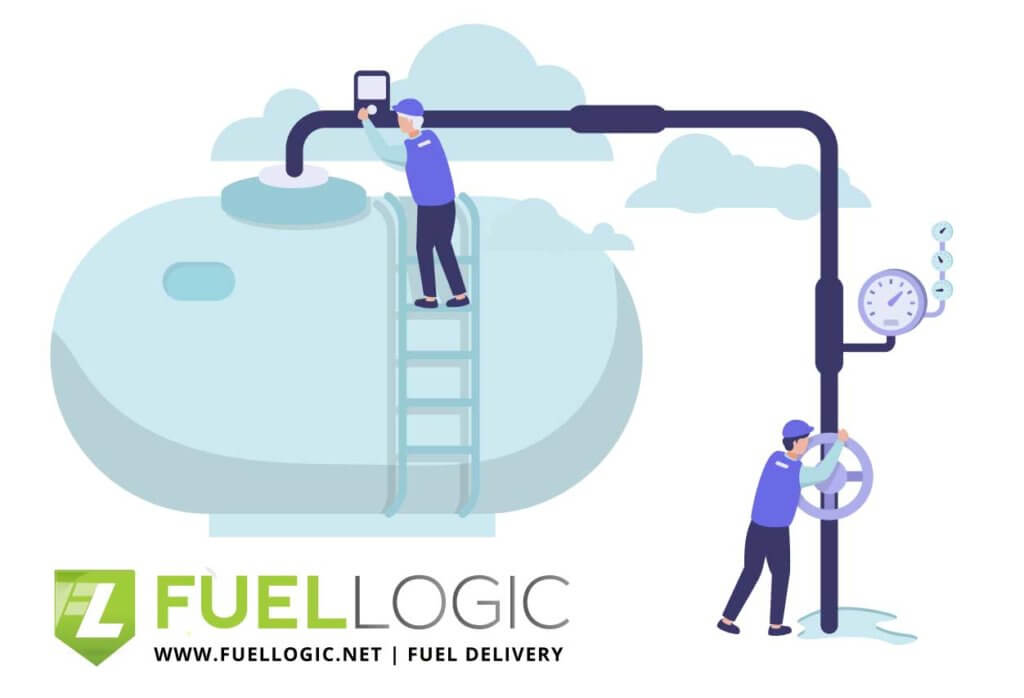
Above Ground Fuel Tanks – Maintenance, Water, and Contaminants
What Is an Above Ground Fuel Tank? An above-ground fuel tank (AST) is a storage container designed to hold flammable or combustible liquids like diesel and gasoline above ground level. These tanks are available in single- or double-wall construction and must meet EPA and NFPA safety standards. Types of Above Ground Fuel Tanks Common types…
-
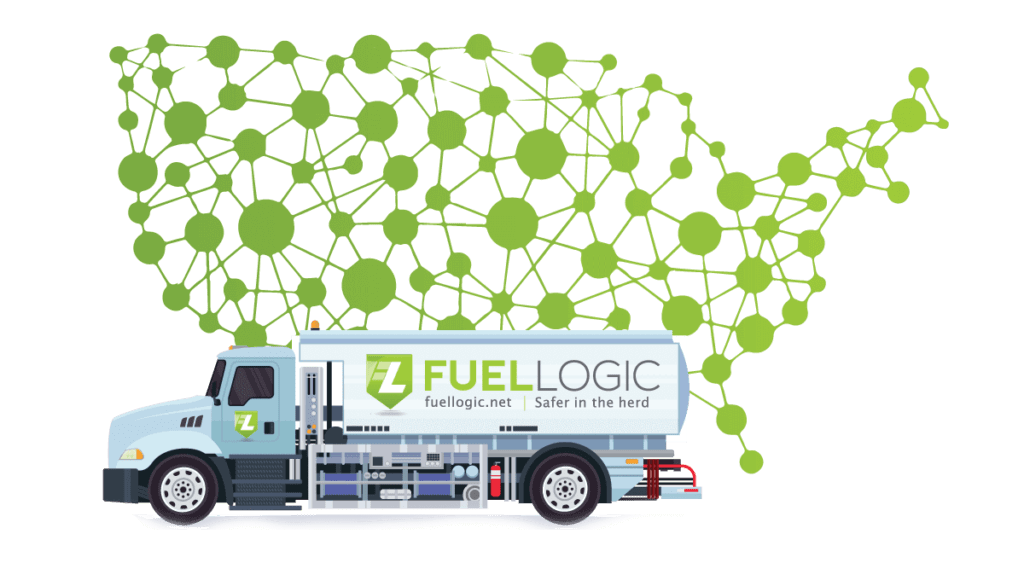
Nationwide Fleet Fueling
What Is Nationwide Fleet Fueling? Nationwide fleet fueling is a service that provides businesses with secure, tracked access to fuel across multiple U.S. locations. It combines on-site delivery, fuel cards, and partner station networks to reduce downtime, simplify fuel management, and ensure vehicles stay operational anywhere in the country. Nationwide Fleet Fueling Solutions for Commercial…
Need a Fuel Delivery Today?
Fuels Types & Diesel Additives
We Deliver Nationwide
- Diesel
- Gasoline
- Dyed Diesel
- DEF (Diesel Exhaust Fluid)
Schedule your fuel delivery today
Latests Articles
- Texas Suspends Some Dyed Diesel Road-Use Restrictions: What It Actually Means
- Common Fuel Management Mistakes That Drain Budgets
- What Every Fleet Manager Should Know About Fuel Contracts
- How to Choose Between Fuel Cards and Mobile Fueling
- The Real Cost of Running Out of Fuel for Fleets
- Fuel Tank Management: Best Practices for Fleet Owners
- What to Know Before Setting Up Your Own Fuel Storage System
- HVAC Fleets Lose Hours Weekly on Fuel Stops
Categories
- Bulk Fuel Articles (9)
- Business (4)
- Construction (6)
- Diesel (31)
- Diesel Exhaust Fluid (13)
- Diesel Gelling (6)
- Dyed Diesel (5)
- Emergency Fuel Delivery (13)
- Event Fueling (3)
- Fleet (37)
- Fleet card (4)
- Fuel Cost (10)
- Fuel delivery (30)
- Fuel Estimator (2)
- Fuel Management (24)
- Fuel Polishing (2)
- Fuel Safety (7)
- Fuel Tank (28)
- Fuel Types (8)
- Gasoline (13)
- Generator (18)
- Intangible Costs (3)
- Off-road diesel (9)
- Our Culture (2)
- Reefer Trailers (6)
- Stories From the Road (6)