

Fuel Logic Blog
A Resource For Business, Fuel Managers And Fleet Managers
-

Fuel Logic’s Stories from the Road: Tulsa Terror
Fuel Logic responded to Tulsa’s 2023 derecho by providing emergency fuel deliveries after a storm devastated the city and disrupted fuel terminals. They ensured essential services like hospitals, nursing homes, call centers, and casinos remained operational despite widespread power outages. Despite terminal shutdowns and road challenges, they implemented creative logistics, including delivering 700 gallons twice…
-

How Landscaping Fuel Services Save You Money in the Long Run!
Landscaping fuel services, as of December 10, 2025, can save money by optimizing routes, maintaining equipment, using fuel-efficient tools, consolidating tasks, and considering battery-powered alternatives, with on-site fuel delivery potentially saving up to 20% in labor costs annually. These services also offer efficient fuel management, eliminate fuel theft risks through secure storage and monitoring, and…
-

Déjà Vu: Does Florida Face Another Potential Fuel Crisis Amid Hurricane Idalia?
Fuel Logic keeps you moving by sourcing out-of-state fuel whenever needed. Benefit from 24/7 expert support and timely delivery updates that ensure your business never misses a beat. Emergency Contact: For immediate assistance, call us at 866-311-3571.Order Emergency Fuel: Contact us to place an order for emergency fuel delivery. Our fuel agents are available 24/7.…
-

Bracing for Hurricane Idalia: How to Secure Your Fuel Supply with Fuel Logic
Fuel Logic, led by CEO Eliot Vancil as of December 10, 2025, recommends securing your fuel supply before a hurricane by filling vehicle and generator tanks, and storing spare fuel in designed containers. They provide emergency fuel delivery and 24/7 off-road generator refueling services, advising businesses to prepare for severe weather, including using generators with…
-
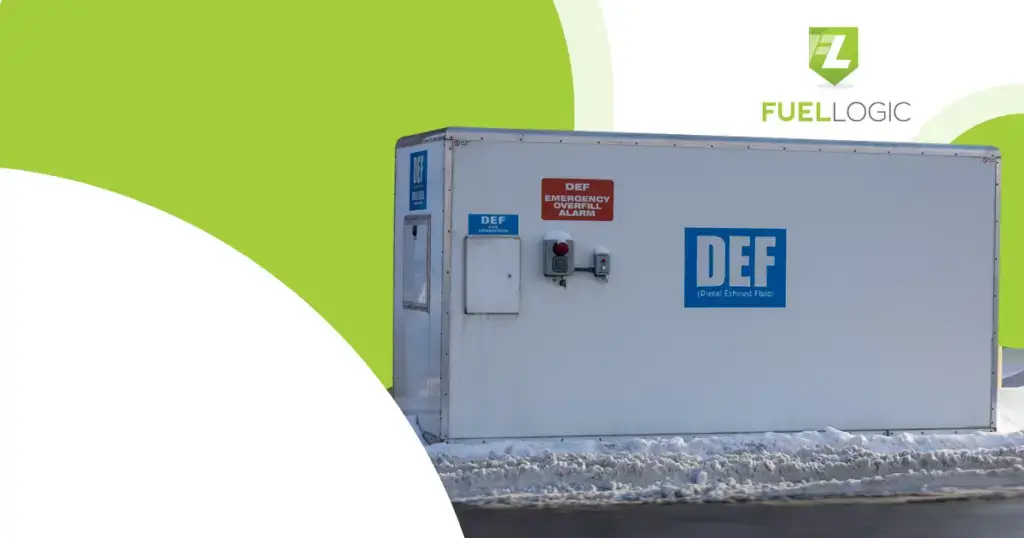
Things To Consider Before You Order Bulk DEF (Diesel Exhaust Fluid)
Bulk Diesel Exhaust Fluid (DEF) is a urea-based solution used to reduce emissions in diesel engines. Before ordering in bulk, evaluate your monthly DEF usage, storage capacity, and ensure your supplier meets API/ISO 22241 standards to prevent contamination and equipment damage. According to the American Petroleum Institute, Diesel Exhaust fluid is a mixture of high-purity…
-

How Often Should You Run A Commercial Generator?
Commercial generators should be run weekly or at least 30 minutes monthly, in accordance with manufacturer guidelines and load testing, with an exercise conducted under a 30-70% load of the generator’s rated capacity for at least 30 minutes every month. Regular operation prevents fuel degradation, mechanical issues, and ensures battery health. How Often Should You…
-

Emergency Diesel Delivery For Hospitals – How An Emergency Fuel Delivery Service Helps In A Pinch
Emergency diesel delivery services are critical for hospitals to maintain uninterrupted power for medical equipment during outages, natural disasters, or increased demand, as they ensure a reliable fuel supply for generators and save valuable time for patient care. Fuel Logic provides 24/7 nationwide emergency diesel delivery for hospitals, offering services like bulk fuel delivery and…
-

Why Working With A Bulk Diesel Fuel Supplier is a Smart Business Solution
Creating a fleet budget in 2024 involves setting annual goals, reviewing past expenses, forecasting future costs, and tracking results. Key practices for budget management include understanding fixed, variable, and unexpected fleet costs, continuously monitoring and tracking progress, and leveraging technology and AI-powered tools for data accuracy and efficiency. Running a successful business means keeping your…
-

Why Clear Diesel is More Expensive Than Dyed Diesel Fuel
Clear diesel costs more than dyed diesel because it includes federal and state highway taxes used to fund public roads and bridges. Dyed diesel, marked red for off-road use, is tax-exempt and intended for equipment like tractors or construction machinery, making it significantly cheaper per gallon. Why Clear Diesel is More Expensive Than Dyed Diesel…
-

All Signs Point to Mobile Fuel Delivery Being the Next Big On-Demand Service Breakthrough
Mobile fuel delivery is an emerging on-demand service offering convenience, time savings, and cost reductions for businesses by delivering fuel directly to vehicles and equipment, thus eliminating trips to gas stations and enhancing operational efficiency by minimizing downtime and reducing labor. The fuel tank market reached almost USD 19.55 billion in 2024. Since the pandemic,…
Need a Fuel Delivery Today?
Fuels Types & Diesel Additives
We Deliver Nationwide
- Diesel
- Gasoline
- Dyed Diesel
- DEF (Diesel Exhaust Fluid)
Schedule your fuel delivery today
Latests Articles
- Texas Suspends Some Dyed Diesel Road-Use Restrictions: What It Actually Means
- Common Fuel Management Mistakes That Drain Budgets
- What Every Fleet Manager Should Know About Fuel Contracts
- How to Choose Between Fuel Cards and Mobile Fueling
- The Real Cost of Running Out of Fuel for Fleets
- Fuel Tank Management: Best Practices for Fleet Owners
- What to Know Before Setting Up Your Own Fuel Storage System
- HVAC Fleets Lose Hours Weekly on Fuel Stops
Categories
- Bulk Fuel Articles (9)
- Business (4)
- Construction (6)
- Diesel (31)
- Diesel Exhaust Fluid (13)
- Diesel Gelling (6)
- Dyed Diesel (5)
- Emergency Fuel Delivery (13)
- Event Fueling (3)
- Fleet (37)
- Fleet card (4)
- Fuel Cost (10)
- Fuel delivery (30)
- Fuel Estimator (2)
- Fuel Management (24)
- Fuel Polishing (2)
- Fuel Safety (7)
- Fuel Tank (28)
- Fuel Types (8)
- Gasoline (13)
- Generator (18)
- Intangible Costs (3)
- Off-road diesel (9)
- Our Culture (2)
- Reefer Trailers (6)
- Stories From the Road (6)