

Fuel Logic Blog
A Resource For Business, Fuel Managers And Fleet Managers
-
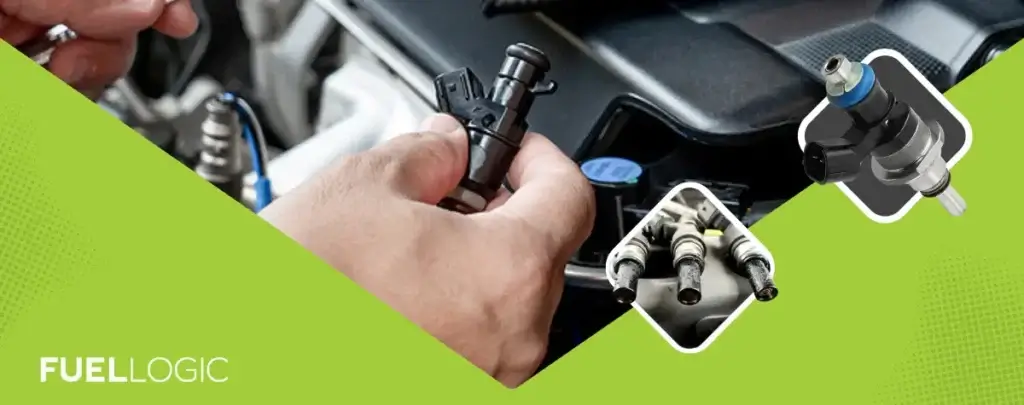
Fuel System Cleaning: What It Is, What It Costs & When You Need It
Fuel system cleaning is the process of removing carbon deposits, dirt, and contaminants from your fuel injectors, fuel lines, intake valves, and combustion chamber. Most vehicles need it every 30,000 to 60,000 miles, or sooner if you notice rough idling, hesitation during acceleration, or a drop in fuel efficiency. Professional service typically costs between $100…
-
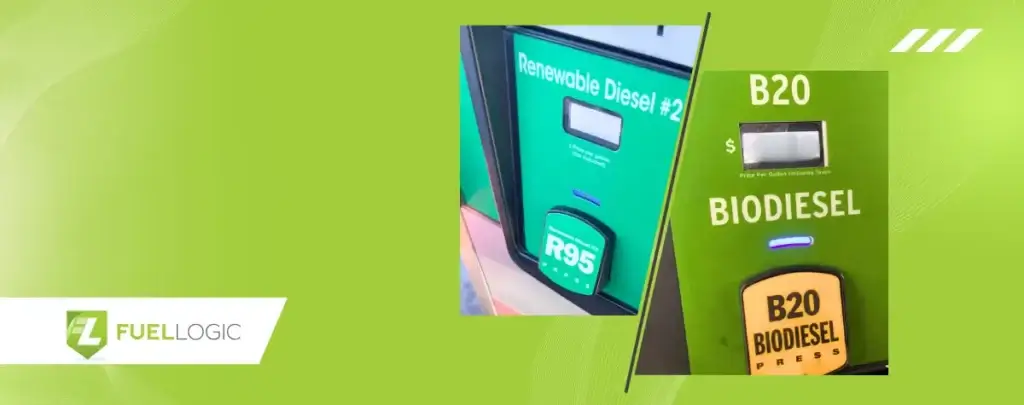
Renewable Diesel vs. Biodiesel: What’s the Difference?
Renewable diesel cuts hydrocarbon and nitrogen oxide emissions, while biodiesel reduces carbon monoxide and particulates. Renewable diesel is a drop-in fuel used in existing diesel engines without modifications, whereas biodiesel is a blend that may require infrastructure adjustments. Biodiesel is typically less expensive than renewable diesel. Several clean diesel fuels have emerged in the search…
-
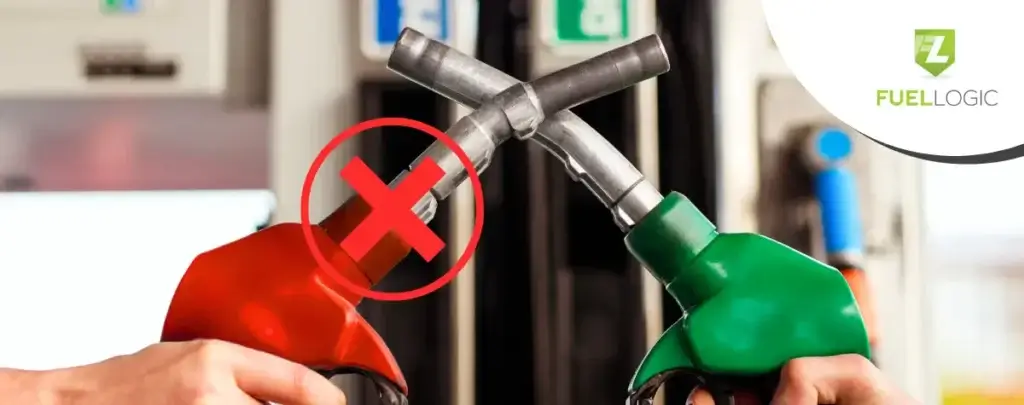
What Happens If You Put Gas in a Diesel Engine?
Putting gasoline in a diesel engine strips away the fuel’s lubricating properties, causing metal-on-metal contact in the fuel pump and injectors. If the engine is running, gasoline also ignites too early in the compression cycle (pre-detonation), which can crack pistons and damage cylinder heads. The severity depends on how much gas was added and whether…
-
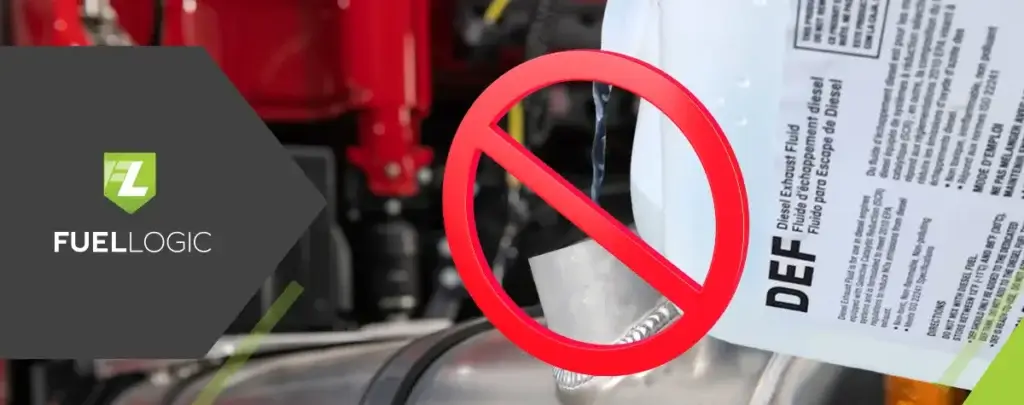
Accidentally Put DEF in My Diesel Tank: What Now?
Putting Diesel Exhaust Fluid (DEF) in a diesel tank contaminates the fuel immediately. The mixture causes corrosion, clogs injectors, and damages pumps, leading to costly repairs. If this happens, do not start the engine, have the tank drained and flushed by a professional mechanic. Diesel engines power construction, farming, and heavy transport, burning large amounts…
-

How to Build a Fleet Management Budget: Effective Strategies for Fleet Cost Planning
Creating a fleet budget in 2024 involves setting annual goals, reviewing past expenses, forecasting future costs, and tracking results. Key practices for budget management include understanding fixed, variable, and unexpected fleet costs, continuously monitoring and tracking progress, and leveraging technology and AI-powered tools for data accuracy and efficiency. How to Build a Fleet Management Budget:…
-

Fuel Logic’s Stories from the Road: Generating Super Bowl LVIII Buzz in Las Vegas
During Super Bowl LVIII in Las Vegas, Fuel Logic partnered with Saunders Electric to ensure uninterrupted power for Media Row at the Mandalay Bay Convention Center, providing mobile fuel delivery to sites like the MGM Grand and Resorts World for mega Super Bowl parties. Few will deny that 2024 brought with it one of the…
-

Water in Gas Tank Symptoms and Solutions Explained
Water in a gas tank causes rough idling, engine misfires, hard starts and stalling. Water contamination disrupts combustion because water is denser than gasoline and settles at the bottom of the tank where the fuel pickup draws from. Even small amounts of water in the fuel system can damage injectors, fuel pumps and fuel lines.…
-

Fuel Blending: Blended vs Unblended Fuels Explained
The main difference between blended and unblended fuels is that blended fuels mix different fuel types to improve emissions and cost efficiency, while unblended fuels offer higher octane and purity. Fuel blending also influences engine performance, environmental footprint, and overall cost-effectiveness. Fuel blending, the process of combining different fuels, impacts engine performance, environmental footprint, and…
-
What Is Quality Fuel and Why Is It Important?
Quality fuel adheres to strict standards, ensuring efficiency, low emissions, and engine longevity by being free of contaminants and having high energy content. It meets specific standards and specifications, has a high octane or cetane number, and is crucial for consistent machinery performance, minimizing downtime, and maximizing productivity. From gasoline to diesel, fuel quality plays a…
-

Diesel Fuel Quality Testing: How to Test Fuel Quality and Remove Fuel Contamination
Diesel fuel quality testing, crucial for protecting engines and ensuring efficient performance, involves measuring the cetane number, sulfur content, density, distillation, and contamination levels like water and sediment. These tests help maintain engine longevity, reduce emissions, and prevent equipment damage, with compliance to ASTM D975 standards ensuring reliability and safety. Diesel fuel is vital in…
Need a Fuel Delivery Today?
Fuels Types & Diesel Additives
We Deliver Nationwide
- Diesel
- Gasoline
- Dyed Diesel
- DEF (Diesel Exhaust Fluid)
Schedule your fuel delivery today
Latests Articles
- Texas Suspends Some Dyed Diesel Road-Use Restrictions: What It Actually Means
- Common Fuel Management Mistakes That Drain Budgets
- What Every Fleet Manager Should Know About Fuel Contracts
- How to Choose Between Fuel Cards and Mobile Fueling
- The Real Cost of Running Out of Fuel for Fleets
- Fuel Tank Management: Best Practices for Fleet Owners
- What to Know Before Setting Up Your Own Fuel Storage System
- HVAC Fleets Lose Hours Weekly on Fuel Stops
Categories
- Bulk Fuel Articles (9)
- Business (4)
- Construction (6)
- Diesel (31)
- Diesel Exhaust Fluid (13)
- Diesel Gelling (6)
- Dyed Diesel (5)
- Emergency Fuel Delivery (13)
- Event Fueling (3)
- Fleet (37)
- Fleet card (4)
- Fuel Cost (10)
- Fuel delivery (30)
- Fuel Estimator (2)
- Fuel Management (24)
- Fuel Polishing (2)
- Fuel Safety (7)
- Fuel Tank (28)
- Fuel Types (8)
- Gasoline (13)
- Generator (18)
- Intangible Costs (3)
- Off-road diesel (9)
- Our Culture (2)
- Reefer Trailers (6)
- Stories From the Road (6)