
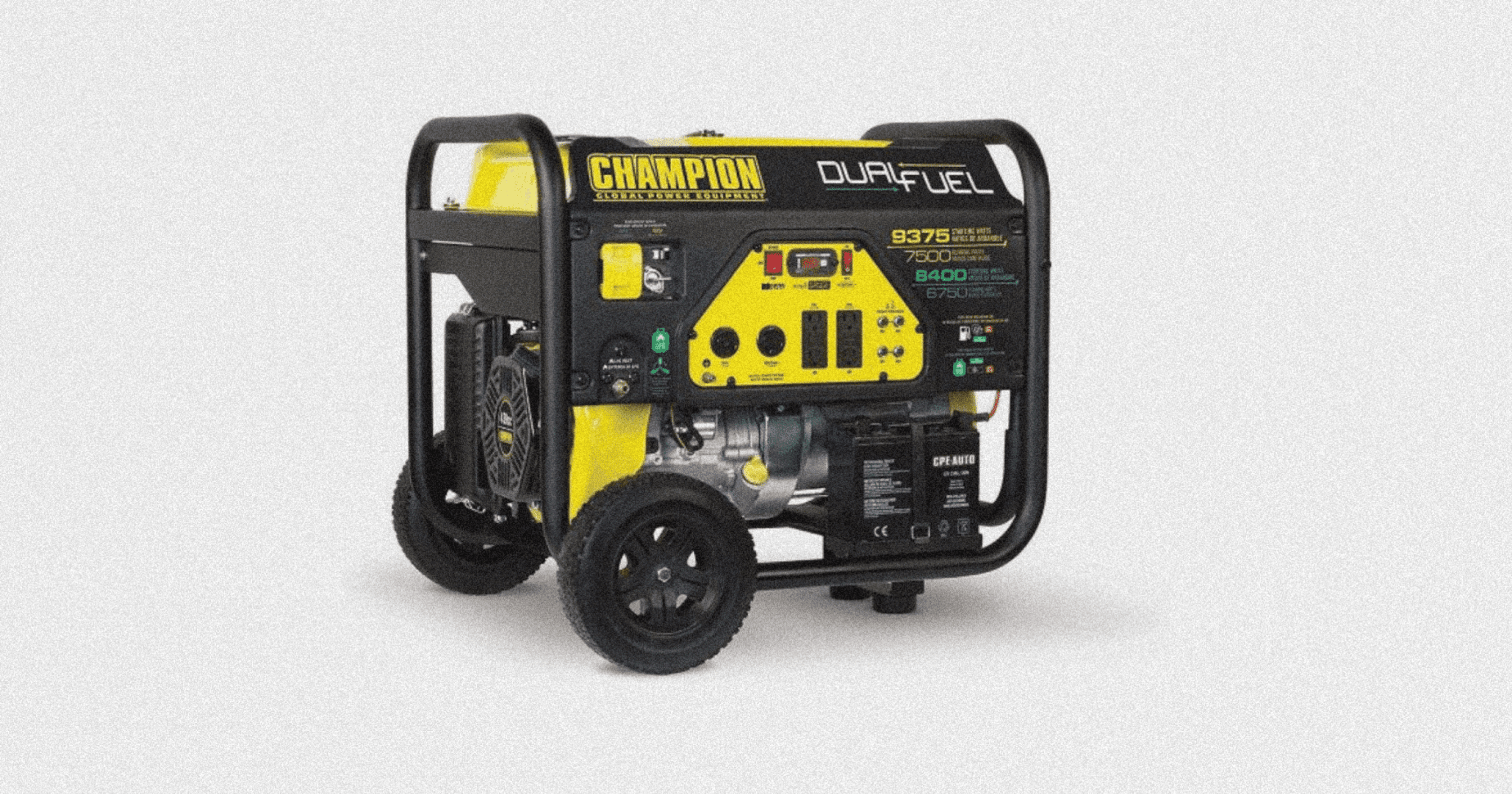
You need something you can depend on, when the power fails, you are working remotely, or you are living off the grid. Single-fuel generators are sometimes inadequate for these scenarios. Therefore, many consumers wish to switch to a multifuel generator. It is flexible, provides portable power, and is available when you require it.
Let’s find out how a multifuel model functions, its varieties, its usefulness, and for whom it’s ideal. We will also show you how to choose one, how to care for it, and whether purchasing one is worth it!

What Are Multifuel Generators?
Multifuel oil generators were originally used in the military, but today are used during camping trips, at home, and in businesses. Better still, they can operate using fuels that are of more than one type and may alternate between diesel, propane, natural gas, and more.
Unlike your ordinary generator, which uses nothing but diesel or gasoline. In the event of a fuel shortage or a price surge, you simply change over your fuel supply. They are also effective and maintenance-free. The newer models even regulate the amount of fuel consumed.
Need consistent fuel access for your generator?
You can avoid downtime by arranging on-demand refueling through Fuel Logic for diesel, gasoline, and DEF delivered directly to your location.
How Multifuel Generators Work?
A multifuel generator runs on different types of fuel, all with just one engine. It pulls this off due to intelligent mechanical systems and by making sure to deploy the right settings. Here’s how it operates:
- Fuel Selector: A switch indicates to the generator the kind of fuel you are using. Every fuel requires a distinct air-to-fuel ratio. Therefore, the system modifies itself. The Electronic Control Unit (ECU) controls this if the generator employs a fuel injection method. But if the generator runs with a carbureted system, it relies on a regulator or a vaporizer instead.
- Engine Design: These generators mostly employ spark-ignition engines, allowing them to operate on gasoline and other gaseous fuels. Diesel engines are different, though. You need a separate design for those. Some multifuel generators can also run on multiple kinds of fuel, though only one at a time, and change timing and compression based on the fuel type.
- Starting and Switching: Some models let you switch fuels while the generator’s functional, usually by following a set process. The more advanced ones do it for you. They can flip from propane to gasoline automatically when the tank is empty.
Why Multifuel Generators Are Gaining Popularity?
Multifuel generators are catching on fast, and it’s not hard to see why. Power can go out anytime—storms, blackouts, you name it—and these generators are ready for just about anything. Here’s why consumers want them:
- Fuel Flexibility: First off, you get real fuel flexibility. Should one fuel become depleted, just change over. Your refrigerator, lights, or other crucial appliances will still function even when the weather goes bad, or there is a gasoline scarcity.
- Economical Cost: Economically speaking, they are also quite reasonable. At the moment, you can choose whichever fuel is most inexpensive or easiest to find. Although natural gas often provides consistent, long-term savings, propane and gasoline are usually available most.
- Emergency Preparedness: With a multifuel generator, you’ve always got a backup plan due to multiple fuel options. That dependability is huge for families and businesses in places where power disappears for days.
- Green Solutions: As propane and natural gas burn more cleanly than gasoline or diesel, you have fewer emissions, less engine gunk, and a longer-lasting generator. Less maintenance also translates to fewer problems later on.

Types of Multifuel Generators
You’ll find three kinds of multifuel generators in the market. Here’s the explanation of each type:
- Dual-Fuel Generator (Gasoline + Propane): This one runs on either gasoline or propane, and one may turn a switch to choose the fuel. For houses, camping expeditions, or work sites, people often employ these.
- Tri-Fuel Generator (Gasoline, Propane, Natural Gas): Along with gasoline and propane, this kind includes natural gas. You may run this generator practically nonstop if you have a line of natural gas at home. Although it is simple to switch to propane or gasoline during a blackout.
- Diesel Multifuel Generator (Biofuel-Compatible): It’s built for heavy-duty use. Although diesel fuels it, you may also use kerosene, biodiesel, or perhaps aviation fuel. These don’t usually operate with propane or natural gas unless you modify them. But they’re tough and trusted on farms or in industrial settings.
Managing multiple generator units or fleet-based backup systems?
Streamline refueling and avoid operational delays with scheduled fuel service from Fuel Logic.
Advantages of Multifuel Generators
The most advantageous aspect of the multifuel generators is that they enable greater dynamism and dependability in fuel consumption. But that’s not all. The benefits of multifuel generator use are countless, and they are as follows:
Fuel Flexibility & Availability
A multifuel generator would allow one to switch between available fuels in case one is in short supply or is costly. The lifetime of gasoline is 1 year, and propane has no limit. Therefore, dual-fuel standby generators become dependable with reference to both backup generation and seasonal generation.
Extended Runtime & Reliability
In case of long blackouts, the multifuel generators can alternate fuels, even automatically. Therefore, one tank’s emptiness causes them to merely change to another and go on with their operation. In such a scenario, propane may serve as an emergency source of power since it has limitless storage.
Cleaner Emissions & Easier Storage
Multifuel generators are powered with either propane or natural gas. Therefore, they burn cleaner, consume less fuel, and produce minimal noise. Also, they do not spurt out as many emissions, and the engines do not accumulate as much gunk. Propane here is a plus point. It is safer to keep it for a long period, as it’s not highly dangerous.

Who Should Choose Them?
Multifuel generators are not the ideal solution for all. But they are helpful in cases of swapping supply, expenses, or storage requirements, as they can utilize multiple fuels. The following is a glimpse of who they’re ideal for:
- Rural or Disaster-Prone Homeowners: These generators keep crucial operations like water, heat, and phones functional, because you can swap fuels if one runs out during bad weather.
- Off-Grid Workers and Remote Cabins: When your cabin is miles from the nearest gas station or your job site is off-grid, it helps to have options. These multifuel generators power tools and appliances, even if you’re low on certain fuels.
- RV Owners and Campers: If you already possess propane tanks, there’s no need to lug around gasoline. Lots of campgrounds and RVs allow propane anyway, and it’s just quieter and cleaner.
- Preparedness Planners and Preppers: With multifuel generators, you have multiple options like propane, gasoline, and natural gas for emergencies. Whichever you have, this means you have backup power ready to go when required.
How to Select the Right Model?
There is no need to purchase a multifuel generator before getting to the fundamentals. Once you know this, it’s easier to choose the right model: What are you going to use it for? Where and when will you put it to use? Some of the elements to consider to have a trustworthy, effective, and simple-to-maintain generator include:
Power Requirement Assessment
Write down all the appliances you would like to operate and record the running and surge wattage of each. Add it all up. This is the minimum possible that your generator can sustain. But don’t stop there. Select a generator that provides approximately 20-25% overcapacity of your total. It is a good step and will keep you from surprises in the future.
Fuel Infrastructure
Pick a multifuel generator for the fuels available to you. Gasoline is popular but has a shorter shelf life. Propane, however, is cleaner with a long shelf life. Natural gas is also good, provided that you are connected to a gas line, and diesel is powerful but can solidify during colder seasons. The dual-fuel and the tri-fuel models are the best options, and the advantage of the latter is the increased run time and the ease of switching the fuel.
Portability & Design
Multifuel generators with inverters are silent and effective and will not harm electronics. However, they are pricier. An open-frame model is cheaper with more power. But it’s noisier and more difficult to transport. In addition, standby generators do not move once installed. While wheels, handles, or a smaller body would be sought after in a portable application. Test the noise rating also. Numerous propane inverters operate at a range of 50–60 dB, and that is excellent in the house or during camping.
Maintenance & Cost
Diesel is the most inexpensive, propane and natural gas are moderately priced, and gasoline charges are subject to change. In addition to that, gasoline engines require increased maintenance, but propane and natural gas engines do not. Also, factor in added extras, such as fuel stabilizers or transfer switches. Pay attention to the overall long-term price, not only to the cost of purchase.

Maintenance Tips for Multifuel Generators
Maintenance guarantees that your multifuel generator is dependable and available when you require it the most. So, adhere to the easy care measures such as:
- Fuel Storage & Handling: It is critical to switch off the generator before swapping fuels. Then, follow the manual to eradicate cross-contamination. Employ a stabilizer for gasoline older than 30 days and run the engine a little until the gas circulates. Propane can be indefinitely stored without a stabilizer. However, biocides and winter care may be required to avoid gelling of diesel.
- Exercise Run: Run the generator with a load of at least 50% for 30-60 minutes every month. This avoids the accumulation of moisture, circulates oil, shields parts, and prevents gasoline jets from clogging.
- Regular Inspection: Examine oil before every use and change per schedule. Also, replace air and fuel filters as needed. Inspect propane and natural gas hoses annually for leaks or damage and clean regulator vents. Keep electric-start batteries charged and terminals clean as well.
- Seasonal & Long-Term Storage: For storage over six months, drain or empty gasoline from the tank, carburetor, and lines. Also, disconnect the spark plug, and store the generator in a dry, ventilated area with a breathable cover.
Are Multifuel Generators Worth It?
The multifuel generator is the best choice in case you require long-term flexibility and dependable backup, as opposed to a low-cost purchase. They are great regarding emergencies, and you can change fuels and reduce the operational expenses.
Besides, they are ideal in disaster-prone or remote regions, RVs, or dwellings with natural gas. The disadvantages are, however, an increased initial price and additional maintenance, as well as a minor decrease in power (10-20% less) on propane or natural gas. Propane and natural gas are cleaner, though, burn quieter, and wear out engines less.

⚡ Key Takeaways
- Multifuel generators provide reliable backup power by running on multiple fuel sources such as gasoline, propane, and natural gas, making them useful during outages and fuel shortages.
- Fuel flexibility helps reduce downtime and operating costs since users can switch to the most available or affordable fuel option when needed.
- Propane and natural gas burn cleaner than gasoline or diesel, which can reduce engine wear, lower emissions, and minimize maintenance requirements over time.
- Dual-fuel and tri-fuel generators are ideal for homeowners, RV owners, remote job sites, and emergency preparedness because they offer extended runtime and dependable power in different situations.
- Choosing the right multifuel generator depends on power needs, fuel availability, portability, runtime expectations, and long-term maintenance costs.
Choosing a multifuel generator depends on how much power you need and the fuel you can manage. Contact Fuel Logic for dependable generator refueling service.
We provide mobile fueling across the U.S., delivering diesel, gas, and DEF straight to your generators and fleets to save you time and effort.
Order fuel delivery from Fuel Logic or schedule a refill for your generator or fleet.
Frequently Askes Questions
What is the disadvantage of dual-fuel generators?
Dual-fuel generators have reduced power on propane or natural gas (10–20% less than gasoline) and high up-front expenses. Often with a big size and great weight, they also need more maintenance for several fuel systems.
How long will 2 gallons of gas last in a generator?
Depending on its fuel efficiency and size, a multifuel generator’s usual runtime at half load is between 6 and 12 hours. For instance, while a 2,000-watt inverter might run for an average of 12 hours, a 7,000-watt unit might not last more than three to four hours on 2 gallons.
Need help planning generator fuel logistics for your business?
Connect with Fuel Logic for scheduled fueling solutions that match your usage and runtime needs.




