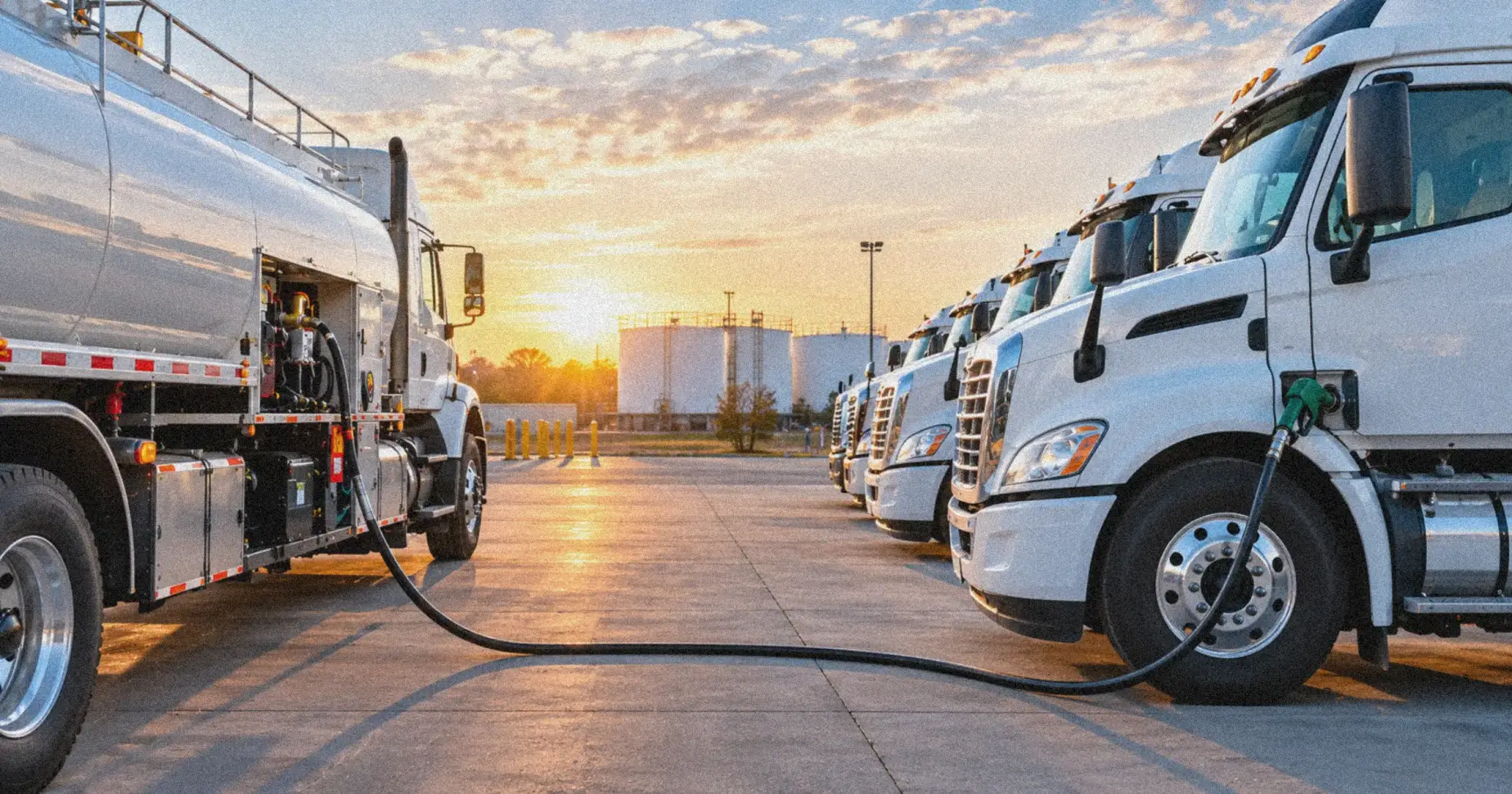

It is inconvenient to refuel the old way. Trucks have to leave their routes, drivers get stuck in lines, and a lot of time is wasted while engines idle. But things are changing. Now, fuel can come right to the trucks while drivers take a break or manage loading. Due to fuel delivery apps and mobile fuel delivery, fleets don’t need to make detours anymore.
The shift to on-demand fuel delivery is catching on fast. Fleet managers like it because it’s simple, saves money, is easier to track in real time, and is better for the environment. In this article, we’ll discuss why fuel delivery apps are getting popular, what kind of benefits they bring, and what really matters when picking the best one for the job.
Traditional Fuel Challenges
There are many issues with the traditional fleet fueling method.
Here we’ve mentioned how each problem affects operations:
- Time Drains:
Suppose that every truck spends around 20 minutes daily at the refueling depot. This way, a 50-truck fleet will be losing about 16 hours of manpower in a regular working day. This is thousands of hours annually. The lost time would translate to fewer deliveries, service calls, and increased labor costs on activities that do not bring revenue.
- Hidden and Volatile Costs:
Fuel costs aren’t just about the pump price. Detours to stations add extra driving time, engine wear, and higher accident risk. Besides that, variable petrol prices can cause enormous surprises. A 100-gallon fill at a difference of $1 per gallon will be an additional $100 per truck. Lack of a prudent purchasing plan makes fleets spend more each passing day.
- Theft and Fraud Risk:
Fuel theft isn’t just stealing from the tank. It includes shortfalls between pump and tank readings, unauthorized drivers using fuel cards, personal vehicle fill-ups, or even drivers splitting transactions for cash. These risks quietly eat into a fleet’s fuel budget.
- Manual Billing and Reconciliation:
Manual billing adds another layer of headache. It slows month-end closing, increases processing costs, makes real-time spending harder to track, and increases the risk of errors such as lost receipts or mistyped data. Auditing and assigning fuel costs to specific jobs or departments also becomes tedious and time-consuming.
Exploring modern fleet truck fueling solutions can help address these operational pain points.
Ready to Remove Fueling Delays From Your Fleet?
Fuel Logic provides scheduled mobile fueling designed to keep your vehicles where they should be—on the road, not in line.
What Are Fuel Delivery Apps?
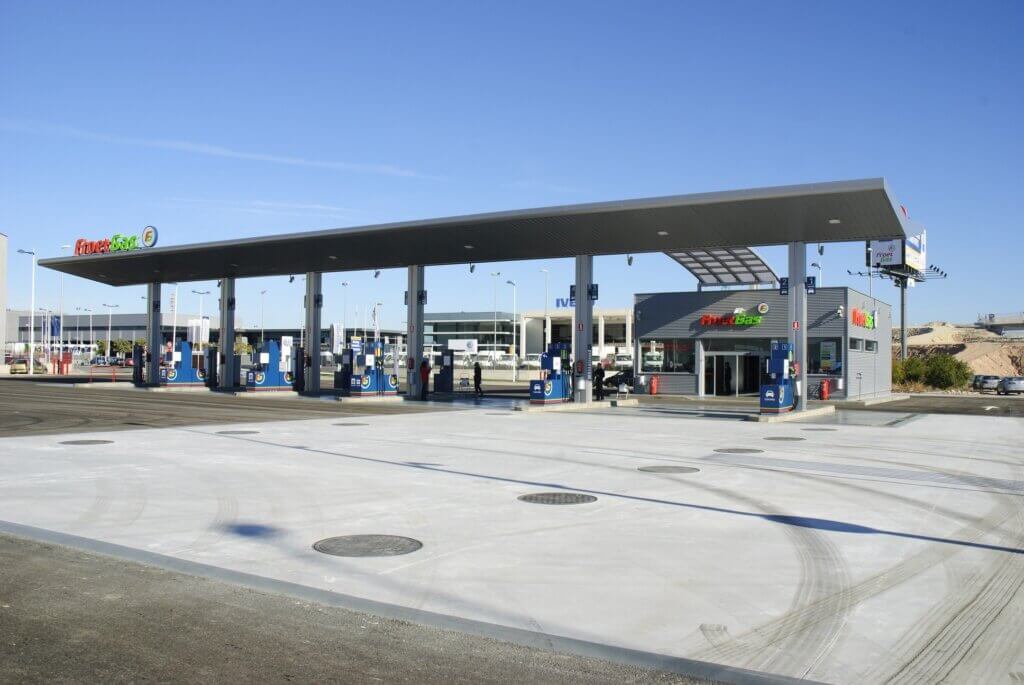
Fuel delivery applications help deliver fuel to your parked vehicles, saving time for fleets. They eradicate the inconvenience of waiting in long queues at the gas stations, fuel theft, unexpected prices, and paperwork. You have instead scheduling, delivery, verification, and billing all in one application.
The app lets fleet managers or drivers schedule when and where vehicles need fuel. GPS technology in the app then helps the fuel delivery trucks find those vehicles quickly and efficiently, so they don’t waste time driving around or sitting idle. Each fueling is digitally verified, often with QR codes, and billing is automated, making tracking and managing costs much easier.
Why Fleets Are Embracing These Apps?
Fleets are adopting fuel delivery apps in great numbers. This is because they can manage the inefficiencies of traditional refueling, improving time management, cost control, fraud prevention, and administrative work. Here’s a closer look at each advantage of a fuel delivery app:
Minimal Downtime
One of the biggest advantages is the time saved. Fuel delivery apps can give fleets back around 61 hours per vehicle each year. This is because drivers do not spend time being diverted by the diversions and queues in the gas stations.
Refueling can be overnight or when off-duty, and the trucks will be ready to go out every morning.
Fuel Tracking & Transparency
This gives fleets clear, data-driven control over fuel use. Every delivery is logged digitally with GPS, timestamps, vehicle ID, driver verification, and exact gallons, creating a complete, searchable record.
This replaces lost receipts and errors from paper logs or fuel cards. Reporting for taxes, IFTA audits, and internal checks also becomes simple, and possible misuse is flagged automatically.
Cost Control
This extends beyond the price per gallon to the overall cost of fueling, labor, and vehicle wear. Single contract and bulk rates can be secured for fleets, thus avoiding day-to-day fluctuations in pump prices and enabling accurate budgeting.
In addition, drivers save time, and vehicles avoid extra miles, reducing accident risk. Scheduled bulk deliveries are also more efficient, often resulting in lower fuel costs compared to multiple retail stops.
Theft Prevention
Before filling up the vehicles, drivers identify themselves and scan the vehicles so no fuel is given to unauthorized trucks.
No physical card can be lost or abused, and all the activities are digitally linked to a particular driver, vehicle, and time. When delivery is done on-site and the permanent digital logs are created, the activity can be easily identified as suspicious and investigated.
Environmental Gain
By cutting unnecessary trips to gas stations, fleets save millions of miles and reduce CO₂ emissions, around 587 lbs per vehicle each year.
Centralized delivery replaces multiple inefficient vehicle trips, and less idling at pumps further cuts emissions. Renewable diesel, or biodiesel, is also available from some providers and helps fleets reduce their carbon footprint without altering automobiles.
Integration Perks
Fuel data helps simplify expense monitoring and allocation, automatically flowing into accounting when linked with fleet management or telematics systems. Combining this data and such vehicle indicators as MPG and idle time can help determine inefficiencies, maintainability, and optimal routes. Fuel tax and compliance reports can also be auto-generated by integrated systems and save time as well as reduce administrative errors.

Key Features to Look For in a Fuel App
When choosing a fuel delivery app, factor in the characteristics that will make a simple fuel delivery service a complete fleet management tool. The app should address the issues of time-saving, cost management, maintenance oversight, and compliance. Here’s how:
- AI/GPS Scheduling & Routing:
It should optimize fuel truck routes and supply schedules with AI-based delivery and real-time GPS. Also, it must focus on low-consumption vehicles and schedule refueling to coincide with the downtime of the fleet. This can minimize the disturbance to the driver and avoid detours to the station.
- Real-Time Fleet Tracking:
It should display the real-time status of the fueling actions, such as what is being refueled, is in a queue, or is completed. This can provide managers with real-time visibility and minimize guesswork and phone calls.
- Usage Analytics & Reports:
It should transform fuel data into clear, customizable reports. In addition, the app must be able to track consumption by vehicle, driver, or department. It should monitor MPG trends, flag anomalies, and support cost control, theft prevention, and fleet planning.
- Payment & Billing Integration:
The app must automate payment invoices, consolidate payments, identify delivery tickets, and assign costs to a particular project or department. It should connect with accounting programs to remove the process of manually entering and accelerate the reconciliation.
- Compliance Support:
It should be able to prepare IFTA fuel tax filing, implement safety documentation, and verify fueling compliance. It must provide ready-to-access documentation for audits, which lowers the administrative expenses.
- Optional Add-Ons (DEF, Oil Changes, EV Fueling):
The app should provide on-site services like DEF delivery, oil changes, tire rotations, and EV charging management, transforming downtime into useful maintenance and bolstering fleet electrification.
How to Choose the Right App?
Choosing an appropriate fuel delivery app implies selecting a provider that fits perfectly into your operations and addresses your most significant issues. These are the things to consider in the search:
- Coverage:
Increased coverage means that the provider must be dependable in terms of including all the locations where your fleet operates, like the main depots, secondary yards, and long-term job sites. Don’t rely on general claims. Also, share exact addresses and ask for confirmation. The question to ask is, “Can you assure scheduled service at these locations?”
- System Compatibility:
In order to avoid manual work, find integrations with telematics, ERP, and accounting systems. Telematics synchronization enables automatic collection of location and mileage as well as usage information (e.g., Samsara, Geotab, Verizon Connect). While ERP/accounting connections (QuickBooks, SAP, Oracle) also make it easy to pay and distribute costs. Some applications may even import legacy fuel card information for flawless transitions.
- Security & Safety:
Select a provider with good authentication (driver PINs, QR scans, VIN checks) to avoid misfueling and theft. Also, look for safety features like double-walled tanks, a trained fueling crew, and spill-prevention systems. In addition, confirm the provider supports compliance with environmental rules and provides IFTA-ready digital records.
Understand how you’re being charged, like per-gallon markup, monthly subscription, or a mix. Ask about extra fees like emergency delivery charges, minimum delivery fees, and how they define their “wholesale price.” Ask a question such as, “Can you give me a complete cost breakdown for a typical month, including all possible fees?”
Is a Fuel Delivery App Right for Your Fleet?
Choosing the right fuel delivery app is really about whether the service fits how your fleet operates. The benefits are clear. Less time wasted on fueling, better tracking, stronger cost control, and no fuel card problems. But there are also hurdles like needing system integration, signing service contracts, and making sure the provider includes all your locations.
To decide, look at your fleet’s size and fueling habits. These apps function best for fleets of about 10 or more vehicles that return to predictable locations, where saved driver time and bulk fueling make a big impact. You’ll also need a safe, accessible spot for overnight or scheduled fueling.
If vehicles park on the street or in tight public areas, service may be harder. Finally, consider your tech setup. Fleets already using telematics and modern accounting tools get the most value because the app can integrate and automate everything. While fleets still using paper and spreadsheets can still benefit, the transition may take more effort up front.
Implementation Steps
Your implementation plan is a wise, low-risk way to test fuel delivery apps before a full rollout. Start with a small pilot of 5–10 similar vehicles at one depot to compare results clearly. Track important metrics like fuel costs, delivery times, and driver adoption against a control group.
Furthermore, train the drivers on basics, like verifying vehicles, fueling steps, and confirming deliveries, using simple guides. Over 30–60 days, monitor performance and hold brief weekly check-ins to gather feedback.
If the pilot shows cost savings, fewer detours, happy drivers, and less admin work, expand gradually. First to similar vehicles at the depot, then to other locations, and finally to vehicles with special needs, refining the process along the way.
⚡ Key Takeaways
- Fuel delivery apps streamline fleet fueling by eliminating station visits, reducing driver detours, idle time, and administrative workload often saving 60+ hours per vehicle annually.
- They improve operational efficiency through scheduled on-site fueling, allowing vehicles to be refueled during downtime while maintaining predictable fleet readiness.
- Built-in digital tracking and automation enhance cost control and transparency by centralizing billing, flagging anomalies, and reducing risks from fuel theft and manual reconciliation errors.
- These systems also deliver measurable sustainability gains by cutting unnecessary mileage and idling, reducing CO₂ emissions by approximately 587 lbs per vehicle each year.
Frequently Asked Questions
What’s the difference between fuel app vs. fuel card?
A fuel card is mainly a payment tool. It helps drivers buy fuel at public stations and gives you centralized billing and spending controls. Whereas a fuel delivery app is a full fueling service that brings fuel directly to your vehicles, removing the need for station trips and managing all refueling logistics for you.
Can fuel delivery apps work for large fleets?
Yes. Fuel delivery apps operate very well for big fleets, especially those that return to a central yard, since the time savings and bulk fueling benefits scale quickly. Just make sure the provider can dependably include every area where your fleet operates.
Ready to Eliminate Fueling Inefficiencies?
Talk to a Fuel Logic strategist to explore mobile fueling options, on-site diesel delivery, DEF services, and fleet optimization strategies tailored to your operations.
Talk to a Fuel Logic Strategist To Pick Between Mobile Fueling and Fuel Delivery App
Fuel Logic can help you with mobile gas delivery directly to your fleet anywhere in the U.S., eradicating fuel station trips and cutting downtime.
We provide on-site and emergency diesel, DEF, and gasoline services even in distant areas.
Our fleet fueling service is just as easy and affordable, with real-time monitoring and reporting, and no contracts.
However, do you want to check whether mobile fueling or a fuel-delivery app would suit you?
Talk to a Fuel Logic strategist.