
Suppose your delivery vehicle gets stuck in severe traffic and your customer has to wait for hours. It will break trust and reduce reliability. Appropriate fleet management is the only remedy to get rid of these problems.
Fleet management enables fleet operators or owners to manage their shipments and keep their vehicles in good condition. It integrates GPS and telematics technology to track vehicles. Fleet managers use these features to optimize routes, monitor driver behaviour, and evaluate travel times. The advanced technology sends alert messages to the managers in case of any fleet maintenance requirement.
In this blog, we will define fleet management and explain its main components. We will also show how managing vehicles, drivers, and routes improves safety and productivity for businesses. Let’s dig into it in detail.
What Is Fleet Management?
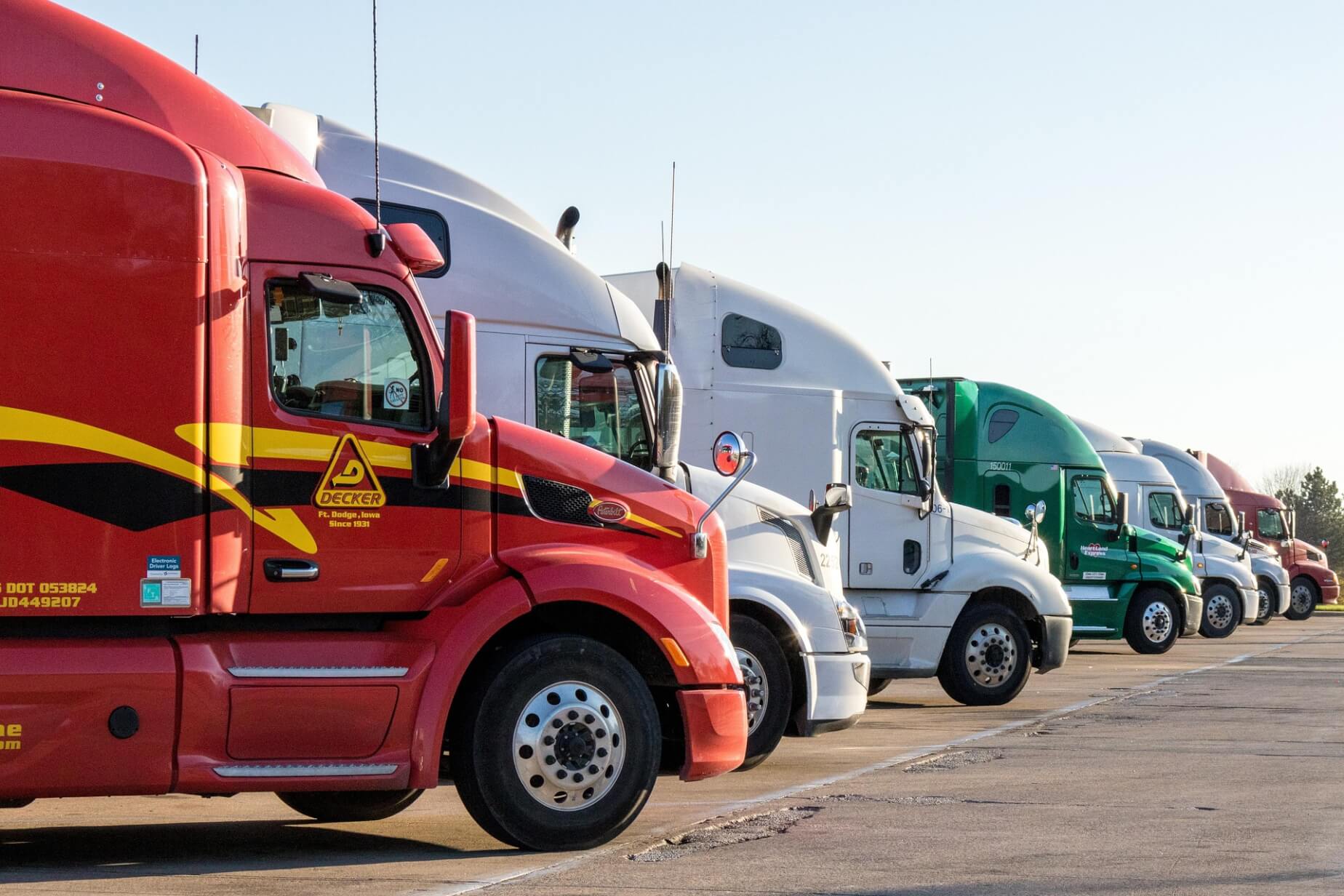
Fleet management is the process of managing a company’s vehicles, including cars, vans, trucks, ships, aircraft, and rail cars. It tracks vehicles, schedules maintenance, and monitors driver performance. It also manages fuel and oversees all parts of the company’s assets. Furthermore, GPS tracking, fleet dash cam and telematics have also simplified fleet activities and improved productivity.
The global fleet management market was approximately $23.4 billion in 2024. It may increase at a CAGR of over 16% from 2025 to 2034. This is due to the rising demand from e-commerce businesses.
What Are The Components of Fleet Management?
You must understand the components of fleet management to keep your vehicle operations organized and consistent. These are a few main components of fleet management:
● Vehicle Tracking
It includes using GPS and telematics to record each vehicle’s location and movement. Managers monitor vehicle positions and plan delivery routes accordingly to reduce idle time.
● Maintenance and Safety Protocols
It is another component of fleet management where you can schedule maintenance of your vehicles to prevent breakdowns. Fleet management helps the company comply with legal standards and safety protocols.
● Driver Management
Driver management covers performance metrics, such as speed, route adherence, and delivery times, to track driver performance. It includes monitoring fatigue and driving behavior to prevent accidental risks on the road. It also involves training programs that teach safe driving and proper vehicle handling.
● Fuel Management
Fuel management includes tracking fuel consumption and scheduling refills. It also includes using fuel cards and tracking software that record the fuel usage of each vehicle.
● Compliance & Reporting
It means your fleet must comply with FMCSA guidelines, ELD mandates, and emission standards. This is mandatory to avoid penalties.
Benefits of an Effective Fleet Management System
The following are some common benefits of an efficient fleet management system.
1. Operational Efficiency & Cost Savings
You can optimize delivery routes and reduce fuel consumption by 10–15%. Above all, fleet management also helps you prevent expensive breakdowns. This way, the insurance and other operating expenses are reduced.
2. Enhanced Safety and Regulatory Compliance
Monitor driver behavior and alert your drivers about risky actions through proper fleet management. It allows you to reduce accident rates by up to 30%.
3. Sustainability & Reduced Environmental Impact
You can optimize your transportation routes with the help of mobile fleet management and save fuel. You can also insist your drivers to drive safely which can help decrease fuel consumption and lower vehicle emissions.
4. Improved Efficiency
Fleet companies use management software to select the safest routes. This reduces idle time because your drivers will not have to wait for hours stuck in traffic, reducing idle time.
5. Improved Customer Service and Delivery Performance
You can deliver your customer orders on time by effectively managing your fleet operations. This helps make your customers satisfied with your service.
What are the Challenges in Fleet Management?
The following are the major fleet management challenges along with the solutions to address them:
| Challenges | Effective Strategies |
|---|---|
| Transportation and safety rules keep changing. | Track vehicles and delivery pathways using fleet management software and strictly follow safety standards. |
| The operating expense of fleet companies increases due to higher fuel prices. | Contact trusted suppliers to buy wholesale fuel at discounted rates. |
| Shortage of skilled drivers cause scheduling problems and delays. | Offer competitive pay and performance-based allowances to attract the experienced drivers. |
| Integration of new technologies into existing systems is not easy due to compatibility issues. | Expert tech providers can help overcome this problem. |
Fleet Management Technologies
The following tools and features are included in the advanced fleet management systems:
● Integration of IoT and Big Data
IoT devices in vehicles collect data on speed, fuel, and engine health. Managers use this data to spot issues early and improve performance. AI analyzes the information to predict maintenance and recommend efficient routes.
● AI and Predictive Maintenance
Artificial intelligence forecasts automotive fleet maintenance needs beforehand. It analyzes data and informs the operator about oil changes, tire conditions, and engine issues.
● Cloud-Based Management Platforms
Cloud platforms enable fleet managers to control operations from any place. They can easily access vehicle reports, driver updates, and route details online.
● GPS Tracking & Telematics
Managers can check vehicle location and analyse performance data using GPS and predictive analytics. They use this information to monitor fleets and respond quickly to different mechanical or technical issues.
● Reporting Tools
Reporting tools track fuel usage, driver performance, and compliance. You can identify fuel waste and also ensure compliance with safety rules.
● Electric Vehicles (EVs)
Managers can use the advanced fleet management system to check battery levels and schedule charging. This can be useful to increase the range of electric vehicles.
● Autonomous Vehicles
Fleet management software can also monitor self-driving vehicles. It can help manage their routes, schedule tasks, and track performance to make sure these autonomous vehicles operate efficiently.
Best Practices for Modern Fleets
Managers should educate their drivers about all safety standards to avoid paying hefty sums in fines. They must also communicate with their drivers or team members and get updates on fleet performance regularly.
Furthermore, fleet managers can use GPS-integrated software to check delivery sites and truck location. They can announce performance-based rewards for drivers and other crew to increase efficiency.
What Makes a Fleet Management System DOT-Compliant?
These factors can help make your fleet management system DOT-compliant:
● ELD Integration
FMCSA requires drivers to record their Hours of Service using an Electronic Logging Device. It removes manual logbooks and reduces errors in tracking driving hours. ELDs record driving hours accurately and make sure drivers follow legal rules.
● Vehicle Inspections
You must inspect vehicles regularly to meet DOT requirements. Drivers use digital checklists to record and report issues before leaving the site. This provides accurate records for audits and also prevents mechanical failures during transportation.
● Audit Trails
Audit trails mean maintaining logs of every action within the fleet management system. It includes keeping records of inspections, driver logs, and maintenance updates.
How to Choose the Right Fleet Management Solution
Consider the following factors to select the best fleet management solution for your business:
1) Scalability
A scalable fleet management system offers flexibility, so you can add more vehicles, drivers, and routes without changing the entire setup. Such capability saves effort and makes sure your work does not slow down as the fleet increases.
2) Integration
Integrating fleet management with ERP or CRM tools centralizes all business data. It links with platforms like SAP, Oracle, or Salesforce for easy sharing between departments. This helps track orders and update customers from a single platform.
3) User-Friendly Interface
The interface of the fleet management system should be easy-to-use so the drivers and managers can operate it easily. Your team only requires minimal training to manage vehicles, routes, and data without confusion.
4) Cost
Fleet management systems may have setup costs, but they save money by reducing fuel consumption, decreasing repair costs, and optimizing routes.
⚡ Key Takeaways
- Effective fleet management uses GPS and telematics to optimize routes, monitor driver behavior, and maintain vehicles, boosting safety and operational efficiency.
- Compliance with FMCSA regulations and regular vehicle inspections are essential to avoid penalties and ensure legal fleet operations.
- Advanced technologies like AI, IoT, and cloud platforms enable predictive maintenance, real-time tracking, and streamlined fleet management.
- Proper fleet management reduces costs, enhances delivery performance, lowers environmental impact, and improves customer satisfaction.
FAQs
What does a fleet manager do?
A fleet manager oversees all vehicles in a company’s fleet not just tracking the prices of diesel being expensive than gas. They organize routes, arrange maintenance, and track driver performance. They also track fuel use, manage costs, and ensure the safety of vehicles.
Is fleet management hard?
Fleet management can be challenging because it includes compliance, cost control, and vehicle maintenance. However, modern software and expert partners make these operations easier. Tools, including AI-driven analytics and integrated platforms, help managers track performance, optimize routes, and manage fleets effectively.
What is the difference between fleet management and logistics?
Fleet management manages vehicle operations. It includes maintenance, tracking, and safety of the fleet. Alternatively, logistics handles the complete supply chain. It involves managing inventory, warehousing, and optimization of delivery routes.
How does GPS tracking improve fleet operations?
GPS tracking improves fleet operations by tracking the location of each vehicle. It limits unauthorized use, selects the fastest routes, and tracks driver performance. This makes deliveries faster, safer, and consistent.
What are FMCSA compliance requirements?
FMCSA compliance requires fleets to follow rules that keep drivers and vehicles safe. This includes using ELDs to log driving hours, performing regular vehicle inspections, and enforcing hours-of-service limits to prevent driver overwork. Drivers who ignore these rules may face fines.
Never Run on Empty. Schedule Your Fuel Delivery Today.
Keep your fleet moving with reliable, on-site fueling 24/7.
Arrange On-site Fuel Services for Businesses with Fuel Logic
Need help keeping your fleet on track? Fuel Logic offers reliable fuel delivery services at your business address. We provide on-site deliveries of high-quality gasoline, diesel, and DEF at your request. We also offer effective fuel management solutions for businesses.
Contact us now to place your order or visit our FAQ page to get answers to your common queries. We provide fast, dependable service and nationwide coverage to deliver fuel to your fleet on time.