


According to some analysis, it will see a compound annual growth rate of more than 16% from 2025 to 2034. Large companies are a big part of this growth, but small businesses also benefit from fleet management tools.
The common concerns of every fleet company are increasing fuel prices and repair costs. Businesses can schedule fuel deliveries and fix their fleet’s maintenance routine to avoid these problems. These measures are an important part of fleet management that can help you reduce expenses and improve business operations.
In this blog, we will discuss how fleet management for small businesses can help increase operational efficiency and decrease unnecessary expenses. You’ll get expert advice, practical tips on mobile fleet management, and answers to common questions, so you can manage your fleet with confidence and plan for growth. Let’s get started!
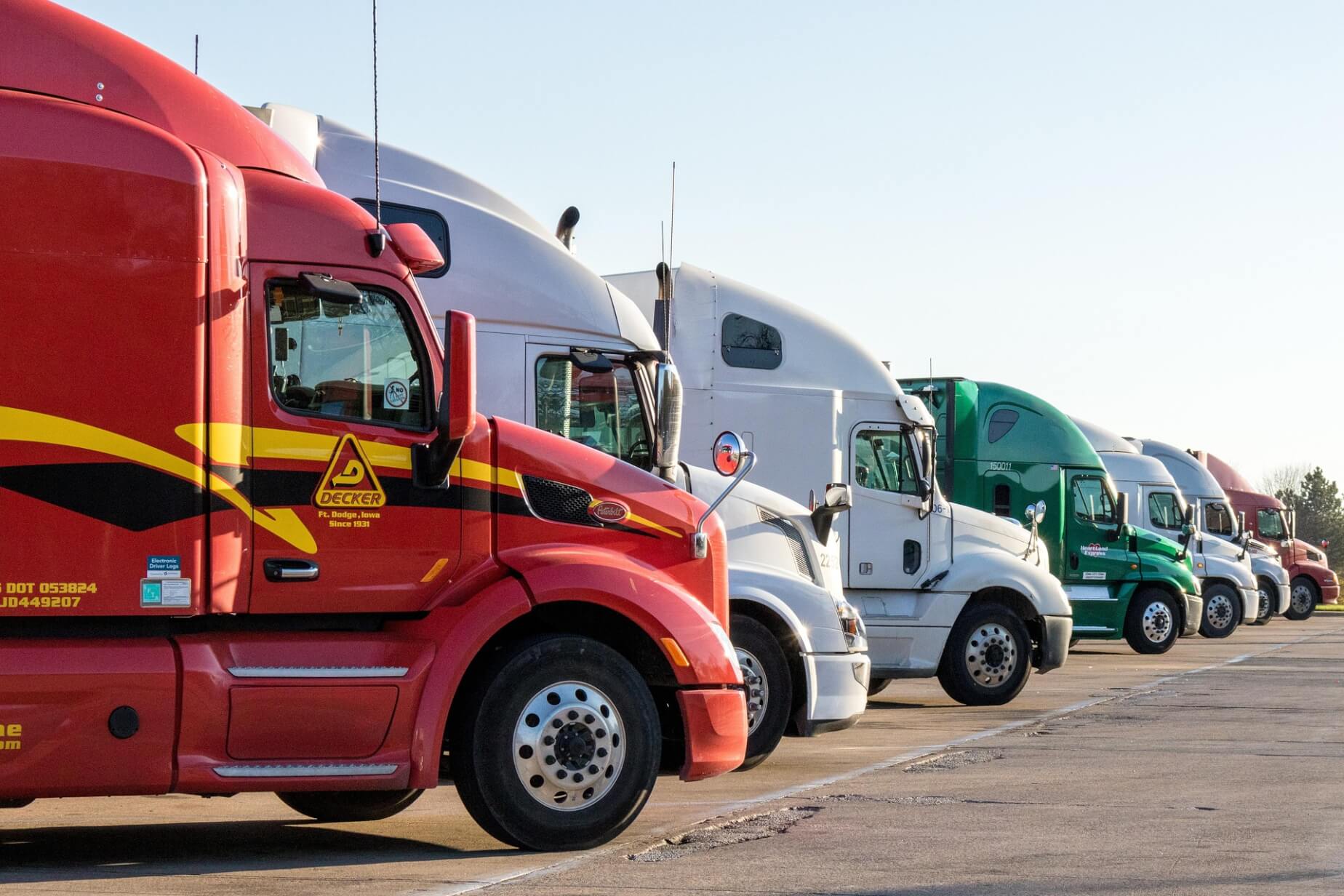
Frequently Asked Questions About Fleet Management for Small Businesses
Many small businesses have common queries about managing their fleets. These questions are primarily about fleet management expenses, maintenance, and challenges related to fueling services. Let’s look into these questions:
1. What Is Fleet Management?
Fleet management is the process by which fleet operators or managers monitor and coordinate the vehicles that a company owns or leases. They handle vehicle maintenance, fuel consumption, telematics, and safety compliance.
The main purpose of fleet management is to keep the fleet in good condition, avoid downtime, and reduce extra fuel usage and repair costs. Fleet management is far more important for small businesses having tight budgets and smaller teams, so they can manage their expenses and improve efficiency.
2. Why Do Small Businesses Need Fleet Management?
Small businesses must take steps to manage their fleets because it is the key requirement for reducing extra expenditure. They can lower fuel waste, prevent overuse of vehicles, and reduce repair costs by using the best fleet management system.
As per the Department of Transportation, fleet companies must keep proper logs, perform inspections, and complete safety checks. Businesses can use fleet management software to keep records and monitor vehicle maintenance.
GPS technology in such software can track vehicle locations that help managers to plan secure and fast routes for their fleets.
As per some statistics, GPS tracking can lower fuel costs by up to 33%.
3. How to Choose Fleet Management Software?
Selecting the best fleet management software is crucial to control costs and ensure drivers’ safety. A perfect fleet management software features a user-friendly interface, provides quick customer support, and is compatible with your business. Select a software that accurately tracks mileage and sends automatic reminders when you need to change oil and replace filters.
In this, the GPS tracking tool is also of great importance. GPS vehicle tracking can help businesses reduce about 25% of maintenance expenses. Furthermore, your fleet management software must be scalable. It should have the capacity to handle extra data without additional costs, especially when you add more vehicles to your fleet.
4. What Are the Costs of Fleet Management?
Businesses must understand fleet management costs to plan better, control spending, and get the most value from their fleet management system. The following are the main costs to consider:
- Software Costs
Fleet management software may cost between $25 and $45 per vehicle each month. This price varies from software to software depending on their features. Small businesses can purchase a basic plan because they only need GPS tracking and driver logs initially. The advanced software with analytics and diagnostics features has a higher subscription fee.
- Fuel Costs
Fuel is the biggest cost challenge for fleet companies as it makes up around 25% of all fleet expenses.
Small businesses can hire professional drivers, plan safe routes, and prevent idling to overcome this expense.
- Maintenance Costs
Regular maintenance services and unexpected repair costs are also one of the major expenses for fleet businesses. According to AAA, the average maintenance cost for a car is around 10 cents per mile, which makes approximately $792 per year.
Small businesses do not necessarily need to use premium fleet maintenance software to lower their fleet expenses. A basic system with GPS technology that sends maintenance alerts is also a suitable option. Choose advanced fleet management software when your business grows and you need more complex tracking systems.
5. How Does GPS Tracking Improve Fleet Efficiency?
GPS tracking enables managers to monitor their delivery routes and plan the most efficient and safe routes. They can also view the live locations of their vehicles and monitor their drivers’ safety while driving, identifying any weaknesses they need to overcome. GPS tracking also provides geofencing that helps businesses set virtual boundaries and get alerts if a vehicle goes outside the approved area.
A case study by Verizon Connect shows the real benefits of GPS tracking.
In the US, businesses using this technology cut fuel costs by 16%. They also reduced accident costs by 22% and lowered labor costs by 16%. Moreover, maintenance costs went down by 16%, and insurance premiums dropped by 13%.
6. How Can Small Businesses Reduce Fuel Costs for Fleets?
Fuel is one of the biggest expenses for small fleets, but they can lower these costs by using the following tips and strategies.
- Idle reduction policies
Set idle reduction policies so the trucks do not idle for a long time. It can help save fuel and reduce wear on engines. - Bulk fuel purchasing
Buy fuel in bulk because bulk rates are cheaper than retail. This way, you can also protect your business from sudden price spikes. - Route optimization
Use route optimization tools to find the most efficient paths for your fleets. It ensures timely deliveries and lowers fuel consumption. - Vehicle upgrades
Add modern vehicles to your fleet with an aerodynamic shape that reduces drag and improves mileage on long trips.
Above all, businesses can use Fuel Logic’s on-site bulk refueling services to avoid detours to gas stations and save 10 to 15% on fuel costs.
7. When to Hire a Fleet Manager?
A business should consider hiring a fleet manager when its operations expand and managing vehicles becomes challenging.
They can hire one if their fleet grows beyond 10 vehicles because, at this point, keeping track of routes, drivers, and maintenance becomes increasingly difficult.
Apart from this, if your fleet maintenance costs are increasing, it’s also a warning sign that your fleet is not being appropriately managed. Therefore, you must hire a dedicated fleet manager who can oversee operations, reduce costs, and maintain vehicles in top condition. You can also consider outsourcing to a fleet management service if you can’t afford to hire a full-time fleet manager.
8. How Can Fleet Management Reduce Insurance Premiums?
An insurance premium is the money a business pays to an insurance company. That company makes up for the losses and accidental damages of vehicles and equipment in return. It is burdensome for small businesses because they must pay it every month or year to keep coverage active.
Fleet management tools can help lower these insurance premiums. Insurance companies give discounts for safe driving, and businesses can avail these rebates by ensuring safe driving habits with telematics. Small businesses can use small fleet management tools to track regular maintenance of their trucks. Then, share safety and maintenance reports with insurers as proof that their vehicles are well managed. This can lead to cheaper insurance rates.
9. What Should I Do if a Vehicle Breaks Down During a Job?
If a vehicle breaks down during a job, the first step is to follow an emergency protocol. Drivers can have roadside assistance contacts whom they can contact during emergency breakdowns. Fleet managers can also check the live progress of their fleets through GPS tracking and reroute backup vehicles during such a situation.
It’s also important to keep a record of every breakdown, including the cause, repair, and cost. This documentation helps managers identify recurring problems and fix the root issue. Companies can schedule predictive maintenance based on mileage, engine hours, or performance data to prevent these problems.
10. How to Handle Fleet Expansion as My Business Grows?
Fleet management becomes even more crucial for businesses whose fleet operations are growing. In such cases, they can follow these scaling strategies to manage costs and improve efficiency:
- Modular fleet software
Use modular fleet software that allows you to add vehicles or users as needed. This way, your company won’t have to spend a whopping sum upfront, and you can expand the system with your fleet’s growth.
- Lease vs. buy analysis
Do a lease vs. buy analysis to understand cost flexibility. For example, leasing a truck is a better option if you want to use it for only a year or two.
- Part-time or outsourced management
Hire a part-time fleet manager or outsource to experts. It is helpful to ensure uninterrupted operations as your business expands.
11. What Should I Do During a Fuel Shortage?
During a fuel shortage, small businesses should act quickly to keep their fleets moving. One of the most practical steps is to partner with a reliable fuel delivery service, such as Fuel Logic.
These services prioritize fleet needs so vehicles can continue operating without long delays or interruptions.
Fuel Logic offers emergency refueling that guarantees delivery within 24 hours, even during shortages.
12. Can Fuel Delivery Services Work for Small Fleets?
Yes, fuel delivery services like Fuel Logic work well for small fleets with 5 to 50 vehicles. They refuel vehicles on-site so drivers don’t need to stop at gas stations. Our service helps small businesses save more than 7 hours every week through scheduled refueling, allowing managers and drivers to focus on daily operations.
⚡ Key Takeaways
- Fleet management improves efficiency and lowers costs for small businesses by optimizing maintenance schedules, reducing fuel waste, and ensuring driver safety and compliance.
- GPS tracking and telematics systems play a vital role in managing routes, monitoring driver performance, and cutting expenses on fuel, repairs, and insurance.
- Choosing the right fleet management software—with maintenance alerts, route optimization, and scalability—helps small businesses streamline operations as their fleets grow.
- Fuel delivery and bulk purchasing strategies help small fleets save time and control fuel costs, especially during shortages or high-demand periods.
- Hiring or outsourcing a fleet manager becomes essential once operations expand beyond 10 vehicles, ensuring proper oversight, cost control, and efficient scaling.
Expert Insights
Experts share insightful lessons based on their experiences and in-depth analysis. Fleet companies can apply these insights to improve efficiency, cut costs, and ensure the safety of their vehicles and equipment. Charles Guthro is an expert fleet management consultant who has over 40 years of experience in public works, utilities, and enterprise operations. He quotes, “Buy right, repair right, drive right, sell right.”
For small businesses, the lesson is clear. Smart choices at every stage matter. Buy reliable vehicles and properly maintain them. Train drivers carefully and sell vehicles at the right time.
Get On-Site Fueling for Your Fleet
Don’t let fuel delays slow you down.
With Fuel Logic’s 24/7 on-site fueling, your business stays on track, day or night.
About Fuel Logic
Need help with fuel delivery or management tips for your fleet?
Contact Fuel Logic to order fuel and get professional guidance on fuel management.
Fuel Logic can help you with all your fuel delivery needs.
We deliver high-quality fuel to various business locations all over the USA.
We offer mobile fuel delivery, bulk fuel delivery, off-road diesel fuel delivery, and diesel exhaust fluid for your fleet.
Our customer support team is available 24/7 to help you with any fuel delivery inquiries. Call us today!