
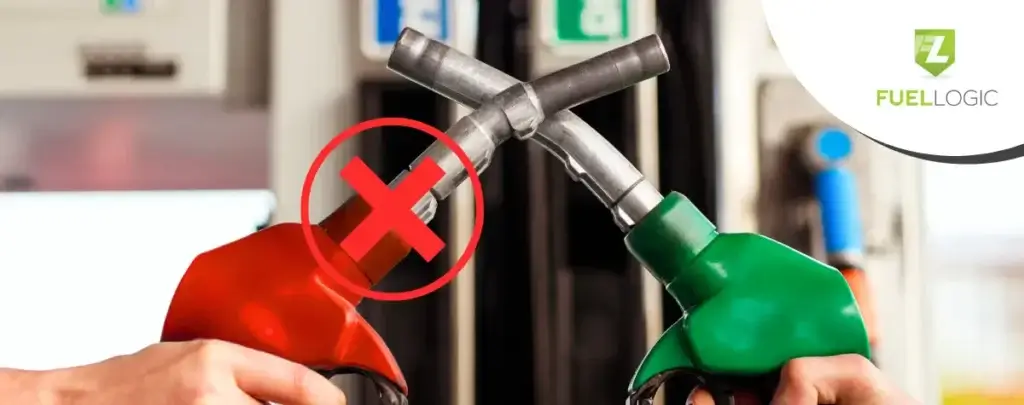
What Happens If You Put Gas in Diesel Engine?
If gasoline is mixed with diesel, the severity of the damage depends on whether the engine has been started.
| Situation | What Happens | What To Do | Estimated Cost |
|---|---|---|---|
| Gas added, engine NOT started | Gasoline sits in the tank and dilutes diesel. No internal damage yet. | Do NOT start the engine. Have the fuel tank drained and flushed by a professional. | $200 – $500 (tank drain and flush only) |
| Engine started, ran briefly (under 5 min) | Contaminated fuel circulates through the system, reducing lubrication in the fuel pump and injectors. | Shut off the engine immediately. Tow to a mechanic. Drain tank, flush fuel lines, replace fuel filters. | $500 – $1,500 (drain + flush + filter replacement) |
| Driven for several miles | Severe wear on fuel injectors, fuel pump, and possibly pistons and cylinder walls from pre-detonation damage. | Tow the vehicle. Full fuel system replacement likely needed. Engine inspection required for internal damage. | $2,000 – $8,000+ (injectors, fuel pump, possible engine rebuild) |
Diesel in a Gas Tank: Damage Mechanism Explained
Diesel engines use compression ignition, not spark plugs. Air is compressed to about 1,000°F (538°C) so fuel ignites on contact. Diesel fuel is oil-based, highly lubricious, and has a high auto‑ignition temperature.
Gasoline is the opposite. It is lighter, more volatile, and designed to ignite from a spark at lower temperatures.

When it enters a diesel fuel system, two things happen simultaneously, and both are destructive:
1. Lubrication Failure
Diesel lubricates the pump and injectors while gasoline is thinner and non-lubricating. If you misfuel, it removes that lubrication, causing high-pressure components (up to ~30,000 PSI) to grind, produce metal debris, and accelerate damage throughout the fuel system.
2. Ignition Mismatch and Detonation
Gasoline ignites at a much lower temperature than diesel, causing premature ignition (pre-detonation or knocking) in a diesel engine. The resulting shockwaves can crack pistons, damage injectors, and warp cylinder heads.
In practice, you will notice the symptoms within minutes:
- Engine knocking or pinging sounds
- White or grey smoke from the exhaust (from incomplete combustion)
- Loss of power and rough acceleration
- Engine stalling or difficulty starting
- Check engine light or limp mode activation
What about a small mix, about 5 or 10 gallons in a large tank?
Even 5% gasoline reduces lubricity below safe levels for modern high‑pressure injectors. Older mechanical systems tolerate it better, but any gasoline in a post‑2000 common‑rail diesel requires a full fuel drain.
Difference Between Diesel Engines and Gasoline Engines

The difference between gas and diesel engines is primarily their fuel ignition methods. Diesel engines don’t use spark plugs. They ignite fuel by compressing air to extreme temperatures. When fuel hits that superheated air, it combusts instantly. In contrast, gasoline engines rely on spark ignition, where a spark plug ignites a precisely mixed fuel-air mixture. These differences matter as they affect engine efficiency, power output, and emissions.
Gasoline and diesel fuels are not interchangeable due to differing ignition and combustion properties. It’s essential to use the correct fuel to protect engine components and maintain performance.
How Much Gasoline Is Too Much in a Diesel Engine?
This is one of the most common questions fleet managers and drivers ask after a misfueling incident. The short answer: there is no truly safe threshold, but the amount determines whether you are dealing with a flush or a rebuild.
| Gas-to-Diesel Ratio | Risk Level | What to Expect |
|---|---|---|
| Less than 1% | Low risk | May go unnoticed in older mechanical diesels. Modern common-rail engines are more sensitive. |
| 1% to 5% | Moderate risk | Noticeable performance changes: rough idling, slight power loss. Drain and flush recommended. |
| 5% to 20% | High risk | Engine knocking, misfiring, smoke from exhaust. Stop driving immediately. Full drain and flush required. |
| Over 20% | Severe / catastrophic | Fuel pump and injector failure likely. Risk of internal engine damage. Do not attempt to start or drive. |
These thresholds vary depending on the engine type and age. Modern common-rail diesel engines running at 20,000–30,000 PSI injection pressure are significantly more sensitive than older mechanical injection systems. If you are managing a fleet, assume the lower threshold and act accordingly.
Gasoline lacks diesel’s lubrication, causing increased wear on the fuel pump and injectors, and its solvent properties can damage seals and injectors, leading to leaks and reduced efficiency.
How to Diagnose Gasoline Contamination in Diesel Engines

Gasoline in a diesel causes noticeable problems. Common signs include:
- Knocking or pinging sounds from the engine due to fuel mismatch
- Lighter or bluish exhaust from incomplete combustion
- Reduced power and poor acceleration
- Rough idling and hesitation during acceleration
Use diagnostic scanning tools to detect combustion irregularities, then drain and replace the fuel and inspect fuel system components to restore proper performance.
Professionals employ several methods to diagnose the presence of gas in diesel engine effectively. Initially, they conduct a visual inspection of the fuel system components, including fuel filters, injectors, and lines, searching for any signs of gasoline residue or damage. Furthermore, technicians may perform fuel tests to analyze the composition and properties of the fuel in the tank, looking for the presence of gasoline fuel injector cleaner or impurities that could cause potential damage.
What to Do If You Accidentally Put Gas in a Diesel Engine?

If you accidentally put the wrong fuel, immediate action is crucial to minimize further damage. First and foremost, here’s what you need to do:
- Don’t start the engine. If you haven’t turned the key, stop here and call a tow truck.
- Tow the vehicle. Do not drive it to a mechanic, even if it’s a short distance.
- Drain the fuel tank. All contaminated fuel must be removed, including fuel below the pickup tube.
- Flush the fuel system. Fuel lines, fuel filter housing, high-pressure pump, and injectors must be flushed.
- Change the engine oil. Gasoline is thinner than diesel and can bypass seals into the crankcase, diluting engine oil and reducing lubrication.
- Fill with fresh diesel and test. Run the engine and monitor for knocking, smoke, or check engine lights.
After draining the fuel tank, inspect the diesel engine for damage from misfuelling. Components like injectors, pumps, and seals may be compromised if gasoline is introduced into the diesel tank. Cleaning or replacing damaged parts is essential for optimal engine performance and longevity.
Noticing Engine Symptoms? Don’t Risk Engine Failure.
If your fleet vehicle has been misfueled, the safest and fastest solution is professional fuel removal and on-site support.
Costs of Repairing a Diesel Engine After Misfueling
Repair costs after a gasoline-in-diesel incident vary widely depending on how quickly you catch it, whether the engine was started, and how much gasoline entered the system. Here is a realistic breakdown based on common repair scenarios:
| Repair Scenario | Estimated Cost | When It Applies |
|---|---|---|
| Fuel tank drain and refill (no engine start) | $150 – $400 | Caught immediately, engine never started |
| Full fuel system flush | $400 – $1,500 | Engine briefly started or ran for a short time |
| Fuel filter replacement | $100 – $300 | Added to flush when filters are contaminated |
| Fuel injector cleaning or replacement | $1,500 – $4,500 | Injectors damaged from lubricity loss |
| Fuel pump replacement | $1,200 – $3,500 | Pump seized or worn from metal-on-metal contact |
| Engine rebuild or replacement | $8,000 – $25,000+ | Severe contamination, prolonged engine operation |
The single biggest cost driver is whether the engine was started after misfueling. A vehicle that never left the pump, where the driver caught the mistake before turning the key, typically requires only a drain and refill. A vehicle driven 10–20 miles with contaminated fuel can face injector replacement bills that dwarf the cost of the fuel itself.
For fleets, the hidden cost is also downtime. A vehicle out of service for injector replacement can mean 3–7 days of lost productivity depending on parts availability. Fuel Logic’s on-site diesel delivery eliminates the gas station stop entirely, removing the misfueling risk at the source.
Be careful at the gas station, preventing misfueling can save far more than the cost of replacing contaminated fuel.
Preventive Measures to Avoid Future Misfuelling Mishaps
Preventing misfuelling mishaps requires a combination of practical strategies and heightened awareness. These are some preventive measures for avoiding future misfuelling:
- Label Fuel Caps: Clearly label the fuel caps with the type of fuel the vehicle requires to avoid confusion.
- Educate Drivers: Provide training and reminders to drivers about the importance of using the correct fuel.
- Install Diesel-Only Nozzles: Use diesel-only nozzles incompatible with gasoline pumps to prevent misfuelling.
- Implement Fuel Management Systems: Utilize fuel management systems that monitor fuel usage and provide alerts for unusual activity.
- Regular Maintenance Checks: Conduct routine checks to ensure fuel caps are secure and there are no signs of tampering or damage.
- Storage Separation: Store diesel and gasoline in separate, clearly marked containers or tanks to prevent accidental mixing.
- Color Coding: Use color-coded equipment or labels to differentiate between diesel and gasoline containers.
- Training for Fuel Handlers: Train fuel handlers on proper procedures for handling and dispensing fuel to minimize errors.
- For Fleet Managers: Misfueling prevention devices that block gasoline nozzles from fitting diesel fill necks are a low-cost insurance policy. Products like diesel fuel cap guards cost under $30 per vehicle and eliminate the most common cause of cross-contamination. If you manage a mixed fleet (gas and diesel vehicles), label each vehicle clearly and include misfueling checks in your driver training. For operations that rely on on-site fuel delivery, working with a dedicated diesel fuel supplier removes the gas station risk entirely.
The risk of future misfuelling incidents can be significantly reduced by implementing these preventive measures and maintaining strict fuel management practices.
⚡ Key Takeaways
- Putting gas in a diesel engine can cause severe damage, including misfiring, power loss, and stalling. Conversely, using diesel in a gasoline vehicle can lead to serious issues.
- Gasoline lacks the lubricating properties of diesel, increasing wear on injectors, pumps, and other components. Diesel in a gas engine can also result in significant damage.
- Even a small amount of gas in a diesel pickup can cause problems, especially in modern engines. The more gas present, the greater the risk of engine failure. Avoid starting the engine if you mistakenly add gas.
- Significant gas contamination may prevent the vehicle from starting and require calling a tow truck for a professional fuel system flush.
- Always check at the pump; using the wrong nozzle can lead to costly repairs. If you accidentally fill up with gas, seek mechanic assistance immediately.
Frequently Asked Questions
Can a small amount of gasoline damage a diesel engine?
A small amount of gasoline can damage a diesel engine by affecting its lubrication, reducing its efficiency, and potentially causing damage to fuel injectors and other components. It can lead to engine knocking, misfiring, and ultimately engine failure if not addressed promptly.
How much gasoline is safe in diesel?
There’s no safe amount of gasoline in diesel, even small amounts can damage a diesel engine and its components because the two fuels have different properties and are designed for different engines.
How much gas will ruin a diesel engine?
Even 1-2% gas can damage a diesel engine. Larger amounts can cause severe harm or complete failure. t’s crucial to avoid contaminating diesel with gasoline.
How do I get gas out of my diesel truck?
Completely drain the fuel tank to remove gasoline using a siphon pump or the drain plug, then thoroughly flush the fuel system before refilling.
How long will a diesel engine run on gasoline?
A diesel engine may run on gasoline briefly, minutes to a few hours, before reduced power and knocking occur.
What happens when I put Diesel in a Gas Engine?
Putting diesel in a gas car is also a serious fuel mistake, but it usually affects the vehicle differently than putting gas in a diesel engine. Diesel is thicker and less volatile than gasoline, so a gas engine may struggle to start, run poorly, misfire, smoke, stall, or stop running altogether.
How much gasoline does it take to contaminate diesel?
Even a small amount can cause problems. Less than 1% gasoline in diesel may go unnoticed in older engines, but modern common-rail diesel systems are sensitive enough that 1-5% contamination can cause rough running and performance loss. At 5% or more, engine damage becomes likely if the vehicle is driven. The safest approach is to treat any amount of gasoline in a diesel tank as a problem worth addressing immediately.
Will a diesel engine start with gasoline in it?
Yes, in most cases a diesel engine will start and run briefly with gasoline in the tank, especially if diesel fuel is still in the fuel lines from the previous fill. However, running is not the same as running safely. The engine will progressively lose power, knock loudly, and eventually stall as gasoline reaches the injectors and combustion chambers.
What happens if you accidentally mix gasoline and diesel fuel?
When gasoline mixes with diesel, it lowers the flash point and reduces the lubricating properties of the fuel blend. In the tank, the mixed fuel becomes more volatile than pure diesel. Once it reaches the engine, it ignites earlier than it should (pre-detonation), causes metal-on-metal wear in the fuel pump and injectors, and can produce excessive heat that damages pistons and cylinder walls.
Can a mechanic fix a diesel engine after gasoline was put in it?
Yes, if caught early. If the engine was never started, a simple tank drain and fuel system flush is usually enough. If the engine ran briefly, the fuel system may need new filters and inspection of the fuel pump and injectors. If the vehicle was driven for an extended period, a full fuel system replacement and possible engine rebuild may be required. Costs range from $200 for a basic drain to $8,000+ for major repairs.
Risks of Putting Gas in a Diesel Engine
The severity of misfuelling, such as putting gas in a diesel engine, underscores the importance of using the correct fuel. Failure to do so can lead to serious repercussions, including engine damage and costly repairs.
Putting gasoline in a diesel engine can cause serious damage due to the difference in fuel properties and the way each type of engine operates. By adhering to these guidelines, readers can mitigate the risks associated with misfuelling and ensure optimal performance and longevity of their diesel engines.
Diesel delivery services, like Fuel Logic, offer convenient solutions to ensure the right fuel is delivered to your location promptly, mitigating the risk of errors.
Check our FAQs for valuable information regarding every fuel-related query.
For fleet operations, scheduled diesel delivery eliminates the gas station risk entirely.
Order fuel online today to streamline fuel handling and minimize misfuelling incidents.
Misfueled a Diesel Engine? Get Help Now.
Gas in a diesel engine is time-sensitive. The faster you act, the lower the repair cost.
Related Resources:
Main Difference Between Petrol and Diesel
Diesel vs Gas Engines
Why is it called Gasoline?




