

Fuel Logic Blog
A Resource For Business, Fuel Managers And Fleet Managers
-

Plumbing Fleet Management Mistakes Costing Contractors
Poor plumbing fleet management, characterized by limited vehicle visibility, weak dispatch logic, reactive maintenance, careless fuel tracking, and scattered data, reduces profits through increased operating costs per job, fewer daily job completions, more missed appointments, and lower customer satisfaction. Timely fixes create month-to-month savings. Delays, missed appointments, and rising fuel bills often trace back to…
-

How Hidden Fuel Costs Are Slowing Landscaping Fleets
Hidden fuel costs in landscaping fleets include losses from idling, unplanned route overlap, unscheduled fuel stops, and vehicle maintenance problems, which collectively reduce crew productivity and increase operating costs. These issues often stem from daily operating habits rather than just pump prices, impacting overall fuel spend and efficiency. Many landscaping fleets watch the pump price…
-
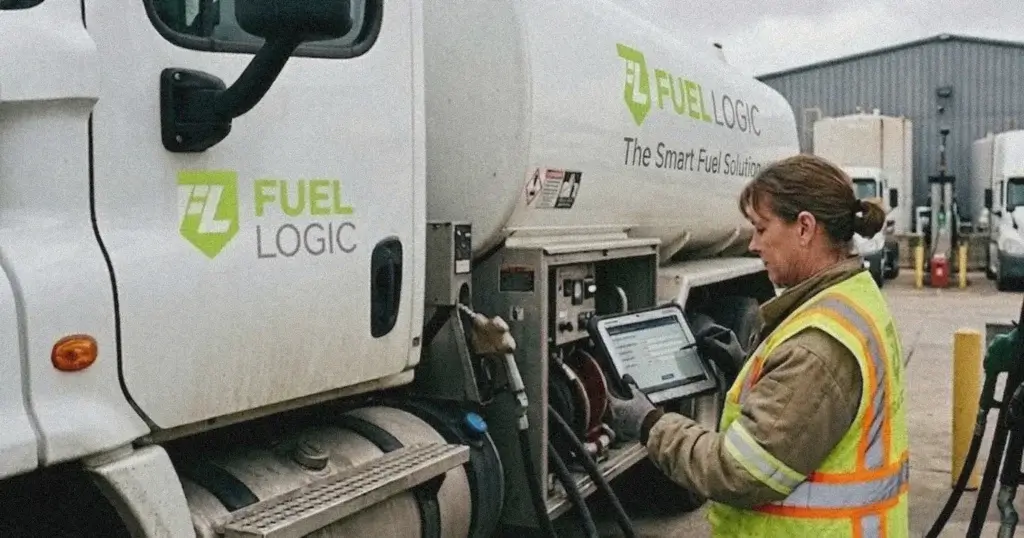
How to Train Drivers on Fuel Accountability & Reporting
Fuel expenses can quietly increase through issues like missed entries or minor theft, with studies indicating fleets can lose 2–5% of fuel spend to misuse and fraud, making fuel accountability important for managing costs, increasing productivity, and maintaining compliance by correctly logging fuel and submitting proper driver fuel reports. Fuel expenses can build up quietly…
-
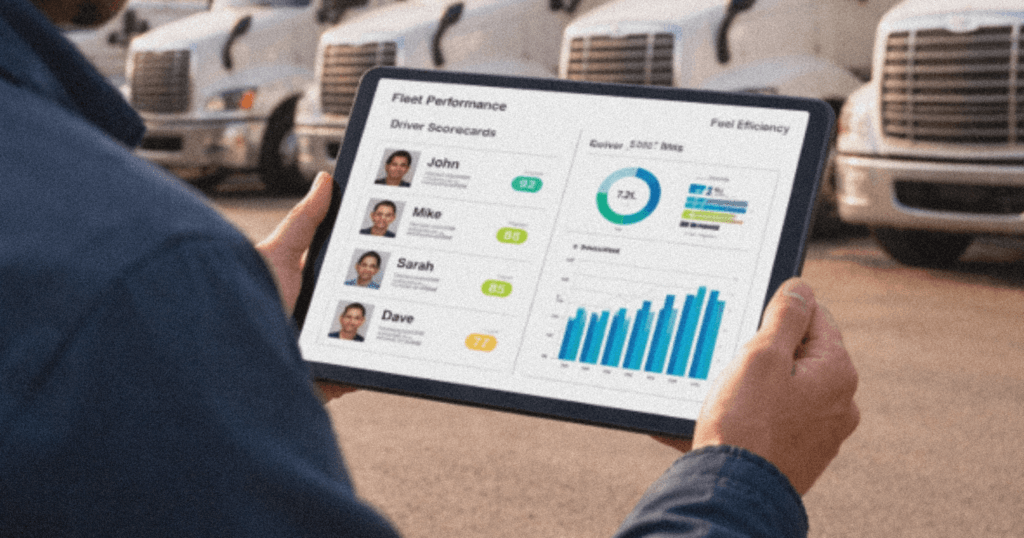
Gamifying Fuel Efficiency: Engaging Drivers With Performance Metrics
Gamifying fuel efficiency involves applying game concepts like scores and rewards to driving tasks, turning raw data into motivation for drivers to improve habits. Companies using gamification report a 36% rise in employee engagement, and telematics systems can lead to a 15% reduction in fuel costs and a 12% increase in productivity. Long idling, harsh…
-
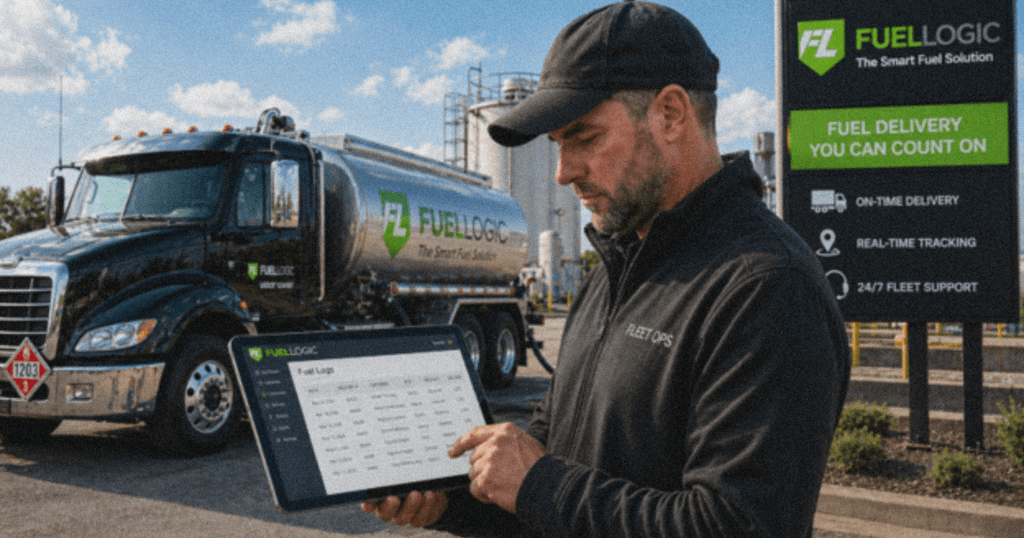
Driver Fuel Policy Violations: Real Examples & How to Prevent Them
Driver fuel policy violations cost fleets thousands annually, leading to increased expenses and data quality issues. Preventing these violations involves creating clear policies, using technology for oversight like GPS tracking and spending limits, and partnering with trusted fuel suppliers for on-site delivery. Fuel expenses take up a large share of fleet budgets, and small gaps…
-
Fuel Tank Monitoring System Enhances Fleet Efficiency
A fuel tank monitoring system tracks fuel levels, records consumption, and detects leaks in tanks or trucks, providing real-time data to help fleets reduce waste, control costs, and plan refueling effectively by sending alerts for low fuel or unusual activity. Fleet owners face many challenges in tracking fuel consumption for their vehicles. Even fuel-efficient vehicles…
-

The Hidden Fuel Risks Behind Outdoor Events
Outdoor events face fuel risks, including degradation, contamination, or delivery delays, often during peak hours in 2026. These risks stem from heat swings, rain, long idle storage, rushed refuels, and crowded service points, impacting power, lighting, cooling, and transport systems. Outdoor events rely on fuel for power, lighting, food systems, cooling, and transport – and…
-

Why Landscaping Fleets Are Losing Profit in 2026 Fuel Spikes
In 2026, landscaping fleets are losing profit due to fuel spikes driven by geopolitical tensions and Strait of Hormuz disruptions, which cause U.S. diesel and gas prices to become volatile. This forces fleets with fixed-price contracts to manage rising costs per mile and per hour, impacting margins on short maintenance rounds and seasonal contracts. Landscaping…
-
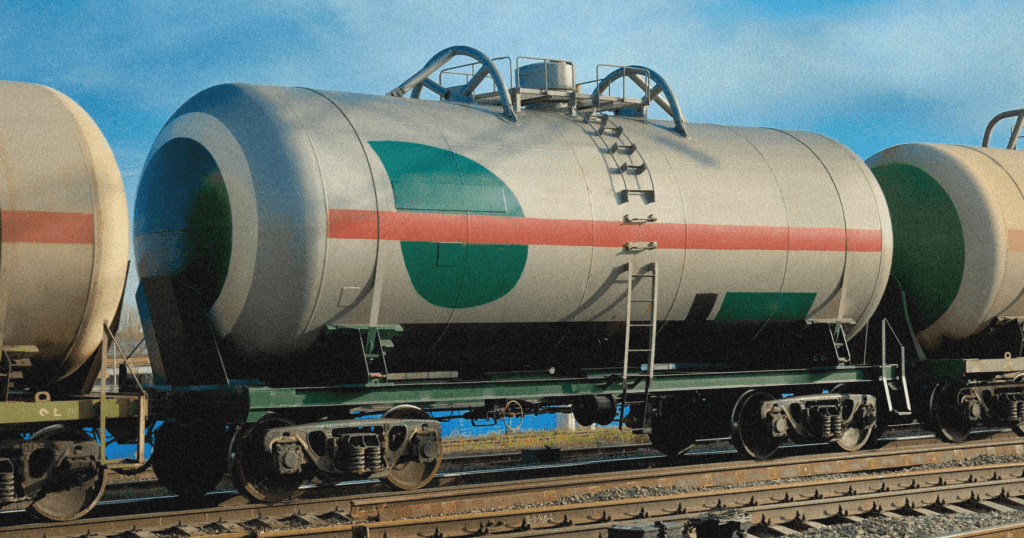
Route Optimization vs. Driver Behavior: Which Impacts Fuel Costs More?
Both route optimization and driver behavior significantly impact fleet fuel costs, with route optimization reducing costs by up to 20% through efficient pathing and driver behavior causing a 10–40% variance due to factors like harsh acceleration and speeding. Combining smart routing with driver coaching can reduce fuel costs by 15%-30%. Fuel is one of the…
-
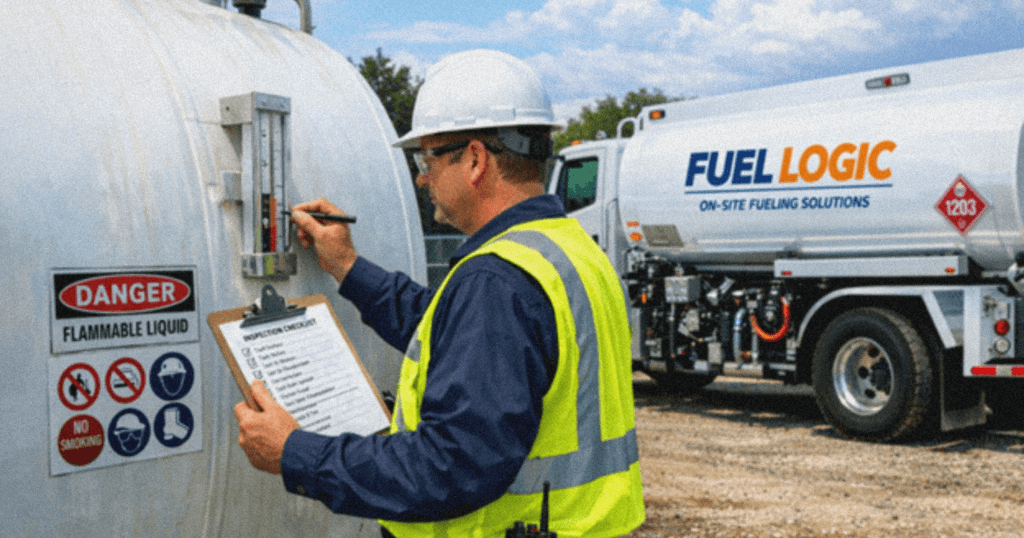
How Fuel Mismanagement Leads to Compliance Fines (OSHA & DOT Risks)
Fuel mismanagement, encompassing poor storage practices, incorrect labeling, and untracked deliveries, can lead to compliance fines from OSHA and DOT. In 2025, FMCSA increased DOT penalties, with daily recordkeeping violations reaching $1,584 and total penalties up to $15,846. OSHA citations for unsafe fuel storage and handling can reach about $16,550 per violation. Fuel mismanagement can…
Need a Fuel Delivery Today?
Fuels Types & Diesel Additives
We Deliver Nationwide
- Diesel
- Gasoline
- Dyed Diesel
- DEF (Diesel Exhaust Fluid)
Schedule your fuel delivery today
Latests Articles
- Common Fuel Management Mistakes That Drain Budgets
- What Every Fleet Manager Should Know About Fuel Contracts
- How to Choose Between Fuel Cards and Mobile Fueling
- The Real Cost of Running Out of Fuel for Fleets
- Fuel Tank Management: Best Practices for Fleet Owners
- What to Know Before Setting Up Your Own Fuel Storage System
- HVAC Fleets Lose Hours Weekly on Fuel Stops
- Why HVAC Fleets Struggle During Heat Waves
Categories
- Bulk Fuel Articles (9)
- Business (4)
- Construction (6)
- Diesel (31)
- Diesel Exhaust Fluid (13)
- Diesel Gelling (6)
- Dyed Diesel (5)
- Emergency Fuel Delivery (13)
- Event Fueling (3)
- Fleet (37)
- Fleet card (4)
- Fuel Cost (10)
- Fuel delivery (30)
- Fuel Estimator (2)
- Fuel Management (24)
- Fuel Polishing (2)
- Fuel Safety (7)
- Fuel Tank (28)
- Fuel Types (8)
- Gasoline (13)
- Generator (18)
- Intangible Costs (3)
- Off-road diesel (8)
- Our Culture (2)
- Reefer Trailers (6)
- Stories From the Road (6)