
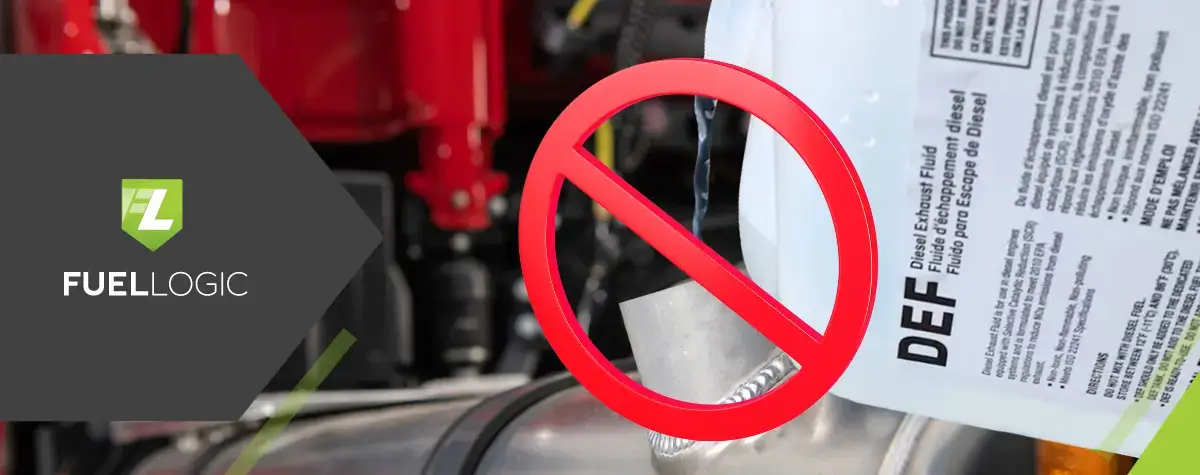

Diesel engines power construction, farming, and heavy transport, burning large amounts of fuel and emitting harmful gases. The issue of “def in diesel tank” arises when diesel exhaust fluid contaminates fuel systems.
The U.S. Environmental Protection Agency requires all medium- and heavy-duty diesel vehicles to use DEF in their SCR systems, but accidental DEF in the diesel tank can cause serious problems.
What to do if this happens?
What causes diesel fuel contamination?
This guide explains the harmful effects of adding DEF into a diesel tank. It also highlights the common mistakes that lead to mixing DEF into diesel tanks and the resulting damage to the fuel pump.
What happens if I put DEF in my diesel tank?
DEF is composed of urea and deionized water. It does not combust like diesel fuel. DEF reacts chemically with the metal parts of the engine. These metallic parts start corroding as a result of this reaction.
Some crystallized deposits also foam due to the mixture of diesel with DEF. These crystals clog the fuel filters and injectors. It affects the proper flow of fuel to the engine parts. Besides this, the diesel engine may also start misfiring. It can be due to the improper and insufficient flow of fuel to the engine components.
How to Tell If DEF Was Added to the Fuel Tank by Mistake
If DEF was added to the diesel tank, watch for warning lights, a “water-in-fuel” alert, or rough running, which may indicate fuel system contamination.
Do not start the engine, have the system professionally drained and flushed to avoid corrosion and injector damage.
Removal of fuel system components may be required because even small amounts of DEF (urea) can harm the pump and injectors.
Consider a fuel additive to help mitigate effects, and note DEF’s freezing can cause crystallization and further issues.
What to Do If You Accidentally Add DEF to the Diesel Tank?
You must respond immediately in such a case because delaying can increase the harm. Here are some important steps that you must follow when DEF gets mixed into the diesel tank:
• Do Not Start the Engine
When DEF mixes with the diesel fuel accidentally, do not start the engine. If you turn it on, the engine will push the mixture through the fuel system and cause serious damage.
Therefore, it is crucial to keep the engine off and drain the fuel from the tank. Make sure to clean the tank thoroughly and refill it with fresh diesel.
• Secure the Vehicle
Keep your vehicle to the roadside if you see any signs of DEF being mixed into the tank. Park your truck on stable ground and pull the hand brake.
This is helpful to protect the nearby people as well. You should keep your vehicle parked there and wait until a professional mechanic arrives.
• Call Roadside Assistance or a Professional Mechanic
Do not try to fix the problem yourself unless or until you are an expert and have done it before successfully. You must not experiment with random tricks for cleaning the tank because the fuel system is complex. Any wrong move and improper handling can clog injectors and may also cause a complete engine failure.
Therefore, it is better to call an experienced personnel. They have the proper tools and experience to drain, flush, and clean the system safely.
• Drainage Instructions
Draining the fuel from the tank is the only solution to protect your vehicle from major damage. However, you must not try to drain the tank yourself unless you are trained.
Call a professional mechanic or service team. They will safely remove the diesel-DEF mixture, clean the tank, and flush the fuel system.
• Flushing and Refilling
You must ensure that the mechanic flushes the fuel system after draining the contaminated fuel. Flushing removes any remaining DEF residue that could harm the engine.
They should also clean the tank, lines, and injectors. You can refill the fuel tank with diesel once the system is completely clean. After that, you can use fresh diesel to restore normal engine performance.

Common Mistakes Leading to DEF Contamination in Diesel Tanks
Commercial fleets must know the mistakes that can cause mixing of DEF into the diesel tank. A small error can damage the engine and increase downtime. You must understand the following reasons that cause these mix-ups:
• Mislabeling of Nozzles
Operators may grab the wrong nozzle if DEF and diesel fuel nozzles are mislabelled. Gas stations should ensure clear labels and markings on all fuel handles. You can also check them in person and correct them if they pick the wrong nozzle.
• Confusing Nozzle Sizes
DEF nozzles are smaller than diesel nozzles, but they can also fit into diesel tank openings. This usually happens when operators work in haste or they don’t know about the size difference. They must pay attention to the nozzle size and design to avoid this type of contamination.
• Lack of Awareness About DEF
Some workers at the fuel stations do not know about DEF and its use. They may think that diesel exhaust fluid is not harmful and that they can add it to all the diesel vehicle tanks. This unawareness and lack of knowledge increase the risk of contamination.
Gas stations must hire trained personnel or educate them about the purpose of DEF and its role in emissions. They must also teach them about its incompatibility with diesel fuel and the importance of not putting DEF in the diesel tank.
• Rushing During Refueling
Refueling in a hurry is another major reason for DEF contamination. Operators might skip checks and accidentally insert DEF into diesel tanks during peak sales. Ask them to verify the nozzle and tank type before pouring the fuel.
Preventive Measures to Avoid DEF Misfills in the Future
Here are some crucial measures that can help you prevent the misfilling of DEF into the diesel tank:
1. Mixing Up Containers and Dispensers
DEF containers should be different in shape and color from diesel. They must also have clear labels for distinction. Workers must get essential training and always check labels before handling any fluid.
2. Skipping Training for Personnel
Staff who handle fuel and DEF without proper training can make mistakes. This is why they must get the necessary training about storage rules, handling methods, and the dangers of cross-contamination. Everyone involved must know the differences between diesel and DEF and the consequences of mistakes.
3. Improper Storage Practices
You must not store DEF and diesel tanks in the same place. This can increase the risks of accidental mixing. So, store them in designated zones and use secure caps to prevent spills or leakage.
4. Ignoring Regular Safety Checks
You must not ignore performing the inspections of your diesel vehicles and equipment. Prioritize monitoring your fuel storage tanks on a regular basis. If you notice any signs of contamination or leaks during inspection, you must fix them as soon as possible.

Conclusion
You must take all the precautionary measures to prevent mixing DEF into diesel fuel, especially when working with a reliable DEF delivery service that helps separate storage, handling, and refueling procedures.
Check labels, use separate spots for diesel and DEF, and stay alert during refueling.
If DEF gets into the tank again, you should shut the engine down and call trained help instead of trying random fixes yourself. These steps protect the engine and support a stable fuel system.
Avoid fuel contamination before it happens
Let Fuel Logic handle your diesel and DEF delivery so you never mix them up.
Trust Fuel Logic for Quick Refueling
Fuel Logic can guide you if you need help with diesel, gasoline, or DEF for your site. Our experienced team delivers high-quality fuel in OSHA-approved containers.
We also help you choose safe fuel storage practices that suit your work setup.
We offer diesel delivery services to the customers’ business locations anywhere in the US.
You can contact us anytime to place your order and also visit our FAQ section for queries.
⚡ Key Takeaways
- Diesel Exhaust Fluid (DEF) should never enter a diesel tank — even a small amount can cause corrosion, injector clogs, and complete engine failure.
- If DEF contamination occurs, do not start the engine. Immediately call a professional mechanic to drain, flush, and clean the entire fuel system.
- Common causes of DEF misfills include mislabelled or similar-sized nozzles, lack of staff training, and rushing during refueling.
- Prevent DEF contamination by separating storage areas, using clearly labeled containers, and ensuring all personnel receive handling training.
- Regular inspections and safety checks help detect early signs of contamination and protect the vehicle’s fuel system from costly damage.
Frequently Asked Questions
Can you filter DEF out of diesel?
DEF is a water-based solution that mixes with diesel and cannot be separated by simple filters.
You must drain the tank completely and flush the tank, fuel lines, and connected parts with fresh diesel.
What happens to fuel that is contaminated with DEF?
Fuel contaminated with DEF in diesel tank is useless and damaging. DEF reacts with diesel to form a thick mixture that clogs fuel lines, blocks injectors, can shut down the system, and cause component failure when starting.
Will insurance cover DEF in diesel tanks?
Standard vehicle insurance does not cover damage from putting DEF into a diesel tank. Insurance providers treat this as operator error. Coverage can vary depending on your policy, so check with your provider for details.
Is it safe to drive a short distance after adding DEF to a diesel tank?
No, it is not safe because a short drive can move DEF through the fuel system. It damages injectors, pumps, and seals. Therefore, you must keep the engine off until a professional drains the tank and cleans the fuel system.
What are the signs of DEF contamination in diesel engines?
Difficulty starting the engine, unusual noises, loss of power, and poor performance are some of the common signs of DEF contamination. Other than these, you might also see warning lights on the dashboard related to the fuel system and emissions.
How can I remove residual DEF from my diesel fuel tank?
To remove residual DEF from your diesel fuel tank, you may need to drop the tank and drain the fuel completely. After draining the tank, refill with fresh diesel to ensure that any remaining DEF is diluted.
Can you use water instead of DEF?
No, you cannot use water instead of Diesel Exhaust Fluid (DEF). DEF, composed of 32.5% urea and 67.5% deionized water, is essential for modern diesel engines to reduce nitrogen oxide emissions. Using water can cause damage to the fuel system and lead to increased emissions, as it lacks the components needed to effectively reduce pollutants.
How often should I refill DEF?
The frequency of refilling DEF in the diesel tank depends on usage and tank size. Check the DEF level regularly and refill every 5,000 to 10,000 miles or as indicated by the gauge. For optimal performance, keep the DEF tank at least half full, especially before long trips.
What is the cost of DEF?
The cost of Diesel Exhaust Fluid (DEF) ranges from $2 to $4 per gallon, influenced by location, supplier, and packaging. Prices may vary with bulk purchases and market conditions.
Is DEF harmful to humans or the environment?
Diesel Exhaust Fluid (DEF) is a non-toxic urea and deionized water solution used to reduce diesel emissions. It may irritate if ingested or on skin and, though biodegradable, must be disposed of properly to avoid soil or water contamination.




