

Fleet
From the Blog
-
Route Optimization vs. Driver Behavior: Which Impacts Fuel Costs More?
Both route optimization and driver behavior significantly impact fleet fuel costs, with route optimization reducing costs by up to 20% through efficient pathing and driver behavior causing a 10–40% variance due to factors like harsh acceleration and speeding. Combining smart routing with driver coaching can reduce fuel costs by 15%-30%. Fuel is one of the…
-
The Complete Guide to Fleet Fuel Cost & Strategy Management
Fuel constitutes 25% to 30% of total fleet operating expenses, making effective fuel management crucial. The North American Council for Freight Efficiency reported that 14 fleets, operating 75,000 trucks, reduced fuel costs by approximately $512 million in one year and improved fuel economy from 6.9 to 7.77 miles per gallon through strategic management. Fuel is…
-
How Fuel Delivery Apps Are Changing Fleet Operations
Fuel delivery apps streamline fleet operations by enabling scheduled on-site fueling, which reduces driver detours, administrative tasks, and fuel theft, while also lowering costs, improving fuel tracking, and contributing to environmental gains by cutting CO2 emissions by approximately 587 lbs per vehicle annually. It is inconvenient to refuel the old way. Trucks have to leave…
-

Best Practices for Fleet Fuel Monitoring
For effective fleet fuel monitoring, combining telematics and fuel cards helps track usage, reduce idling, improve driving habits, schedule maintenance, and detect real-time fuel theft. Key tools include manual logs, automated telematics, and integrated fuel management systems, with a focus on establishing monitoring schedules and using alerts to manage consumption. Fuel costs can take a…
-
Fleet Truck Fueling Solutions That Save Time and Money
As of July 14, 2026, efficient fleet fueling solutions provide significant time and cost savings by eliminating driver downtimes at petrol stations, reducing operational and fuel expenses through mobile fueling, bulk delivery, and on-site assistance services, and using fuel tracking tools like a Fuel Management System (FMS) to avoid waste, theft, and inefficiency. Fleet managers…
-
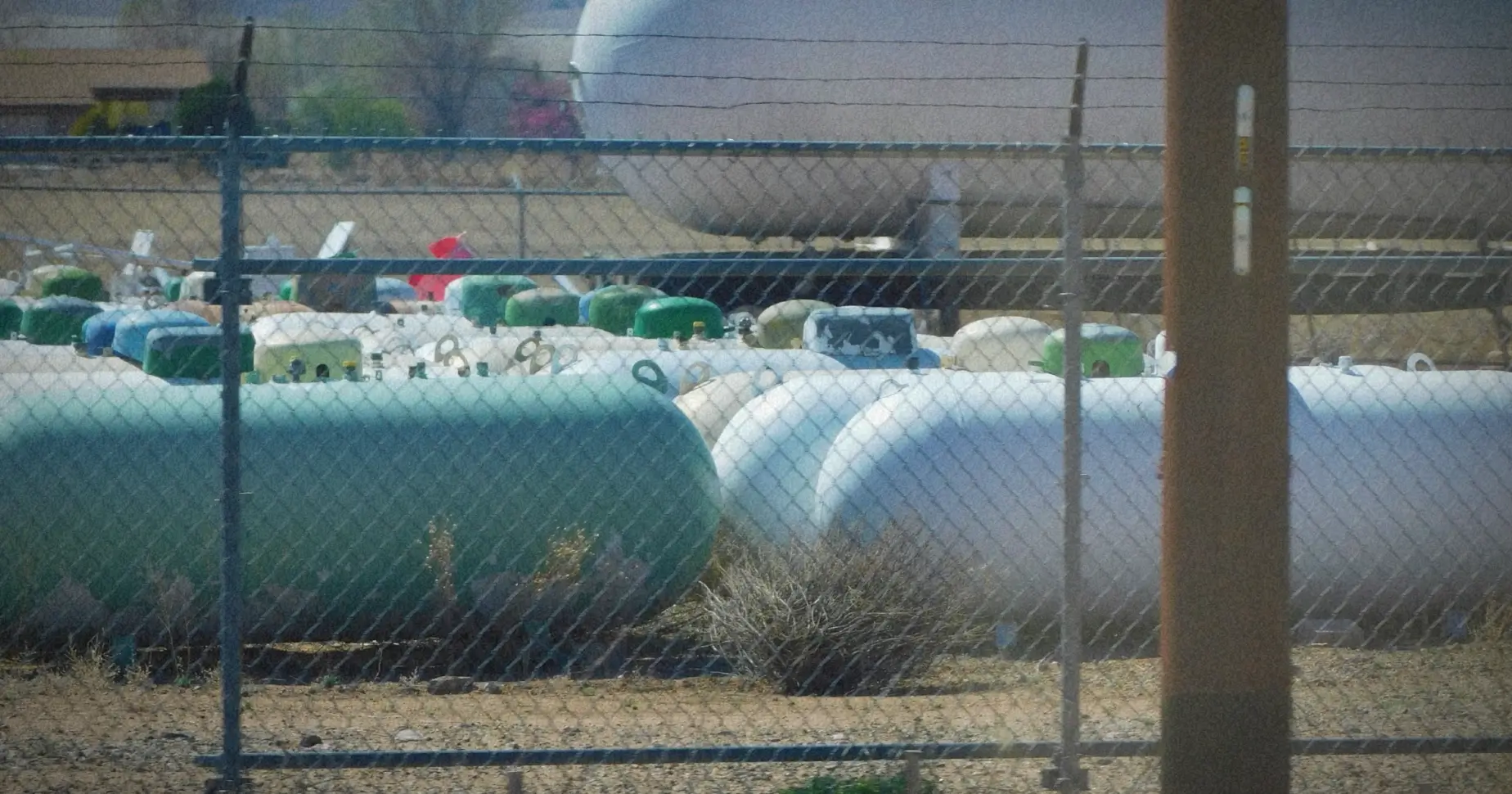
Propane vs Natural Gas: Which Is Better for Fleets
Propane is ideal for light and medium-duty fleets with predictable routes under 250 miles daily, offering lower emissions and simpler refueling. Natural gas, specifically CNG, suits local heavy-duty fleets like transit buses, while LNG is better for long-haul trucks traveling over 500 miles daily, providing a longer range despite complex fueling infrastructure. Feeling the squeeze…
-
Fuel Usage & Carbon Footprint of U.S. Fleets
U.S. transportation was the largest source of greenhouse gases in 2022, contributing 28% of all emissions. In 2023, approximately 80% of transportation-related CO₂ emissions came from burning diesel and gasoline. The EPA’s regulations aim to reduce heavy-duty truck and bus greenhouse gas emissions by up to one billion tons by 2032 through standards rolling out…
-
Which Truck is the Most Fuel Efficient
The Ford Maverick Hybrid leads in fuel efficiency among top trucks, achieving up to 38 MPG overall with its 2.5-liter engine in the FWD version, while the Toyota Tacoma Hybrid offers around 24 MPG overall and the Chevrolet Silverado 1500 Diesel reaches 26 MPG combined. The cost of fuel always takes centre stage among the…
-

What Is Fleet Tracking Used For?
Fleet tracking integrates GPS and telematics to monitor vehicles in real time, serving to boost efficiency, cut costs, and increase safety for businesses. It tracks vehicle locations, driver habits, routes, maintenance schedules, and delivery accuracy, offering benefits like optimized routes, reduced accidents, proactive maintenance, and significant fuel savings up to 16%. For companies relying on…
-

What Is A Fleet Manager?
A fleet manager oversees company vehicles to ensure safe, efficient, and cost-effective operations. Their duties include maintaining vehicles, managing purchases and registrations, monitoring fuel and driver performance, and ensuring regulatory compliance through fleet management systems. With businesses struggling to transport goods more efficiently and swiftly, fleet management has become a key to their success. The…