
Fleet
From the Blog
-
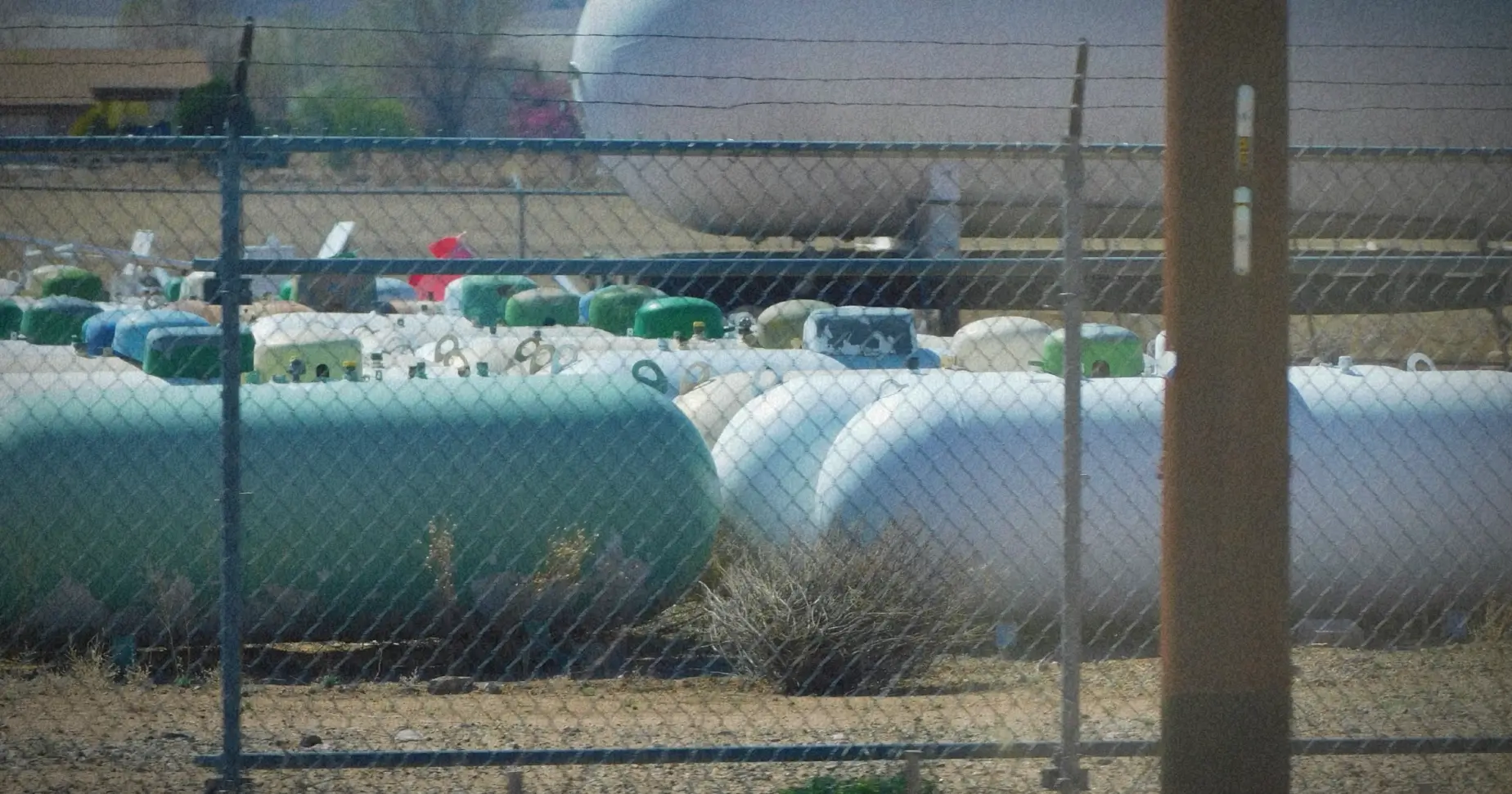
Propane vs Natural Gas: Which Is Better for Fleets
Propane is ideal for light and medium-duty fleets with predictable routes under 250 miles daily, offering lower emissions and simpler refueling. Natural gas, specifically CNG, suits local heavy-duty fleets like transit buses, while LNG is better for long-haul trucks traveling over 500 miles daily, providing a longer range despite complex fueling infrastructure. Feeling the squeeze…
-

Fuel Usage & Carbon Footprint of U.S. Fleets
U.S. transportation was the largest source of greenhouse gases in 2022, contributing 28% of all emissions. In 2023, approximately 80% of transportation-related CO₂ emissions came from burning diesel and gasoline. The EPA’s regulations aim to reduce heavy-duty truck and bus greenhouse gas emissions by up to one billion tons by 2032 through standards rolling out…
-

Which Truck is the Most Fuel Efficient
The Ford Maverick Hybrid leads in fuel efficiency among top trucks, achieving up to 38 MPG overall with its 2.5-liter engine in the FWD version, while the Toyota Tacoma Hybrid offers around 24 MPG overall and the Chevrolet Silverado 1500 Diesel reaches 26 MPG combined. The cost of fuel always takes centre stage among the…
-

What Is Fleet Tracking Used For?
Fleet tracking integrates GPS and telematics to monitor vehicles in real time, serving to boost efficiency, cut costs, and increase safety for businesses. It tracks vehicle locations, driver habits, routes, maintenance schedules, and delivery accuracy, offering benefits like optimized routes, reduced accidents, proactive maintenance, and significant fuel savings up to 16%. For companies relying on…
-

What Is A Fleet Manager?
A fleet manager oversees company vehicles to ensure safe, efficient, and cost-effective operations. Their duties include maintaining vehicles, managing purchases and registrations, monitoring fuel and driver performance, and ensuring regulatory compliance through fleet management systems. With businesses struggling to transport goods more efficiently and swiftly, fleet management has become a key to their success. The…
-
What Is Fleet Management?
Fleet management involves overseeing a company’s commercial vehicles to maximize efficiency, reduce costs, and optimize performance across the entire vehicle lifecycle, including maintenance, route planning, fuel management, and compliance with regulations. Suppose your delivery vehicle gets stuck in severe traffic and your customer has to wait for hours. It will break trust and reduce reliability.…
-

How to Select the Right Dash Cam for Fleets
Choose a dash cam that fits your fleet’s safety and monitoring needs. Prioritize HD video quality, GPS tracking, and integration with fleet management software. Depending on your coverage needs, pick between forward-facing, dual, or multi-camera systems. Leading options include the Garmin Dash Cam 67W, Samsara Dual-Facing AI Dash Cam, and Nextbase 622GW 4K Dash Cam.…
-

What Does Automotive Fleet Maintenance Include?
Automotive fleet maintenance encompasses regular upkeep like oil changes, tire rotations, and inspections to prevent issues, along with repairs. This also includes tracking service history, ensuring compliance with DOT and OSHA rules, and managing costs for long-term reliability. If a delivery truck breaks down mid-route or a work vehicle won’t move because of a simple…
-
Fleet Management for Small Businesses: FAQs Answered by Experts
Fleet management for small businesses involves using specialized tools and software to monitor vehicles, track drivers, and schedule maintenance—helping boost efficiency, safety, and profitability. The global fleet management market was valued at $23.4 billion in 2024, with growth driven by both large companies and small fleets. According to some analysis, it will see a compound…
-
How Regular Semi-Truck Inspections Cut Costs by 20% in Repairs
Regular semi-truck inspections are crucial for safety, legal compliance, and avoiding costly repairs, helping to cut annual repair charges by 20% or more by catching minor issues like leaks before they escalate. Skipping inspections risks penalties up to $16,000, revenue loss of $800–$1,200 per day, and a 30% reduction in fuel efficiency due to issues…