

Diesel
From the Blog
-
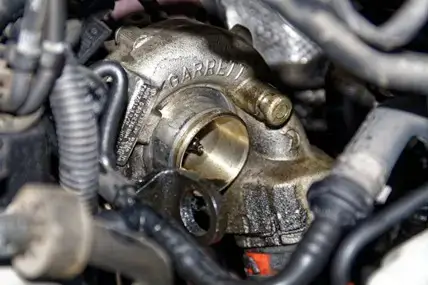
What Is a Runaway Diesel Engine
A runaway diesel engine occurs when a diesel engine uncontrollably speeds up past its safe limits by ingesting extra fuel or flammable vapors that are not managed by its normal fuel system, causing it to burn its own oil or other external vapors. This can ruin the engine in seconds, potentially causing fires, explosions, and…
-
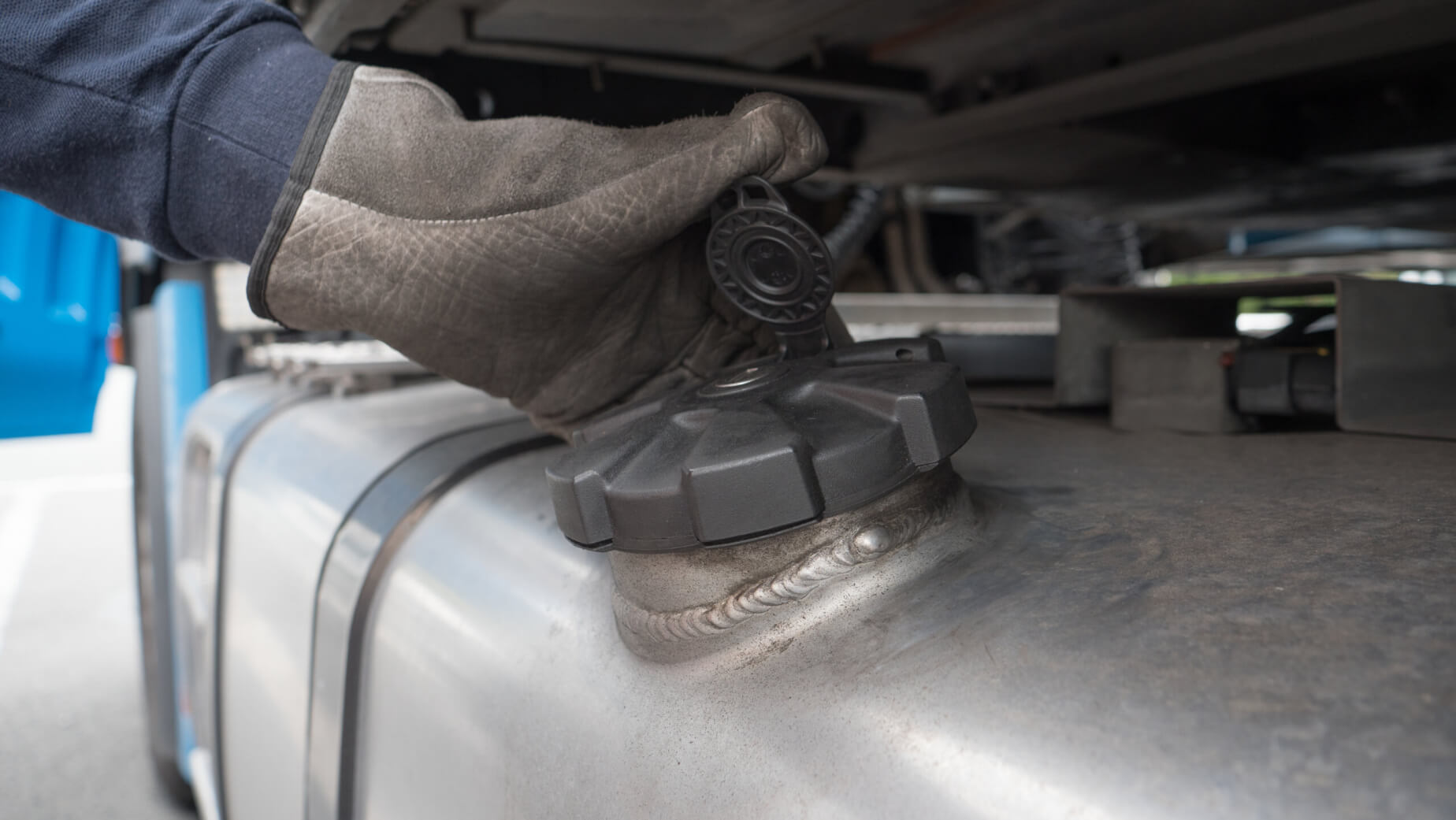
Where to Buy Diesel Fuel? Here’s How to Find Reliable Suppliers Near You
You can buy diesel fuel at truck stops, gas stations, or from bulk delivery suppliers. To find a reliable supplier near you, consider their experience, customer reviews, service coverage, and confirm they meet your specific needs. In 2022, the U.S. transportation sector used about 2.98 million barrels of diesel fuel daily, underscoring the critical importance…
-
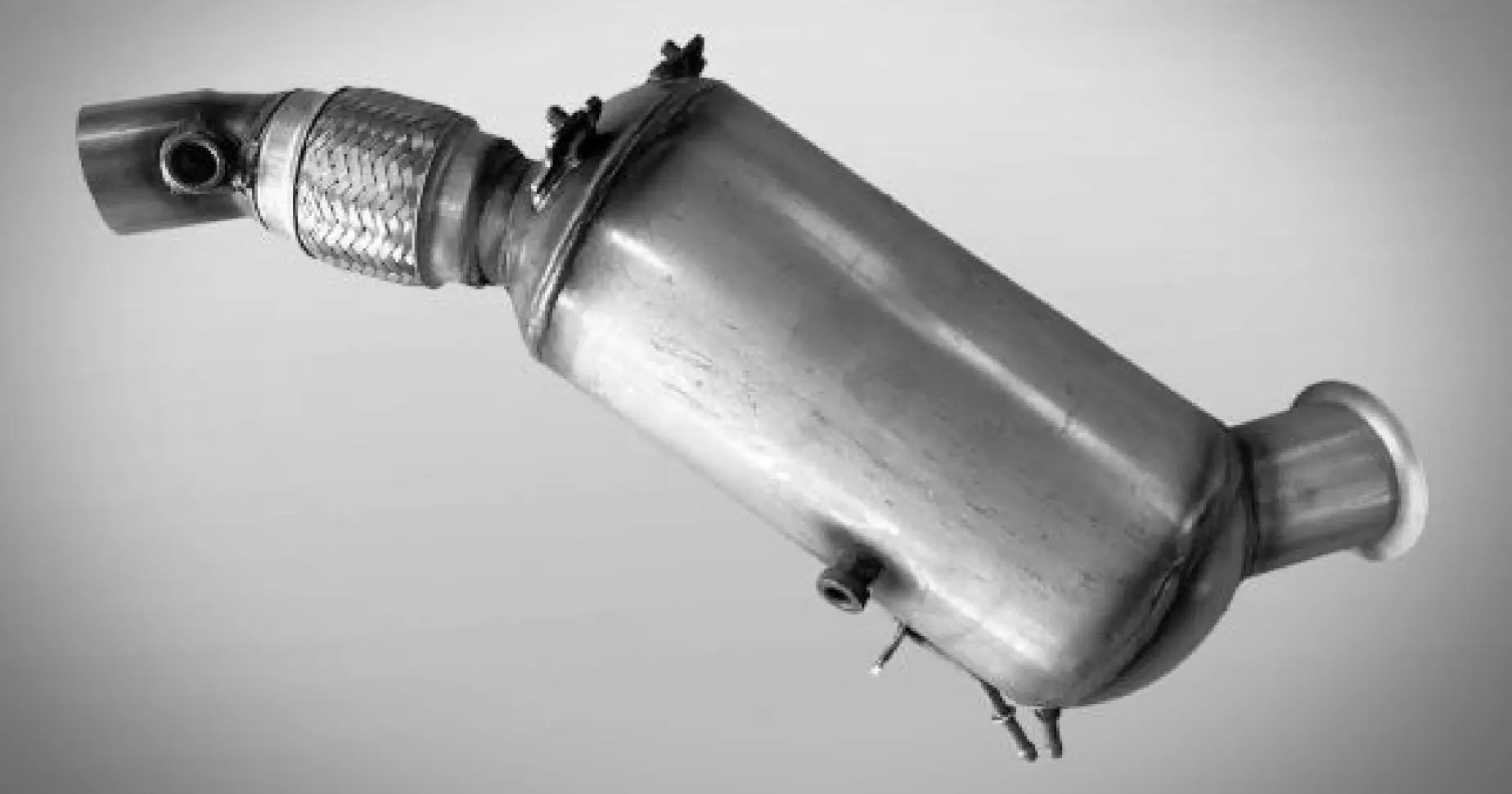
What Is A Diesel Particulate Filter?
A Diesel Particulate Filter (DPF) is an emission control device in a diesel engine’s exhaust system that traps soot and particulate matter to reduce harmful emissions. DPFs were introduced in the early 2000s to meet new emission standards, and since 2007, the EPA has required them on most new diesel trucks and heavy-duty vehicles to…
-
![Diesel Refueling Safety Bulletin [2025 Updated]](https://www.fuellogic.net/wp-content/uploads/2025/03/FL-Blog-FeatureImage-Diesel-Refueling-Safety-Bulletin-2025-Updated-bw.webp)
Diesel Refueling Safety Bulletin [2025 Updated]
To ensure diesel refueling safety, it is crucial to use personal protective equipment and proper tools, prevent tank overfilling, use approved containers, maintain ventilated areas, and check for leaks. The refueling area must be smoke-free, equipment grounded to eliminate static, and regular maintenance performed to keep all spaces clean. As we all know diesel fuel…
-
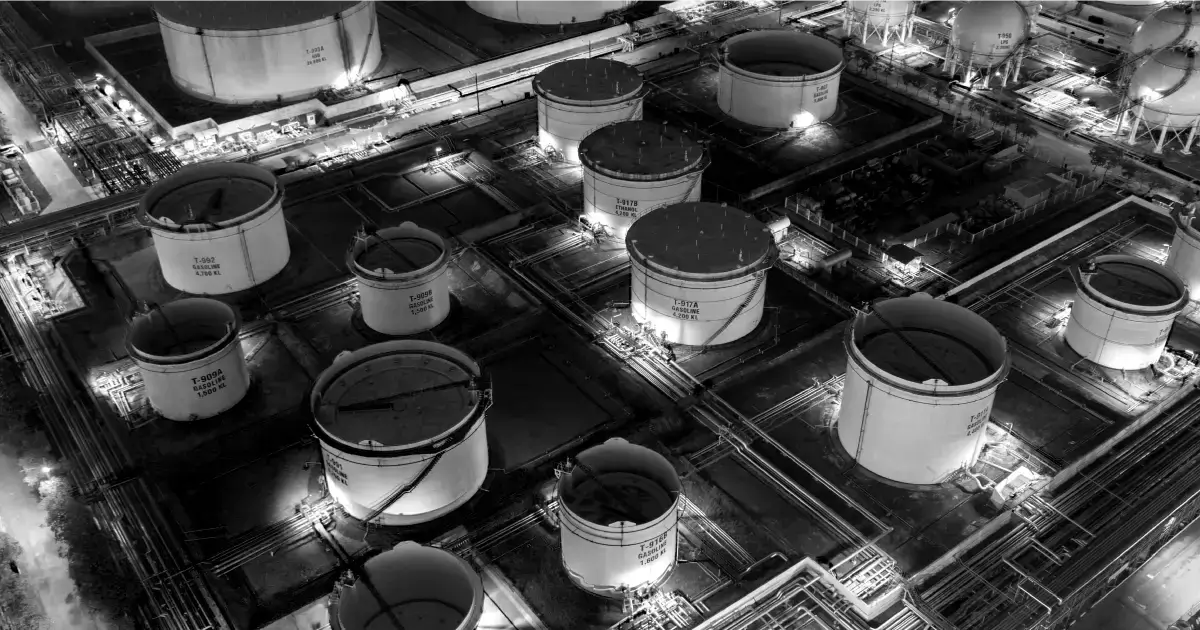
How Fuel is Made
Fuel production involves refining and blending crude oil, natural gas, coal, and biomass. As of 2024, fuel is produced through processes like crude oil extraction, fractional distillation, conversion methods such as cracking and reforming, and the blending of various components with additives to meet specific performance and quality standards. Did you know that over 80%…
-
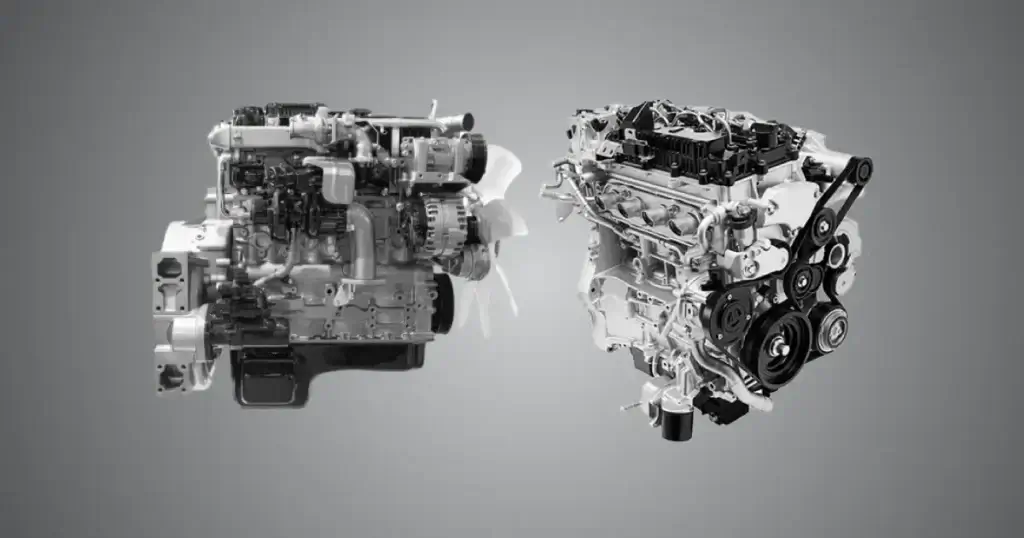
Diesel vs Gas Engines: Differences Between Gas and Diesel Engines
Diesel engines ignite fuel using high compression, while gas engines use spark plugs to ignite a gasoline-air mixture. Diesel engines produce more torque and better fuel efficiency, making them common in trucks and heavy equipment. Gas engines run quieter, accelerate faster, and are typically cheaper to purchase and maintain. Curious which is better, diesel vs…
-
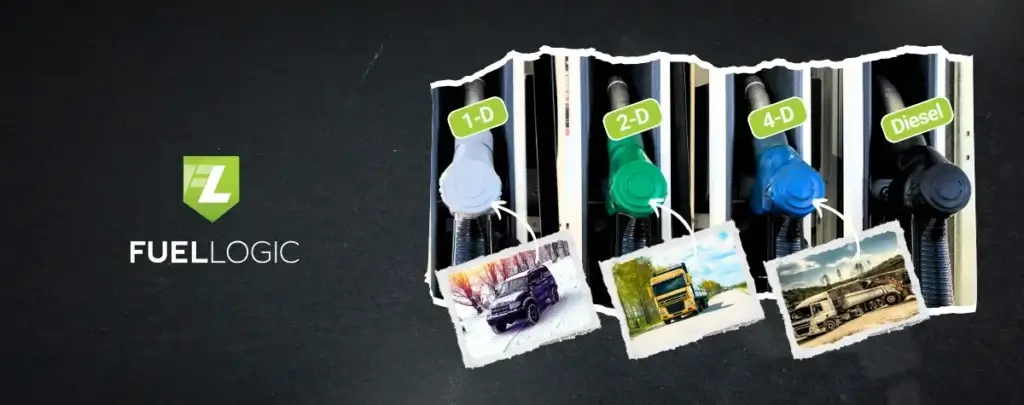
Complete Guide to Different Types of Diesel Fuel Grades
Diesel fuel is divided into three main grades: #1, #2, and #4. The difference lies in viscosity, volatility, and cetane number. #1 Diesel is thinner and ideal for cold climates, #2 is standard for most engines and warm weather, while #4 is used in heavy-duty, low-speed engines. Diesel engines are more efficient than gasoline, achieving over…
-
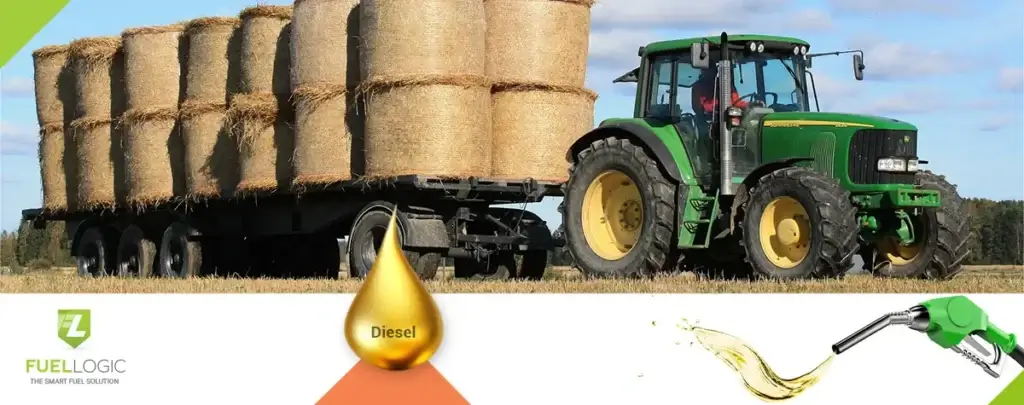
Future of Diesel Fuel in Agriculture and Other Industries
Renewable diesel blends are keeping diesel viable in agriculture and industry, offering a cleaner option as emissions rules tighten. While diesel fuel usage is projected to gradually decrease long-term, the diesel market is expected to grow, with a global diesel market size expected to reach $1,269,870 million by 2027 from $935,160 million in 2020. In…
-
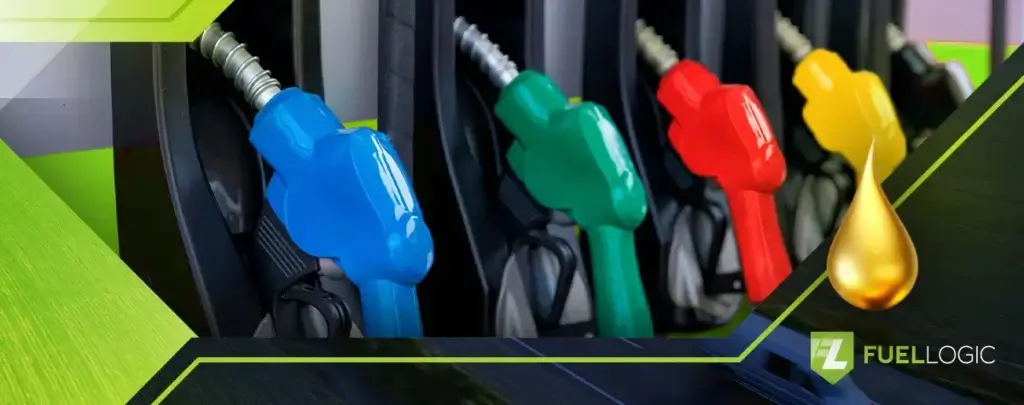
How Many Types of Diesel Fuel Are There?
Diesel fuel comes in several types based on composition and use: #1 Diesel (light, cold-weather), #2 Diesel (standard, temperate climates), Ultra-Low Sulfur Diesel (ULSD, modern vehicles), Biodiesel (renewable from fats/oils), and Off-Road Diesel (dyed, untaxed for construction/farm use). Over 70% of the freight transported in the United States relies on diesel-powered trucks. Diesel fuel is…
-
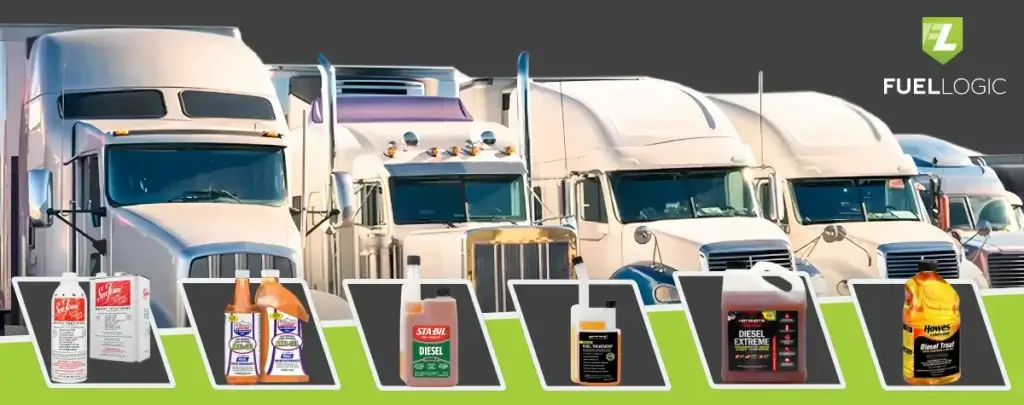
What is the Best Fuel Treatment for Diesel
Diesel fuel treatment uses specialized additives designed to improve fuel quality and engine performance by enhancing combustion, reducing emissions, preventing corrosion, increasing lubrication, and stabilizing fuel during storage. These treatments benefit both individual diesel owners and businesses with diesel fleets by extending engine life and improving efficiency. Diesel fuel treatment benefits anyone who owns or…