

Diesel
From the Blog
-

Renewable Diesel vs. Biodiesel: What’s the Difference?
Renewable diesel cuts hydrocarbon and nitrogen oxide emissions, while biodiesel reduces carbon monoxide and particulates. Renewable diesel is a drop-in fuel used in existing diesel engines without modifications, whereas biodiesel is a blend that may require infrastructure adjustments. Biodiesel is typically less expensive than renewable diesel. Several clean diesel fuels have emerged in the search…
-
Accidentally Put DEF in My Diesel Tank: What Now?
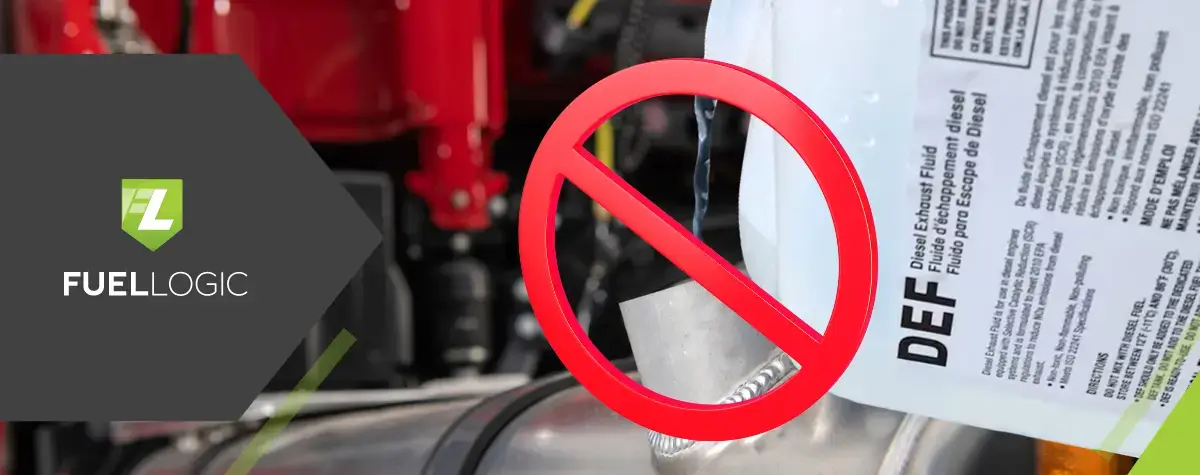
Putting Diesel Exhaust Fluid (DEF) in a diesel tank contaminates the fuel immediately. The mixture causes corrosion, clogs injectors, and damages pumps, leading to costly repairs. If this happens, do not start the engine, have the tank drained and flushed by a professional mechanic. Diesel engines power construction, farming, and heavy transport, burning large amounts…
-

Fuel Blending: Blended vs Unblended Fuels Explained
The main difference between blended and unblended fuels is that blended fuels mix different fuel types to improve emissions and cost efficiency, while unblended fuels offer higher octane and purity. Fuel blending also influences engine performance, environmental footprint, and overall cost-effectiveness. Fuel blending, the process of combining different fuels, impacts engine performance, environmental footprint, and…
-
What is DEF? How Does DEF Fluid Work in Diesel Engines
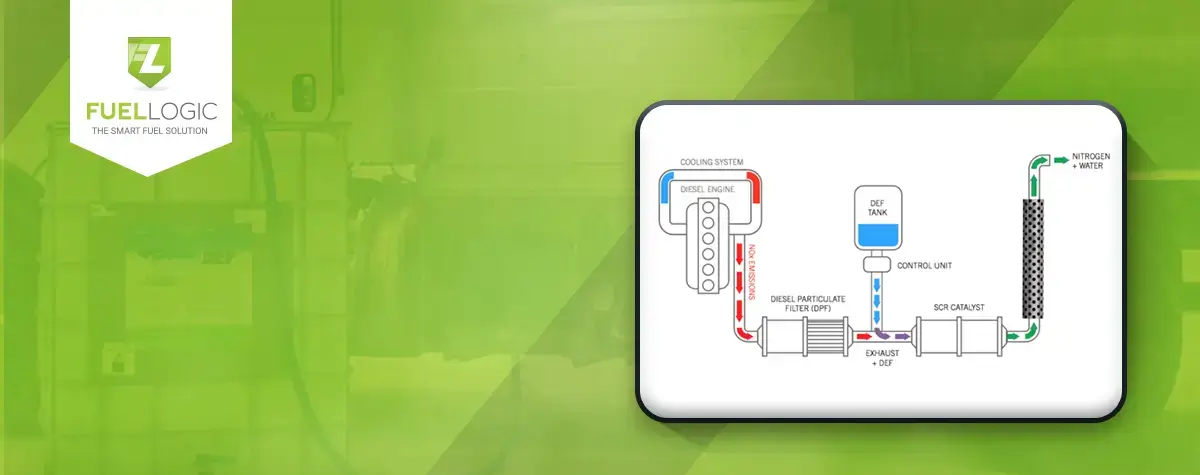
Diesel Exhaust Fluid (DEF) works by being injected into a diesel engine’s exhaust stream, where it converts into ammonia and reacts with nitrogen oxides (NOx) in the Selective Catalytic Reduction (SCR) system. This reaction transforms harmful gases into harmless nitrogen and water, reducing diesel emissions. How does DEF fluid work is crucial in understanding the…
-
How to Check Your Diesel Exhaust Fluid Level
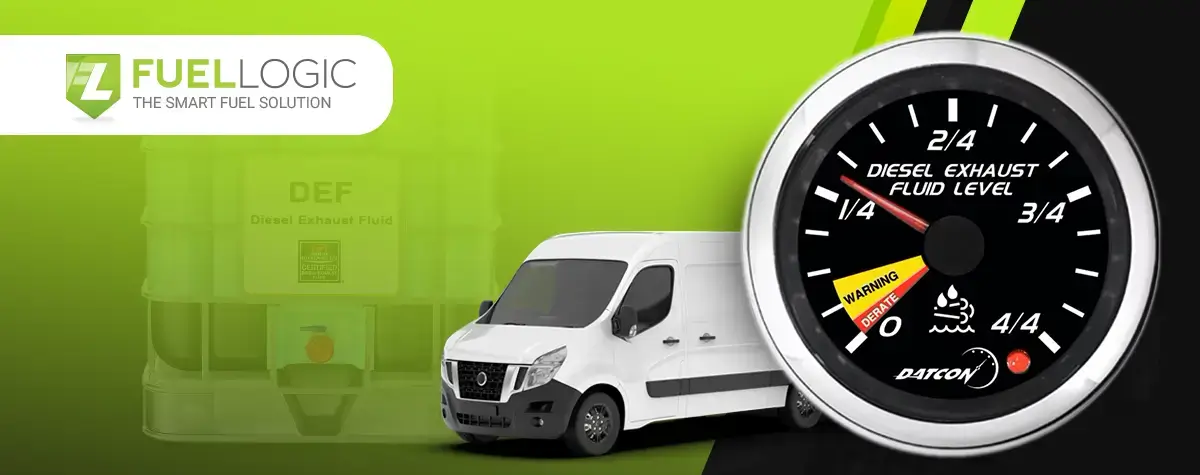
To check if your Diesel Exhaust Fluid (DEF) is low, look for a DEF warning light or message on your dashboard, or a DEF gauge near the fuel gauge. You can also visually inspect the DEF tank for minimum/maximum markings, or use a dipstick if available, to compare the level with the recommended range. Diesel…
-

Common Diesel Exhaust Fluid Problems And How To Fix Them
Common DEF system problems cause engine de-rate or limp mode. Typical issues include crystallized fluid clogging injectors, contamination from dirt or wrong fluids, freezing at low temperatures, and sensor failures. These problems, often triggered by low or poor-quality DEF, can cause faulty readings and costly SCR system damage. DEF is a key component in the…
-
Cube Style or Cylindrical Fuel Tank: What’s the difference?
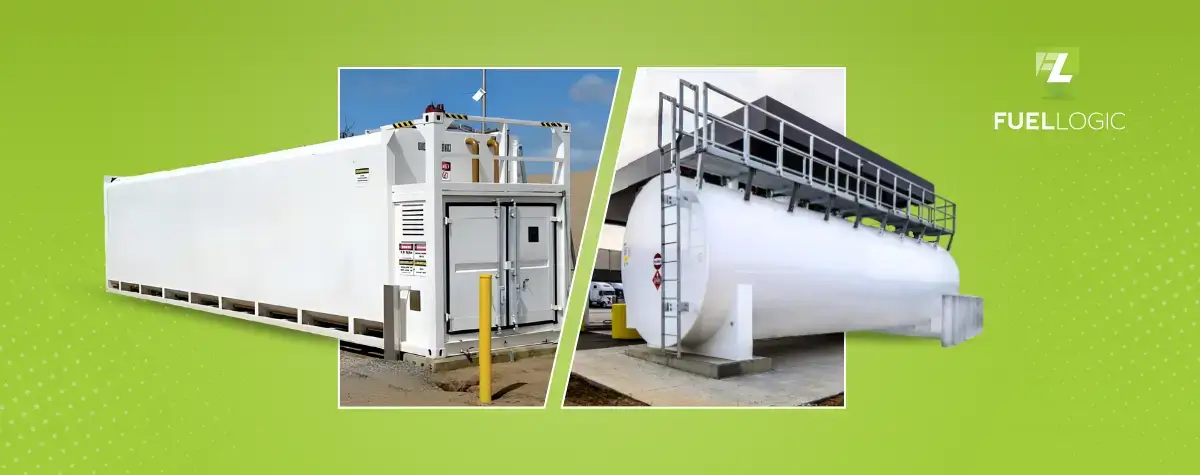
Cube fuel tanks, characterized by their cubic shape, are space-saving, stackable, and easily maneuverable with forklift pockets, often featuring enhanced security and stability. In contrast, cylindrical fuel tanks, with their traditional design, offer stability, durability, versatility in storage, and are often more cost-effective due to standardized manufacturing processes. Selecting the right fuel tank is crucial…
-

How Much Fuel Can You Transport Without a HAZMAT Endorsement?
You can transport up to 119 gallons (about 450 liters) of fuel in a single container without a HAZMAT endorsement, under USDOT’s non-bulk packaging exception. Across multiple containers, the total must remain under 1,001 pounds to avoid placarding and endorsement requirements for hazardous materials transport. You cannot carry more than a specified amount of fuel…
-
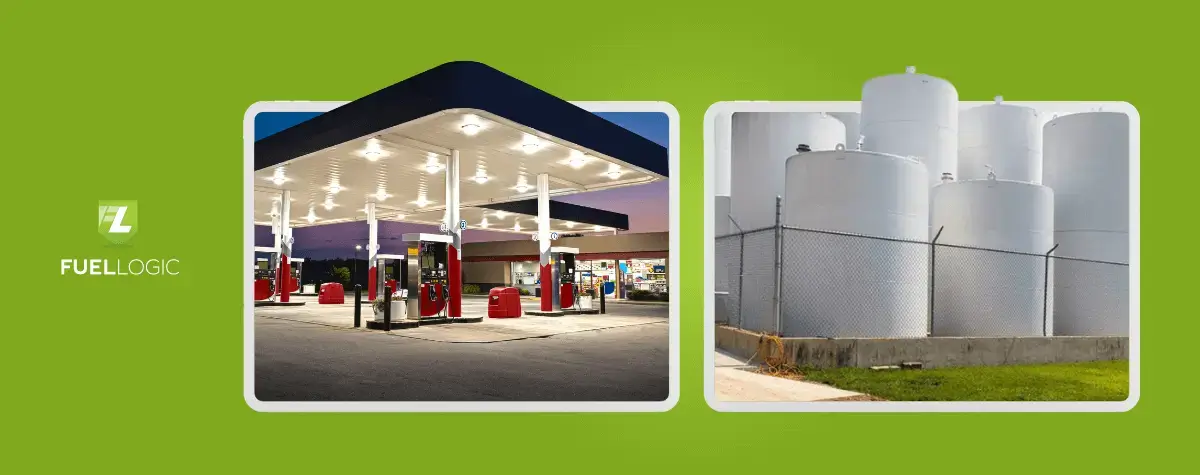
Is It Cheaper to Buy Diesel in Bulk or Retail Fuel?
Retail fuel is purchased at public gas stations for immediate use, offering convenience but higher costs. Bulk fuel is delivered to on-site storage tanks, offering lower prices, greater efficiency, and control for businesses with large fleets. The world has been dependent on fossil fuels to a greater degree recently than ever before, and so is…
-
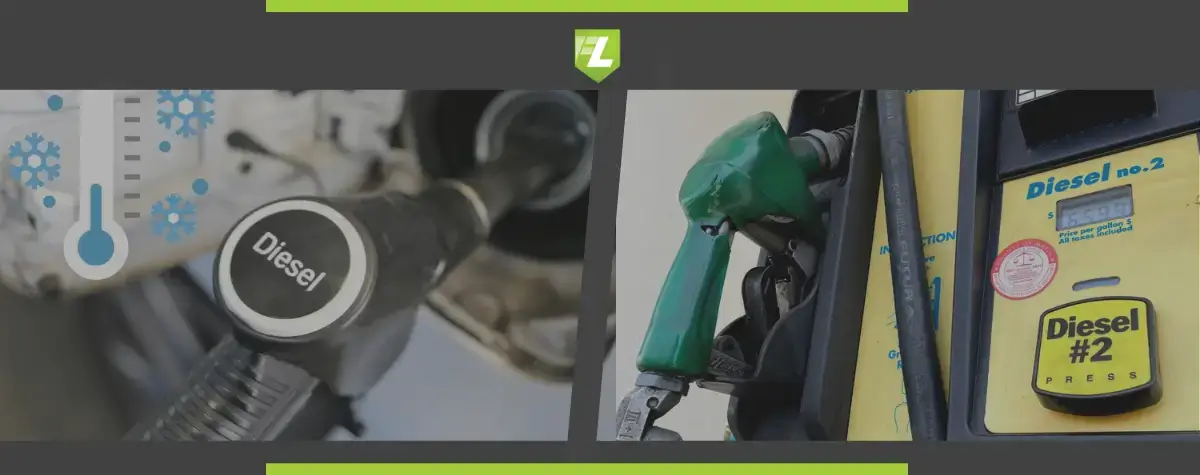
The Key Differences Between Diesel Fuel: Diesel 1 vs Diesel 2 Fuel
Diesel #1, or winter diesel, is lighter and resists gelling in freezing temperatures, making it ideal for cold climates. Diesel #2 is denser, offers better fuel efficiency and lubrication, and performs best in warm weather or heavy-duty engines. Diesel fuels come in two main types—Diesel 1 and Diesel 2. While both power diesel engines, they…