

Brandon Ward
Articles from this Author
-

Fuel Logic’s Stories from the Road: Chasing Adventure with Bugatti
Fuel Logic provided reliable fuel support for Bugatti’s Grand Tour America 2023, ensuring continuous operation for 20 Bugatti sports cars over a four-day excursion from Utah to Colorado. The company supplied 2-3 daily refuelings, adapting to various conditions including sun, rain, and snow, directly from its fuel truck. It is not every day that one…
-
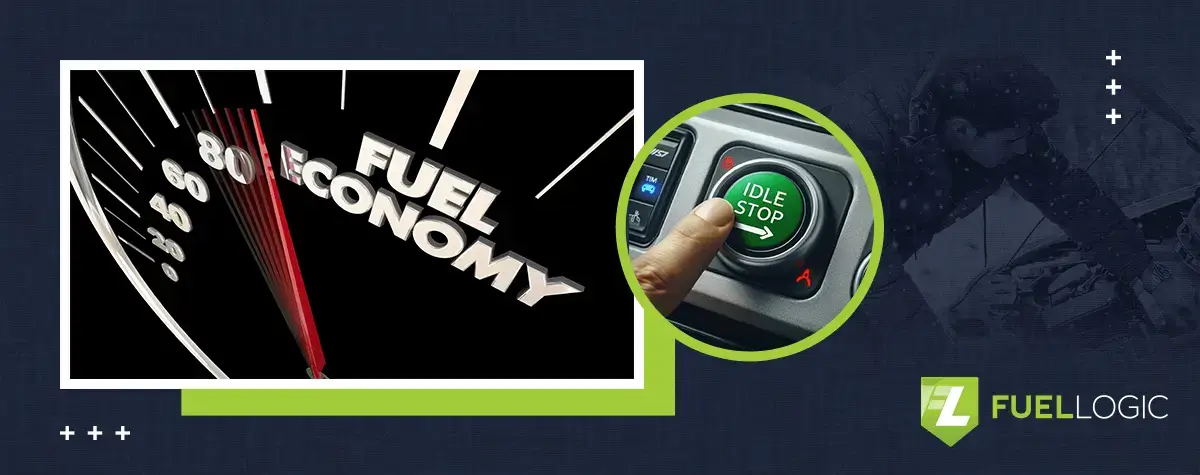
How Does Cold Weather Affect the Fuel Economy?
Cold weather decreases fuel efficiency by 10-20% due to factors like denser air increasing drag, thicker oil creating friction, and longer engine warm-up times. Additionally, colder temperatures cause tire pressure to drop and can decrease the electric-only range of hybrid and electric vehicles, thereby increasing reliance on the internal combustion engine. Cold weather can have…
-
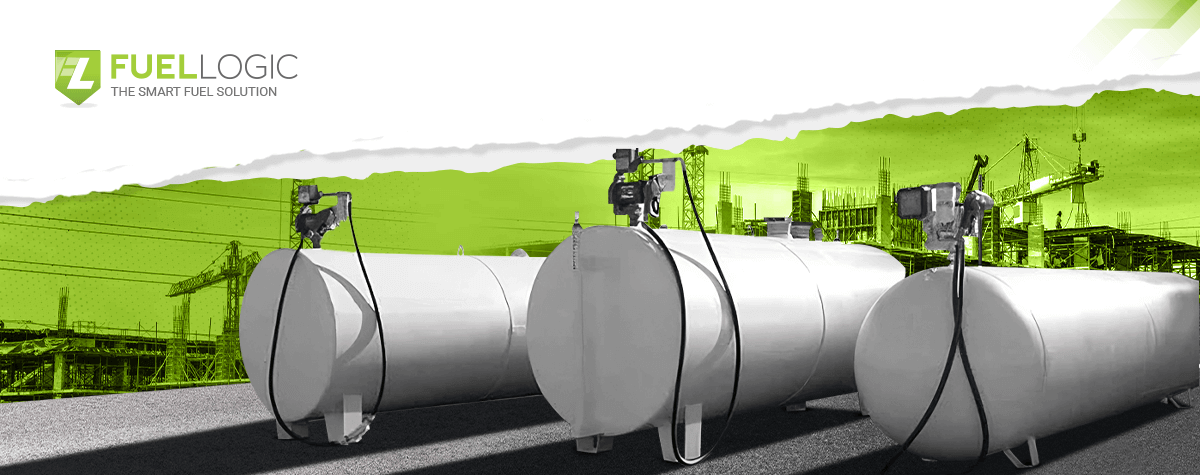
Expert Tips for Better Construction Site Fuel Storage and Safety
Construction site fuel storage requires storing fuel containers away from heat and egress areas, keeping outlet valves closed. Key practices include using approved containers, maintaining stable temperatures, securing tanks, implementing spill containment, and regularly inspecting tanks and accessories to prevent contamination and ensure safety. Fuel storage on construction sites is a critical aspect of project…
-
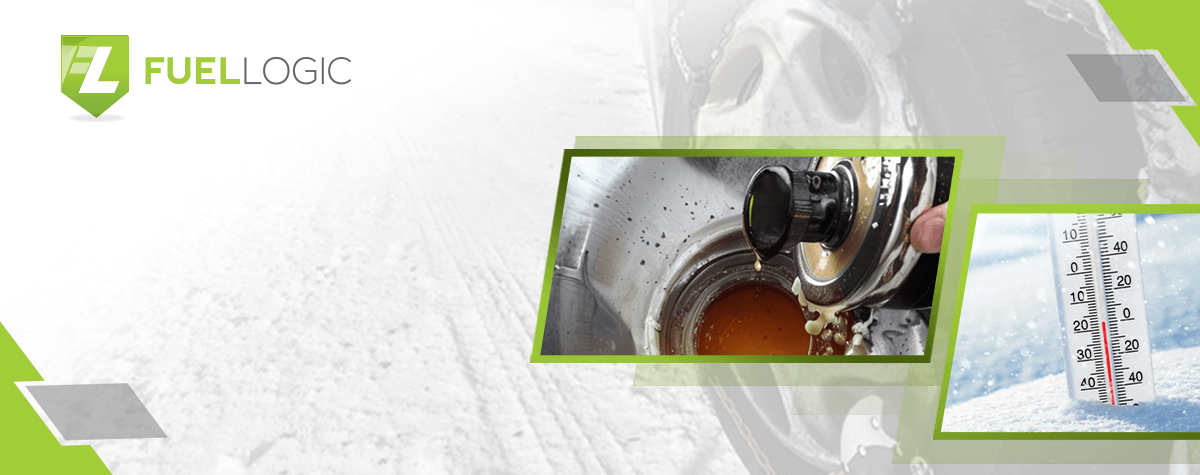
What Happens to Diesel Fuel in Cold Weather?
In cold weather, diesel fuel thickens and gels, potentially clogging fuel filters and causing engine issues, as the paraffin wax it contains solidifies into crystals. These issues can result in reduced fuel flow, engine damage, and in extremely low temperatures, the cloud point can be triggered, where wax crystals form, causing fuel cloudiness. What Happens…
-

Fuel Handling and Storage Best Practices
Fuel handling and storage best practices focus on safety, compliance, and environmental protection. Store fuel containers away from heat and emergency exits, use DOT-approved containers, and ensure secure, well-ventilated areas. Regular maintenance, leak detection, and adherence to regulations help prevent soil and water contamination and reduce fire risks. The implementation of best practices is vital…
-
How to Get Better Gas Mileage in Winter: Boost Your Fuel Efficiency
To boost winter gas mileage, drivers should maintain proper tire inflation, reduce idling, use appropriate oil, and drive smoothly, as cold weather lowers efficiency. For 2024, the BMW 330e hybrid leads with 217.3 mpg, and the Mercedes-Benz E300 De diesel also achieves 217.3 mpg, highlighting vehicle choice and maintenance for fuel efficiency in cold conditions.…
-
Safe Refueling Practices and Protocols for Fueling Safety
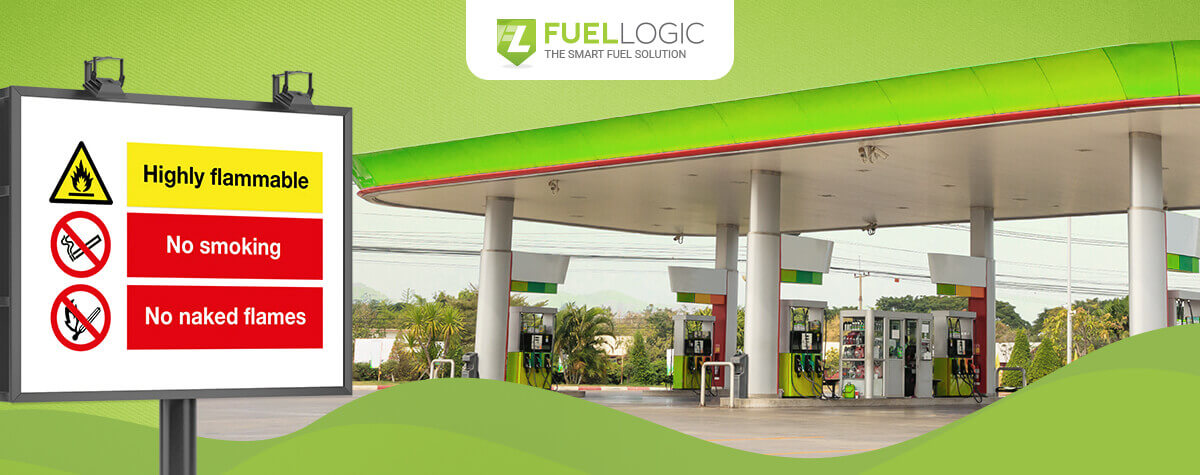
For safe refueling practices, it is crucial to turn off the engine, ground yourself, avoid smoking and using electronic devices like cell phones, ensure the area is well-ventilated, and keep a fire extinguisher nearby. Additionally, wear appropriate personal protective equipment and check for leaks before refueling. Safe Refueling Practice Guide: Protocols and Best Practices for…
-
Fuel Safety Precautions and Guidelines for Staying Safe in Handling Fuel
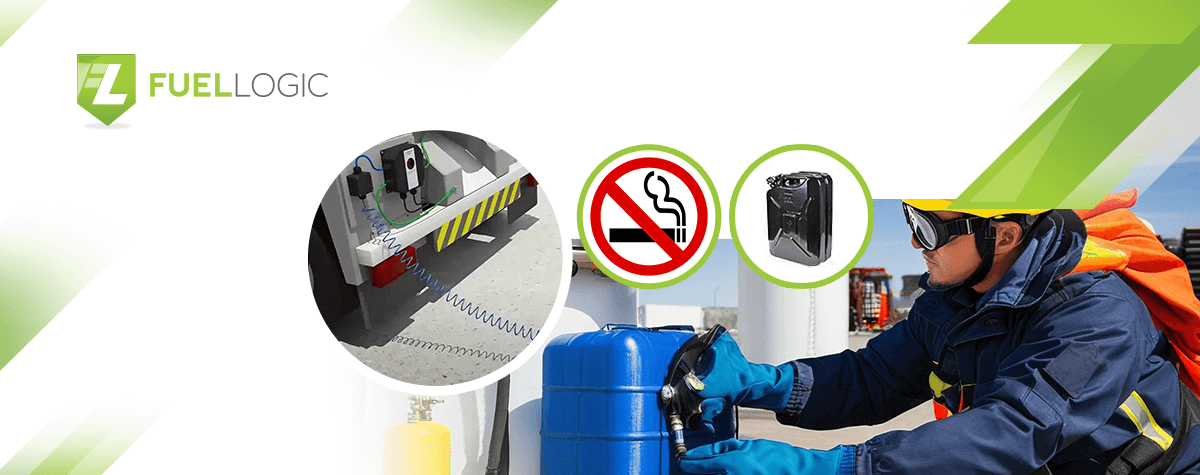
To ensure fuel safety, especially in 2024, handlers must use proper containers, prevent sparks, keep a fire extinguisher nearby, avoid ignition sources when refueling, and store fuel in approved, well-ventilated portable containers away from heat. Spills should be cleaned immediately, and skin exposed to fuel should be washed thoroughly with soap and water to prevent…
-

Maximize Fuel Economy in Cold Weather: Expert Tips for Efficiency
To maximize fuel economy in cold weather, minimizing idling, combining trips, using the correct oil, checking tire pressure, and limiting accessory use are recommended. Denser cold air, prolonged engine warm-up, additional power usage, reduced tire pressure, increased aerodynamic resistance, and challenging road conditions all decrease fuel economy. Proven Ways to Improve Fuel Economy in Cold…
-
Benefits Of Having A Reefer Truck For Your Business
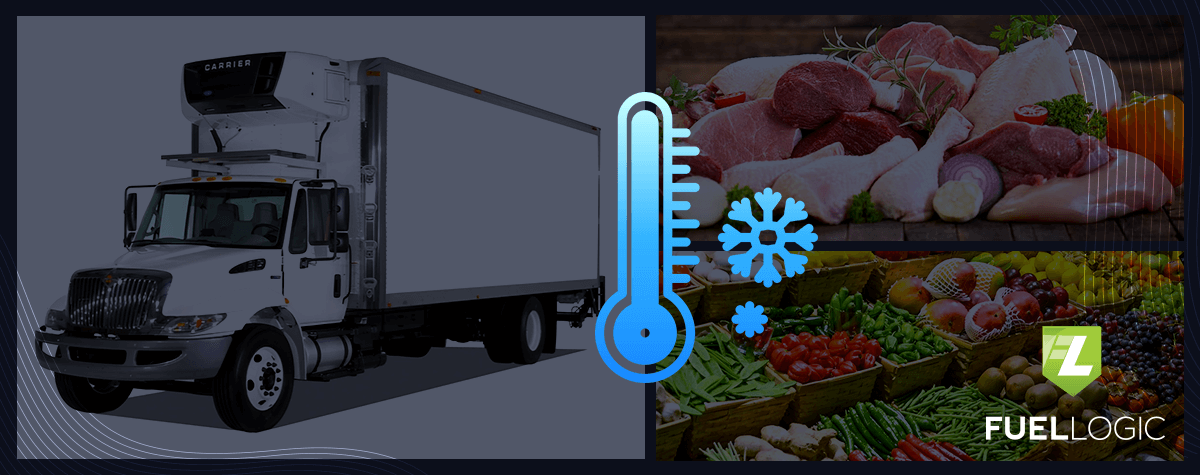
Refrigerated trucking, or reefer trucks, are vital for maintaining temperature control to preserve perishable goods, extending shelf life, and reducing waste. As of the most recent data (December 9, 2025 modified date), these trucks feature insulated walls, refrigeration units, real-time temperature monitoring, and humidity control to protect sensitive cargo like meat, dairy, pharmaceuticals, and delicate…