

Brandon Ward
Articles from this Author
-
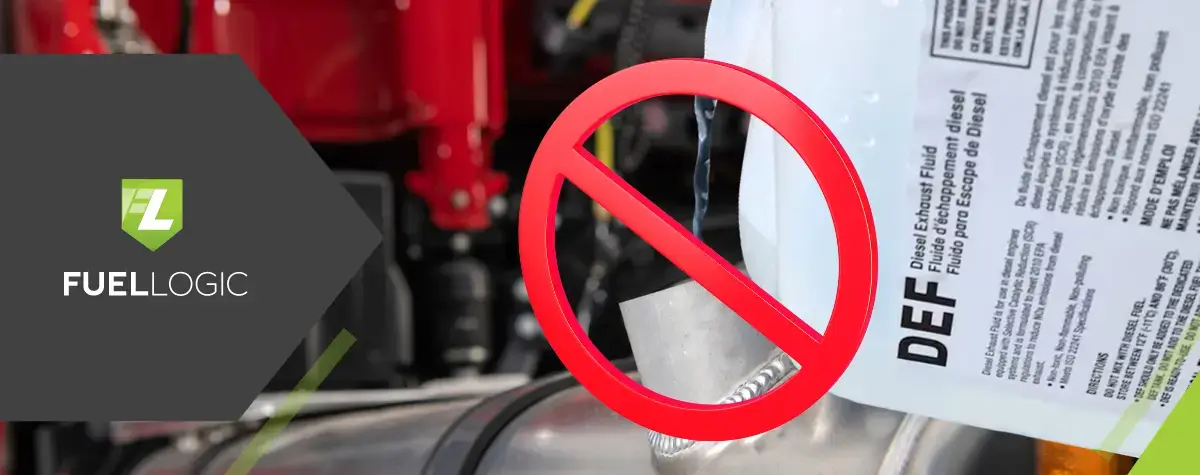
Accidentally Put DEF in My Diesel Tank: What Now?
Putting Diesel Exhaust Fluid (DEF) in a diesel tank contaminates the fuel immediately. The mixture causes corrosion, clogs injectors, and damages pumps, leading to costly repairs. If this happens, do not start the engine, have the tank drained and flushed by a professional mechanic. Diesel engines power construction, farming, and heavy transport, burning large amounts…
-

Fuel Logic’s Stories from the Road: Generating Super Bowl LVIII Buzz in Las Vegas
During Super Bowl LVIII in Las Vegas, Fuel Logic partnered with Saunders Electric to ensure uninterrupted power for Media Row at the Mandalay Bay Convention Center, providing mobile fuel delivery to sites like the MGM Grand and Resorts World for mega Super Bowl parties. Few will deny that 2024 brought with it one of the…
-
Water in Gas Tank Symptoms and Solutions Explained
Water in a gas tank causes rough idling, hesitation, or jerking when accelerating. You may notice hard starts, stalling, or reduced power soon after refueling. The check engine light might also turn on due to misfires or fuel contamination. Working with vehicle owners, fleets, and businesses across the US, we often see the same problem:…
-

Fuel Blending: Blended vs Unblended Fuels Explained
The main difference between blended and unblended fuels is that blended fuels mix different fuel types to improve emissions and cost efficiency, while unblended fuels offer higher octane and purity. Fuel blending also influences engine performance, environmental footprint, and overall cost-effectiveness. Fuel blending, the process of combining different fuels, impacts engine performance, environmental footprint, and…
-
What Is Quality Fuel and Why Is It Important?
Quality fuel adheres to strict standards, ensuring efficiency, low emissions, and engine longevity by being free of contaminants and having high energy content. It meets specific standards and specifications, has a high octane or cetane number, and is crucial for consistent machinery performance, minimizing downtime, and maximizing productivity. From gasoline to diesel, fuel quality plays a…
-
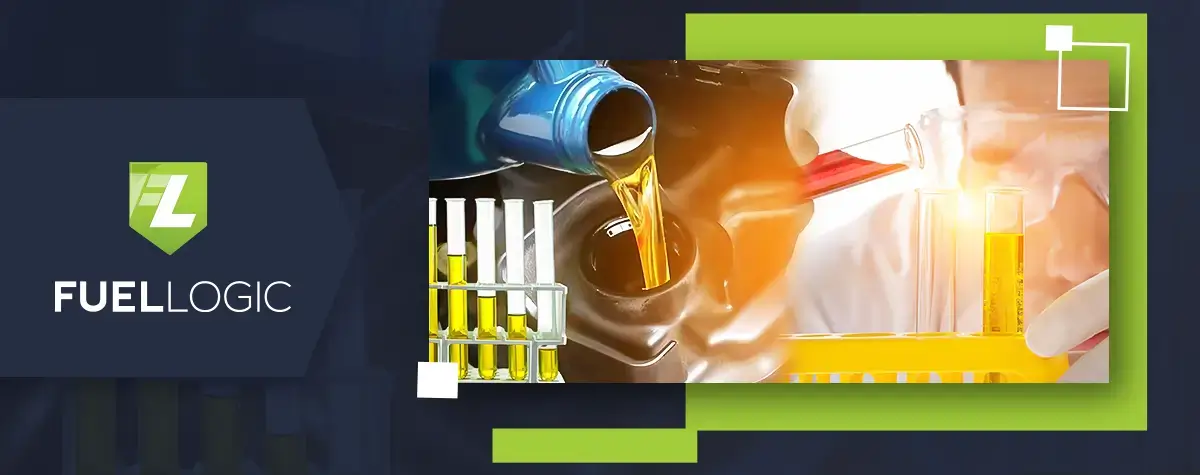
How To Test Diesel Fuel Quality and How To Do Diesel Fuel Test To Detect Contamination in your Tank
Diesel fuel quality testing, crucial for protecting engines and ensuring efficient performance, involves measuring the cetane number, sulfur content, density, distillation, and contamination levels like water and sediment. These tests help maintain engine longevity, reduce emissions, and prevent equipment damage, with compliance to ASTM D975 standards ensuring reliability and safety. Diesel fuel is vital in…
-

What Are The Benefits of Emergency Fuel Services?
Emergency fuel services provide on-demand fuel during shortages, ensuring businesses and essential services remain operational, offering a solid backup plan and reducing downtime. These services allow equipment and vehicles to be refueled wherever needed, minimize disruptions with quick response times and 24/7 availability, and enhance safety and security. They primarily deliver on-road diesel, gasoline, and…
-
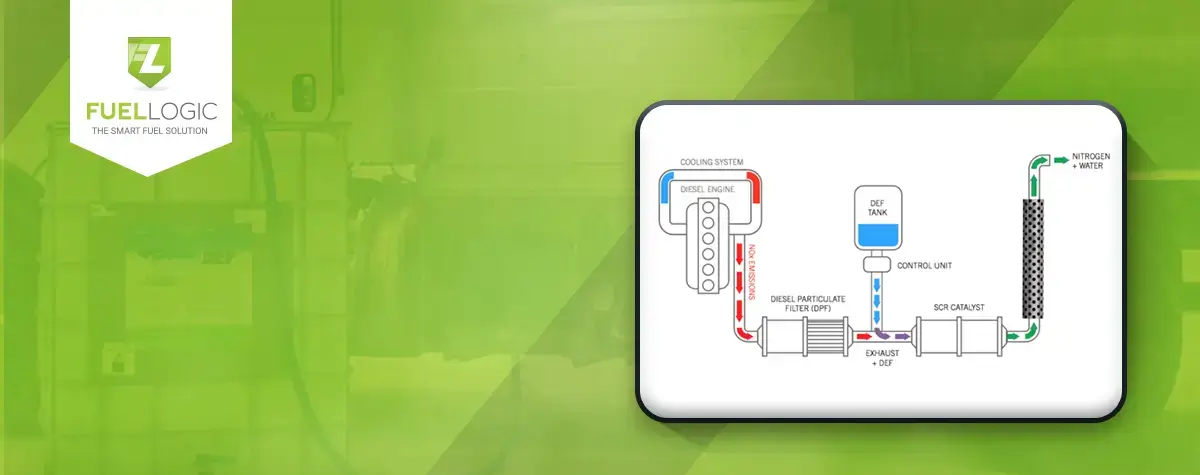
What is DEF? How Does DEF Fluid Work in Diesel Engines
Diesel Exhaust Fluid (DEF) works by being injected into a diesel engine’s exhaust stream, where it converts into ammonia and reacts with nitrogen oxides (NOx) in the Selective Catalytic Reduction (SCR) system. This reaction transforms harmful gases into harmless nitrogen and water, reducing diesel emissions. How does DEF fluid work is crucial in understanding the…
-
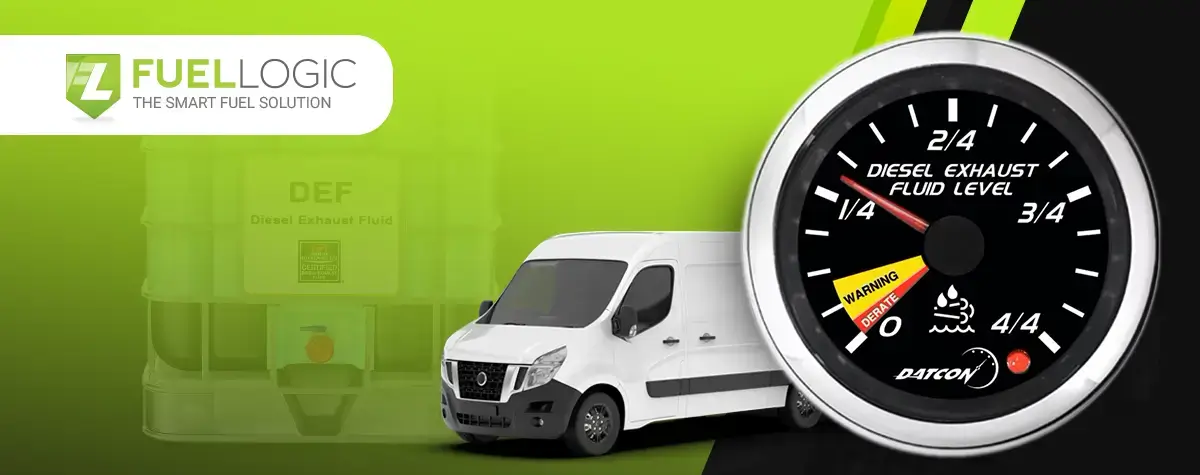
How to Check Your Diesel Exhaust Fluid Level
To check if your Diesel Exhaust Fluid (DEF) is low, look for a DEF warning light or message on your dashboard, or a DEF gauge near the fuel gauge. You can also visually inspect the DEF tank for minimum/maximum markings, or use a dipstick if available, to compare the level with the recommended range. Diesel…
-

Is All Diesel Exhaust Fluid (DEF) the Same?
All Diesel Exhaust Fluid (DEF) that meets ISO 22241 specifications is chemically identical, 32.5% high-purity urea and 67.5% deionized water. Certified DEF brands perform the same in your Selective Catalytic Reduction (SCR) system, with differences only appearing from poor storage, contamination, or lack of certification. So, is all DEF fluid the same? Essentially, all DEF…