

Brandon Ward
Articles from this Author
-
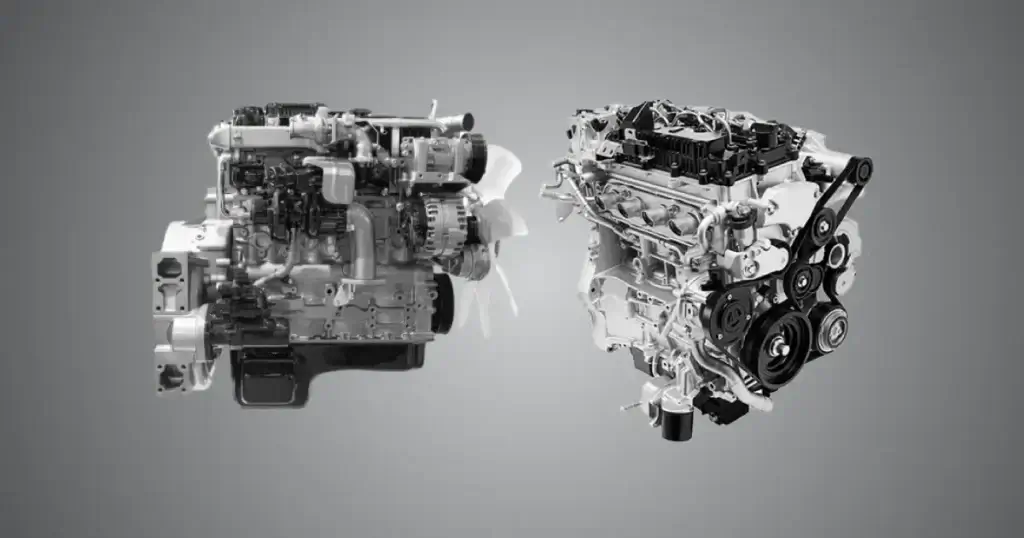
Diesel vs Gas Engines: Differences Between Gas and Diesel Engines
Diesel engines ignite fuel using high compression, while gas engines use spark plugs to ignite a gasoline-air mixture. Diesel engines produce more torque and better fuel efficiency, making them common in trucks and heavy equipment. Gas engines run quieter, accelerate faster, and are typically cheaper to purchase and maintain. Curious which is better, diesel vs…
-
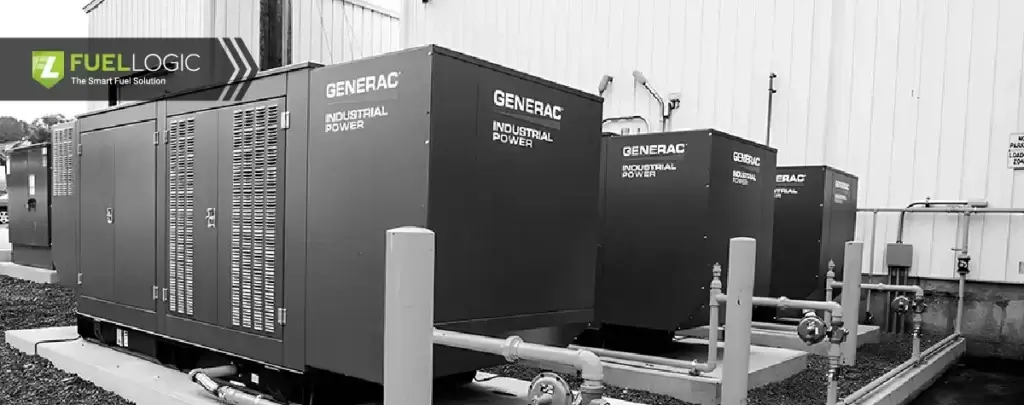
Top 5 Generator Fuel Mistakes and How to Avoid Them
Common generator fuel mistakes include using the wrong fuel type, ignoring storage guidelines, underestimating fuel consumption, refueling a hot generator, and neglecting fuel system maintenance. Avoiding these mistakes helps ensure generator reliability, prevent damage, and extend equipment lifespan. Suppose a natural disaster or a calamity hits, cutting off power to your business premises. Your diesel…
-

Fuel Logic’s Stories from the Road: Powering ‘BAZZAR’ Magic Under Cirque du Soleil’s Big Top
Source: Cirque du Soleil Bazzar In 2024, Fuel Logic provided 20,000 to 24,000 gallons of fuel monthly, or 4,000 to 5,000 gallons weekly, for Cirque du Soleil’s BAZZAR North American tour, delivering bulk fuel three to four times a week to on-site tanks for generators and equipment. When soaring blue and white striped tents –…
-
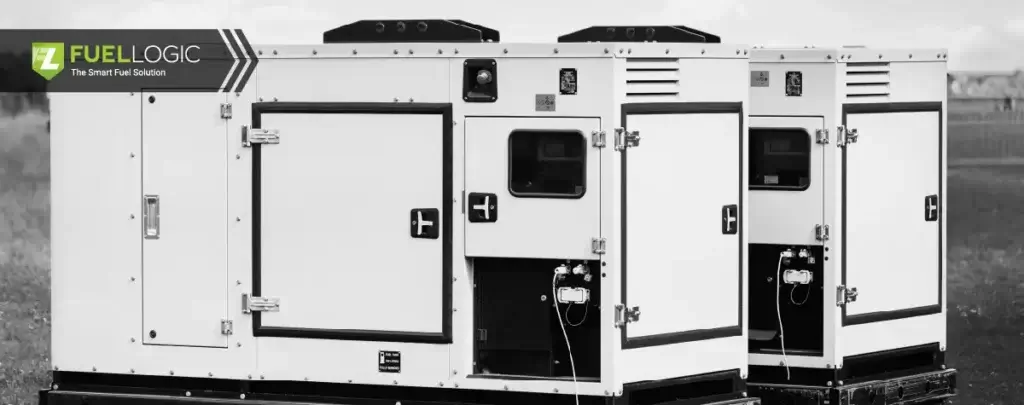
Can You Run A Generator 24/7? Tips for Keeping Your Generator Running Longer
To keep a generator running 24/7 and extend its lifespan, consistent maintenance is crucial; this includes changing oil and filters, checking for leaks, cleaning the unit, and testing the battery. The U.S. generator sales market was valued at $6.10 billion in 2023, with a projection to reach $10.26 billion by 2032. Did you know the…
-
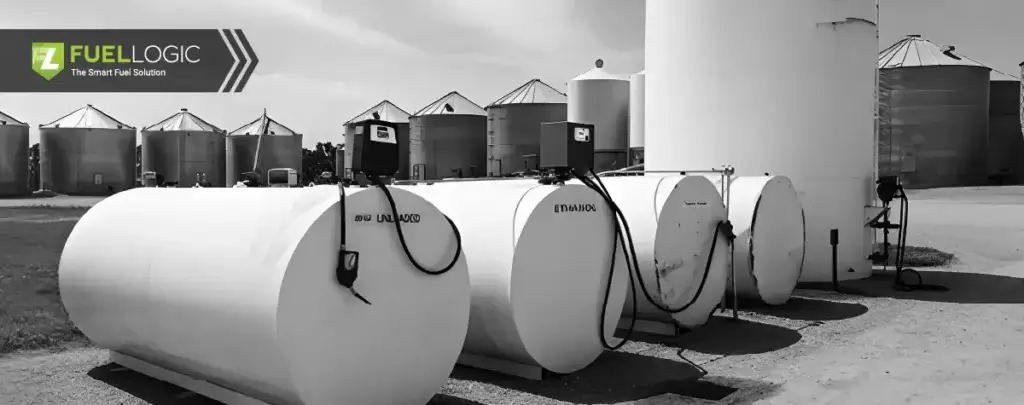
Common Fuel Tank Problems and How to Fix Them
Common fuel tank problems include rust, sediment buildup, leaks, and faulty sending units that affect gauge accuracy. These issues can cause engine hesitation, poor fuel economy, and strong fuel odors. Regular inspection, cleaning, and using fuel additives help prevent costly repairs and ensure safety. Picture yourself driving on a highway and suddenly being stranded due…
-
Top Tips For Using Summer Blend Gasoline Efficiently
To use summer blend gasoline efficiently in 2024, maintain proper tire pressure, perform regular vehicle maintenance including oil changes every 3,000 to 5,000 miles and spark plug replacements every 30,000 to 100,000 miles, and use the recommended grade of motor oil. Additionally, drive smoothly, reduce excess weight, minimize air conditioning use, plan and combine trips,…
-
Why Portable Diesel Generators Are Vital for Remote Worksites
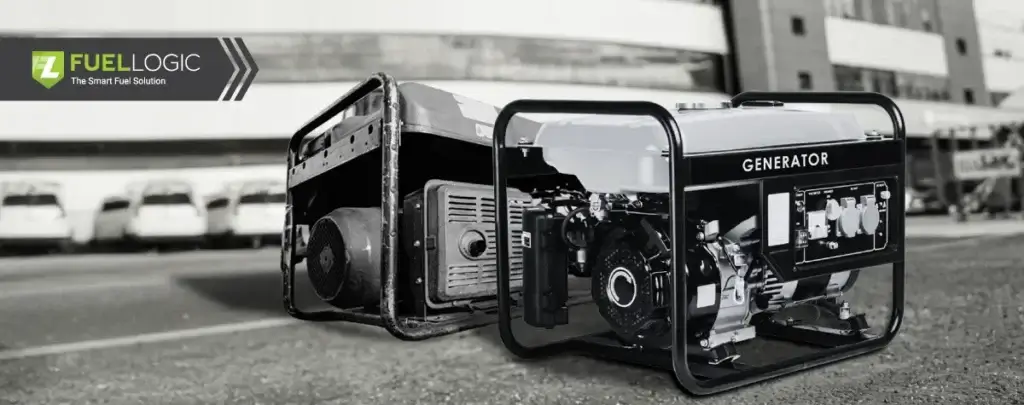
Portable diesel generators are vital for remote worksites, ensuring continuous operations by providing reliable power in areas without conventional electricity grids. These mobile units convert diesel fuel into electrical energy, supporting tools, machinery, and essential systems. Their robust design and high fuel efficiency ensure a reliable power supply, minimizing delays and maintaining smooth operations, especially…
-
Different Types of Diesel Fuel Grades
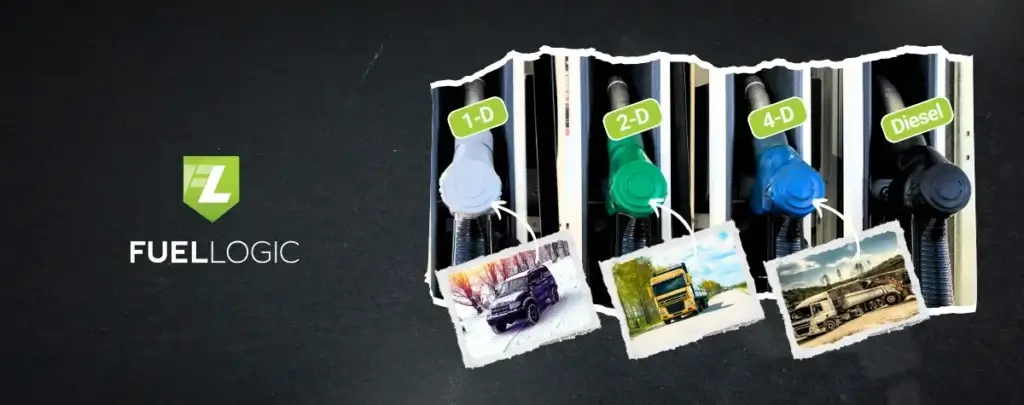
Diesel fuel is divided into three main grades: #1, #2, and #4. The difference lies in viscosity, volatility, and cetane number. #1 Diesel is thinner and ideal for cold climates, #2 is standard for most engines and warm weather, while #4 is used in heavy-duty, low-speed engines. Diesel engines are more efficient than gasoline, achieving over…
-

What Is Recreational Fuel (REC-90) and How Is It Different from Regular Gasoline?
Recreational fuel, or REC-90, is a high-octane, ethanol-free gasoline for small engines, boats, ATVs, snowmobiles, and classic cars. Its ethanol-free formula prevents moisture damage, phase separation, and carburetor problems, making it ideal for engines that remain idle for long periods. Higher ethanol gasoline blends harm the environment, causing air pollution and reducing fuel efficiency. Many…
-
What Are The OSHA Diesel Fuel Storage Regulations?
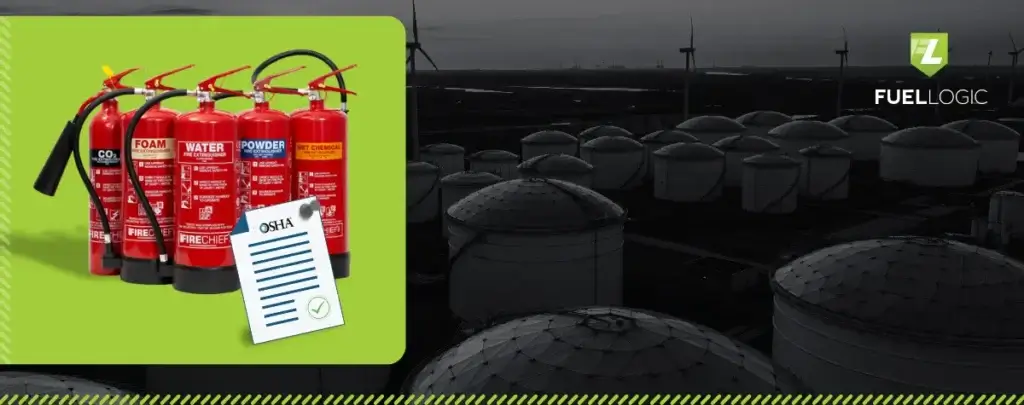
OSHA mandates storing fuel in approved containers or tanks designed for flammable liquids, with quantities exceeding 25 gallons requiring fire-resistant cabinets, as stated in 2024. Fuel storage areas must be well-ventilated, free from ignition sources, and equipped with a fire extinguisher rated at least 10B within 50 feet of fuel use. How do I comply…