

Brandon Ward
Articles from this Author
-
Future of Diesel Fuel in Agriculture and Other Industries
Renewable diesel blends are keeping diesel viable in agriculture and industry, offering a cleaner option as emissions rules tighten. While diesel fuel usage is projected to gradually decrease long-term, the diesel market is expected to grow, with a global diesel market size expected to reach $1,269,870 million by 2027 from $935,160 million in 2020. In…
-
How Many Types of Diesel Fuel Are There?
Diesel fuel comes in several types based on composition and use: #1 Diesel (light, cold-weather), #2 Diesel (standard, temperate climates), Ultra-Low Sulfur Diesel (ULSD, modern vehicles), Biodiesel (renewable from fats/oils), and Off-Road Diesel (dyed, untaxed for construction/farm use). Over 70% of the freight transported in the United States relies on diesel-powered trucks. Diesel fuel is…
-

How Can I Find An Off Road Diesel Fuel Near Me?
You can find off-road diesel near you at commercial cardlock fueling stations or through mobile fuel delivery providers like Fuel Logic. Many locations require a fleet card, while delivery services bring dyed diesel directly to your equipment, ideal for job sites and remote operations. Off-road diesel fuel stands as a backbone in industries that depend…
-
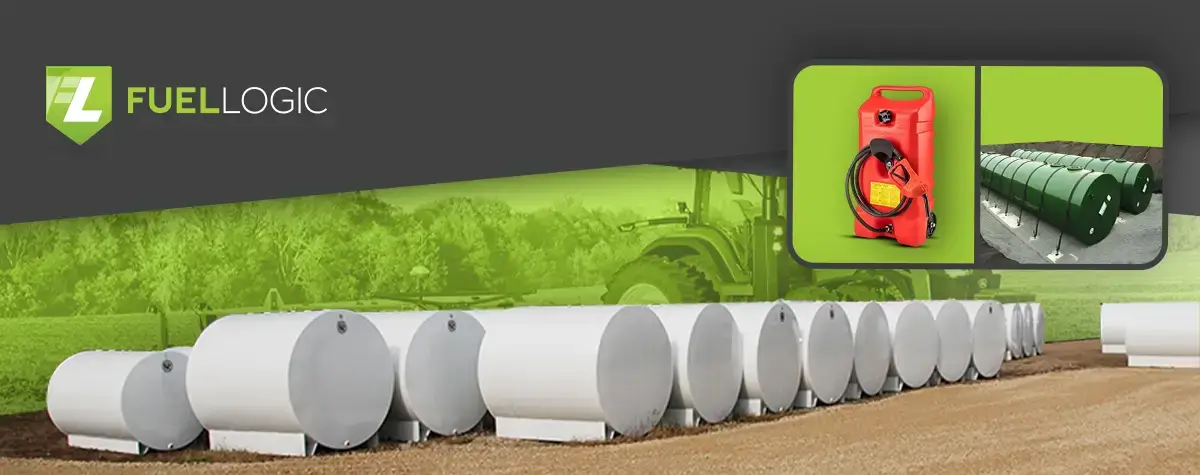
What Are The Different Types of Fuel Storage Tanks For Farms?
Farms utilize above-ground, underground, and portable fuel storage tanks made from steel, fiberglass, or plastic. These tanks are crucial for storing diesel, gasoline, and other fuels for agricultural machinery. Regulations from OSHA and the EPA, including the SPCC Plan for farms storing over 2,500 gallons, govern their safe use and environmental protection. As the demand…
-
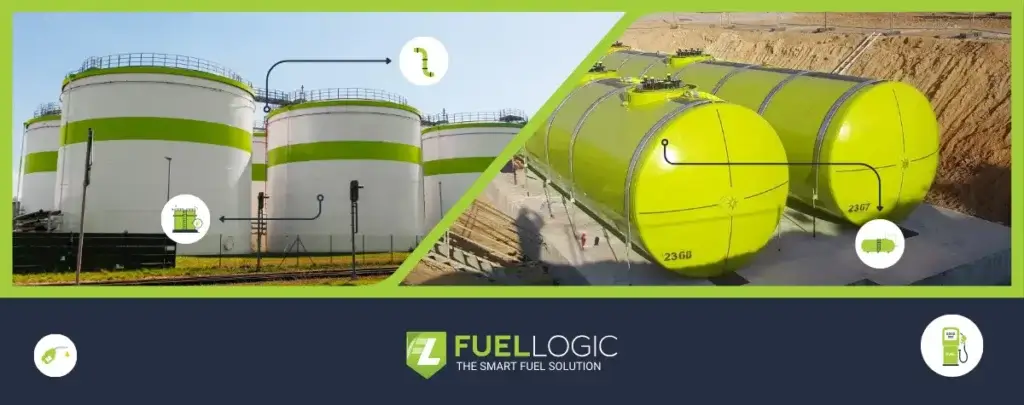
Above Ground vs Underground Fuel Storage Tanks
Above ground (AST) and underground storage tanks (UST) differ in cost, installation, maintenance, and environmental risk. ASTs are easier to install and inspect, while USTs save space and offer better aesthetics. However, USTs typically require higher installation costs and more complex monitoring systems. Fuel storage tanks play a crucial role in various industries, serving as…
-
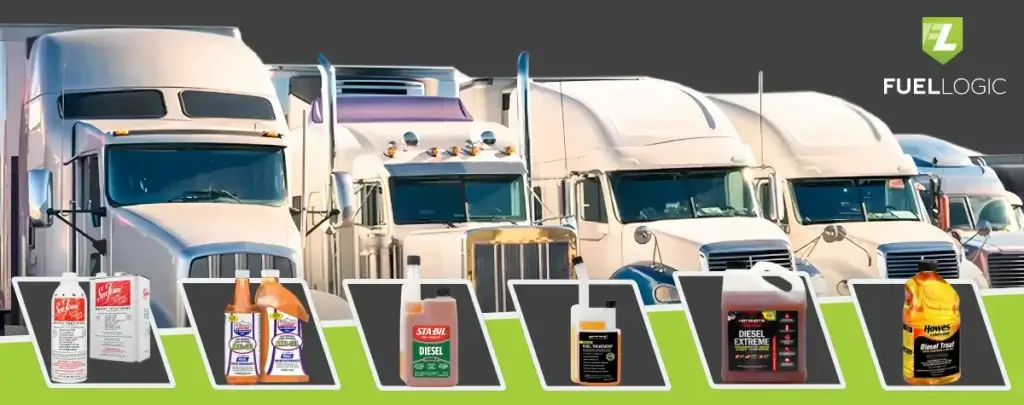
What is the Best Fuel Treatment for Diesel
Diesel fuel treatment uses specialized additives designed to improve fuel quality and engine performance by enhancing combustion, reducing emissions, preventing corrosion, increasing lubrication, and stabilizing fuel during storage. These treatments benefit both individual diesel owners and businesses with diesel fleets by extending engine life and improving efficiency. Fuel treatment for diesel offers benefits to anyone…
-

What Is Cardlock Fueling and How Does It Work?
Cardlock fueling is an automated, secure fueling system for commercial fleets. It allows authorized drivers to refuel 24/7 at unattended stations using fuel cards instead of cash or attendants, helping businesses control costs, track fuel usage, and minimize downtime with faster, high-volume dispensers. Fueling costs is the biggest financial cost for commercial fleets. Fluctuating prices…
-

Stories From The Road: Fuel Logic Delivers Emergency Fuel When Minutes Matter
Fuel Logic plays a critical emergency response role by delivering mobile fuel to power generators, hospitals, businesses, and relief efforts during and after extreme 2024 weather, including torrential rainfall in California, tornadoes in the Midwest, and severe storms in the Northeast and Mid-Atlantic. It is impossible to know when, where, or how, but it’s a…
-

Everything You Need To Know About Renting a Generator
Renting a generator offers flexibility without long-term commitment. Consider factors like power requirements, fuel type, runtime, noise level, and delivery. It’s ideal for short-term or occasional use, avoiding the high costs of purchasing and maintenance, with daily rental rates ranging from $50-$100 for small units to several hundred dollars for larger generators. Generators keep the…
-
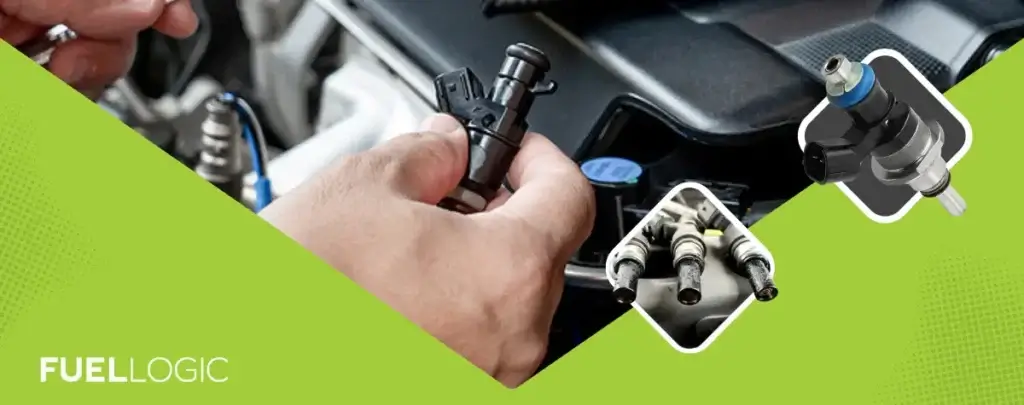
Fuel System Cleaning: What It Is, What It Costs & When You Need It
Fuel system cleaning is the process of removing carbon deposits, dirt, and contaminants from your fuel injectors, fuel lines, intake valves, and combustion chamber. Most vehicles need it every 30,000 to 60,000 miles, or sooner if you notice rough idling, hesitation during acceleration, or a drop in fuel efficiency. Professional service typically costs between $100…