

Brandon Ward
Articles from this Author
-
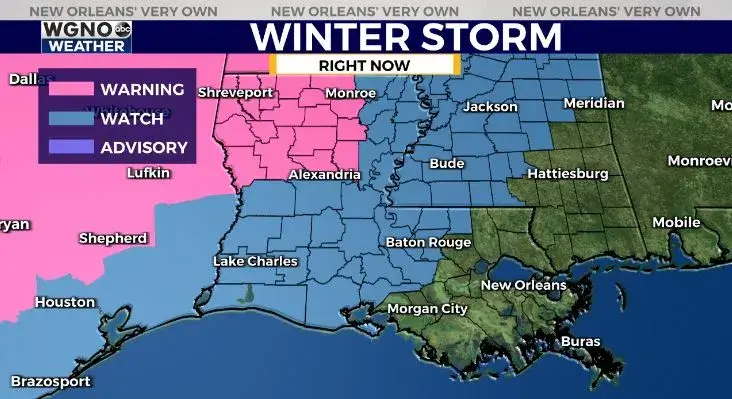
Winter Storm Warning and Watch in effect for portions of Louisiana!
PRESS RELEASE Fuel Logic Issues Urgent Preparedness Advice as Winter Storm Targets Louisiana January 20, 2025 As a significant winter storm looms over Louisiana, Fuel Logic, a nationwide fuel delivery company with experience in disaster response, urges residents and businesses to take immediate action to prepare for potential fuel shortages and infrastructure challenges. Act Now:…
-
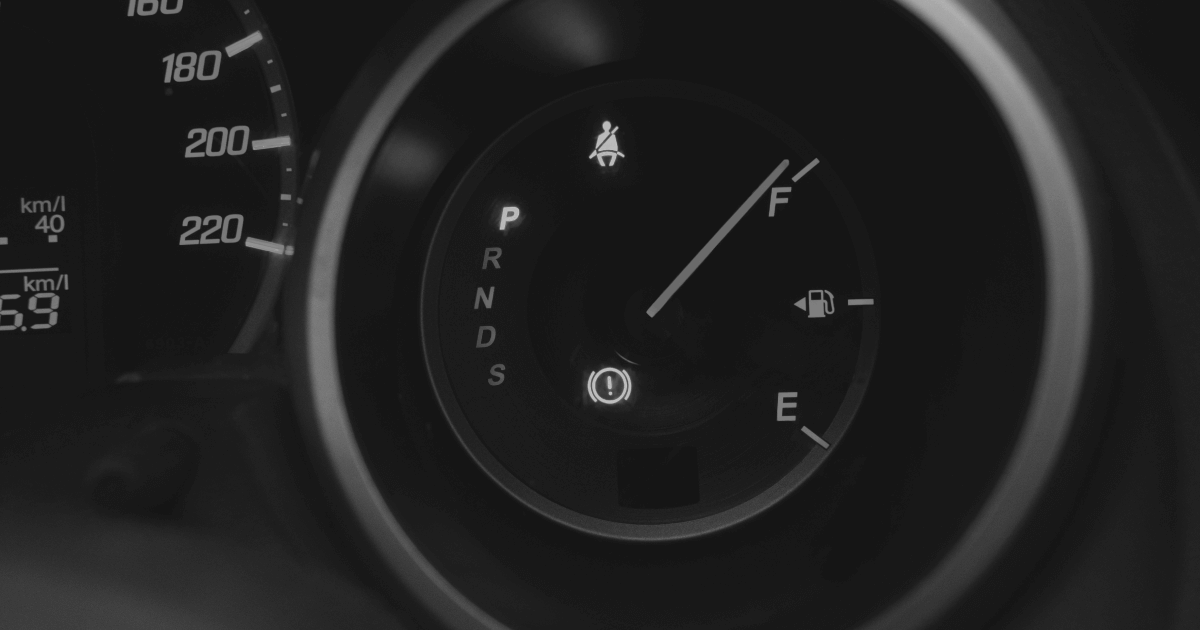
The Hidden Dangers of Poor Fuel Efficiency on Your Budget
Poor fuel efficiency increases fuel and maintenance costs, shortens vehicle lifespan, and harms the environment. Only 12% to 30% of conventional vehicle fuel energy powers the vehicle, with the rest lost to drivetrain inefficiencies and accessories, contributing to higher greenhouse gas emissions and air pollution. Did you know that only 12% to 30% of the…
-
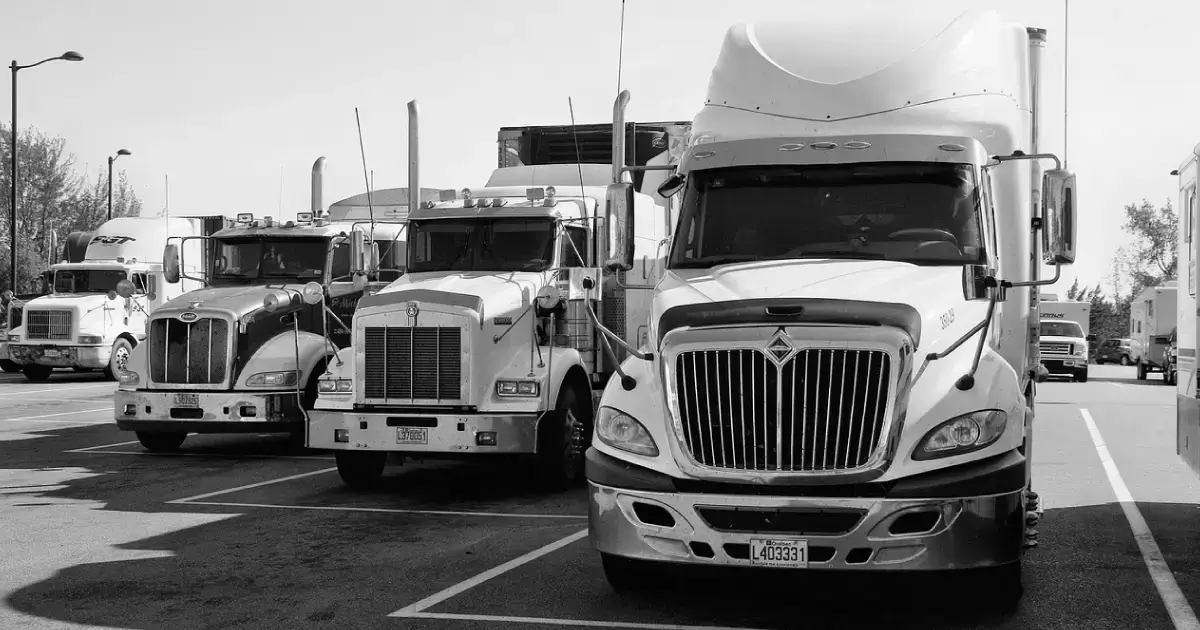
Why Do Big Trucks Use Diesel Instead of Gasoline?
Big trucks use diesel instead of gasoline because diesel engines deliver higher torque, better fuel efficiency, and longer engine life. According to DTF, about 75.6% of commercial trucks worldwide run on diesel as of December 2022. Diesel’s higher energy density allows engines to produce more torque at lower RPMs, making it ideal for hauling heavy…
-

What is the Main Difference Between Petrol and Diesel?
The main difference between petrol and diesel lies in their chemical composition and combustion processes, with diesel being denser and containing more energy per liter, utilizing a higher compression ratio for ignition, unlike petrol engines which rely on spark plugs. Diesel engines offer better fuel efficiency and torque, while petrol engines are known for performance…
-
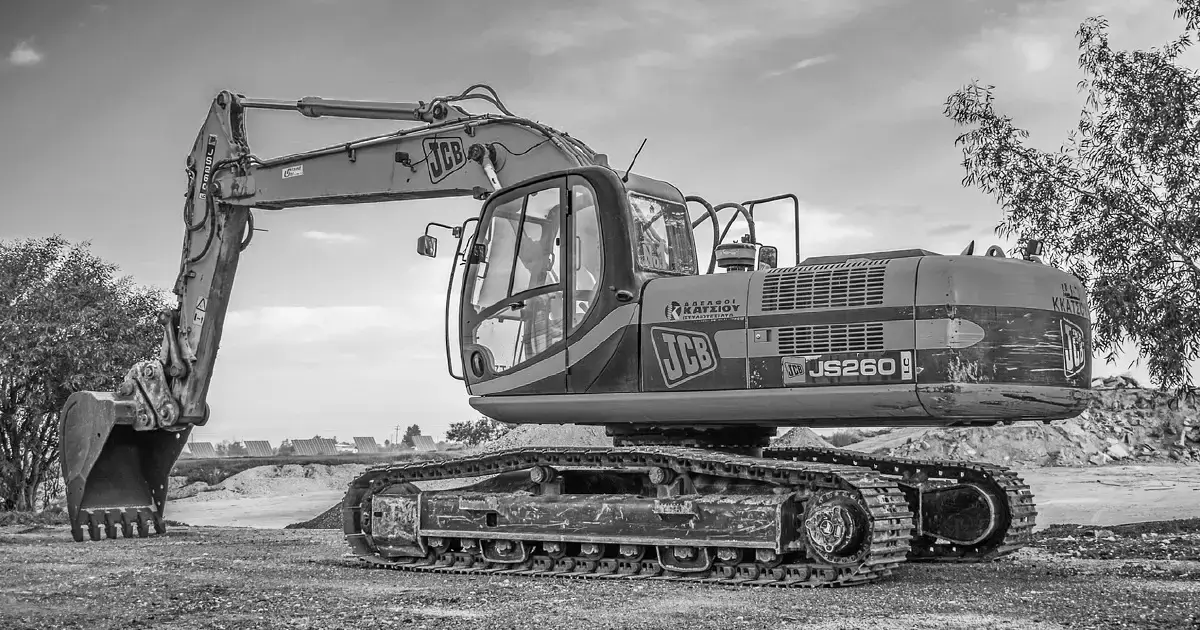
How to Calculate Fuel Consumption Per Hour? Fuel Consumption Calculator
Fuel consumption is calculated by dividing the amount of fuel used by the total operating hours and is measured in liters or gallons per hour. For instance, a machine consuming 50 gallons over 10 hours has a fuel consumption of 5 gallons per hour. Accurate tracking helps manage costs, as fuel can account for 30…
-
How Fuel is Made
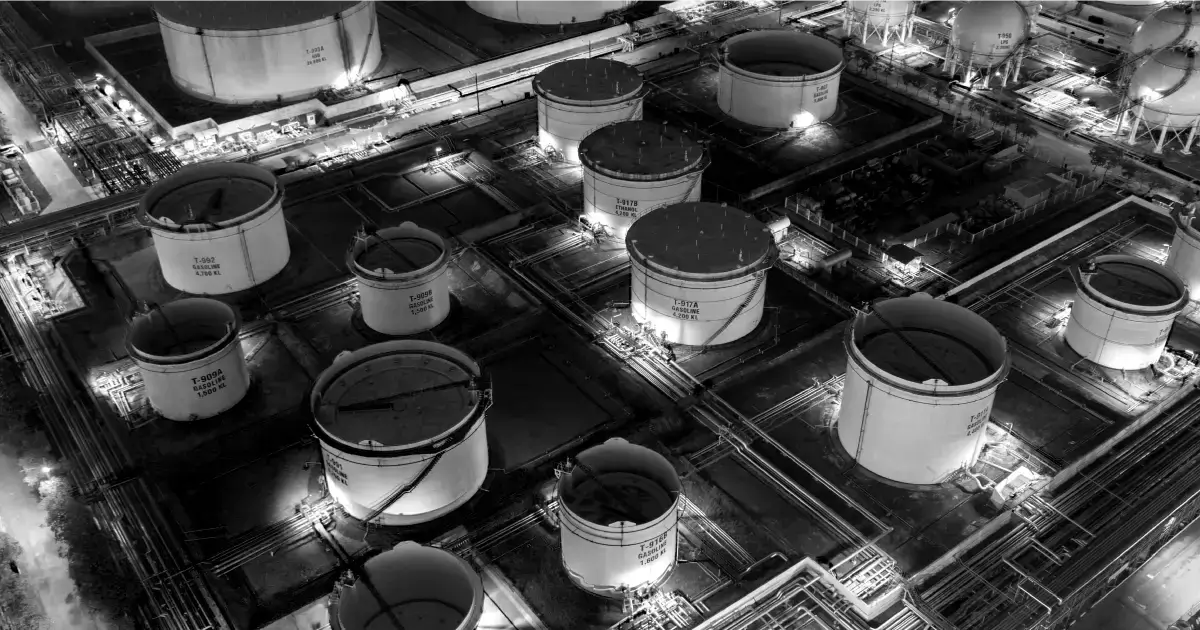
Fuel production involves refining and blending crude oil, natural gas, coal, and biomass. As of 2024, fuel is produced through processes like crude oil extraction, fractional distillation, conversion methods such as cracking and reforming, and the blending of various components with additives to meet specific performance and quality standards. Did you know that over 80%…
-
The Impact of Fuel Management in the Construction Industry
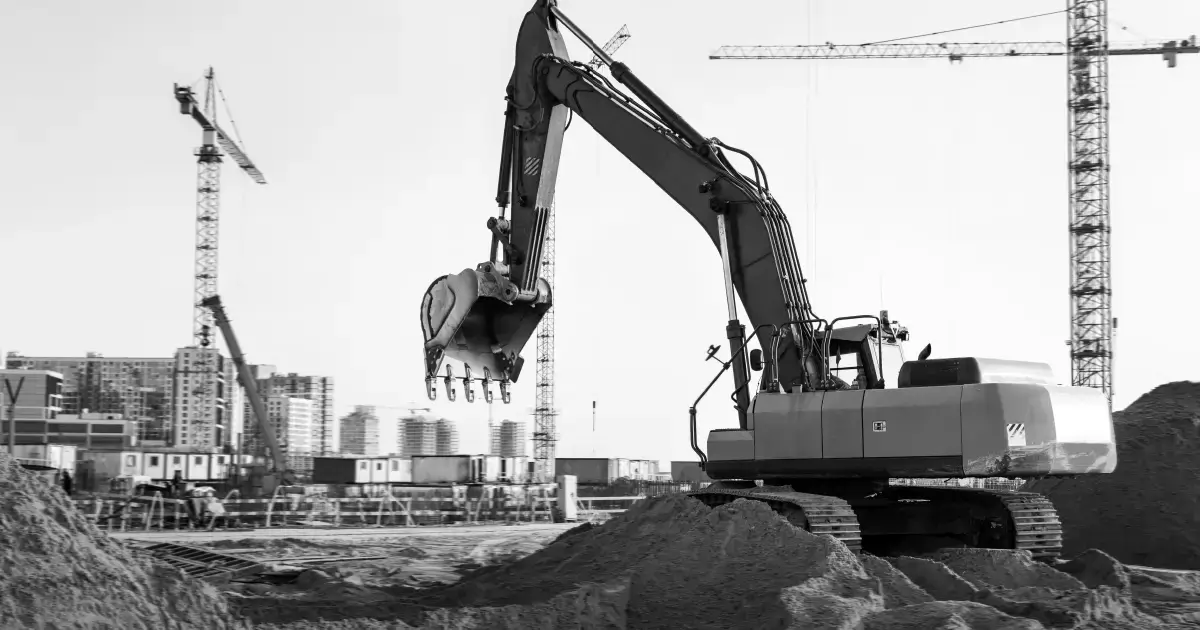
Effective fuel management is mandatory for the construction sector, the third-largest consumer of fuel in the U.S. as of 2022, consuming approximately 7% of total energy. It enhances profitability by tracking usage, reducing waste, optimizing machinery efficiency, and enabling cost savings through bulk purchases, fuel cards, trusted fuel delivery, and operational streamlining that reduces downtime.…
-

What is the Best Gas to Use for Your Vehicle?
The best gas to use for your vehicle is Top Tier™ certified gasoline with the octane rating recommended in your owner’s manual. Top Tier fuel contains enhanced detergents that remove carbon deposits, improve combustion, and extend engine life compared to non-certified fuels. Many drivers struggle to pick the right fuel for their vehicle’s engine. This…
-
Why Is It Called Gasoline
Gasoline is called that because it comes from “gasolene,” a 19th-century British trade name combining “gas” (from coal gas or lighting oil) and the chemical suffixes “-ol” and “-ine.” The term evolved from a fuel brand called “Cazeline,” which later changed to “Gasoline” in the United States. Did you know the US is the world’s…
-
3 Types of Fuel: Uses, Examples & Which One You Need
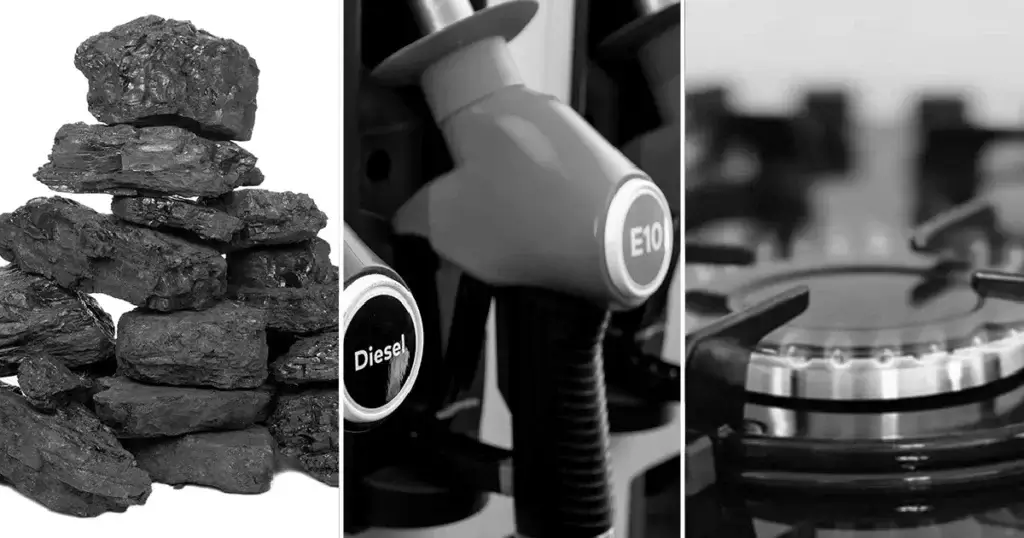
Fuels are classified into three main types: solid (coal, wood) for heating and industry, liquid (diesel, gasoline) for transportation, and gaseous (natural gas, LPG) for cooking and power. Each differs in energy output, storage, and application across homes, industries, and vehicles. What Is Fuel? Fuel is a substance that produces energy through combustion or conversion.…