

Brandon Ward
Articles from this Author
-
Top Bulk Gasoline Tanks for Commercial & Industrial Use
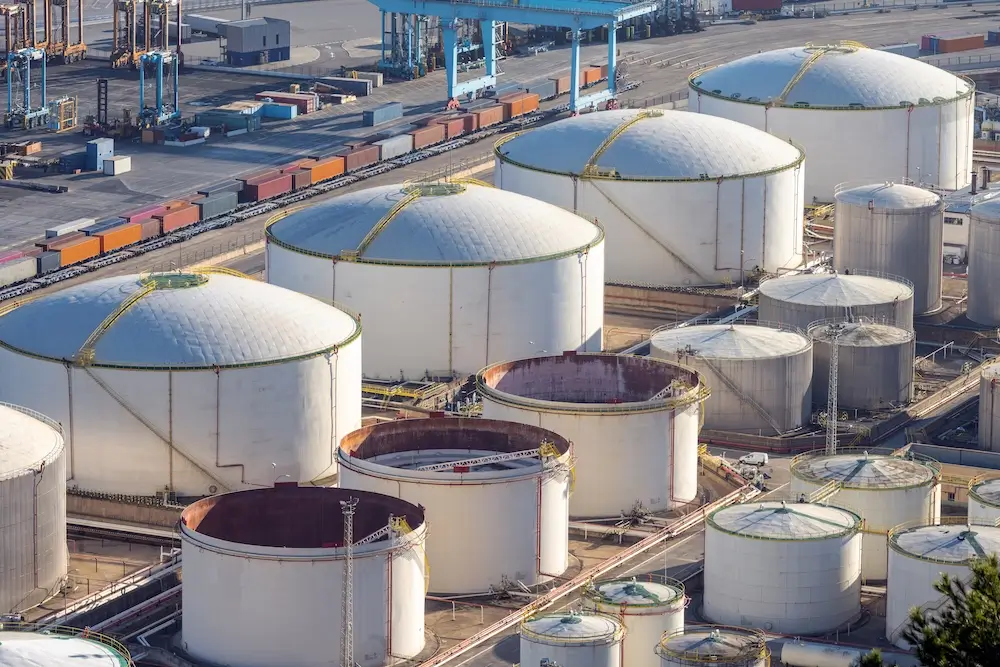
Top bulk gasoline storage tanks for businesses include the STI-Fireguard® UL2085, STI-Flameshield®, ACT-100-U® underground tanks, and Permatank® underground tanks. A gasoline tank ensures a consistent fuel supply, and tanks with capacities of 100 gallons or more are considered bulk fuel tanks. Running a fuel-dependent business? A top-notch bulk gasoline tank can make all the difference.…
-
Most Common Alternative Fuels—What You Need to Know
Alternative fuels including biodiesel, electricity, ethanol, hydrogen, natural gas, and propane, burn cleaner than gasoline or diesel, with their renewability and infrastructure support varying. These fuels are responsible for almost 10% of global energy consumption and are projected to lower carbon emissions by up to 70% by 2050. With the rise in the global energy…
-
What Is A Fuel Transfer Tank?
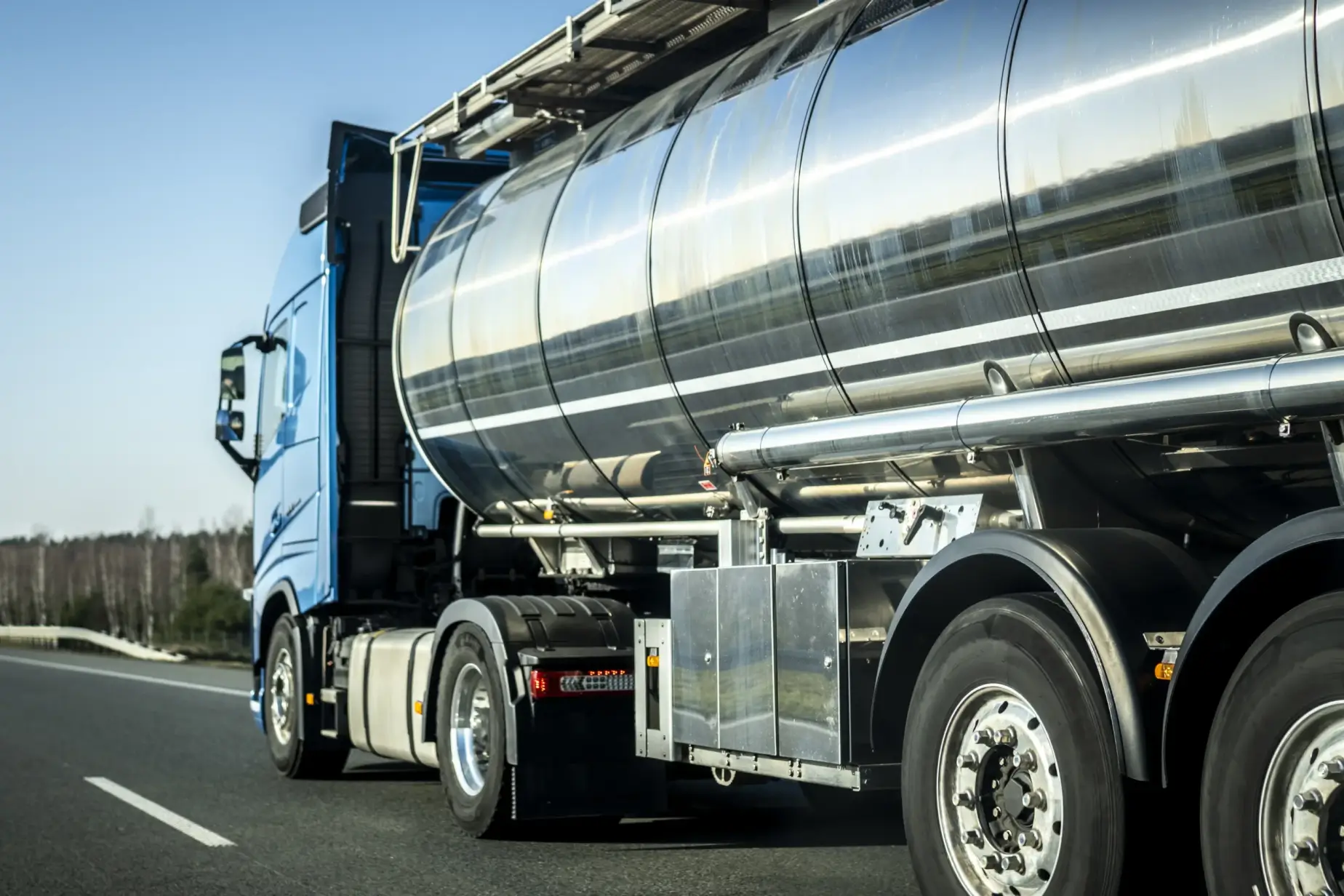
A fuel transfer tank is a portable container designed to safely store, transport, and dispense fuels like diesel or gasoline. Often equipped with a built-in pump and available in cube or cylindrical designs, it provides a mobile, on-site solution for industries that require a steady and reliable fuel supply. Industries like agriculture, construction, and transportation…
-

Find the Best Fuel Filter For Your Vehicle Today
For 2025, top fuel filter picks include the Bosch 0450906457 In-Line Fuel Filter for durable gasoline filtration, the K&N PF-2200 for high-flow performance, the budget-friendly Fram G3727, the ACDelco TP3018 Diesel Fuel Filter for water separation, and the Motorcraft FD-4615 for Ford vehicles. Is your engine sputtering? This might be a sign that your fuel…
-
![Diesel Refueling Safety Bulletin [2025 Updated]](https://www.fuellogic.net/wp-content/uploads/2025/03/FL-Blog-FeatureImage-Diesel-Refueling-Safety-Bulletin-2025-Updated-bw.webp)
Diesel Refueling Safety Bulletin [2025 Updated]
To ensure diesel refueling safety, it is crucial to use personal protective equipment and proper tools, prevent tank overfilling, use approved containers, maintain ventilated areas, and check for leaks. The refueling area must be smoke-free, equipment grounded to eliminate static, and regular maintenance performed to keep all spaces clean. As we all know diesel fuel…
-

Do Fuel Additives Really Work?
Fuel additives, while not a universal solution, can be helpful in specific scenarios by cleaning fuel systems, stabilizing fuel, and preventing water buildup. They are most beneficial for older vehicles, in cold climates, or for long-term fuel storage, rather than for all applications. You have probably noticed that automotive maintenance stores have shelves filled with…
-
What are the Benefits of Premium Gasoline?
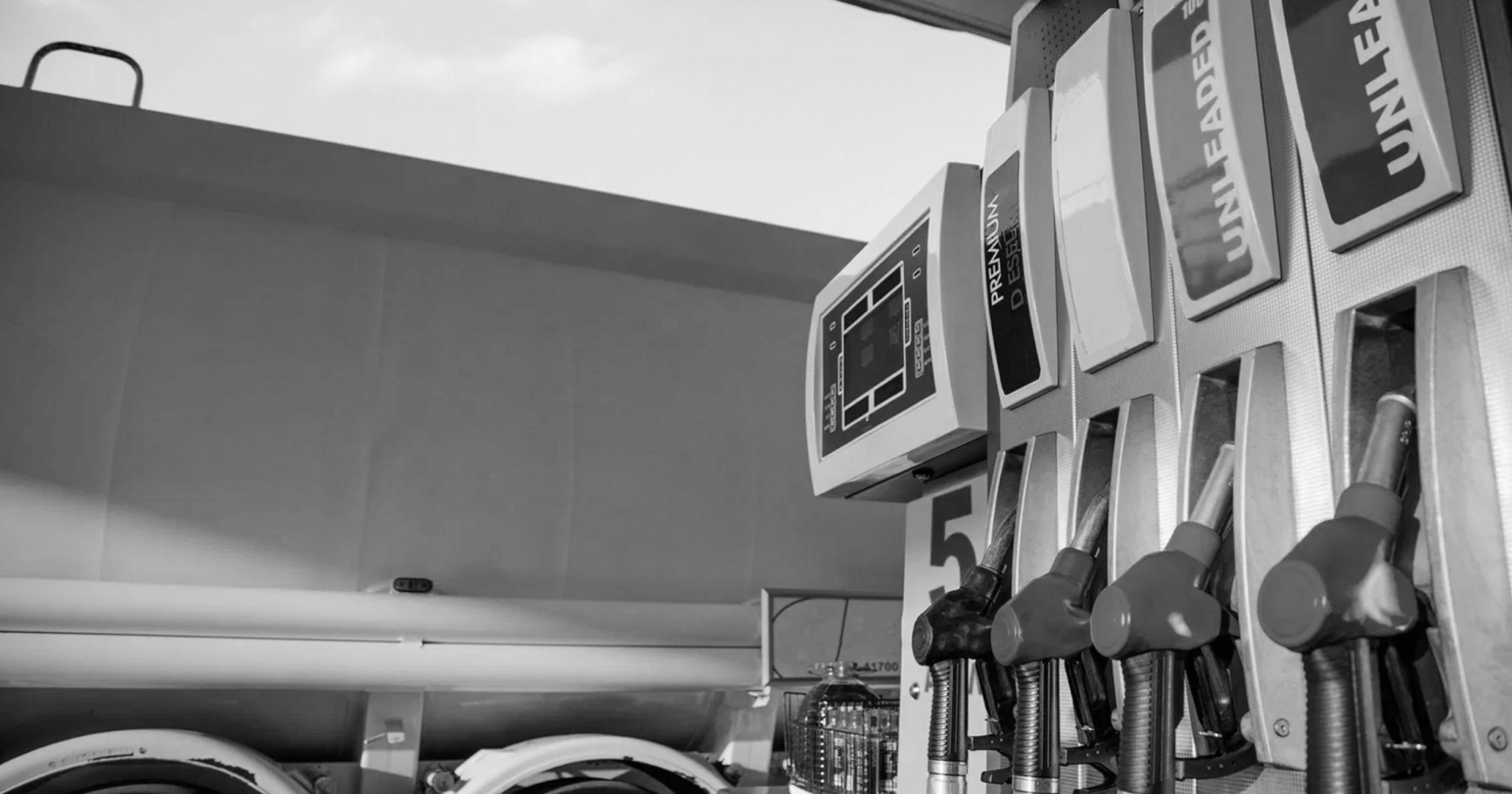
Premium gasoline, with an octane rating typically between 91 and 94, enhances engine performance and efficiency, prevents engine knock and ping, and contributes to a cleaner engine with reduced emissions. It also promotes the longevity of high-performance engines by ensuring smoother combustion. Do you also think premium gas is just for luxury cars? Think again.…
-
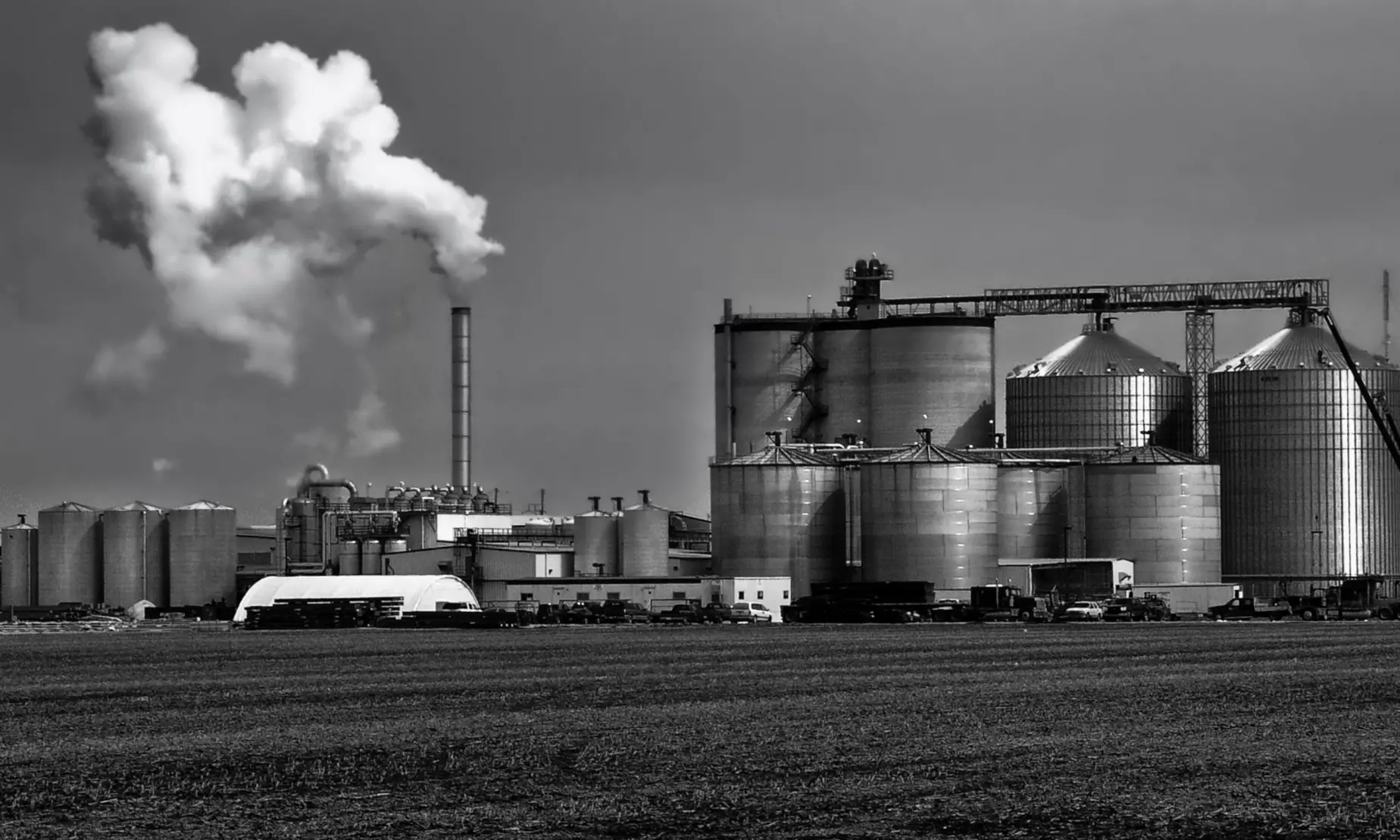
What is Ethanol Fuel?
Ethanol fuel, an ethyl alcohol from the organic chemical group, is a renewable, plant-based energy source reducing harmful emissions and contributing to carbon neutrality. Common ethanol blends like E10, E15, and E85 vary in concentration, with low blends safe for most vehicles and higher blends primarily used in flex-fuel vehicles. Ethanol fuel is an introduction…
-
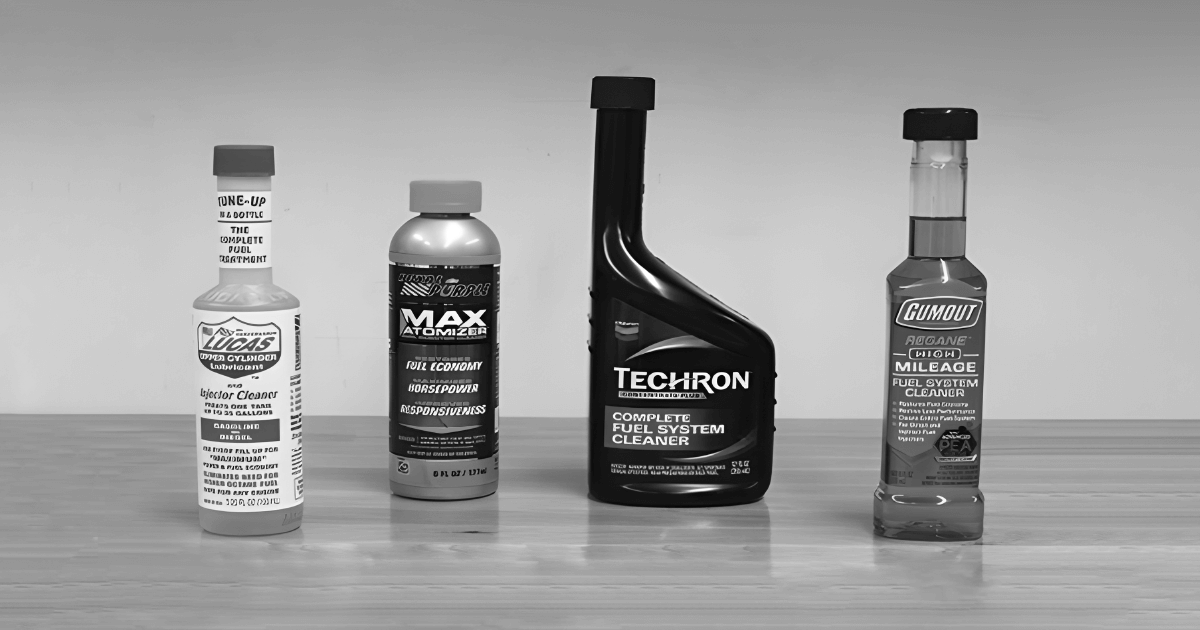
How to Use Fuel Injector Cleaner: Step-by-Step Guide + How Much to Add
Pour one full bottle of fuel injector cleaner into a near-empty gas tank, then fill up immediately with fresh fuel. Most bottles treat 10 to 15 gallons at roughly 1 oz per gallon, but always check the label for your specific product. For best results, repeat every 3,000 to 5,000 miles as part of your…
-
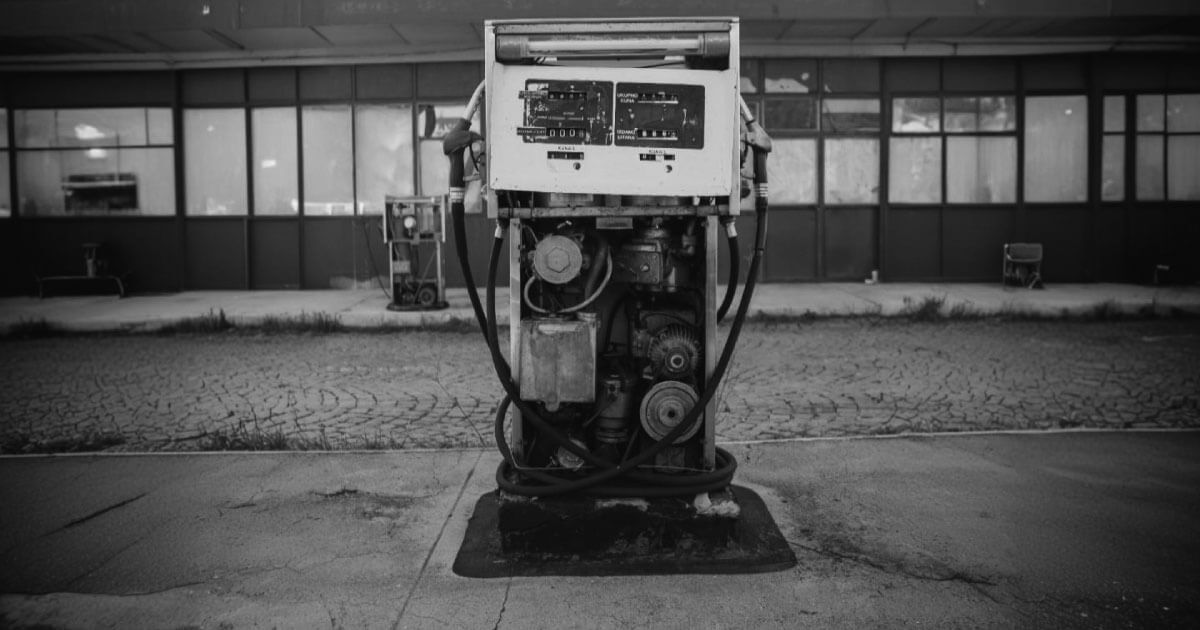
How to Spot a Faulty Gasoline Pump and What to Do About It
As of 2025, approximately 1 in 5 gas stations in Houston had at least one faulty pump, frequently exhibiting “pump jumping” where charges are processed before fuel dispenses, leading to less fuel being received than paid for. Other signs of a faulty pump include slow flow, inconsistent pumping, no gas dispensing, failure of automatic shutoff,…