

Diesel fuel starts degrading within 28 days of storage, and many operators do not realize how long can you store off-road diesel before fuel quality becomes a serious issue. That is not a figure that gets communicated when fuel is purchased, and most operators find out the hard way. A generator that will not start. A piece of equipment pulling black smoke. A tank that needs professional cleaning before it can hold usable fuel again.
Under typical storage conditions, off-road diesel lasts 6 to 12 months. Store it properly, keep temperatures stable around 70 degrees Fahrenheit, and treat it with the right biocides and stabilizers, and that range extends to 18 to 24 months. With a complete, actively managed program, diesel can stay in usable condition for up to three years.

The reason modern diesel is harder to store than it used to be comes down to regulation. The EPA mandate that created Ultra-Low Sulfur Diesel (ULSD) was designed to reduce air pollutants, and it succeeded at that. But sulfur also served as a natural stabilizing agent. Removing it made today’s fuel more susceptible to oxidation, water contamination, and microbial growth. That is not a flaw in the mandate. It just means storage discipline matters considerably more than it did for older formulations.
What follows covers how long off-road diesel actually lasts under different storage conditions, the three processes that cause it to break down, and the steps that meaningfully extend its shelf life.
How Long Does Off-Road Diesel Last in Storage?
Shelf life is not a single number. It depends on temperature, container condition, exposure to moisture and air, and whether fuel additives are in use. The table below reflects realistic expectations across common storage scenarios:
| Storage Condition | Shelf Life | What Happens | Recommended Action |
|---|---|---|---|
| Fresh, untreated diesel | 6 to 12 months | Oxidation starts immediately. Water contamination risk increases over time. | Use within 6 to 12 months or treat with additives right away. |
| Treated with stabilizers and biocides | 12 to 24 months | Oxidation slows. Microbial activity is reduced but not eliminated. | Test fuel condition annually. Add fresh biocide at each treatment cycle. |
| Ideal storage: cool, sealed, low moisture | Up to 2 to 3 years | Degradation is minimal but continues gradually. | Inspect every six months. Maintain additive program throughout. |
| Poor storage: heat, air exposure, moisture | 3 to 6 months | Rapid oxidation, sludge buildup, and contamination develop quickly. | Do not use without testing. Filter or dispose if degraded. |
| Long-term neglected storage, 3 or more years | Not usable | Severe sludge, high acid content, injector and engine damage risk. | Have fuel professionally tested. Polishing or disposal is almost always required. |
One threshold that catches most operators off guard: contamination begins within the first 28 days, even in containers that are clean and sealed. Oxidation starts the moment diesel leaves the refinery. If no stabilizers are added, the degradation process is already in motion before the fuel reaches your tank.
NFPA 110, the Standard for Emergency and Standby Power Systems, addresses this directly. It defines diesel Storage Life as 1.5 to 2 years, and recommends that tanks be sized so fuel is consumed within that window. Where that is not practical, the standard calls for provisions to replace stale fuel with fresh supply. That guidance applies most directly to standby generator applications, which are among the most common uses for stored off-road diesel.
Why Diesel Degrades: Three Processes Worth Understanding
Fuel degradation is not random. Three distinct chemical and biological processes drive it, and each one responds to different preventive measures. Understanding them makes it easier to build a storage program that actually works.
Hydrolysis
Hydrolysis happens when water gets into diesel. As storage tank temperatures shift throughout the day, condensation forms on the interior walls and roof of the tank. Those water droplets fall into the fuel. The resulting chemical reaction breaks down diesel compounds and creates conditions that microbes need to survive and multiply. Tanks that are not fully sealed, or that are left partially empty, face the highest condensation risk because excess air space amplifies the temperature-driven moisture cycle.
Microbial Growth
Bacteria and fungi grow at the interface between water and diesel fuel. Given time, they produce acids that accelerate fuel breakdown, form thick biofilm that restricts fluid flow, clog filters with biomass, corrode tank walls, and cause damage to fuel injectors and engine components.
The regulatory connection matters here. The EPA’s ULSD mandate removed sulfur from diesel to cut air pollution. Sulfur also happened to inhibit microbial growth. Its removal made today’s diesel meaningfully more vulnerable to biological contamination than older formulations.
Clogged filters and rust on the filler cap are the most visible early warning signs. Lab testing is the only reliable method for confirming contamination levels. Fuel can appear clean to the eye while carrying a severe microbial load in the lower layers of the tank.
Oxidation
Oxidation begins the moment diesel is exposed to oxygen. It produces gum, sludge, and sediment that clog filters and reduce fuel system performance. It also raises the acid content of the fuel, which corrodes tank walls and degrades engine components over time. Heat is the main accelerant. Tanks sitting in direct sunlight or in hot environments break down considerably faster than those stored cool and shaded.
Skip the Storage Headache
Fuel Logic provides 24/7 on-site fueling for construction, farming, and fleets.
Storage Options for Off-Road Diesel
Container choice affects both how long your fuel holds up and how much ongoing maintenance your storage setup requires. There are three practical options, and the right one depends on your operating volume and site conditions.
Portable Cans (2 to 5 Gallons)
Steel jerry cans work for small-volume, short-duration storage. Any can you use should meet OSHA, DOT, CARB, and EPA compliance standards. Plastic cans are acceptable if they are made from HDPE, which is high-density polyethylene. Other plastics break down on contact with diesel and can contaminate fuel directly. Even HDPE has a service life, so portable cans should not be treated as a long-term solution for ongoing or large-volume storage needs.
Storage Drums (55 Gallons)
Fifty-five gallon drums, stored upright or horizontally on steel racks, are a reasonable choice for job sites and operations that need fuel available on demand in moderate quantities. The most important rule with drums: fill them to capacity. Air space at the top promotes condensation, which accelerates the degradation cycle. Drums should be kept as full as possible right up until use.
It’s important to note that, like with portable cans, it’s necessary to fill the storage drums to the brim and endeavor. This is to keep them full whenever possible. Any air left at the top of the tank can contribute to condensation, which accelerates the degradation of your diesel shelf life.
Stand-Alone Tanks (100 to 1,000-Plus Gallons)
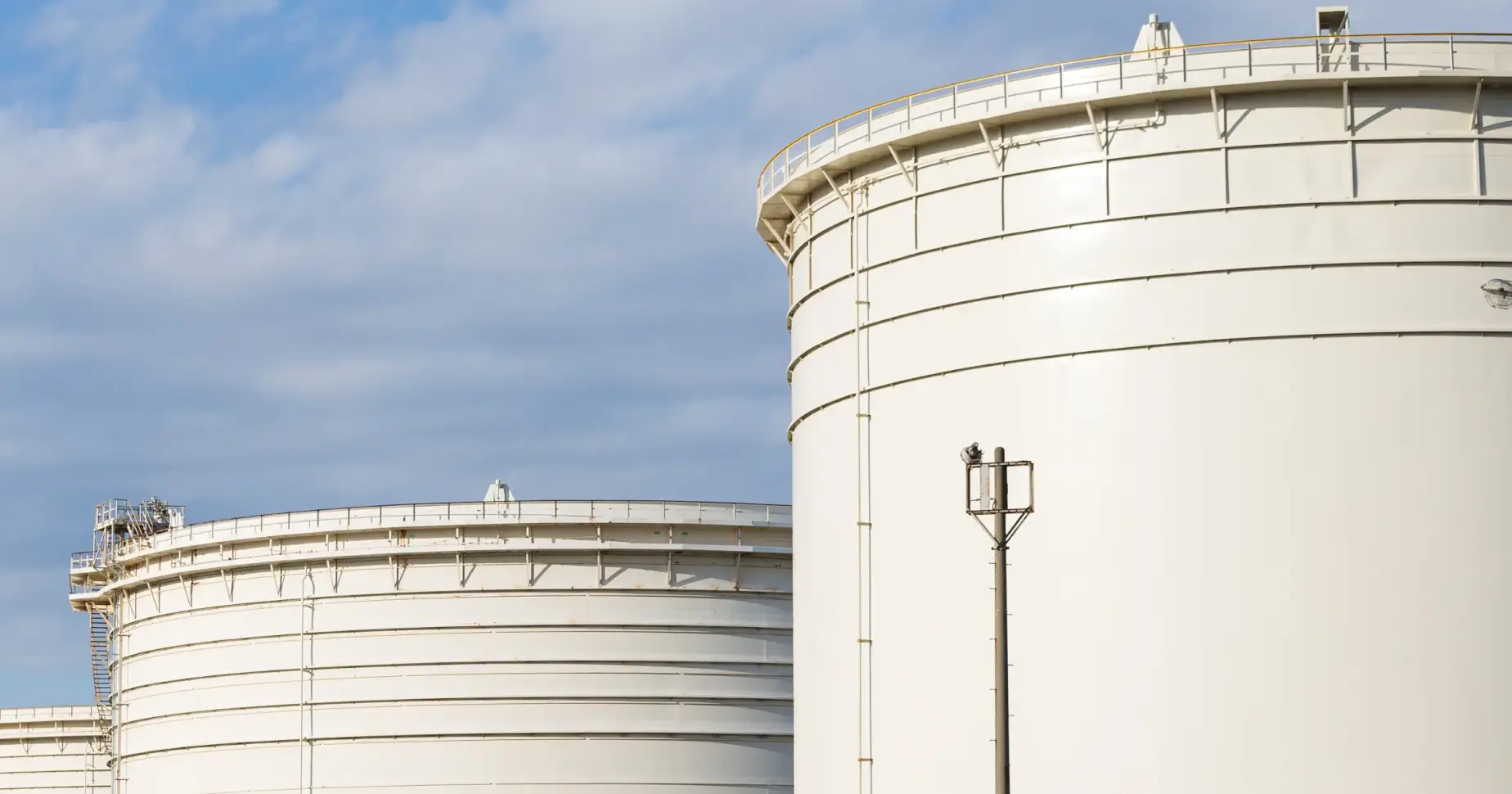
For operations storing large volumes of diesel on a recurring basis, a dedicated stand-alone tank is the right solution. Underground tanks offer better natural temperature regulation and reduced exposure to solar heat, which is a meaningful advantage for fuel longevity in warmer climates. Above-ground tanks should be placed in shaded or insulated enclosures wherever possible.
A few compliance requirements apply. OSHA standards require above-ground tanks of 1,000 gallons or more to be barricaded against vehicle and equipment collision. The surrounding ground should be graded to contain any spills and prevent contact with reactive materials or structures. EPA regulations cover installation and leak prevention requirements. For any application involving a standby or emergency generator, NFPA 110 provides specific guidance on tank sizing, fuel rotation, and maintenance intervals.
Regardless of tank type, schedule a professional tank cleaning every one to two years. Sludge and water accumulate at the bottom of tanks over time and will contaminate fresh fuel if the tank is not periodically cleaned out.
7 Practices That Extend Off-Road Diesel Shelf Life
These steps work together. Doing one or two in isolation improves your situation. Running the full program is what keeps fuel viable over the long term.
- Use a sealed, approved storage container.
Air exposure is the starting point for both oxidation and microbial contamination. Keep containers sealed when not in use. Inspect seals, lids, and fittings on a regular basis and replace anything that shows wear before it becomes a problem.
- Keep storage temperatures stable and cool.
Target around 70 degrees Fahrenheit. Do not allow tank temperatures to exceed 85 degrees. Underground placement, shade structures, and insulated enclosures all help manage heat. High temperature is the single biggest accelerant of oxidation.
- Reduce moisture and condensation inside tanks.
Keeping tanks full reduces internal air space and limits the condensation cycle. Check above-ground tanks for pooled water on the exterior after rain. Use fuel-water separator filters where available. Demulsifying additives help pull water out of suspension so it can be drained.
- Use diesel-specific fuel stabilizers and biocides.
Generic fuel treatments marketed for gasoline and diesel are not formulated for diesel’s specific chemistry. Use products designed specifically for diesel. If biofilm is already present in the tank, a mechanical cleaning is needed before biocide treatment will take effect. Biocide applied over existing biofilm will not eliminate the underlying growth.
- Keep tanks as full as the operating situation allows.
A full tank has less air space, which means less condensation. Less condensation means less water. Less water means slower microbial growth and reduced hydrolysis. Keeping tanks topped off is a low-effort habit that has a real effect on fuel longevity.
- Inspect and clean tanks on a scheduled basis.
Do a visual check quarterly. Look at fuel color, check for odor, and note any filter clogging frequency. Schedule a professional tank cleaning every one to two years. This is especially important for standby generator tanks. Fuel that sits idle for months without inspection is the most common reason generators fail at startup during an emergency.
- Rotate fuel on a first-in, first-out schedule.
The most reliable protection against degraded fuel is a rotation plan that prevents any batch from sitting long enough to go bad. Use the oldest fuel first and replenish on a regular cycle. For construction sites, farms, and fleet depots, a scheduled delivery program keeps supply continuously fresh without requiring large on-site stockpiles.
⚡ Key Takeaways
- Diesel degradation begins within 28 days of storage, even in clean, sealed containers.
- Standard shelf life is 6 to 12 months. With the right treatment and storage conditions, that extends to 18 to 36 months.
- ULSD is less chemically stable than older diesel because the EPA mandate removed sulfur, which acted as a natural stabilizer.
- NFPA 110 sets diesel storage life at 1.5 to 2 years and calls for fuel rotation or replacement within that window in standby power applications.
- Three processes drive degradation: hydrolysis, microbial growth, and oxidation. Each requires its own countermeasure. A complete program addresses all three.
- Scheduled delivery keeps supply fresh and eliminates the risk that comes with storing large volumes over long periods.
Frequently Asked Questions
How long can you store off-road diesel without additives?
Six to 12 months is a reasonable range under average conditions. Degradation starts within 28 days, but fuel remains usable within that window if it is kept cool, stored in a sealed container, and protected from direct sunlight and moisture.
How long does diesel last when treated with stabilizers?
Diesel-specific stabilizers and biocides extend shelf life to 18 to 24 months under normal conditions. In well-managed storage with consistent temperature control, sealed containers, and regular inspections, two to three years is achievable. Periodic fuel testing is still recommended regardless of additive use.
Is it safe to use diesel that is several years old?
Generally, no. After five years, diesel has typically degraded past usable quality even in reasonably good storage. It may still combust, but gum deposits, sediment, and acidic breakdown products will damage injectors and fuel system components. Diesel that has been in storage for 10 years will have a sludge-like consistency and should not be used without a professional fuel test. In most cases at that point, polishing or disposal is the practical answer.
How do I know if stored diesel has gone bad?
Visual signs include darker coloration than fresh diesel, visible sludge or gel, and sediment collecting at the tank bottom. Sensory signs include a sour or rotten smell. Operational signs include hard starting, engine stalling, and black exhaust smoke. Frequently clogged fuel filters are also a strong indicator. A lab test is the only method that confirms contamination levels and acid content with accuracy.
Does diesel degrade in a sealed tank?
Yes. Sealing a tank slows degradation by limiting oxygen exposure, but it does not stop it. Temperature fluctuations inside a sealed tank still produce condensation. That moisture builds up over time and creates conditions for microbial growth and hydrolysis. Stabilizers and a regular cycling schedule are still necessary even in well-sealed storage.
Does diesel hold up better in storage than gasoline?
It does. Diesel is roughly twice as stable as gasoline in storage. Gasoline typically breaks down within three to six months. Diesel can last 6 to 12 months without treatment because its heavier hydrocarbon structure resists evaporation and oxidation longer. That said, both fuels require proper storage practices for anything beyond short-term use.
How long does diesel stay usable in a standby generator tank?
Six to 12 months under standard conditions, or up to 18 months with stabilizers and regular maintenance. Generator tanks are a particularly high-risk storage environment because fuel sits idle between infrequent test runs. NFPA 110 provides specific guidance on fuel sampling and rotation intervals for standby and emergency power applications. Following that schedule is the most reliable way to ensure the generator starts when it is actually needed.
What does NFPA 110 say about diesel storage life?
NFPA 110 sets diesel storage life at 1.5 to 2 years and states that tanks should be sized so fuel is consumed within that window. Where that is not practical, the standard calls for provisions to replace stale fuel with fresh supply. It is the primary reference document for fuel management in emergency and standby power systems.
Does buying diesel in bulk affect how long it lasts?
Bulk purchasing reduces per-unit fuel cost, but it does not change how diesel degrades. The same timeline applies regardless of volume. Larger quantities increase the financial exposure if rotation and treatment schedules are not maintained, because more fuel is at risk of going bad before it is used.
Sources
- NFPA 110: Standard for Emergency and Standby Power Systems, Section A-5-9. National Fire Protection Association. nfpa.org/codes-and-standards/nfpa-110-standard-development/110
- EPA Diesel Fuel Standards and Rulemakings. U.S. Environmental Protection Agency. epa.gov/diesel-fuel-standards/diesel-fuel-standards-and-rulemakings
- Microbial Growth in Diesel Fuel Storage Systems. National Center for Biotechnology Information. ncbi.nlm.nih.gov/pmc/articles/PMC9018388/
Don’t Let Storage Worries Slow You Down
Ensure your off-road diesel is always fresh, on-site, and ready to work. Fuel Logic’s scheduled deliveries eliminate long-term storage risks and keep your projects on schedule.
Now you know how long you can You store off-road diesel in your diesel fuel storage tank. What’s Next?
Now that you know the answer to “How long can you store diesel fuel”. At Fuel Logic, we provide convenient, no-contract off-road diesel delivery services that save our clients valuable time and money.
We accommodate orders of any volume, whether it’s only a few gallons a month to maintain farm equipment or a bulk diesel fuel order for an entire fleet of vehicles.
Our diesel delivery services are available nationwide 365 days a year, and we assign dedicated account managers to every order to ensure rapid, hassle-free delivery and proper fuel route planning every time.
Visit us online today to learn more about our off-road diesel delivery solutions.