

Fuel Tank
From the Blog
-

Fuel Tank Cleaner – Best Way to Clean a Gas Tank or Fuel Tank
What Is a Fuel Tank Treatment? A fuel tank treatment cleans and protects the tank by removing rust, varnish, and moisture that cause corrosion. It dissolves deposits, prevents contamination, and extends fuel system life. Regular use keeps fuel fresh and prevents damage from buildup or water. A fuel tank cleaning often called a fuel system…
-

The Importance of Bulk Tank Maintenance For Landscapers
Regular bulk fuel tank maintenance is essential for landscapers to maintain equipment performance, maximize fuel efficiency, and ensure safe operations, preventing costly downtime. In 2024, the fuel tank market reached almost USD 19.55 billion and is projected to increase to USD 29.33 billion by 2032. Inspections should be at least annual, though more frequent checks…
-
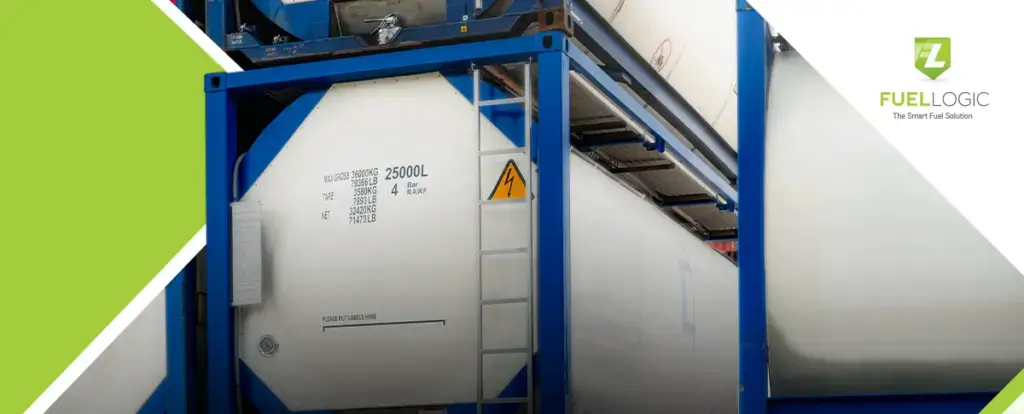
Benefits of Bulk Fuel Tank Rental – Fuel Storage Tank Program
Bulk fuel tank rental provides businesses with lower fuel costs through bulk purchasing, improved operational efficiency, and reliable on-site fuel access. It eliminates large upfront investment, reduces downtime, and includes maintenance support, making it a flexible and cost-effective solution for temporary or long-term fuel storage needs. What You Need to Know Before Choosing a Fuel…
-
The Dos And Don’ts For Fuel Cubes – Find New Fuel Tank Tips Here
For 2025, fuel cubes are an optimal solution for onsite fuel supply and fleet refueling, offering compact, economic stationary tanks with features like double-walled construction for security, forklift pockets for mobility when empty, and secure hose access for efficient fuel storage and management. Dos And Don’ts to get the most out of diesel fuel tanks…
-
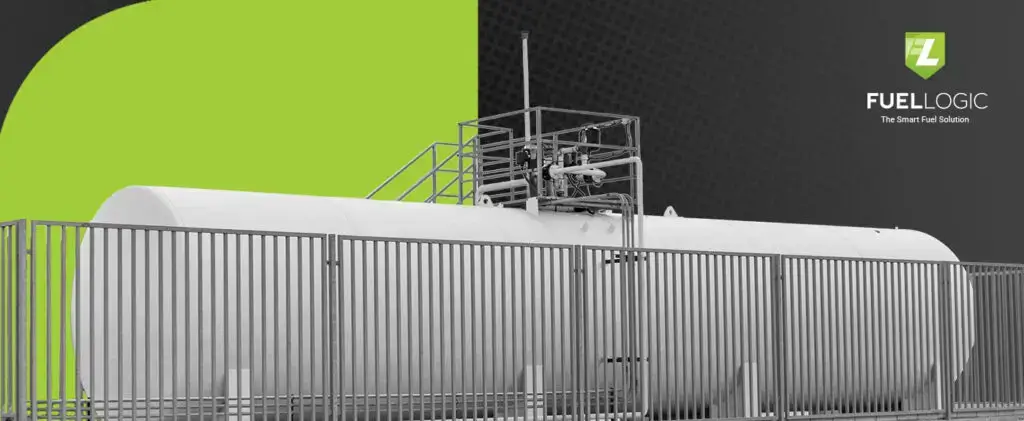
See 6 Safety Tips For Fleets Using Above Ground Fuel Tanks Now!
Above-ground fuel tanks (ASTs) for fleets require strict safety measures, including regular inspections for leaks, proper secondary containment, safe placement away from ignition sources, grounding during fueling, and clear labeling. Additional precautions like installing bollards and training personnel help reduce fire risks, environmental damage, and operational hazards. Using aboveground storage tanks is a great way…
-
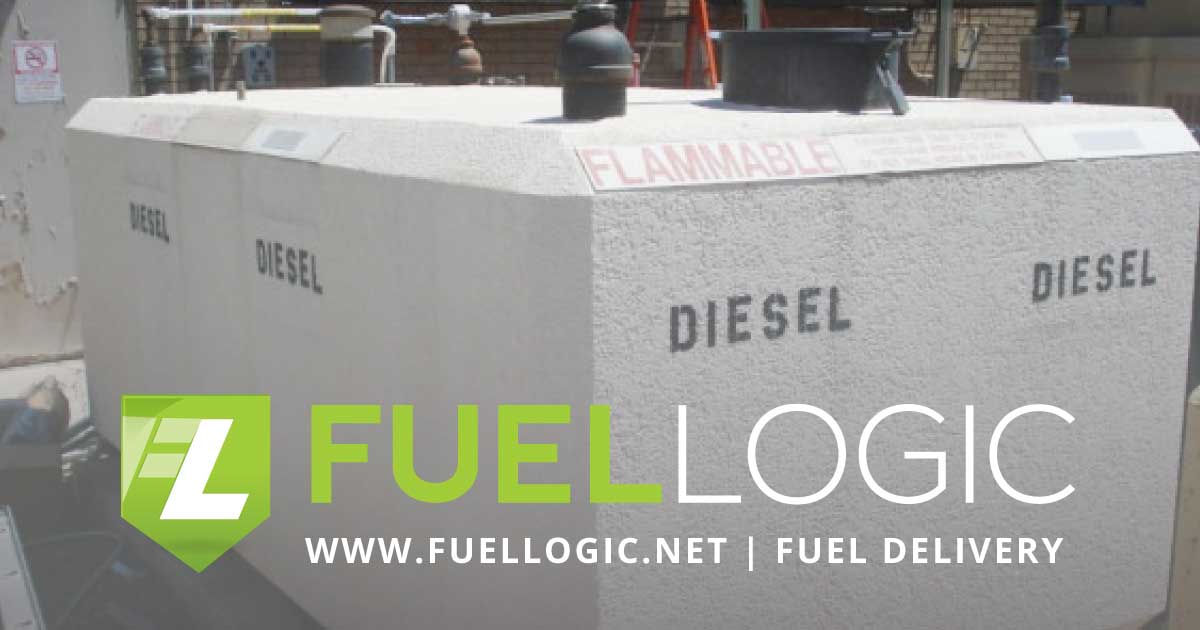
Diesel Tank Cleaning & Fuel Polishing
Diesel tank cleaning and fuel polishing remove contaminants from stored diesel like sludge, algae, and microbial growth, which affect fuel quality and lead to issues such as clogged filters and engine damage. This process starts with removing water and contaminants, followed by three levels of filtration, chemical cleaning, and finally, fuel polishing using centrifuges and…
-

Is Your Bulk Tank A Liability?
Bulk fuel storage tanks present liabilities including hidden costs for permits, inspections, insurance, and maintenance, and significant risks from external and internal fuel theft. Efficiency gains from onsite fueling are limited as employees still spend time fueling equipment, and alternative solutions like mobile fleet fueling can reduce these risks and improve productivity. Is that Bulk…
-

Above Ground Fuel Tanks – Maintenance, Water, and Contaminants
What Is an Above Ground Fuel Tank? An above-ground fuel tank (AST) is a storage container designed to hold flammable or combustible liquids like diesel and gasoline above ground level. These tanks are available in single- or double-wall construction and must meet EPA and NFPA safety standards. Types of Above Ground Fuel Tanks Common types…